




Once upon a time, beauty influencers were our digital besties swatching palettes, spilling the tea on skincare, and guiding us toward holy grail products. But in 2025, many of these once-honest reviewers have become brand founders themselves. And suddenly, that product “review” feels more like a press release.
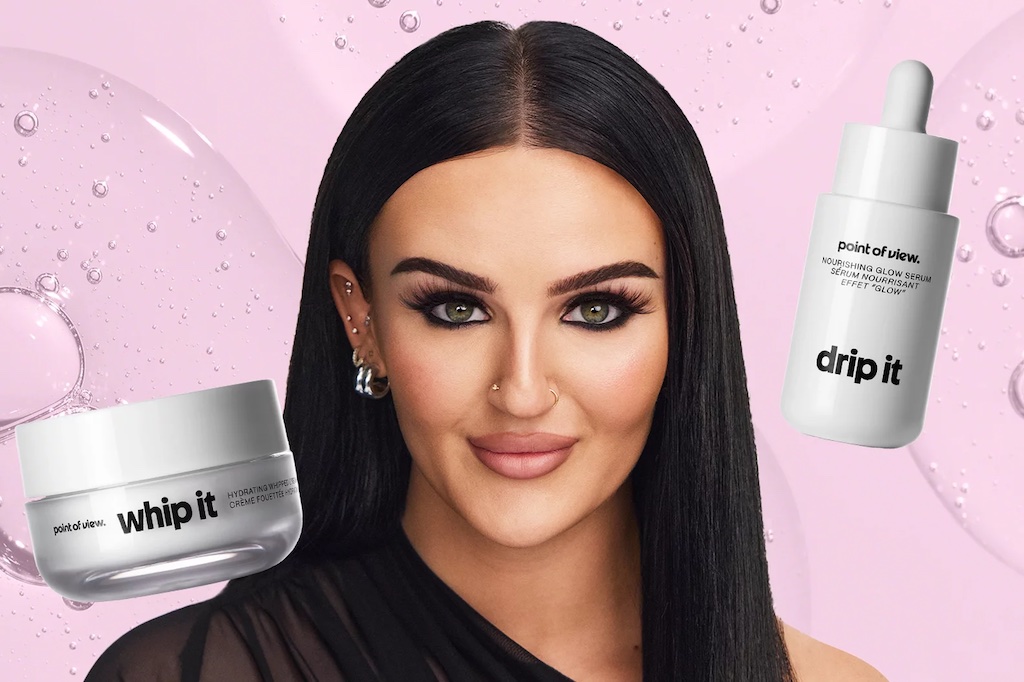 Photo Credit: Point Of view, Getty Images
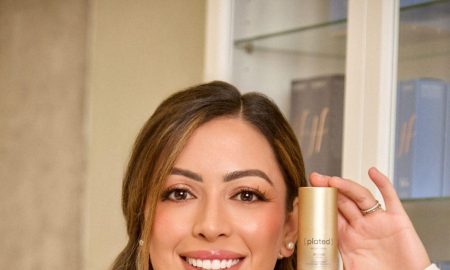
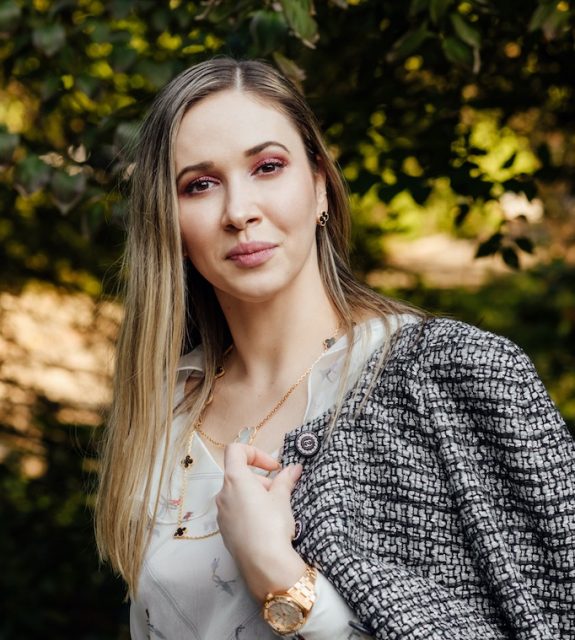
The rise of influencer-led brands has blurred the lines between authenticity and advertising. One of the most buzzed-about examples? TikTok’s Michaela Nogueira. Known for her raw, unfiltered reviews and famously bold glam, Michaela’s journey from content creator to beauty brand CEO was met with both fanfare and fierce scrutiny.
Her brand’s recent launch sparked widespread discussion, not just for its vibrant pigment payoff or inclusive shade range, but because followers began to question: can someone still be an unbiased reviewer when they’re also behind the brand label?
To be fair, Michaela isn’t alone. From Huda to Hailey, influencers-turned-entrepreneurs are rewriting the rules of beauty marketing. And while many of these founders genuinely believe in their products, the lack of transparency in sponsored content and the flood of cross-promotion make it harder than ever for consumers to know what’s real and what’s revenue-driven.
That’s not to say influencer brands are inherently untrustworthy quite the opposite. Many are innovating in ways traditional companies can’t, fueled by firsthand knowledge of consumer wants. But in this new landscape, the most respected names are those who balance beauty with honesty. Disclosure is no longer optional it’s the gold standard.
In an era where followers are savvy, and trust is everything, the brands (and influencers) who lead with integrity will always shine brightest. Because in luxury beauty, it’s not just about what’s in the bottle it’s about who’s telling the story.