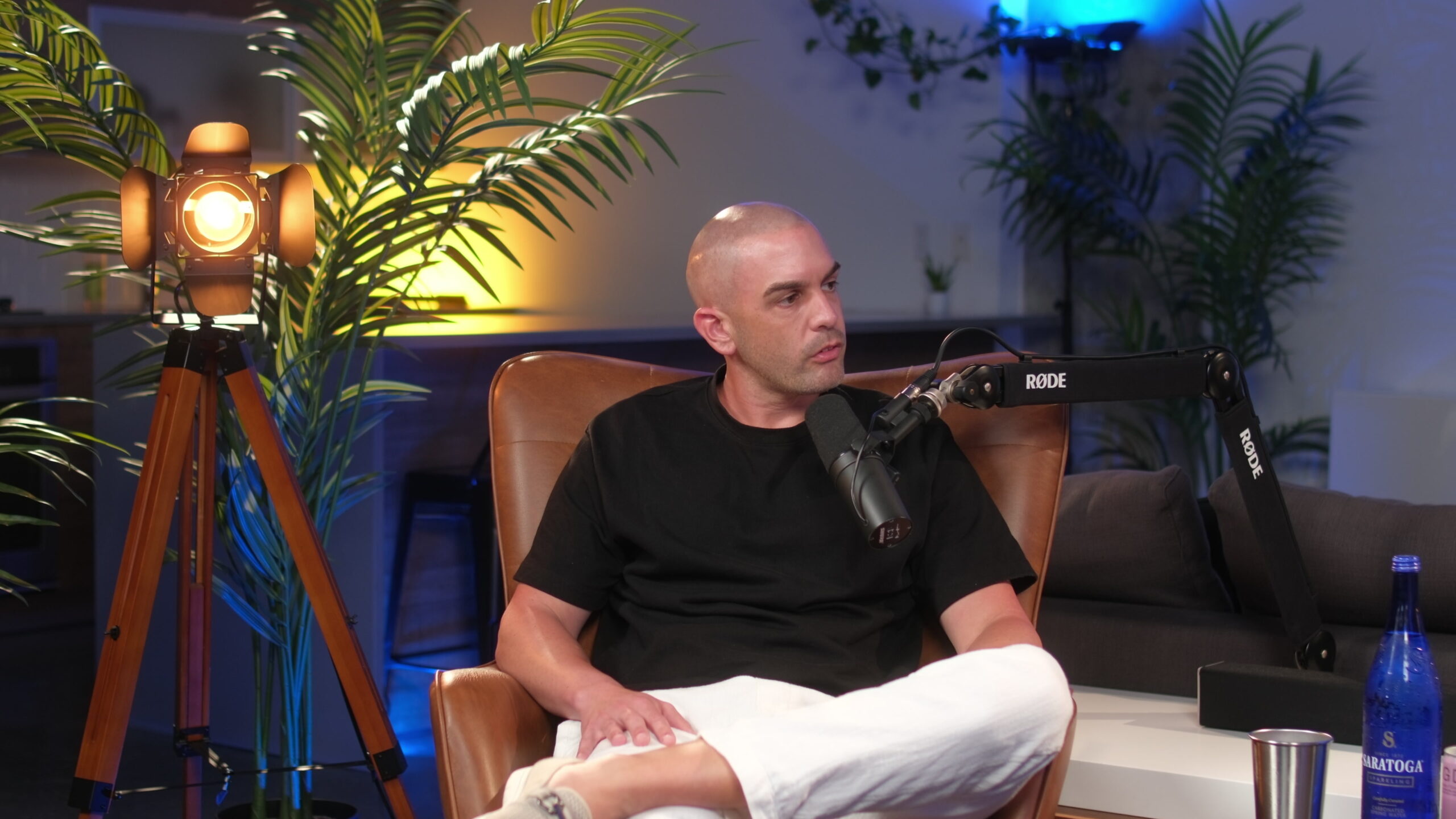
Why Frankie Lee Built ContentRemoval.com to Protect Personal Privacy

Frankie Lee’s work began with a distinction that can be lost when someone has a public profile: being visible does not mean consenting to the publication of private material. A founder may choose to discuss a company in the press while keeping family life out of view. A public figure may share photographs from an event without agreeing to the circulation of intimate images. For Lee, who founded ContentRemoval.com, that distinction became personal when people close to him struggled to get private material taken down. His response grew into a business focused on harmful online content and the people living with its consequences.
When a Growing Public Profile Meets Private Life
Professional visibility can bring opportunities, but it can also make an individual easier to find. A founder’s name may appear across company pages, interviews, event programs and social accounts. Each appearance gives someone another way to identify the person, look for information about their family or connect details that were originally published in separate places. The concern is not that a public profile makes every private detail public. It is that an audience interested in the person’s work may encounter material the person never intended to share.
That tension is familiar in places such as New York and Miami, where professional and social circles often overlap. Someone can be comfortable appearing at a launch or speaking about a business and still expect a home address, a private photograph or a family member’s identity to remain outside the conversation. Unwanted exposure can make routine introductions feel more fraught. It may also affect business relationships when others encounter harmful material without understanding how it came to be online. Privacy, in this setting, is more than a preference for a quieter life; it can be part of feeling secure enough to participate in public life on one’s own terms.
The Personal Experience Behind ContentRemoval.com
Lee’s entry into removal work was not an abstract exercise in reputation strategy. In a 2021 account of how his removal work began published in a company-sourced release, Lee described trying to help friends whose private images and videos had been shared without consent. They had struggled to get help. Lee began learning how removal processes worked so he could assist them, and the experience led him to build a service for others facing harmful online material. He had previously worked as a boxing trainer, but this problem gave his next venture a different purpose.
The origin matters because it places the affected person, rather than a search result, at the center of the story. Behind a troubling page may be someone worried about who has seen it, whether it will reach family members and where it might appear next. Lee built ContentRemoval.com around professional content removal for people and brands confronting those concerns. The work now reaches beyond the circumstances that first drew him to it, but the underlying question remains recognizable: what can be done when material online is causing harm and the person affected cannot resolve it alone?
The Different Forms Personal Exposure Can Take
Private-content concerns do not all look alike. Personal information might reveal where someone lives or provide a route to contact a family member. An image or video may have been created for a limited audience but circulated much more widely. An impersonating account can borrow a person’s name and likeness to make its posts appear authentic. Copied material can move from its first location to other websites or accounts, reaching people far outside the original audience. These situations call for different assessments because the content, the publisher and the nature of the harm differ.
For someone with a public profile, the effects may extend into ordinary relationships. A misleading account could confuse acquaintances or business contacts. A family member whose information appears alongside a prominent relative’s name may face attention they never sought. Even when a post attracts little visible engagement, uncertainty about who might find it can weigh on the person involved. None of this means that prominence itself is the problem, or that every unfavorable mention should disappear. The useful distinction is between being known for one’s public work and having personal material circulated without consent. Treating those as separate questions makes room for a response that respects both privacy and the realities of public life.
Why Removing One URL May Not Be Enough
Online exposure can persist because a page, its appearance in search and its copies are separate things. Source removal means addressing the material where it is hosted. Search delisting means a search engine stops showing a particular result in response to relevant searches; it does not, by itself, erase the page. Broader reputation management concerns how a person or brand is represented online over time. These approaches may overlap, but they are not interchangeable, and a change to one URL does not necessarily change the others.
Consider an image posted to one account and then copied onto another site. If the original post comes down, the copy can remain accessible. If a search result is delisted, someone with a direct address may still be able to reach the page. A repost may also appear after earlier work has been completed. That is why counting visible results alone can give an incomplete picture of exposure. For an affected person, the meaningful questions are where the material currently lives, how people are finding it and whether the same content has appeared elsewhere. No single action can promise that every copy will vanish or that material will never be published again.
What a Confidential Specialist Assessment Should Establish
A useful assessment begins with the person’s actual concern, not an assumed solution. It should establish what content is involved, where it appears, who may be exposed to it and which appearances matter most urgently to the person affected. A private image, an impersonating account and a page disclosing personal information may each require a different type of removal work. Where copies exist, the assessment should distinguish them from the original publication rather than treating a collection of addresses as one problem.
It should also set realistic expectations about the available routes. Work at the source, a request concerning search visibility and longer-term reputation management aim at different outcomes. An assessment can identify which of those routes fits the material and explain what a successful step would—and would not—change. Discretion matters throughout: discussing sensitive content should not require turning it into a public account of the incident. In describing his approach, Frankie Lee emphasizes assessing what can realistically be removed; the company’s published guidance favors source removal over simply pushing a result down in search. The company’s background and services encompass work for individuals, families and brands dealing with harmful material online.
Those distinctions help someone decide what kind of help they need without reducing a deeply personal concern to a technical task. A person worried about a private photograph may prioritize where the photograph is hosted and whether it has been copied. Someone facing impersonation may need to understand which accounts are presenting themselves as genuine. The point of specialist assessment is to bring order to those questions before promising a particular outcome.
A Considered Next Step for a Private-Content Concern
Public recognition does not settle what should happen to private material. A founder can welcome attention for a company while wanting family information kept out of circulation; a public figure can participate in the social world without accepting every use of their image or identity. Lee’s founding experience reflects how difficult that boundary can feel when unwanted content is already online and help is hard to find.
When personal exposure begins to affect privacy, relationships or peace of mind, a confidential conversation with the company he founded can provide a clearer view of the content involved and the removal work that may be appropriate. The first measure of a responsible response is not a sweeping promise. It is an understanding of what is happening, whom it affects and which next step has a realistic purpose.
Latest from Haute Living

Where to Eat During Miami Art Week 2026: 8 New Tables to Book Now

Annabel’s Teams Up With Tiffany & Co. for Its Most Spectacular Christmas Façade Ever

Russell Wilson, Chace Crawford and a Private Chainsmokers Set at Zero Bond: Rev Your Engines, the Las Vegas Grand Prix Is Here