Creating a Comfortable, Durable Outdoor Seating Area: A Practical Guide

Why Comfort and Durability Matter Outdoors
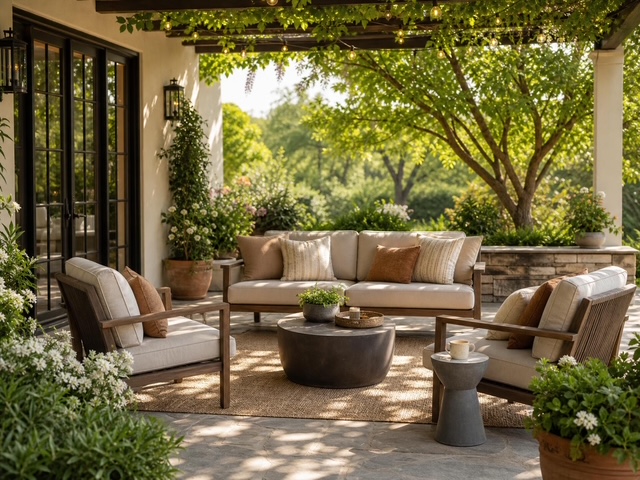
A well-designed outdoor seating area extends the home into the open air, supporting everything from quiet mornings with coffee to lively evening gatherings. Achieving lasting comfort and durability takes more than picking out attractive furniture—it depends on layout, shade, materials, and soft furnishings all working together. Soft furnishings such as seat cushions and outdoor pillows add comfort, color, and support, and they play a meaningful role in making outdoor spaces inviting over time. One family I know transformed a rarely used patio simply by adding shade and swapping thin, faded cushions for supportive ones—proof that small adjustments can significantly increase how often a space actually gets used. This guide walks through assessing your space, choosing seating, selecting fabrics, maintaining textiles, and adding personal style.
Understanding Your Outdoor Space and How You Use It
Assessing Purpose and Patterns of Use
Think about how you actually use the space: quiet reading, family dinners, or entertaining a crowd. A "conversation corner" calls for clustered, movable chairs, while a dining-focused deck benefits from fixed seating zones with a clear traffic flow. Designers often recommend mapping out distinct zones—conversation, dining, lounging—as a simple way to improve both comfort and function.
Evaluating Environmental Factors
Sun exposure, wind direction, and rainfall patterns should guide where furniture goes and what it's made of. Shade from trees, pergolas, or umbrellas protects both people and fabrics alike. Drainage matters too, especially near pools or in humid climates.
Key takeaway: Assess sun, shade, and moisture patterns before choosing fabrics or cushions.
Choosing Comfortable, Supportive Seating
Ergonomics of Outdoor Furniture
Supportive seating comes down to seat height, depth, and back angle. Lounge chairs favor deep seats and reclined backs, while dining chairs need more upright support. Testing seating firsthand—feet flat, knees comfortable, back supported—does more to ensure long-term comfort than visual appeal ever could.
Balancing Structure and Softness
Sturdy frames provide the stability; cushions and pillows supply the comfort. How well they perform depends on foam density, thickness, and shape just as much as how many you use.
Seats: firmer, medium-density foam for support
Backs: softer foam or fiber fill for relaxation
Selecting Durable Outdoor Fabrics and Fillings
Weather-Resistant Fabrics
Look for UV-resistant fabric, water repellency, and mold-resistant cushions. Solution-dyed acrylics and polyester blends are commonly cited in outdoor guides for their fade resistance and overall durability.
Inside the Cushion
Quick-drying, open-cell foam lets moisture escape, which cuts down on mildew risk. Quality stitching, outdoor-rated thread, and drainage vents matter just as much as the fabric on the outside.
Caring for Outdoor Textiles to Extend Their Life
Routine Maintenance
Brush off debris regularly, spot-clean with mild soap, and follow the care label whenever possible. Store cushions in ventilated containers during the off-season to keep moisture from getting trapped inside.
Protecting Against Sun, Rain, and Wear
Rotate cushions now and then to prevent uneven fading, and dry them promptly after a rainstorm.
Key takeaway: Regular cleaning, protective covers, and seasonal storage extend textile life.
Adding Style and Personality Without Sacrificing Function
Color, Texture, and Pattern
A cohesive color palette across furniture and plantings creates a calm, unified feel, while contrasting tones can highlight a focal point. Mixing textures—smooth metal against woven rattan, for instance—adds inviting textures underfoot and at hand.
Thoughtful Use of Soft Accessories
Choose washable, durable throws and pillows, but resist the urge to over-accessorize. Keep textiles clear of walkways and fire pits, and secure loose items when the wind picks up.
Making Your Outdoor Seating Area Truly Livable
A successful outdoor seating area balances comfort, durability, and personal expression. Start small—reassess your shade, upgrade a few key textiles, or rearrange seating zones—rather than trying to overhaul everything at once.
Key takeaways:
- Understand your environment and how you use it.
- Invest in comfort-focused seating and weather-ready textiles.
- Maintain and protect your outdoor fabrics for longer life.
Latest from Haute Living
MILA Gets a Missoni Makeover for Miami Art Week

LPM Boston’s New Brunch Has One Dish Every Bostonian Needs to Try
The Noma Alum Behind Mexico’s Best Restaurant Just Opened in L.A., and He Brought In the City’s Hottest Bar Team