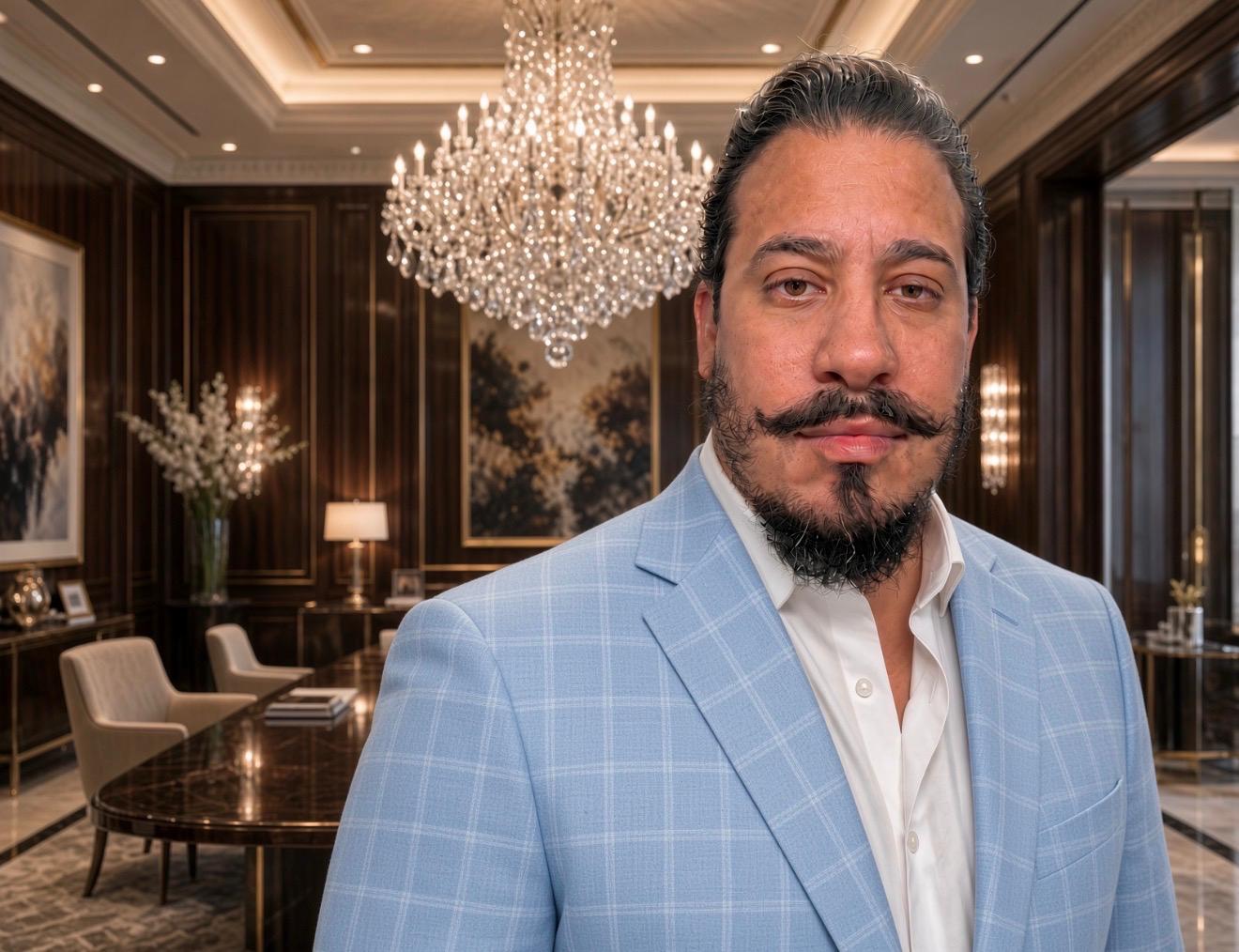
Armando Rubio, Vicapsys CEO, on Pharmaceutical Supply Chain Resilience, U.S. Manufacturing and Expanding Access to Essential Medicines

As pharmaceutical supply chains become an increasingly important economic and national security priority, Vicapsys Life Sciences, Inc. is pursuing a strategy that combines pharmaceutical distribution, domestic manufacturing, and access to underserved healthcare markets.
In an exclusive conversation with Haute Living, Armando Rubio, Chief Executive Officer and Chairman of Vicapsys Life Sciences, discusses his company’s approach to rural medicine access, its plans for Puerto Rico-based manufacturing, the acquisition of NitroMist and VICAPSYN, and an investigational cell-encapsulation approach for Type 1 diabetes.
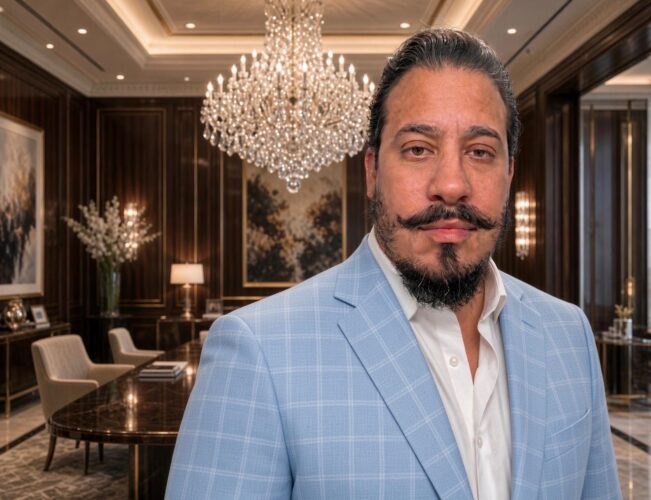
Q: What opportunity did you see in Vicapsys Life Sciences, and how does the company’s strategy address gaps in the pharmaceutical supply chain?
Armando Rubio: We saw an opportunity to vertically integrate pharmaceutical distribution into underserved markets.
Through our wholesale distribution operations in Puerto Rico, we serve more than 400 healthcare accounts and have relationships with approximately 145 to 147 generic manufacturers. Our portfolio ultimately spans more than 15,000 pharmaceutical stock-keeping units.
Our objective is to connect that infrastructure with rural communities, Indian Health Service facilities, Veterans Affairs healthcare channels and other markets where access to reliable pharmaceutical inventory can be challenging. Through a joint venture with a Native American company specializing in government procurement, we are also exploring opportunities to serve tribal healthcare markets.
Q: Why is Puerto Rico central to your domestic manufacturing ambitions?
Rubio: Puerto Rico offers an established pharmaceutical workforce, manufacturing expertise and potential government incentives. The island has a long history in pharmaceutical production, and we believe there is an opportunity to build on that foundation.
We are evaluating a 120,000-square-foot manufacturing facility as part of our expansion strategy. Our objective is to identify products that can be manufactured domestically and distributed through our existing channels. That combination could help address supply-chain inefficiencies across America, all while creating skilled employment opportunities in Puerto Rico.
The economics will depend on manufacturing costs, regulatory requirements, available incentives and our ability to achieve sufficient production volumes.
Incentives can help establish operations, but long-term sustainability requires a commercially viable business.
Q: You recently acquired NitroMist. How does that product fit into the strategy?
Rubio: NitroMist is a nitroglycerin sublingual aerosol spray intended for patients experiencing angina. We acquired the product with the goal of commercializing it and exploring indigenous manufacturing opportunities in Puerto Rico.
Our strategy is to work with pharmacy benefit managers, group purchasing organizations and other distribution partners to improve access. Formulary placement is particularly important because it can influence insurance coverage, out-of-pocket costs and prescribing decisions.
We want to develop a commercialization model that makes the product accessible to patients while remaining economically sustainable. We are also exploring potential applications in emergency medical services, where different package sizes could better suit operational needs. These plans depend on regulatory, commercial and manufacturing considerations.
Q: What role can Vicapsys play in strengthening pharmaceutical supply-chain resilience?
Rubio: We believe domestic manufacturing and dependable distribution must work together. A manufacturer can produce an important medicine, but patients still need a reliable path to receive it.
Our approach is to monitor FDA drug-shortage information, identify products with unmet supply needs and evaluate opportunities to manufacture or commercialize branded generics in the United States. Compliance with the Drug Supply Chain Security Act, product quality and regulatory requirements must remain central to that process.
We see an opportunity to connect domestic production with healthcare markets that are not always well served by conventional distribution models. Success will depend on identifying the right products, securing manufacturing capacity and building sustainable purchasing and distribution relationships.
Q: Beyond pharmaceutical distribution, Vicapsys is also advancing VICAPSYN. What is the potential there?
Rubio: VICAPSYN is an investigational approach intended to address Type 1 diabetes through encapsulated insulin-producing cells. The concept is to protect transplanted cells from immune-system attack, potentially allowing them to produce insulin without the need for immunosuppressive drugs.
Our published pilot study in non-human primates reported encouraging results on immune protection without systemic immunosuppression. However, preclinical findings do not necessarily establish safety or efficacy in humans. Further development and clinical testing will be necessary.
We are evaluating potential manufacturing partnerships to produce an initial batch under current good manufacturing practice standards and determine the appropriate path toward clinical development. We are working to put the licensing and manufacturing arrangements in place to take this forward, and we will have more to say as those are completed.
Q: What will define success for Vicapsys over the next five years?
Rubio: Success means building a compliant, commercially sustainable pharmaceutical platform that improves access to essential medicines while expanding domestic manufacturing. That includes executing our distribution strategy, commercializing products such as NitroMist where feasible and identifying additional opportunities tied to drug shortages.
We also want to advance VICAPSYN responsibly, based on scientific evidence and the appropriate clinical milestones.
In short, the opportunity is to combine infrastructure, strategic partnerships and disciplined execution to address real healthcare needs while creating long-term business value.
Latest from Haute Living

Seia Transforms Into Venice for Halloween With a Masquerade 54 Floors Above Brickell

The Most Opulent Places to Drink Champagne in New York Right Now

What Does a Work of Art Taste Like? Bacchanalia, London’s Most Over-The-Top Restaurant, Is Pouring the Answer