
The One Hotel Worth Booking in 25 of Europe’s Greatest Cities
From Raffles London at The OWO to the Gritti Palace in Venice, this is the one hotel we'd book first in each of Europe's 25 greatest cities.

Europe’s greatest hotels do far more than provide a beautiful place to sleep. They embody their destinations: a former government stronghold in London, a Belle Époque palace beside Madrid’s Prado, a Roman retreat with gardens tumbling toward the Pincian Hill and an Ottoman palace occupying one of the most coveted positions on the Bosphorus. Choosing one hotel to represent each of 26 cities inevitably invites debate, but each property here combines exceptional service, a compelling sense of place and the quality that makes a hotel feel essential to experiencing its city.
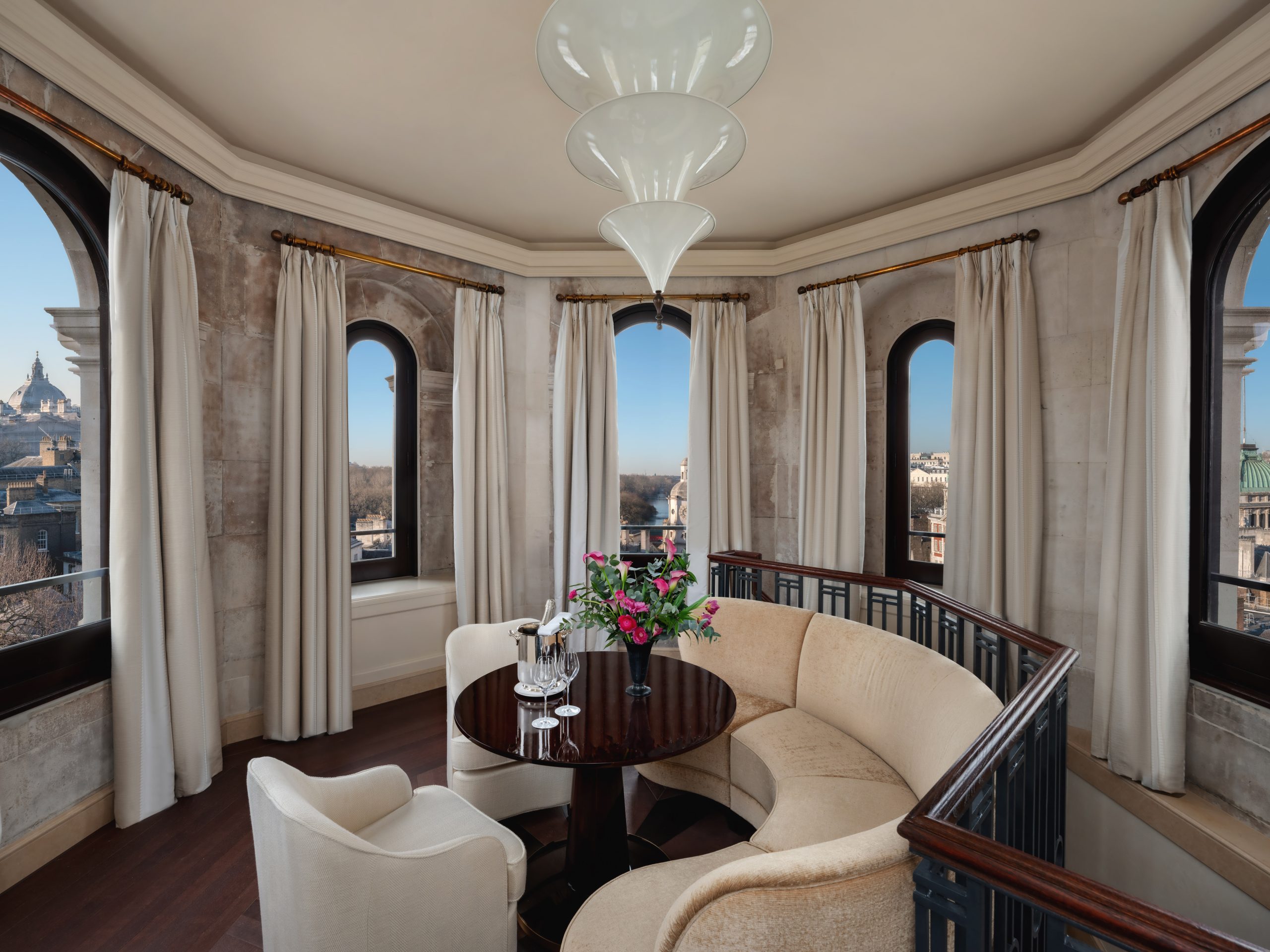
London: Raffles London at The OWO
London has no shortage of legendary hotels, but Raffles London at The OWO has achieved something remarkable: it has created a modern icon inside a building already steeped in history. The former Old War Office, once walked by Winston Churchill and associated with Britain’s intelligence services, has been transformed into an opulent Whitehall address with richly layered interiors, a Guerlain Spa and an ambitious collection of restaurants and bars. The result feels unmistakably British without becoming predictable — a glamorous new expression of London built upon one of its most storied landmarks.
Rome: Hotel de Russie
Hotel de Russie succeeds by feeling simultaneously connected to Rome and removed from it. Set between Piazza del Popolo and the Spanish Steps, the Rocco Forte hotel places guests within walking distance of the city’s essential addresses. Its defining feature, however, is the terraced Secret Garden climbing toward the Pincian Hill. Aperitivo beneath mature trees can make the surrounding city seem impossibly distant. Classical bones, contemporary Italian interiors and an enduring social scene make this the rare hotel that works equally well as an urban sanctuary and a gateway to Rome.
Milan: Bulgari Hotel Milano
Milan’s most convincing luxury is rarely loud, and Bulgari Hotel Milano understands that instinct perfectly. Hidden behind an unassuming façade on a private street near the Brera district, the hotel pairs rigorous Italian design with the intimacy of a private residence. Dark woods, stone, silk and meticulously edited contemporary furnishings establish a sense of restrained glamour, while the garden remains one of the city’s loveliest places for an aperitivo. It is fashionable without chasing trends and exclusive without relying on spectacle — the very definition of Milanese luxury.
Florence: Villa San Michele, A Belmond Hotel
Perched above Florence in the hills of Fiesole, Villa San Michele offers what no hotel in the historic center can: Renaissance beauty accompanied by space, gardens and panoramic views across the city. Its façade is traditionally attributed to Michelangelo, while the former monastery’s loggias, frescoes and secluded grounds lend the property a contemplative quality. Florence’s artistic treasures remain within easy reach, but returning to this elevated retreat creates an essential separation from the crowds below. It is less a conventional city hotel than an exquisite vantage point from which to experience Florence.
Venice: The Gritti Palace
Venice demands a hotel with history, atmosphere and a certain unapologetic grandeur. The Gritti Palace delivers all three. Occupying a 15th-century palazzo on the Grand Canal, the hotel surrounds guests with Murano glass, Rubelli fabrics, antiques and artworks that feel accumulated rather than installed. Its position opposite the Basilica di Santa Maria della Salute creates some of the city’s most romantic views, particularly from the terrace of Club del Doge. Many Venetian hotels are beautiful. The Gritti possesses the deeper sense that generations of stories remain embedded in its walls.
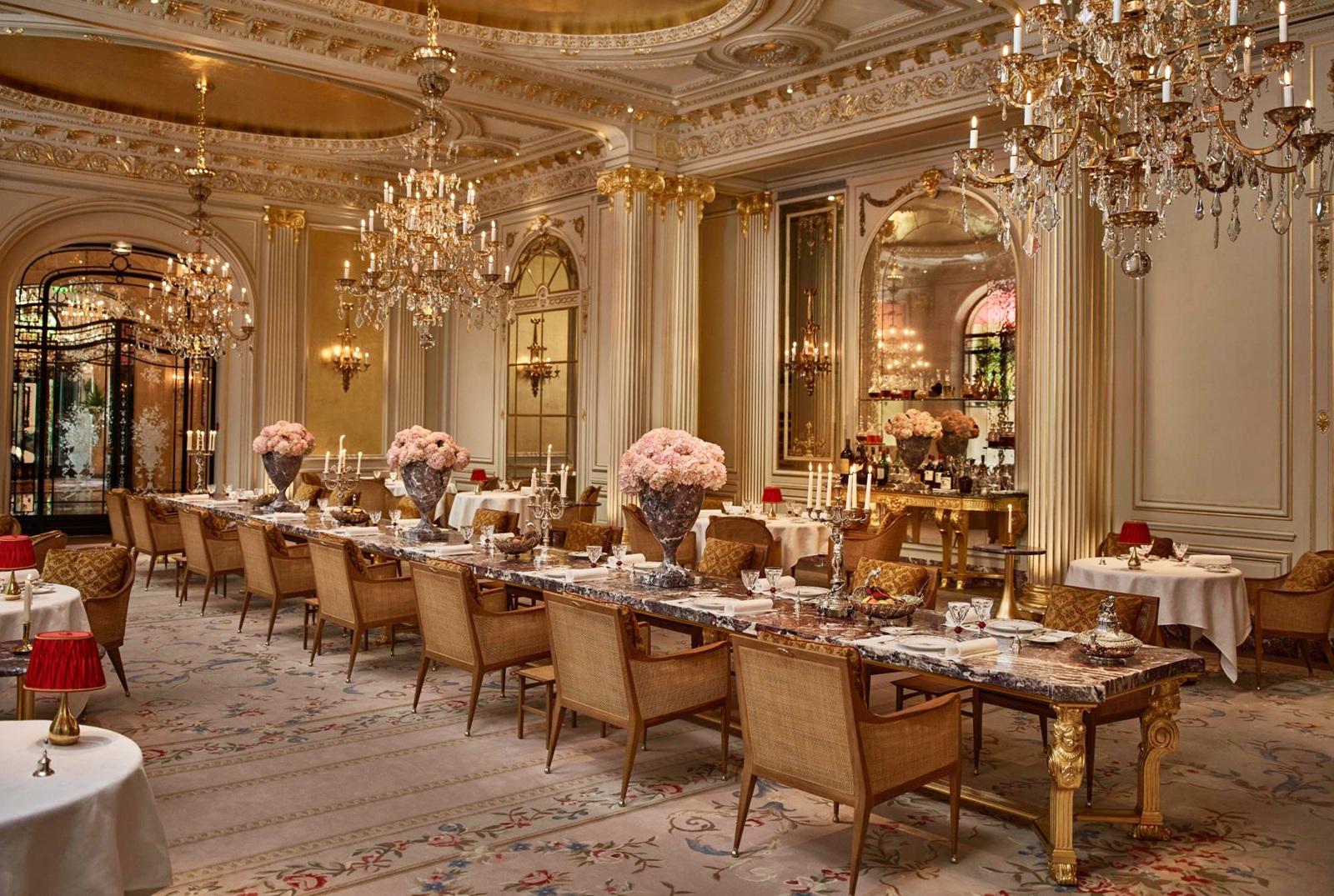
Photo Credit: Dorchester Collection
Paris: Hôtel Plaza Athénée
Few hotels are as intimately connected to the fantasy of Paris as Hôtel Plaza Athénée. Its red geraniums, striped awnings and position on Avenue Montaigne place guests at the center of the city’s couture universe, while the Eiffel Tower views provide the cinematic flourish. The hotel balances haute-fashion glamour with genuine warmth, from its Dior Spa to the silver banquettes and crystal chandeliers of Le Relais Plaza. Paris offers grander palaces and newer arrivals, but none captures fashion, romance and polished Parisian theater quite like Plaza Athénée.
Barcelona: Mandarin Oriental, Barcelona
Mandarin Oriental, Barcelona brings a sense of calm to one of the city’s most energetic addresses. Entered from Passeig de Gràcia by an elevated walkway, the hotel unfolds as a serene modern sanctuary behind a mid-century façade. Patricia Urquiola’s interiors introduce creamy tones, metallic screens and sculptural forms, while the rooftop pool overlooks the surrounding cityscape. Add moments-away access to Gaudí landmarks and high-fashion boutiques, along with destination dining and an expansive spa, and this remains Barcelona’s most complete luxury address.
Lisbon: Four Seasons Hotel Ritz Lisbon
Four Seasons Hotel Ritz Lisbon combines old-world ceremony with one of the city’s most compelling art collections. Built during the 1950s, the hotel blends Art Deco and Louis XVI influences with Portuguese artwork, monumental tapestries and sweeping views over Eduardo VII Park. Its rooftop running track offers an unusually cinematic perspective over Lisbon, while CURA brings contemporary culinary energy downstairs. New boutique hotels may provide a more intimate experience, but none matches the Ritz for service, scale, cultural depth and the lingering glamour of a true European grand hotel.
Amsterdam: Waldorf Astoria Amsterdam
Six adjoining 17th- and 18th-century canal houses form Waldorf Astoria Amsterdam, giving the hotel both a prestigious Herengracht address and an unusually residential atmosphere. Inside, a grand staircase attributed to architect Daniel Marot, restored period details and graceful rooms evoke the city’s merchant-era elegance. Behind the houses, a private garden — among the largest enclosed gardens in central Amsterdam — creates an unexpected pocket of tranquility. The hotel feels refined but never overly formal, capturing Amsterdam’s particular ability to make historic grandeur feel intimate.
Berlin: Hotel Adlon Kempinski
Facing the Brandenburg Gate, Hotel Adlon Kempinski occupies a position no other Berlin hotel can rival. The original Adlon opened in 1907 and became a gathering place for royalty, politicians, artists and film stars before being largely destroyed during the Second World War. Its modern incarnation continues that legacy with imposing public spaces, highly polished service and immediate access to Unter den Linden. Berlin’s newer hotels may better capture its experimental edge, but the Adlon remains the city’s symbolic address — the hotel that makes a stay feel connected to Berlin’s turbulent and fascinating history.
Madrid: Mandarin Oriental Ritz, Madrid
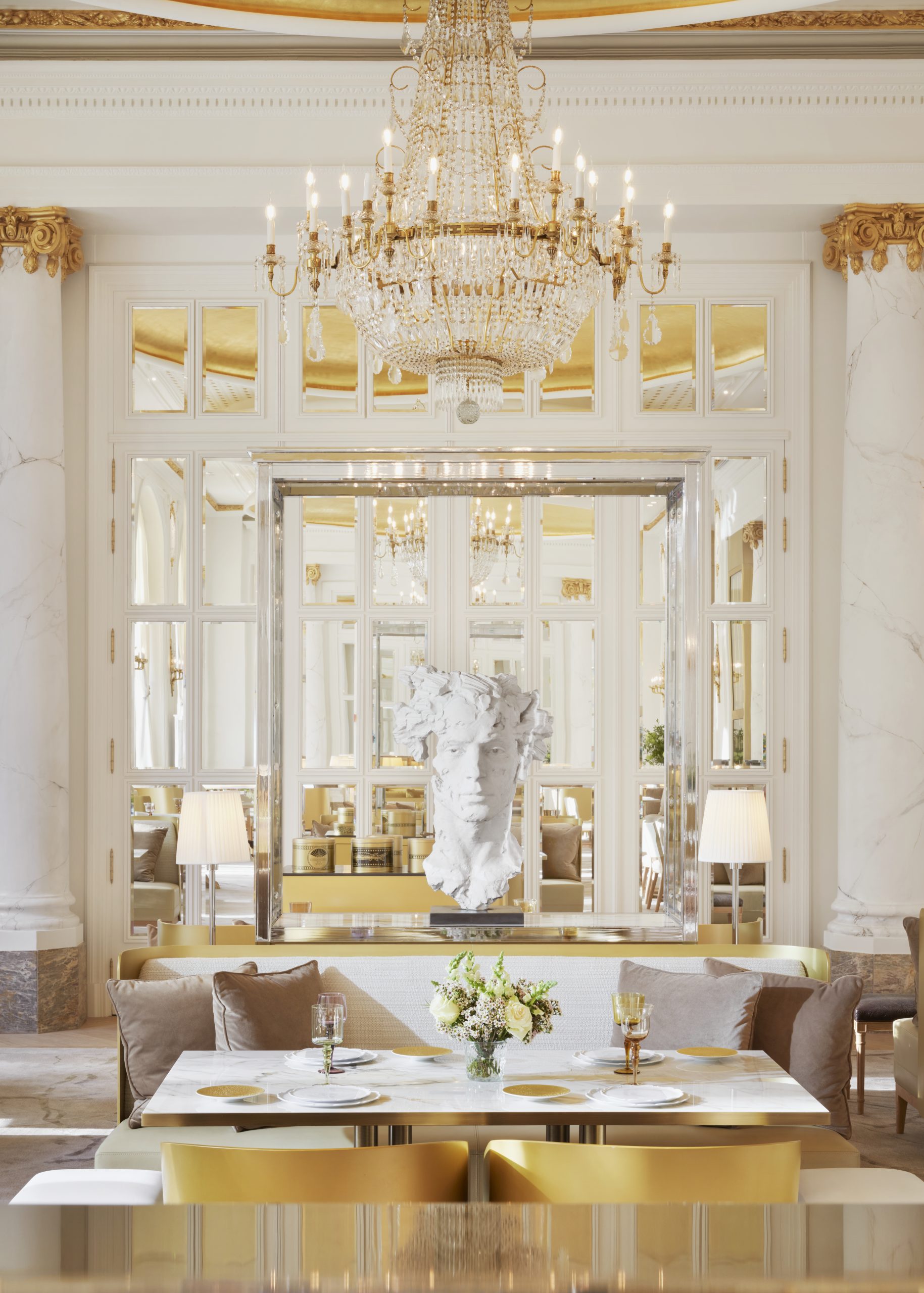
Madrid’s defining hotel occupies a Belle Époque palace beside the Prado Museum and Retiro Park, placing guests within the city’s Golden Triangle of Art. Following its meticulous restoration, Mandarin Oriental Ritz, Madrid emerged lighter and more contemporary without sacrificing its historic identity. The Palm Court once again anchors the property beneath its restored glass canopy, while chef Quique Dacosta oversees its culinary offerings, including the two-Michelin-starred Deessa. Art, history, gastronomy and polished service converge here in a way that makes the hotel feel inseparable from Madrid itself.
Vienna: Palais Coburg
Vienna’s palace hotels tend toward magnificent scale; Palais Coburg offers something more private. The 19th-century residence sits atop medieval fortifications and contains only suites, giving it the atmosphere of an aristocratic hideaway rather than a traditional grand hotel. Restored architectural details coexist with spacious contemporary accommodations, while its celebrated wine cellars contain an extraordinary international collection. For travelers who want imperial Vienna without the lobby crowds, Palais Coburg delivers discretion, culinary credibility and a palpable connection to the city’s past.
Prague: Four Seasons Hotel Prague
Positioned beside the Vltava River, moments from Charles Bridge, Four Seasons Hotel Prague occupies four interconnected buildings spanning Renaissance, Baroque, Neoclassical and contemporary architecture. That architectural layering mirrors Prague itself. River-facing accommodations frame views of Prague Castle and the historic skyline, while the hotel’s central location makes much of the Old Town accessible on foot. Refined service and a feeling of calm provide relief from the city’s busiest streets, but the views remain the decisive advantage: Prague’s most romantic landmarks seem almost close enough to touch.
Copenhagen: Hotel d’Angleterre
Hotel d’Angleterre has presided over Kongens Nytorv since the 18th century, yet it feels far from preserved in amber. The grand façade and crystal-lit interiors supply the requisite ceremony, while spacious rooms, destination dining and a rare indoor pool bring the experience firmly into the present. Its location places Nyhavn, the Royal Danish Theatre and Copenhagen’s principal shopping streets within immediate reach. Elegant, assured and deeply embedded in the city’s social history, d’Angleterre remains Copenhagen’s definitive luxury hotel.
Stockholm: Grand Hôtel Stockholm
Overlooking the Royal Palace and Gamla Stan, Grand Hôtel has welcomed guests to Stockholm’s waterfront since 1874. Its location alone would make it a contender, but the hotel’s combination of historic salons, contemporary Nordic accommodations, destination restaurants and the waterside Nordic Spa & Fitness secures its position. The property also possesses the energy of a hotel that remains relevant to its own city rather than existing solely for visitors. Stockholm’s modern design hotels may be cooler; Grand Hôtel offers the more complete — and distinctly Swedish — experience.
Athens: Four Seasons Astir Palace Hotel Athens
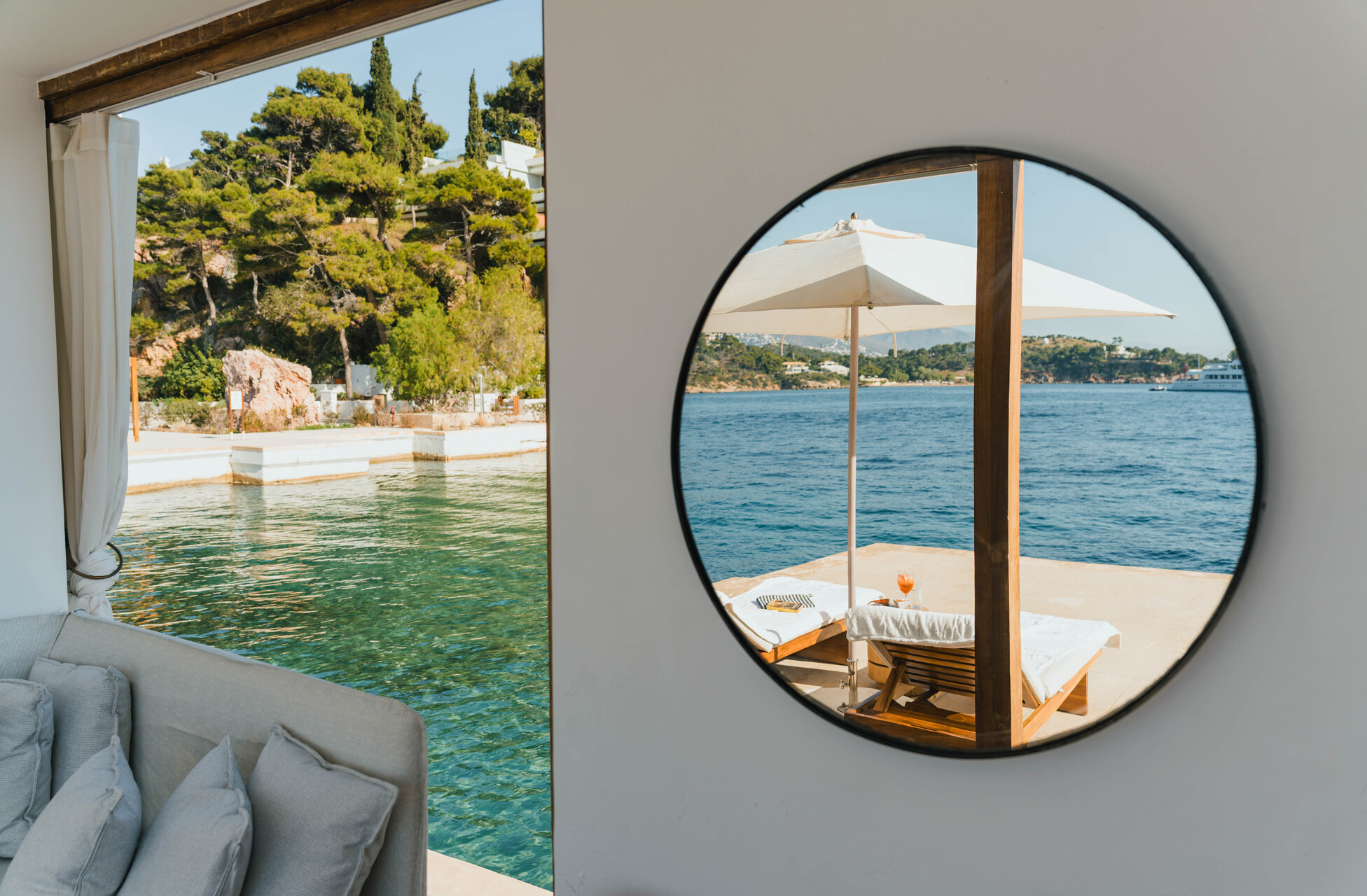
The best hotel associated with Athens is not in the historic center, and that is precisely its appeal. Four Seasons Astir Palace occupies a 30-hectare peninsula in Vouliagmeni, approximately 30 minutes from the Acropolis. Three private beaches, pine-covered grounds, a collection of restaurants and the adjacent superyacht marina transform an Athens trip into a true Riviera escape. The resort’s bungalows preserve the glamour of the original 1960s Astir Palace while modern rooms and suites frame uninterrupted Aegean views. Choose it when the ideal itinerary combines antiquity by day with the sea at sunset.
Istanbul: Çırağan Palace Kempinski Istanbul — The Palace Suites
Çırağan Palace Kempinski occupies a former Ottoman imperial palace directly on the Bosphorus, but the distinction between its accommodations matters. The hotel building offers excellent rooms and expansive water views; the true prize is one of the 11 suites inside the historical Palace itself. High ceilings, tall sash windows, exceptional privacy and round-the-clock butler service create an experience worthy of the setting. The Sultan Suite, measuring more than 4,900 square feet, provides a particularly extraordinary interpretation of palace living. This is Istanbul at its most theatrical — and its most exclusive.
Dublin: The Shelbourne
Overlooking St. Stephen’s Green, The Shelbourne has been woven into Dublin’s social and political life since 1824. The Irish Constitution was drafted inside the hotel, but history is only part of its appeal. The Horseshoe Bar remains one of the city’s great gathering places, afternoon tea brings a sense of occasion and the location places Grafton Street and many of Dublin’s cultural landmarks close at hand. The Shelbourne is lively, polished and unmistakably Dublin — a grande dame that still participates in the life of the city around it.
Edinburgh: The Balmoral
The Balmoral’s clock tower rises above Princes Street beside Waverley Station, making the hotel one of Edinburgh’s most recognizable landmarks. Originally opened as a railway hotel, it retains the romance of grand arrivals while providing immediate access to both the Old and New Towns. Tartan accents, Scottish artwork, a serious whisky bar and views toward Edinburgh Castle establish an unmistakable sense of place. The Balmoral is formal without feeling remote and central without sacrificing atmosphere — the natural address for a first-rate Edinburgh stay.
Zurich: The Dolder Grand
High above Zurich, between the city and the forest, The Dolder Grand feels like a resort suspended over an urban landscape. The historic turreted building is joined by contemporary wings designed by Foster + Partners, creating a striking dialogue between Belle Époque grandeur and modern architecture. A significant art collection, expansive spa and views stretching across Zurich, its lake and the Alps make the hotel a destination in its own right. The city center remains accessible, but the Dolder’s sense of remove is exactly what gives it its power.
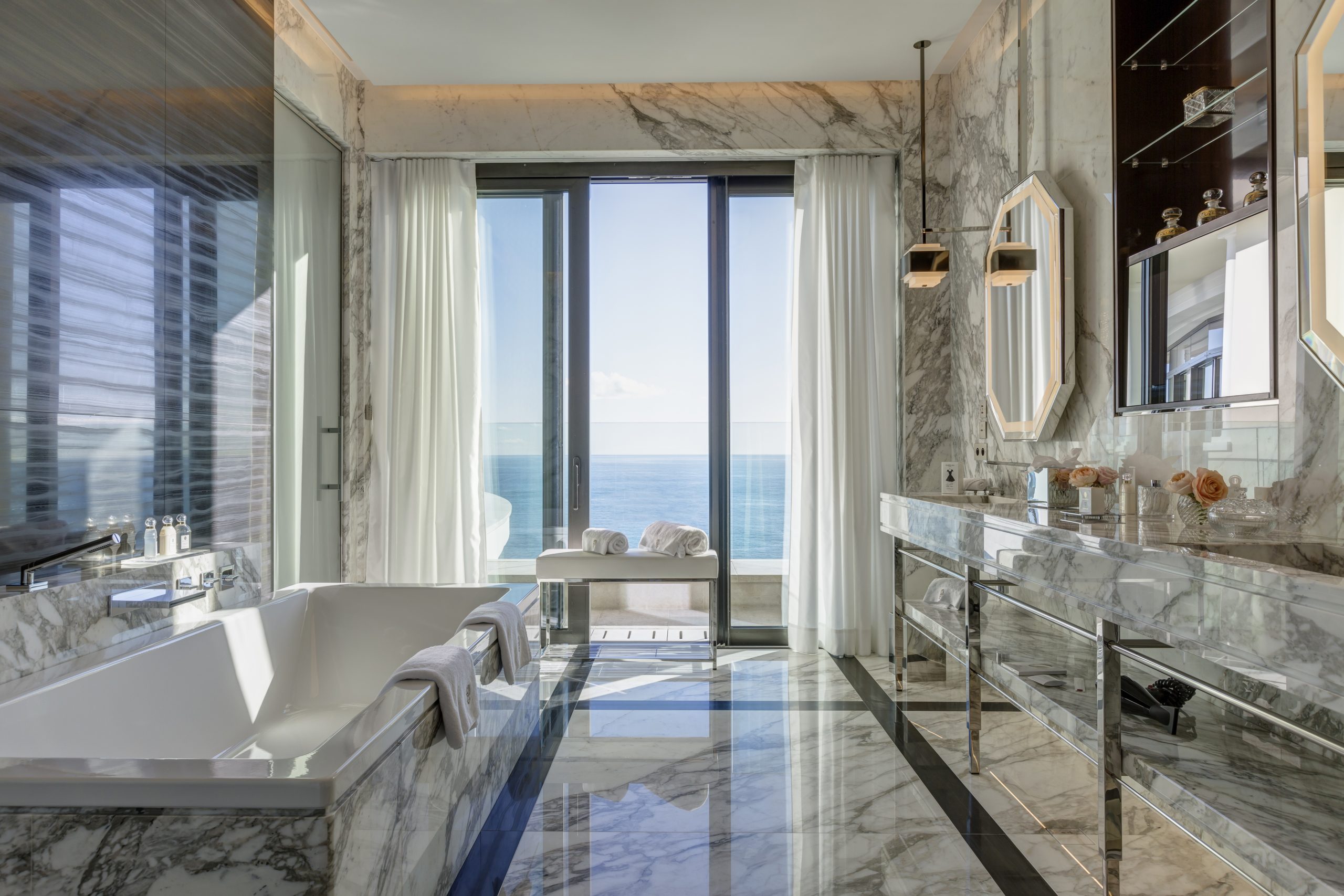
Monaco: Hôtel de Paris Monte-Carlo
Monaco’s definitive hotel stands beside Casino de Monte-Carlo at the center of Carré d’Or. Hôtel de Paris Monte-Carlo embodies the principality’s particular version of luxury: grand, polished and designed to make every arrival feel observed. Lavish suites overlook Casino Square or the Mediterranean, while Le Louis XV–Alain Ducasse à l’Hôtel de Paris remains one of Europe’s landmark dining rooms. Access to the Thermes Marins Monte-Carlo and Monte-Carlo Société des Bains de Mer’s wider resort world adds considerable depth. In a destination built upon spectacle, this remains the main stage.
Geneva: The Woodward, Auberge Collection
The Woodward brings a more intimate expression of luxury to Geneva’s lakefront. Housed in a post-Haussmann building dating to 1901 and reimagined by Pierre-Yves Rochon, it is the city’s first all-suite hotel. Residential accommodations face Lake Geneva and Mont Blanc, while Guerlain wellness and L’Atelier Robuchon — Geneva’s only two-Michelin-starred restaurant — allow the property to compete well beyond its modest scale. The Woodward does not attempt to overwhelm. Its appeal lies in privacy, precision and the feeling of possessing an exceptionally elegant residence on the lake.
Budapest: The St. Regis Budapest
The St. Regis Budapest made its debut in 2026 inside the historic Klotild Palace, immediately introducing a formidable new contender to the city’s luxury landscape. Positioned near the Danube at the entrance to Váci Street, the hotel pairs the palace’s neo-Baroque architecture with the brand’s signature rituals, butler service and cultivated sense of occasion. Its newness means it has not accumulated the decades of mythology surrounding some of Budapest’s grande dames. What it offers instead is the city’s most polished new expression of old-world glamour.
Munich: Rosewood Munich
Rosewood Munich occupies two restored landmark buildings in the heart of the Old Town, steps from Marienplatz and Maximilianstrasse. Since opening in 2023, it has brought a distinctly contemporary level of luxury to the Bavarian capital while respecting the character of its historic setting. Locally commissioned art, preserved architectural elements, residentially styled rooms and houses, Asaya Spa and the convivial Bar Montez create a hotel that feels connected to modern Munich — not merely decorated with Bavarian references. It is grand where it should be and relaxed where it counts.
Reykjavík: The Reykjavík EDITION
Set beside the Old Harbour and the Harpa Concert Hall, The Reykjavík EDITION introduced a genuinely cosmopolitan hotel experience to the Icelandic capital. Dark volcanic materials, warm woods, faux-fur throws and floor-to-ceiling windows create interiors that feel connected to Iceland without leaning into obvious Nordic tropes. Its restaurants and bars also give Reykjavík something previously missing: a luxury hotel with a convincing nightlife component. Harbor views, a central location and a penthouse overlooking the surrounding water make it the clear choice for experiencing the city in style.
Read More
For more of Haute Living‘s hotel coverage, browse our running guide to the best luxury hotels in the cities we cover.
through Haute Black.
Haute Living access. Two decades inside the world’s best hotels.
Virtuoso partner. Upgrades & VIP arrival at 1,200+ properties.
One advisor. Who knows you by name.
Frequently Asked Questions
Which hotel has the largest suite?
The Sultan Suite at Çırağan Palace Kempinski Istanbul, inside the historic Ottoman palace itself, measures more than 4,900 square feet.
Which hotel has the most historical significance beyond hospitality?
The Shelbourne in Dublin, where the Irish Constitution was drafted inside the hotel in 1922.
Which hotel is Geneva's only all-suite property?
The Woodward, Auberge Collection, a 1901 building reimagined by Pierre-Yves Rochon with just 26 residential-style suites facing Lake Geneva and Mont Blanc.
What is the newest luxury hotel on this list?
The St. Regis Budapest, which debuted in 2026 inside the historic Klotild Palace near the Danube, followed by Rosewood Munich, which opened in 2023.
Latest from Haute Living
The Palm Beach Steakhouses Worth Booking Before Season Starts

Au Naturel: Inside Louis Vuitton’s Fall-Winter 2026 Men’s Story

DJ Khaled Announces 2026 We The Best Foundation Jordan Golf Classic in Miami
