The Only Place You Can Swim With Sperm Whales Has Written Their Protection Into Law
Dominica is creating the world’s first marine reserve dedicated to sperm whales, protecting its resident population while redefining luxury nature tourism.
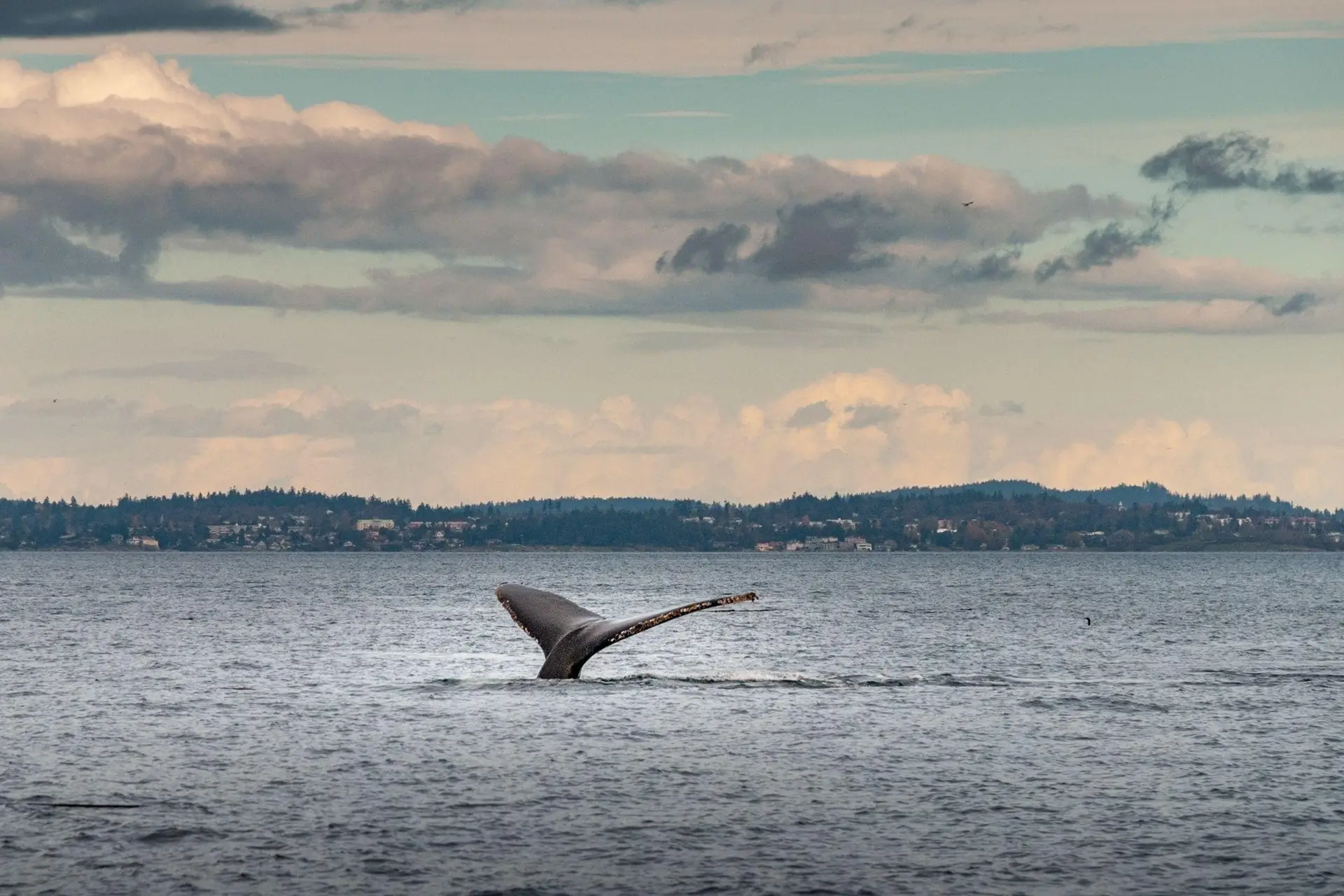
Dominica is about to do something no other nation has done. In the waters off its western coast, where roughly 200 sperm whales live year-round, the government, under the leadership of Prime Minister Roosevelt Skerrit, is creating the world’s first marine reserve built specifically to protect them. When National Geographic named the island to its Best of the World list for 2026, it pointed to that decision, not the beaches or the new resorts, as the reason Dominica earned the recognition.
The reserve is expected to take effect in 2026 and will cover close to 800 square kilometres of sea, according to National Geographic. Within its boundaries, activity that would disturb the animals is to be limited, and the number of people allowed into the water will be managed. Swimming alongside the whales remains possible. It simply happens on the reserve’s terms, not the visitor’s.
Protection Before the Crowd, Not After
The sequence is the unusual part. Most destinations move to protect their wildlife only once tourism has already begun to wear it down. Dominica is drawing the legal line first, while visitor numbers are still rising. Because the whales are resident, the protection covers a population that can be counted, studied and managed over years. Prime Minister Roosevelt Skerrit has called the resident whales “prized citizens of Dominica” and committed to their protection as a matter of national identity rather than a passing policy.
That choice shapes the kind of tourism Dominica is inviting. A regulated reserve cannot absorb unlimited foot traffic. It rewards the traveller willing to plan ahead and to accept that access is a privilege extended under conditions rather than a product available on demand.
A Reputation Built on Restraint
The whale reserve does not stand alone. The 2025 World Travel Awards named Dominica the Caribbean’s Leading Nature Destination. Read together, the recognitions describe an island being praised more for what it refuses to give up. That is an unusual basis for a tourism reputation, and a durable one.
There is hard commercial logic beneath the conservation language. Caribbean destinations that compete on volume tend to converge over time. More rooms, more flights, more cruise berths, until one stretch of developed coastline becomes difficult to tell apart from the next. Scarcity, once it is legally protected, is far harder for a competitor to replicate than another row of beachfront suites or a larger marina.
The whales make the point plainly. They can be seen, on a controlled basis, almost nowhere else under a framework like this one. A traveller cannot swap the experience for a near-identical version two islands away, because the resident population, the reserve and the regulated access exist together in a single place.
None of this guarantees the balance will hold. Reserves demand enforcement, funding and political resolve that has to outlast any single administration. The real test for Dominica will arrive at the moment the strategy succeeds, when demand is high and the temptation to admit a few more boats and a little more revenue becomes hardest to refuse.
For now, the island has done the part that is easiest to respect and hardest to reverse. It has set down its intentions in law before the rush. National Geographic noticed. Most travellers are starting to. The reserve was built, quietly and deliberately, for the ones who eventually will.
Latest from Haute Living

Global Champions Arabians Tour Brings 2026 Americas Final to Las Vegas

Masa Takayama Is Coming Home To Beverly Hills For Five Nights Only — And There Are Only 100 Seats Available
Saddle Up, Buttercup: The 5 Ranch Resorts Making the Wild West Five-Star