London’s Oldest Grand Hotel Has No Business Still Being This Good
The Langham London still runs on the instinct that it started 160 years ago. Here, we take a deep dive into this London classic.
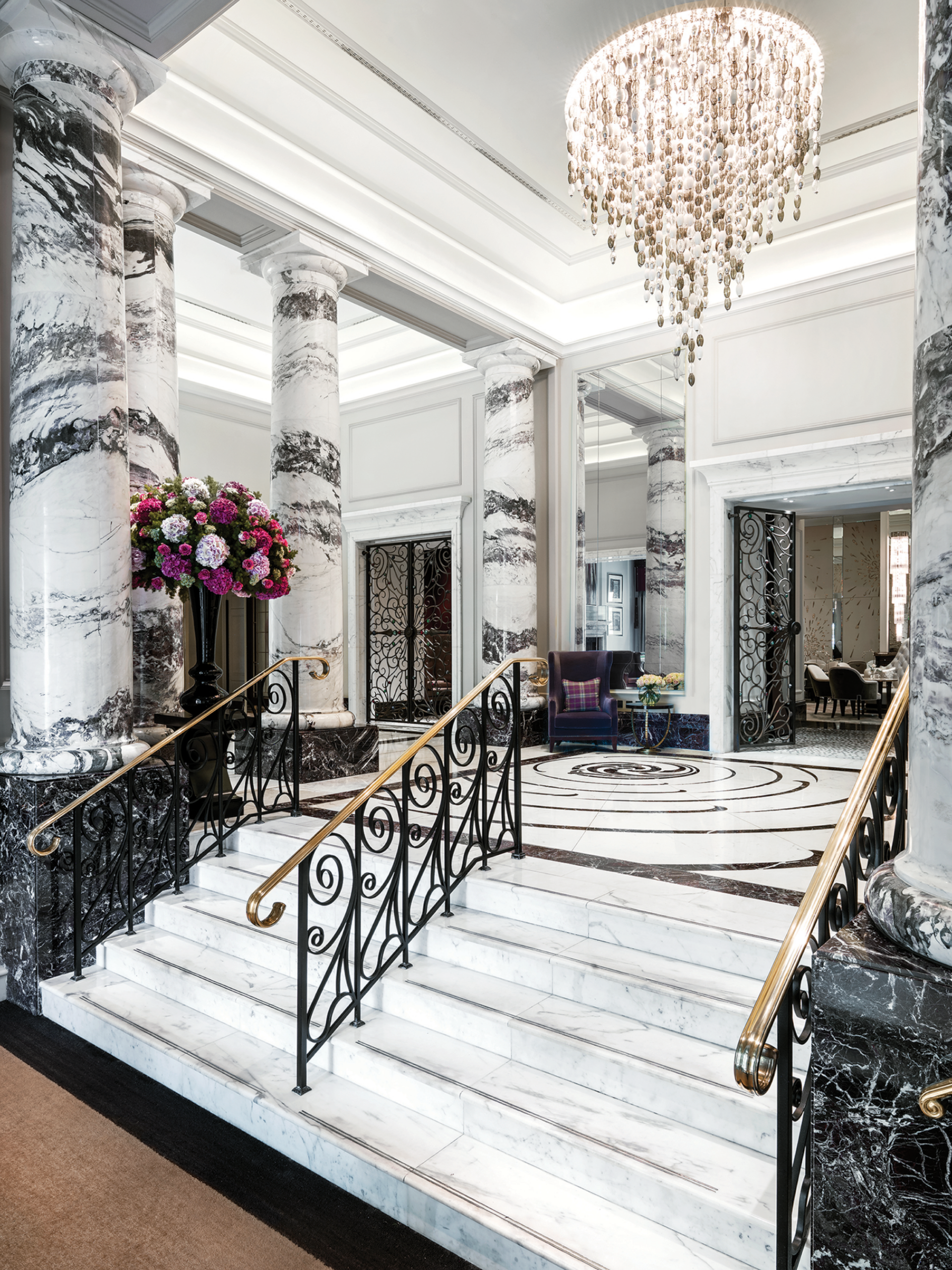
Photo Credit: The Langham London
The Langham, London opened as Europe’s first Grand Hotel on June 10, 1865, with the Prince of Wales cutting the ribbon — and 160 years later, it’s the one grand dame on Regent Street that never quite settled into being a museum piece. This is a hotel that had hydraulic lifts and an early form of air conditioning before most of London had indoor plumbing, that gave the city the entire ritual of afternoon tea inside its Palm Court, that survived a Luftwaffe bombing and a stint as BBC office space, and that still runs a cocktail bar, Artesian, which spent three straight years — 2012 to 2014 — as the actual best bar on the planet, according to Drinks International. I’ve stayed in plenty of hotels that lean on history as a personality substitute. This isn’t one of them.
London’s Original Grand Hotel — And It Knows It
The land under The Langham has an origin story of its own. Architect John Nash bought the site in 1814 and built a 275-foot mansion there, decades before anyone had dreamed up the concept of a “grand hotel.” That mansion came down in 1863, when construction began on what would become the largest building in London — seven stories, roughly 600 rooms, 300 water closets with hot and cold running water, and a construction bill of £300,000 (north of £32 million today). Architects John Giles and James Murray didn’t skimp on the details: 15,000 yards of Persian tapestry, hand-printed wallpaper, and Italian craftsmen imported specifically to cast the plaster relief ceilings and lay mosaic flooring in white, gold and scarlet.
Photo Credit: The Langham London
When the doors finally opened on Saturday, June 10, 1865, the Prince of Wales — later King Edward VII — performed the honors in front of Victorian high society. The innovations were, by the standards of the day, borderline sci-fi: the first hydraulic lifts in England (guests called them “rising rooms”), an early form of air conditioning, and, by 1879, electric lighting. Even the corridors were engineering decisions dressed up as hospitality, built unusually wide so women in enormous Victorian dresses could pass one another without a diplomatic incident. The ironwork on the staircases still carries the hotel’s original “LH” insignia, in case you forget whose house you’re in.
Grand openings, it turns out, don’t guarantee grand balance sheets. Britain’s 1867 economic crisis forced the original ownership company into liquidation, and the Court of Chancery picked up The Langham in 1868 for £155,715 — barely half of what it cost to build. What actually saved the place was an American: a former U.S. military officer named James Sanderson took over as general manager in 1870 and built out an extensive transatlantic clientele so effectively that Langham hotels eventually opened in Boston and California. A London institution, rescued in part by American money, which feels like it should be a bigger story than it is.
From there, the guest list did most of the marketing. Emperor Napoleon III spent part of his exile from France here. Sir Arthur Conan Doyle, a regular, used the hotel as a setting in his Sherlock Holmes stories — in “A Scandal in Bohemia,” a character checks in under a false name at The Langham, which is exactly the kind of detail a frequent guest would think to include. Charles Dickens complained, in print, about how much a Langham dinner cost, then kept coming back for the dinner parties. Mark Twain, conductor Arturo Toscanini, composer Antonín Dvořák, explorer Henry Morton Stanley and the exiled Emperor of Ethiopia, Haile Selassie, all checked in at various points, followed later by Somerset Maugham and Noël Coward. So, more scandalously, did Wallis Simpson, during her very public courtship with the future Edward VIII — a detail the hotel presumably didn’t advertise at the time, but has no trouble mentioning now.
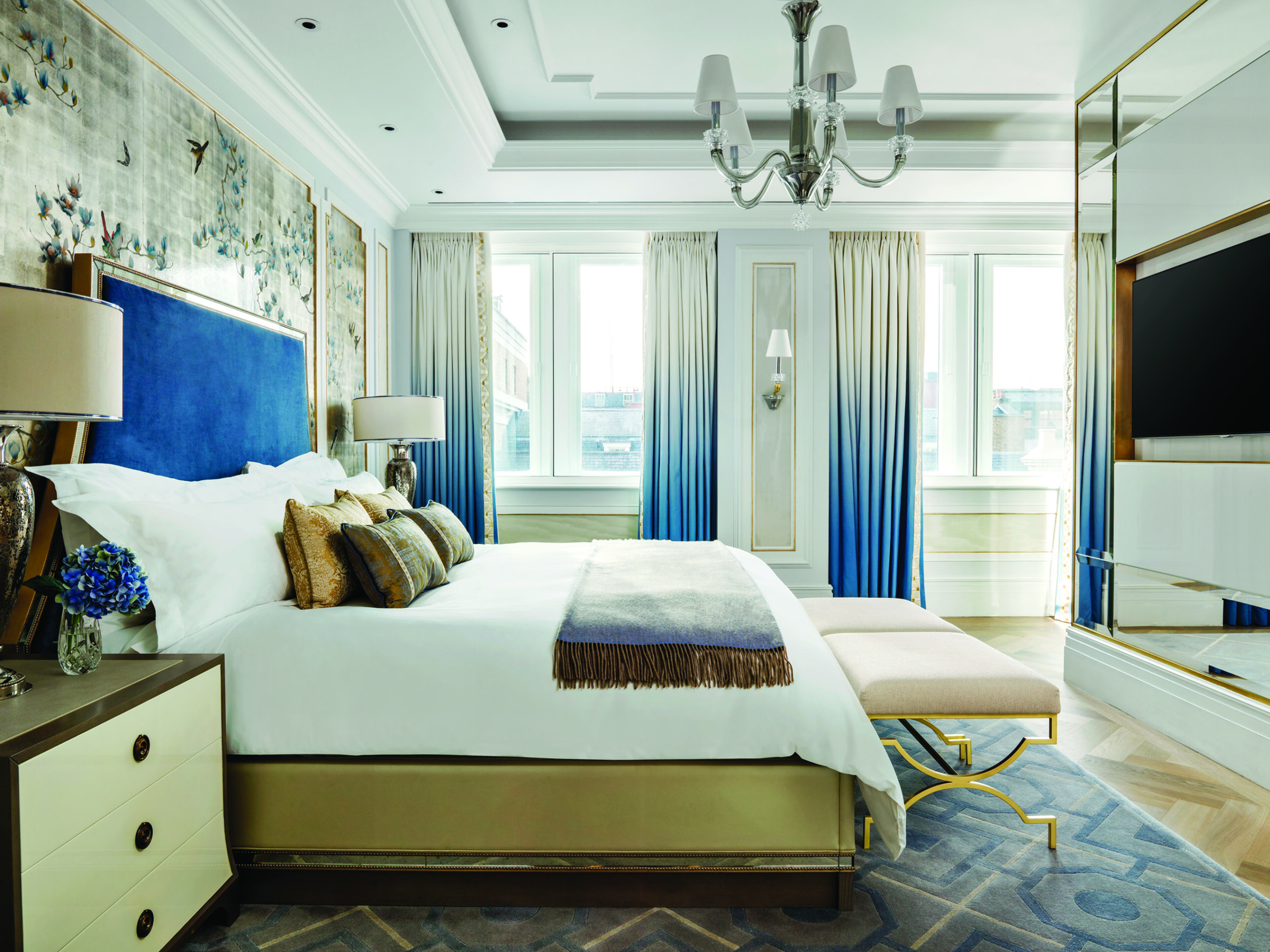
Photo Credit: The Langham London
The hotel’s luck held, barely, through World War I. The Langham was one of the few grand hotels in London not commandeered as a wartime hospital, and its only real interruption came from Zeppelin raids, when guests were asked to shelter in the basement — inconvenient, certainly, but a considerably softer war than most of London had.
World War II was less forgiving. The hotel became a local first-aid and military post, and in December 1940, Luftwaffe bombs destroyed much of the West Wing, rupturing a water tank and flooding the building badly enough to force it shut. The BBC, which had already been circling the property, took a partial tenancy in 1940 for storage, moved offices and recording studios in by 1945, and bought the building outright by the mid-1960s. For two decades, Palm Court didn’t so much serve tea as host the Palm Court Orchestra, broadcasting the BBC radio program “Grand Hotel” — a fittingly on-the-nose title — while The Goons and other BBC comedy acts recorded down the hall.
The hotel didn’t return to being a hotel until 1986, when the BBC sold the building to the Ladbroke Group, which poured roughly £100 million into a refurbishment and reopened it in 1991 as the Langham Hilton — the era in which Diana, Princess of Wales, became a regular visitor. Hong Kong’s Great Eagle Holdings bought the property in 1995, made it the flagship of what’s now Langham Hospitality Group, extended and refurbished it again between 1998 and 2000, then spent roughly five years and £80 million restoring it to something closer to its original form, reopening in 2009. If you’re keeping count, that’s four distinct owners, two wars, one Blitz-level bombing and at least three major refurbishments between the Prince of Wales cutting the ribbon and whatever room you’re currently sitting in.
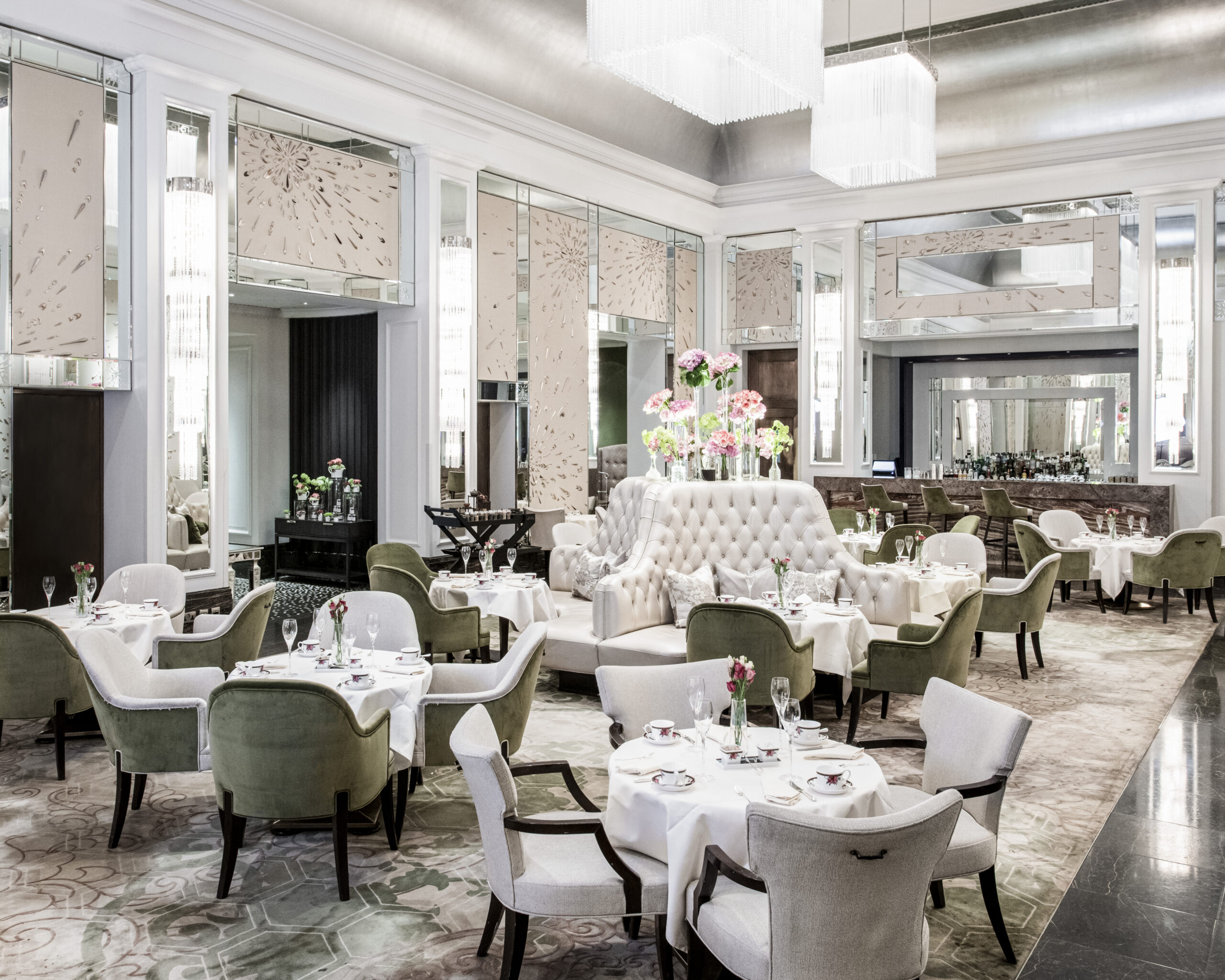
Photo Credit: The Langham London
Which brings us to now: 380 rooms and suites that trade Victorian excess for a more restrained, residential elegance — coming back to your room feels less like re-entering a showpiece and more like coming home, assuming your home has considerably better linens and a doorman. Some guests, admittedly, are living a different fantasy entirely. The Sterling Suite, unveiled for the hotel’s 150th anniversary in 2015, is 4,844 square feet of the kind of excess London doesn’t often admit to wanting: up to six bedrooms, a private butler, custom furniture finished in gold and silver leaf, hand-blown Murano light fixtures, a Home Theatre and a dressing room with hand-painted chinoiserie. The Wedgwood Suite leans into English heritage china; the Infinity Suite comes with a Hästens 2000T bed — nearly 450 pounds and 37 layers of Swedish engineering, for anyone whose priorities are, correctly, about the mattress. Guests booking an Executive Room or above get access to The Langham Club, a lounge modeled on the private members’ clubs of the Victorian era — either a nice touch, or a subtle reminder that London never really stopped being a city obsessed with who gets let into which room.
Location does a lot of quiet work here, too. Regent Street is at the front door, Marylebone and Mayfair and Fitzrovia and Soho form the extended neighborhood, and Oxford Circus is a short walk away — London isn’t just accessible from The Langham, it surrounds it. The hotel even hosts its own share of the city’s romantic milestones: the Middleton Rose Garden, unveiled in 2011, handles summer wedding receptions for up to 250 guests, a short walk from All Souls Church, whose fashionable weddings have been spilling guests into Langham Place for nearly two centuries.
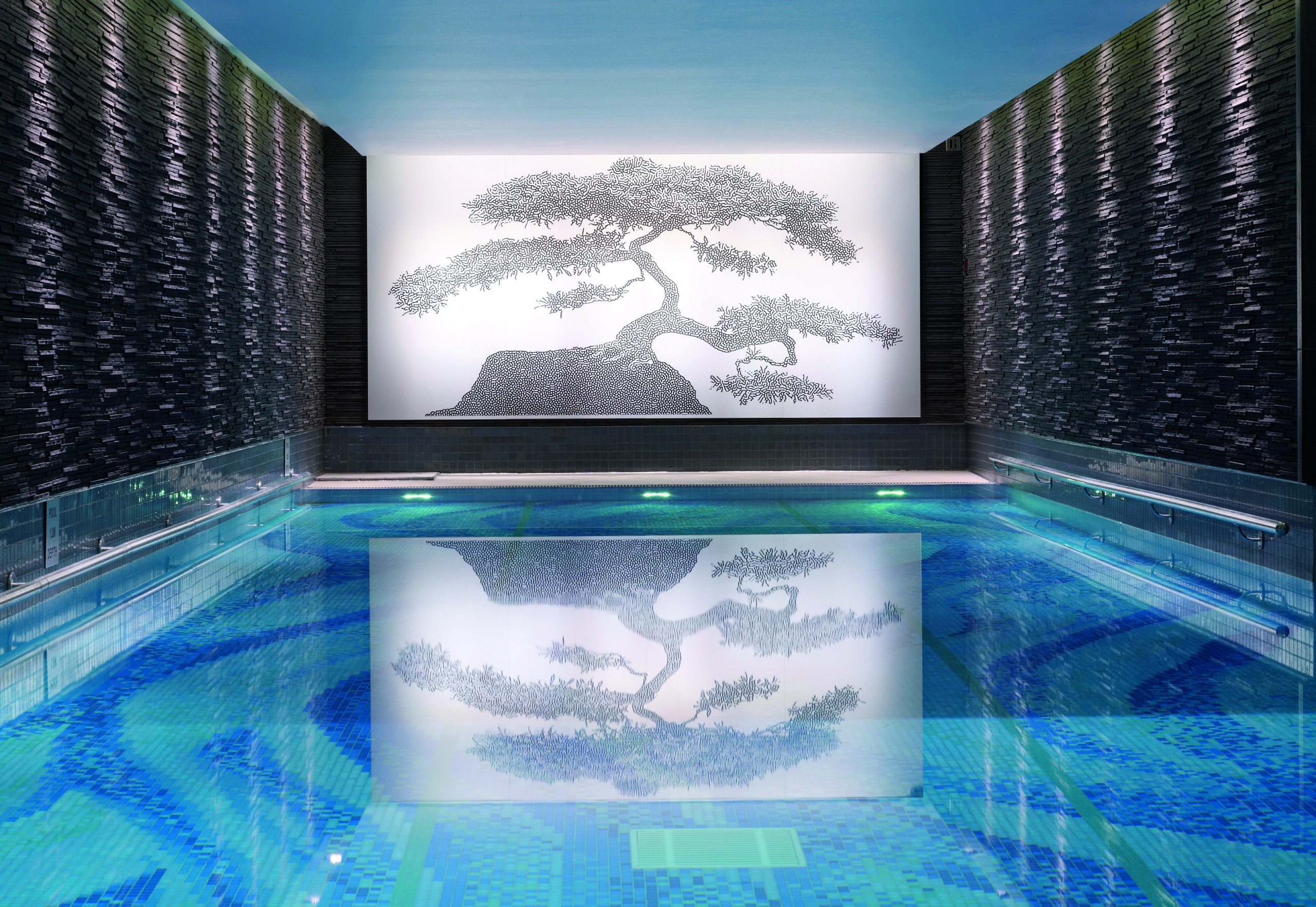
Photo Credit: The Langham London
160 Years Later, Still Not Coasting
For the anniversary itself, Artesian — the hotel’s cult cocktail bar — did what Artesian always does: it turned the milestone into a drink. The limited-edition Purple Velvet reimagines a Victorian-era cocktail with London Dry Gin, lemon, violet liqueur and sugar syrup, topped with Champagne and finished, improbably, with stout caviar, served alongside a Carlingford oyster. It’s a small gesture, but it tells you everything about how this hotel treats its own past: as raw material, not scripture.
That instinct shows up everywhere, starting with Palm Court, which has been synonymous with afternoon tea in London since the ritual first became a public institution here in the 1860s. The ceremony still gets real seriousness: finger sandwiches, warm scones and pastries from Executive Pastry Chef Andrew Gravett — who’s run pastry here since 2017, after training in Normandy at sixteen and touring the world teaching for Valrhona — alongside JING teas, dedicated vegetarian, vegan and gluten-free menus, and a live pianist drifting between classical and jazz. For the 160th anniversary, the hotel even released The Langham Afternoon Tea Book, with a foreword by Michel Roux Jr. and recipes running from the signature scones to a Vanilla & Salted Caramel Millefeuille. Plenty of London hotels do a nice afternoon tea. The Langham can reasonably claim it helped invent the genre, and it’s still publishing cookbooks to prove it.
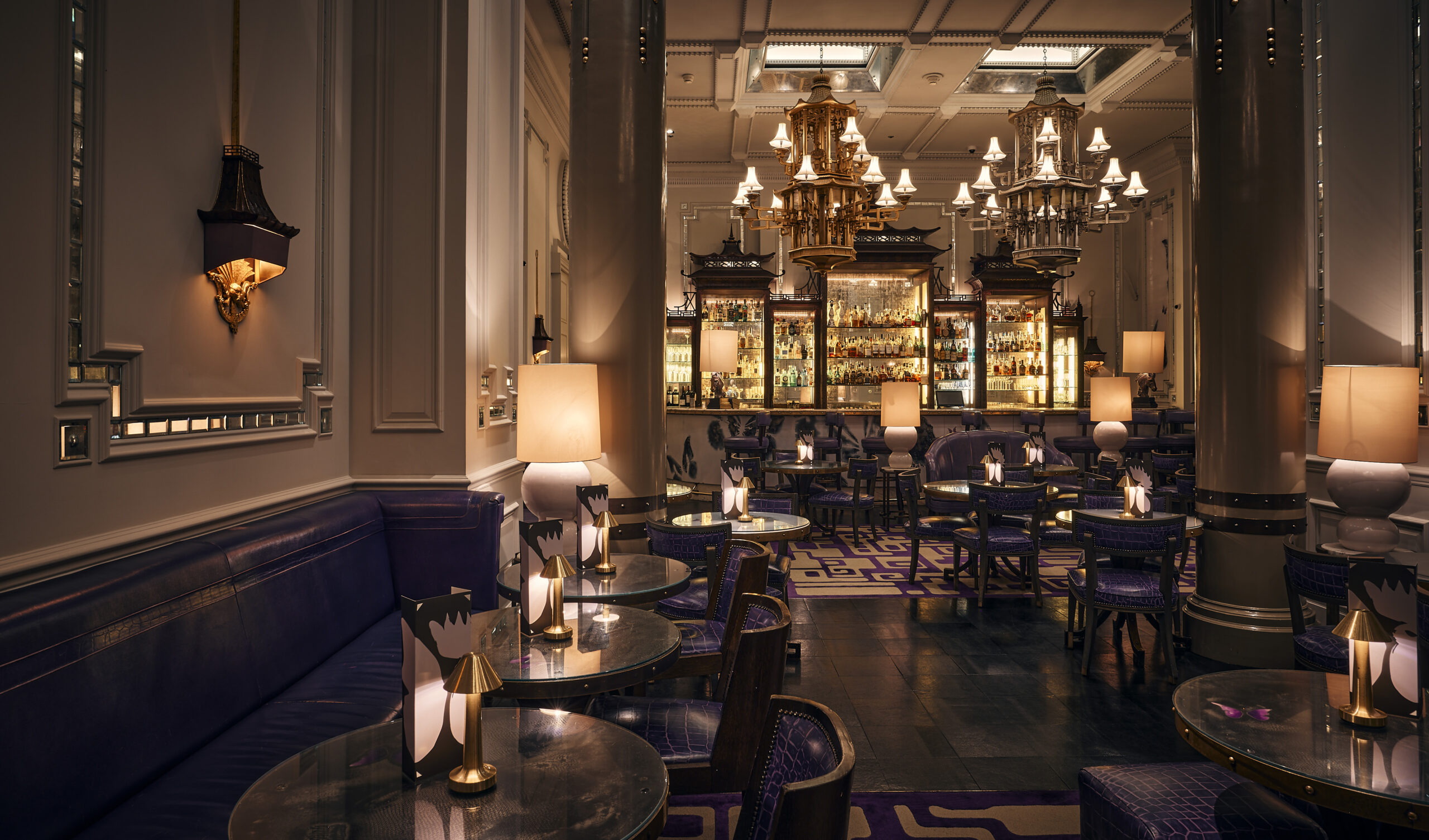
Photo Credit: The Langham London
Then there’s Chuan Body + Soul, the hotel’s subterranean spa, built around principles of Traditional Chinese Medicine inside what used to be a bank vault. A certified TCM specialist is on staff for private consultations and treatments like Ho Guan, or cupping, and the whole experience is designed as a ritual: steam room or sauna, a cold shower, then a long soak in the 16-meter pool — which now sits under the same ceiling that once held someone else’s money — before you’re handed off for treatment. Whether or not you arrive fluent in meridians and the five elements is beside the point. You leave understanding the appeal, and you’ll have found the one place in central London where nobody expects you to be anywhere else for an hour.
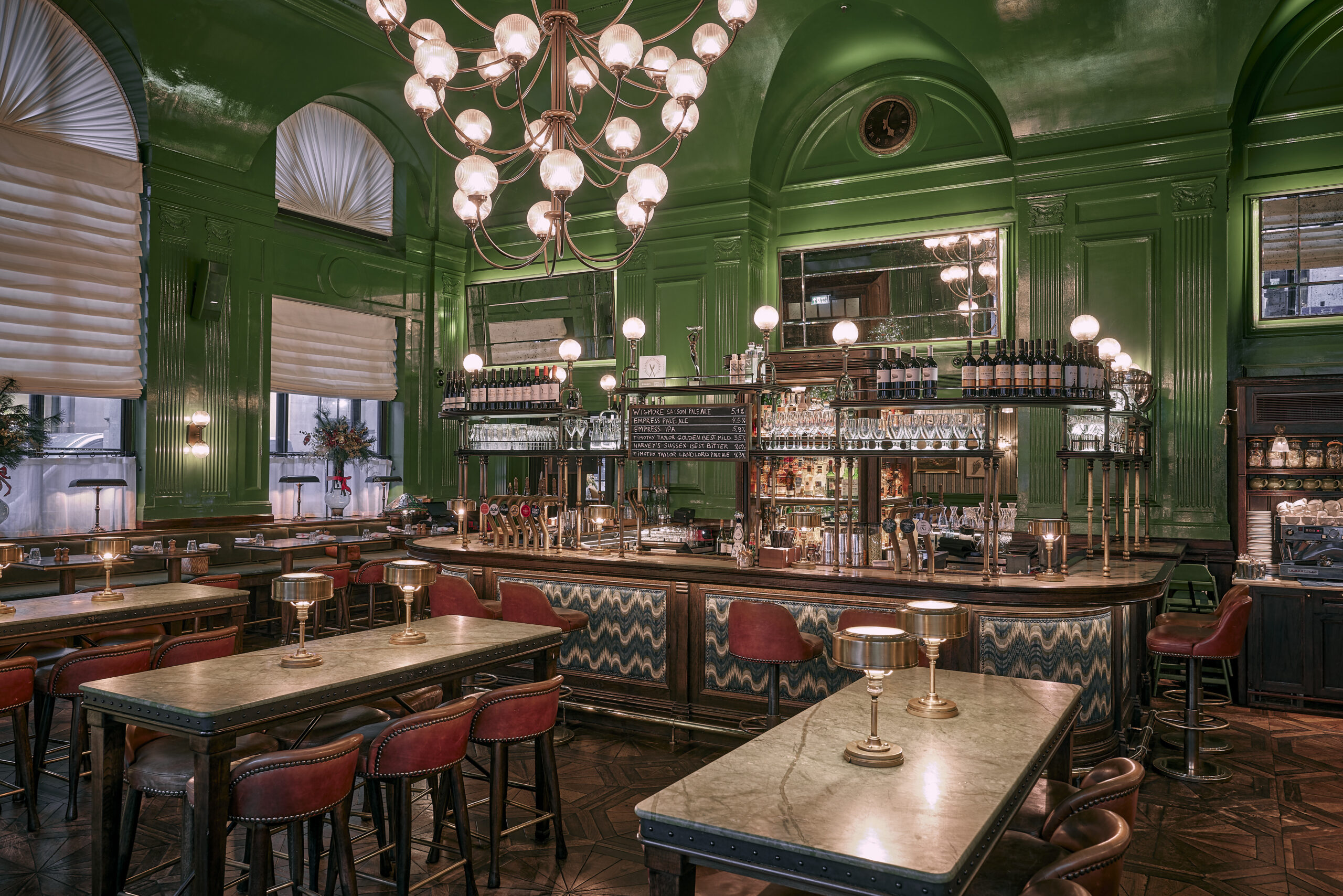
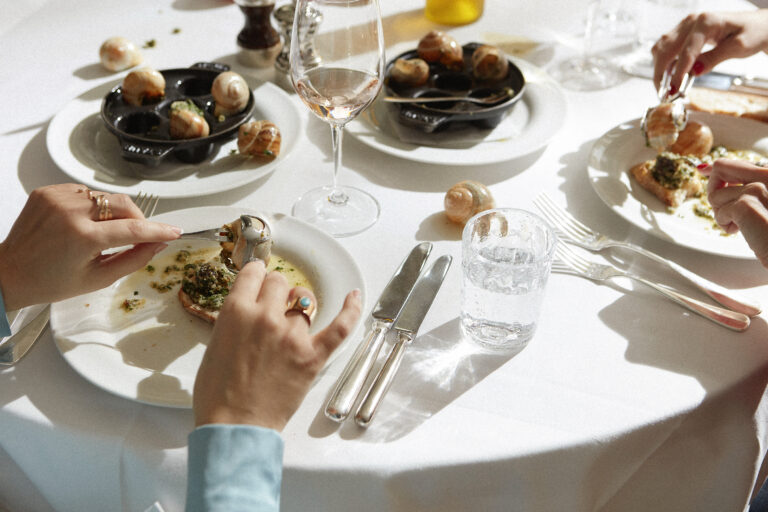
Food, meanwhile, has become its own reason to book a table here, largely thanks to the Roux family’s long relationship with the hotel. The Wigmore, Martin Brudnizki’s reimagining of a former banking hall into a very grand British pub, serves elevated classics all week — a masala-spiced Scotch egg, seasonal pies, an XXL cheese-and-mustard toastie with its own cast-iron bacon press — and leans hardest into its Britishness on Sundays, when the roast makes abandoning the rest of your afternoon feel like the only sensible plan (add the triple-cheese roasted cauliflower; don’t argue with yourself about it). On the other end of the spectrum sits Sale e Pepe Mare, the seafood-focused Italian newcomer carrying the DNA of the 50-year-old Knightsbridge institution Sale e Pepe, its menu tracing the Italian Riviera from Amalfi to Puglia, right down to a Champagne trolley and a shellfish tower. It’s a brighter, more Mediterranean energy than you’d expect from London’s most British address — proof that this hotel’s restaurants don’t all need to look, taste or feel like variations on the same five-star dining room.
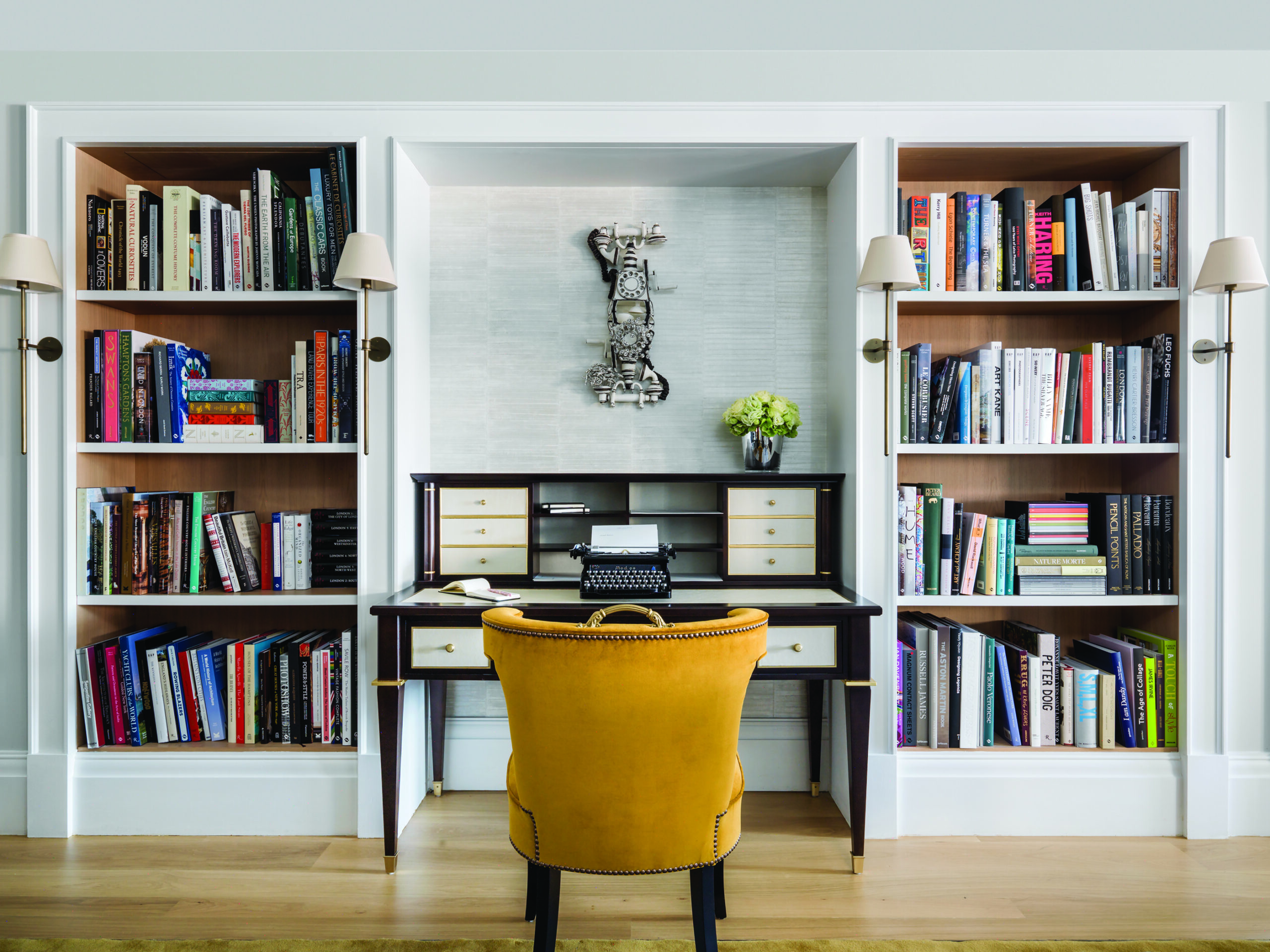
Photo Credit: The Langham London
But Artesian is still the main event. It has spent years collecting accolades few bars ever touch — repeated placements on The World’s 50 Best Bars list and that three-year run at the very top, courtesy of Drinks International, from 2012 through 2014. That kind of history could easily become a crutch. Instead, the bar keeps releasing genuinely ambitious menus; the current one, Ultimo, is the third and final chapter of its Futureproof trilogy, spotlighting 16 cocktails each built around a single underused ingredient — parsnip in an espresso martini, mushroom in a negroni — through preservation and layering techniques that reveal flavors you didn’t know you wanted. The team behind it has its own credentials: head bartender Giulia Cuccurullo, at Artesian since 2018, was the global winner of the Patrón Perfectionist competition in 2020, and the bar brought in Chet Sharma, chef-patron of Mayfair’s BiBi, to run the food menu for Ultimo — a savvy move for a bar that clearly understands the snacks are not an afterthought.
The room helps, too: glamorous without being self-serious, with just enough theater to remind you a cocktail is supposed to be fun and not a dissertation defense. Service stays warm as the night builds, and there’s always a reasonable-sounding excuse to order one more — purely in the interest of research. At least that’s what I told myself.
That, in the end, is what 160 years buys you, if you spend them right: not a museum, but a hotel that survived two world wars, four owners and a stint as the BBC’s back office, and somehow came out the other side with a cocktail bar still pushing itself, a spa with an actual point of view, restaurants that don’t feel interchangeable, and a Sunday roast worth rearranging your day for. London’s hotel landscape moves fast, all shiny new arrivals competing to be the next must-book address. The Langham doesn’t need to manufacture a sense of place. It’s had one since 1865, and it’s still using it.
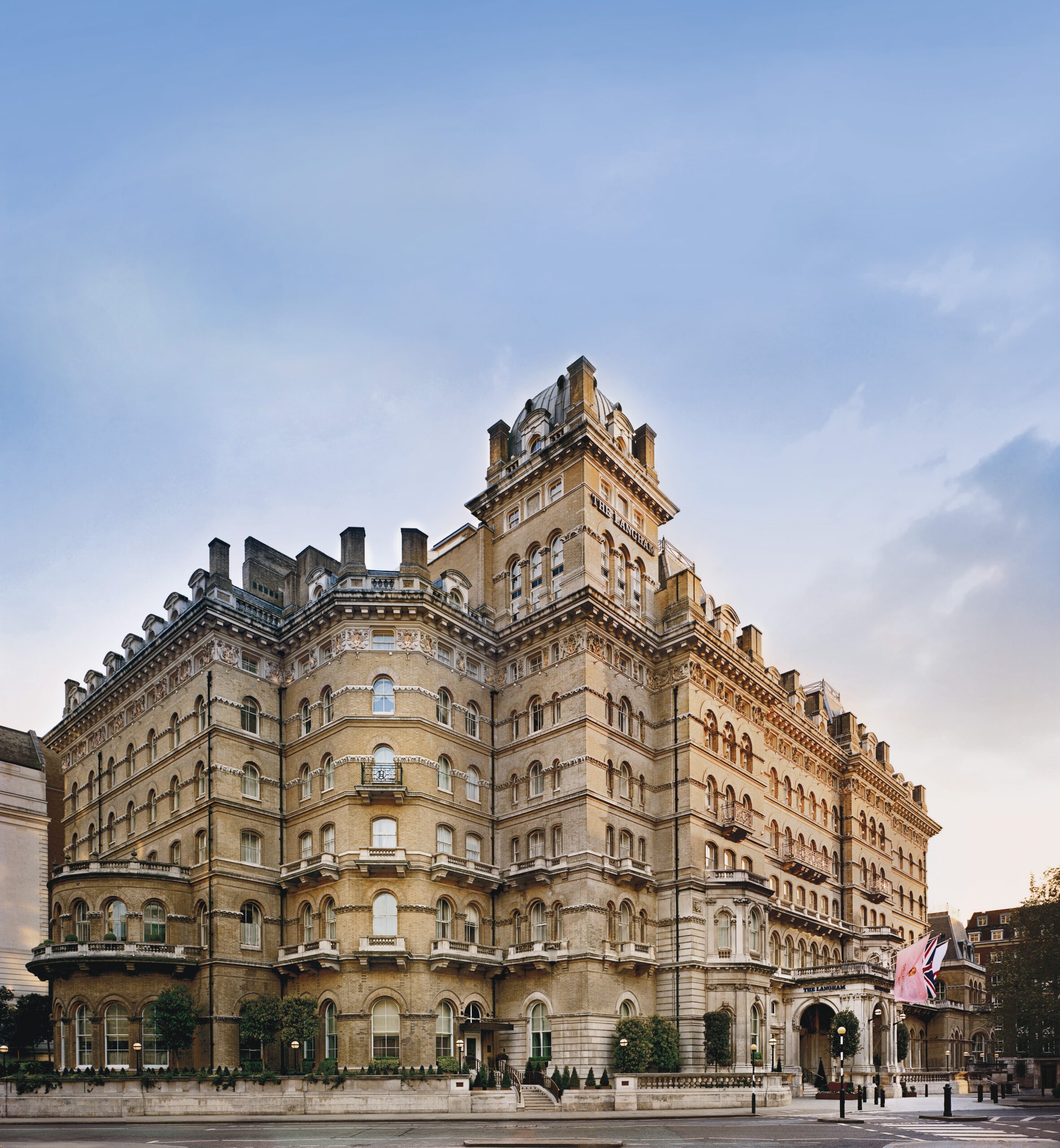
Photo Credit: The Langham London
For more on the properties actually worth booking, browse Haute Living‘s running guide to the best luxury hotels in the cities we cover.
through Haute Black.
Haute Living access. Two decades inside the world’s best hotels.
Virtuoso partner. Upgrades & VIP arrival at 1,200+ properties.
One advisor. Who knows you by name.
Frequently Asked Questions
Is The Langham, London the oldest grand hotel in Europe?
It's widely recognized as Europe's first purpose-built “Grand Hotel,” predating the wave of grand hotels that followed it across the continent in the late 19th century.
What is the biggest suite at The Langham, London?
The Sterling Suite, unveiled for the hotel's 150th anniversary in 2015, is 4,844 square feet with up to six bedrooms, a private butler and custom gold- and silver-leaf furnishings.
What is Artesian bar known for?
Artesian, The Langham's cocktail bar, was named World's Best Bar by Drinks International three years running, from 2012 to 2014, and remains a fixture on The World's 50 Best Bars list.
Latest from Haute Living
The Addresses That Define Atlanta Luxury Real Estate
The Best Coffee in Miami Right Now, From Historical Icons to Jimmy Butler’s Miami Design District Flagship
Boston Just Got A Serious Case Of Riviera Fever: LPM Just Landed At Four Seasons One Dalton