Amanda Hearst Has Mastered the Art of the Intimate Impact
For our 2026 Palm Beach Philanthropy issue, Amanda Hearst proves that the most powerful giving stays intimate, holistic, and transparent.
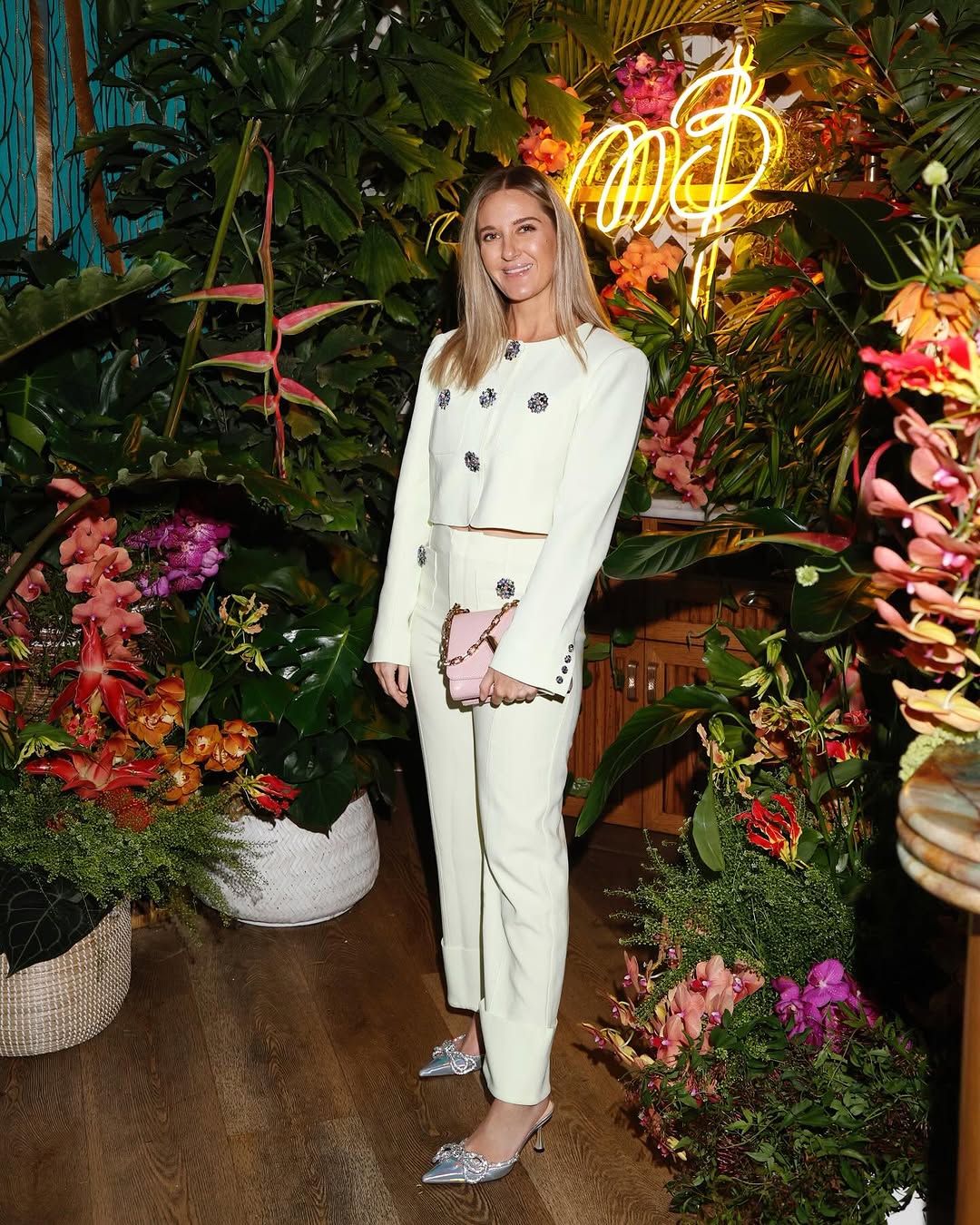
At the helm of WELL/BEINGS, Amanda Hearst proves that the most powerful giving stays intimate, holistic, transparent, and close enough to connect animals, people, and planet as one.
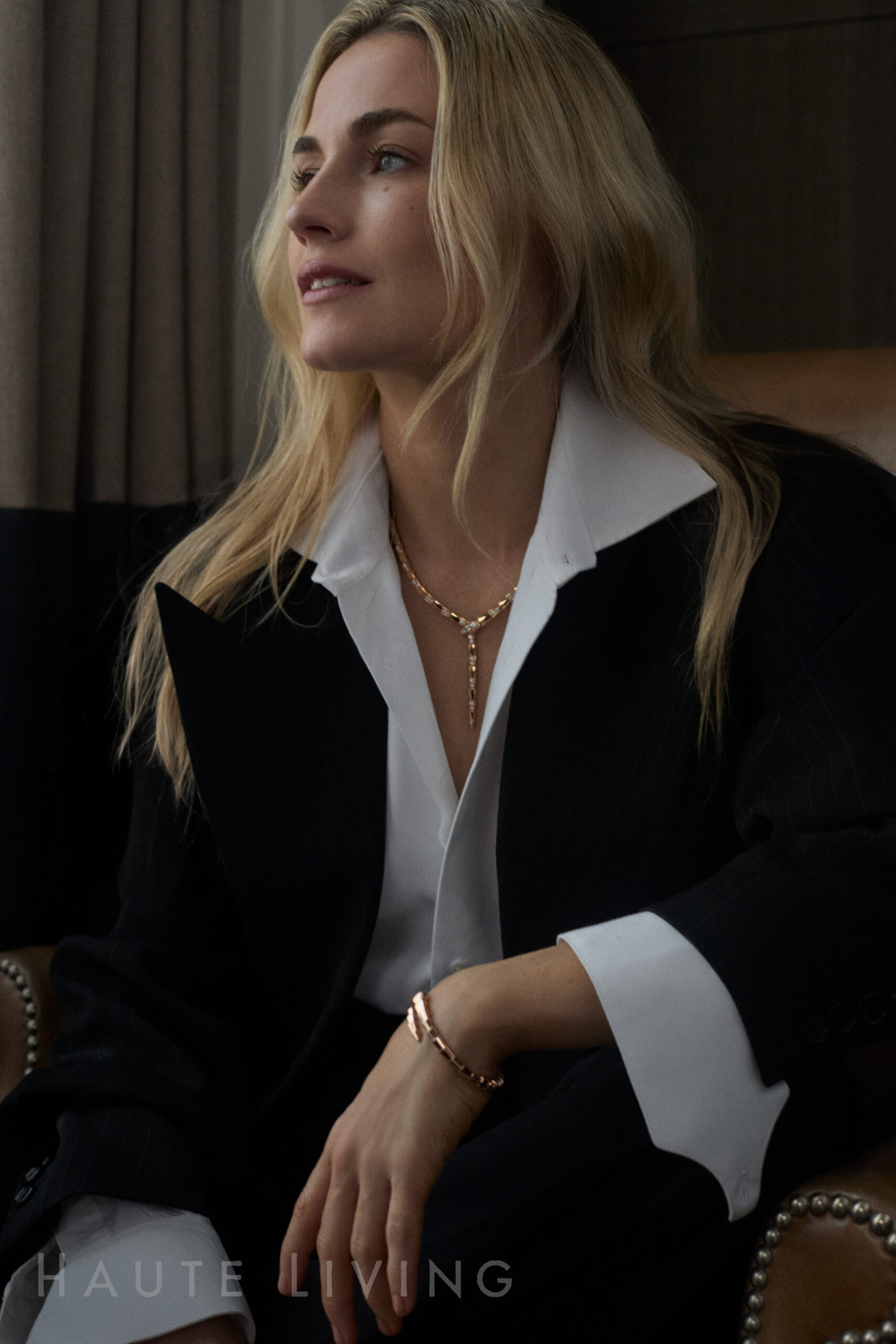 Photo Credit: Agata Pospieszynska
SHIRT: With Nothing Underneath
NECKLACE: Bvlgari Serpenti Viper thin necklace in 18K rose gold set with demi-pavé diamonds
BRACELET: Bvlgari Serpenti Viper bracelet in 18K rose gold
Perhaps one of the most profound aspects of philanthropy is its innate domino effect—its full-circle moments, if you will. For Amanda Hearst, co-founder of WELL/BEINGS—a charity dedicated to addressing underserved environmental issues that impact animals, people, and the planet as one—the interconnectedness of all living beings sits at the heart of her work.
In fact, WELL/BEINGS was founded on a simple idea: environmental issues live within a connected ecosystem, so rather than tackling them one by one, Hearst approaches philanthropy through a holistic lens. Because philanthropy isn’t a one-size-fits-all solution, her perspective is incredibly refreshing.
Although Hearst is a native New Yorker, her love of nature and animals has always been a driving force. “I grew up loving animals and nature,” Hearst says. “It was just a part of me. We always had rescue dogs and cats, and we’d go to the country on the weekends. Then, in my teens, my mom got a farm with rescue cows, chickens, ducks, and goats—she still lives there today. She’s the same as me: Even though we had that city living, we always gravitated toward the natural world.”
Similar to her intrinsic connection to nature, giving is Hearst family orthodoxy—her great-grandfather William Randolph Hearst founded the Hearst Foundations in the 1940s, which have since awarded more than $1.6 billion across culture, education, health, and social services—a family tradition of giving she has carried into animals, people, and planet through WELL/BEINGS.
Hearst’s first “domino effect” moment began with a small dog named Finn. “My actual work started when I bought a dog, Finn. At the pet store, they told me he wasn’t from a puppy mill, that they only worked with great breeders; they gave me the whole spiel. I bought him, and then I started working with the Humane Society of the United States. The pet store gave me his genealogy, and the Humane Society traced it to a horrible puppy mill in Tennessee with about 900 dogs. It was one they’d been trying to shut down,” Hearst says. “It’s so frustrating. You think you’re doing the right thing. You want to do the right thing, but sometimes people just don’t tell you the truth.”
That untruth became a calling. About 15 years ago, when the illegal breeding of dogs and cats—and their sale online at exorbitant prices—was a front-burner issue, Hearst began working with the Humane Society on puppy-mill bills. She went on raids. She started a group called Friends of Finn to raise money and awareness, and a fellow dog lover named Breanna Schultz joined. Schultz’s first dog, as it happened, was also named Finn. “Our little dogs basically brought us together,” Hearst says. The two educated themselves and poured time and funds into the fight, and years later those two Finns would lead to the environmental nonprofit working from the Bolivian rainforest to the mangroves of Palm Beach County, with Schultz sitting as co-founder of WELL/BEINGS alongside Hearst.
“After working together for a bit, we started to think, ‘This is an animal welfare issue, but it’s really an animal-people-planet issue,’” Hearst says. The questions multiplied: Why are people doing this? What are the economic reasons? How does it affect their mental health and the people around them? How does it affect the environment? “What’s the bigger picture that’s really causing this?” she asks. “Maybe that’s how you end it, versus saving one dog at a time.”
So instead of staying at a huge nonprofit, which they had done for a while, the pair started their own thing—“super small,” she says —so they could choose their campaigns and approach each through that animal-people-planet lens. WELL/BEINGS is an environmental nonprofit focused on underfunded and underrecognized issues, and for each one, the founders ask how it affects animals, people, and the planet in a given area.
 Photo Credit: Agata Pospieszynska
SKIRT: Dior
SHOES: Jimmy Choo
EARRINGS: Bvlgari Serpenti Viper earrings in 18K white gold set with full pavé diamonds
BRACELET: Bvlgari Serpenti Viper two-coil bracelet in 18K white gold set with full pavé diamonds
Hearst continues, “Then we partner with local organizations and think about how we can holistically improve the issue and better the situation for everyone and everything involved.”
That approach quietly rebukes the way much of the sector operates. “Bigger nonprofits especially work very siloed,” Hearst says. “There’s not much collaboration, because, understandably, you’re fighting for donor dollars, and they don’t necessarily have the bandwidth because they’re so big.” WELL/BEINGS works in just two regions, while larger players juggle thousands of projects. “It’s just a different beast,” she says. And when it comes to animals, people, and planet, she notes, the big organizations tend to focus on just one of the three. “That’s just not how Breanna and I think.”
The other difference is financial, and it is just as deliberate. WELL/BEINGS puts 100 percent of the money it raises into its work; Hearst, Schultz, and the board fund all operations. “A lot of other nonprofits can’t or don’t want to do that, so you don’t really know where your money is going,” Hearst says. “That was always frustrating for us.” In an era when every crisis arrives with a donate-here link, that kind of transparency reads as its own form of luxury.
As Hearst continues speaking about her work at WELL/BEINGS, the word *intimate* keeps circling my mind—candidly, a word I wouldn’t immediately connect to philanthropy. In fact, Hearstis ability to connect so intimately with issues that seem so vast is a genuine aptitude.
It can be intimidating knowing where to start.
“The inception of the organization was very organic,” Hearst says. “It was our friendship and our love of animals: What can we do together with the resources we have?” Research pointed the founders toward the Amazon and, from there, to Bolivia, which she notes holds only about 6 to 7 percent of the Amazon—the third-largest Amazonian nation—yet suffers one of the highest rates of tropical-forest loss relative to its forest area, driven largely by soy, cattle, and palm, while receiving just 5 percent of Amazon conservation funding.
That imbalance—high loss, low investment—is why Hearst and her co-founder planted WELL/BEINGS there in 2020. Since then, the organization has funded 11 projects across the bioregion (with commitments running through 2028), working on three connected fronts: permanently protecting and rewilding intact forest, safeguarding wildlife through science and emergency response, and equipping communities—especially Indigenous women—as long-term stewards through native beekeeping, leadership workshops, fire brigades, and livelihoods tied to forest recovery.
WELL/BEINGS supports an animal sanctuary deep in the Bolivian rainforest and continued that support during COVID-19, when the sanctuary almost had to shut down. “Bolivia is really hard to get to, even from America, and they’re properly in the rainforest. There were several moments when they had to shut down, or almost did, and we supported them,” Hearst explains. “Then, a new species of wild cat, Leopardus tilcayo, was documented by the team at Senda Verde. Our funding has gone toward the sanctuary itself and protecting the land around it. It shows you that when you support local players and get very specific about where you give your money, sometimes big results come from it,” Hearst says.
Another “domino effect” moment.
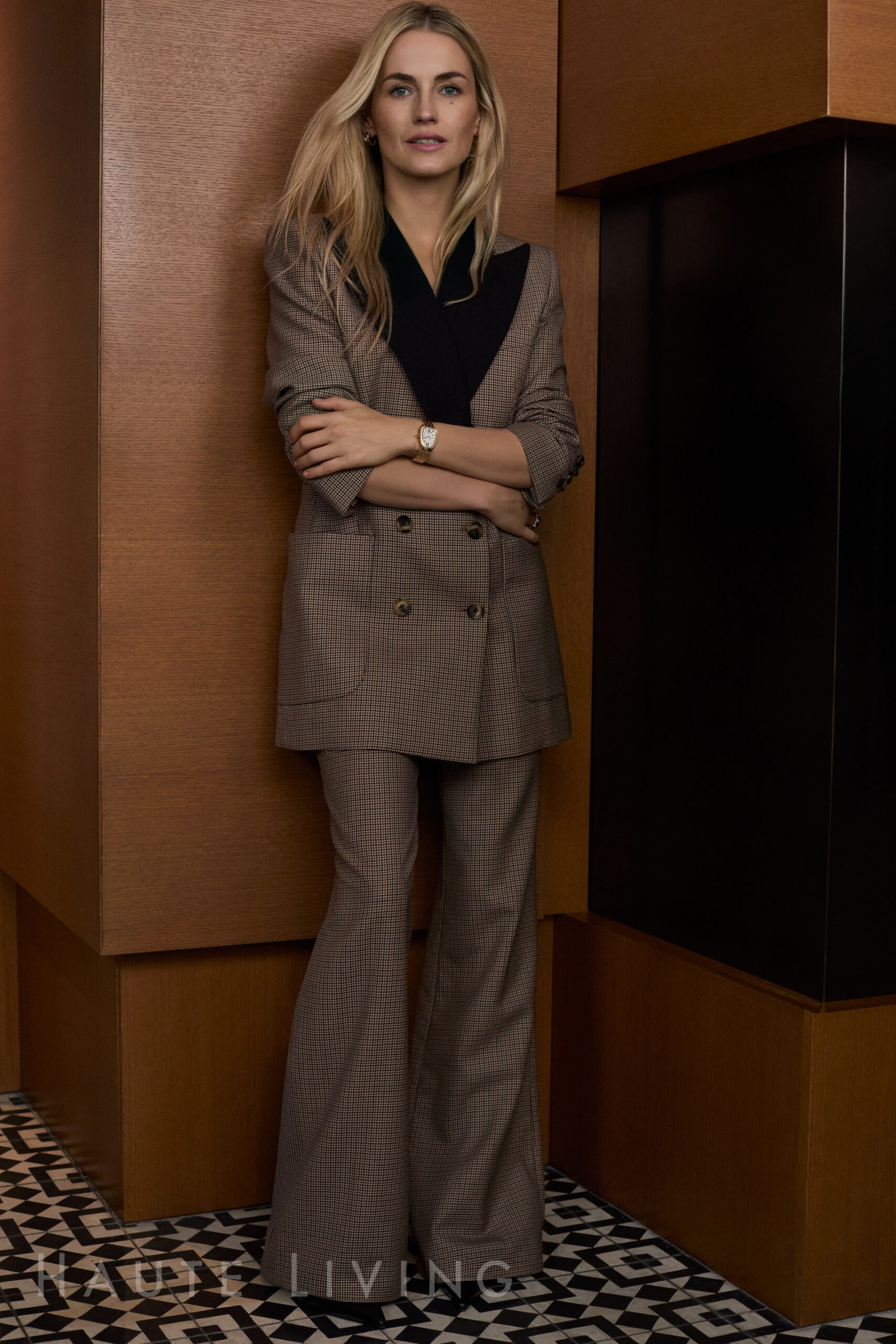 Photo Credit: Agata Pospieszynska
SHOES: Le Monde Beryl
EARRINGS: Bvlgari Serpenti Viper pendant earrings in 18K yellow gold set with pavé diamonds on the head and tail
WATCH: Bvlgari Serpenti Seduttori watch in 18K yellow gold with a mechanical manufacture movement with automatic winding, a diamond-set bezel, and a white opaline dial
With Bolivia established, the founders decided to grow. “We’d been working on land, the green of the planet, so now let’s look at the blue,” she says. That shift brought them to the Caribbean and to Florida, “which we consider part of the Caribbean, in a way,” through a tree most people know little about: the mangrove.
She then throws a wild statistic my way: mangroves store up to four times more carbon than most tropical forests, protect coastal communities from storms, and serve as nurseries for many of the fish and shellfish that coastal fisheries depend on. “These are crazy statistics,” she agrees. “They’re so important, and you think, ‘I’ve never even heard of them,’” she says. WELL/BEINGS has been growing slowly in the region while keeping its Bolivian commitments intact. “It feels like a good balance right now, the green and the blue,” she says. “That’s what makes our planet our planet.”
Palm Beach, specifically, was personal before it became an integral part of her work. Hearst grew up going to Florida and has always loved the state; then many of the organization’s supporters began moving south. Florida, she says, is part of America but also deeply representative of what matters to WELL/BEINGS right now, above all ocean conservation. “It’s a local way for us to show Americans, and even New Yorkers, why mangroves are important for protecting marine ecosystems,” she says. This year marks the organization’s fifth year working there.
She also sees something in the local temperament that makes the work land. “New York is an island, but you don’t really see the water that much,” Hearst says. “Wherever you are down there [in Palm Beach], you really feel you’re in a coastal community. Everyone there has this affinity for and connection to the ocean. Hurricanes hit you all the time. You feel the impacts, whether you call it climate change or just weather patterns, and you want to protect what you have.”
In every region, the approach is the same. Hearst and Schultz look for locally led organizations already doing the work, with the trust and knowledge that outsiders can’t replicate. They see the wellbeing of animals, people, and the planet as interconnected, and many of their partners address all three at once, from wildlife rescue to community education and livelihoods to ecosystem restoration.
In Florida, their partner list is evolving and currently includes Jupiter Narrows Conservation Alliance, Friends of Manatee Lagoon, Clearwater Marine Aquarium, and MANG, the newest Florida partner. Clearwater Marine Aquarium educates Palm Beach locals on how to protect mangroves, and WELL/BEINGS helped launch a massive manatee-tracking initiative showing how manatees and mangroves depend on each other. “They’re all connected,” Hearst says. MANG, which plants throughout Florida and the Caribbean, is planting 1,000 red mangroves in Palm Beach County right now.
There is no real end to making a lasting impact. For the next generation of givers scrolling through one emergency after another, Hearst knows what it feels like not to know where to begin. “Quite frankly, it can feel overwhelming,” she says. Her answer is disarmingly simple. “I always say, ‘What makes you cry?’ Find that one thing. For me, it was hearing about animals getting hurt, and I went from there.” No one has to decide overnight, she adds, and money isn’t the only currency. “You might not have the money, but you have time, and you can think about how you can contribute, because everyone can do something. Think about what has consistently made you cry throughout your life, what has always tugged at your heartstrings.”
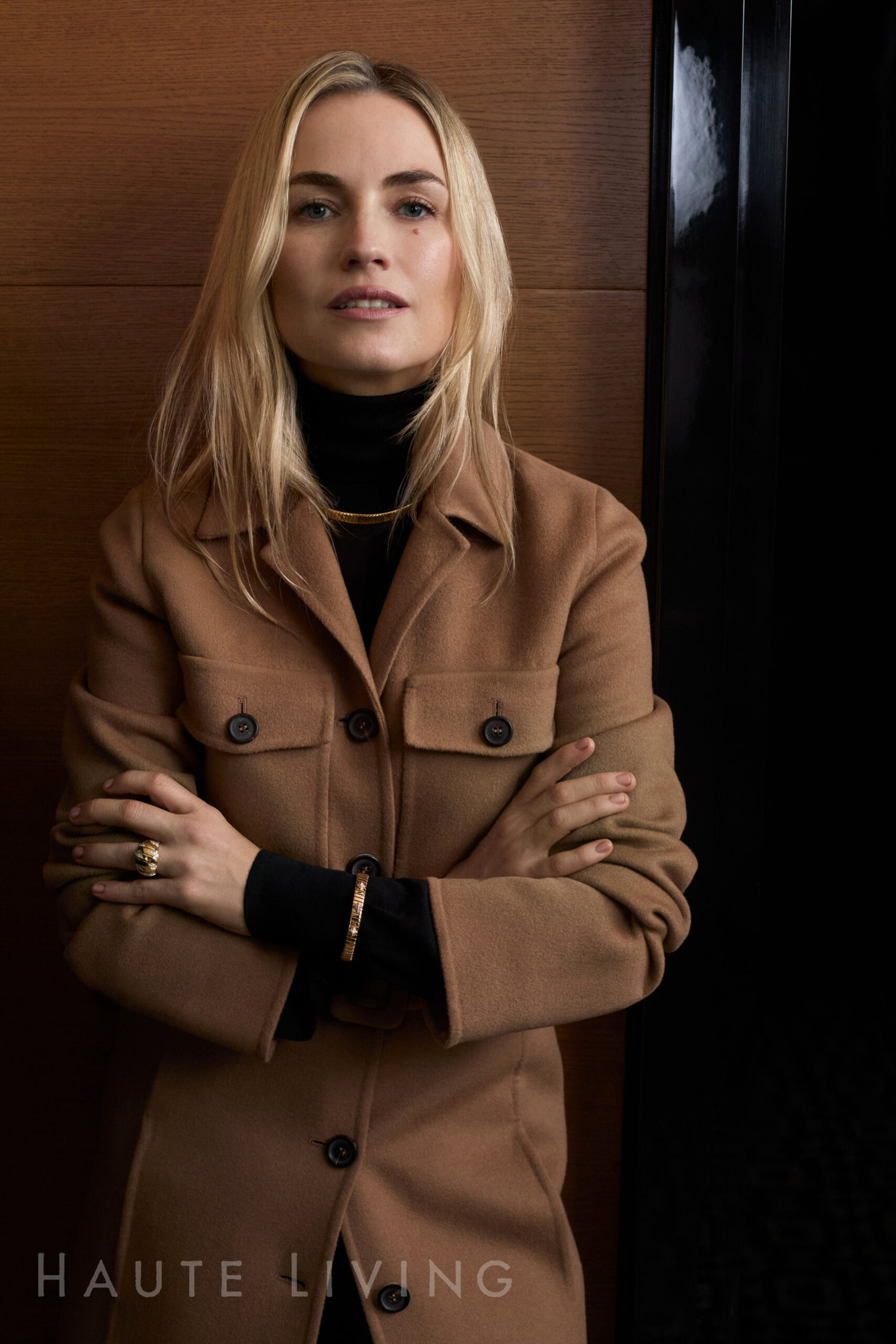 Photo Credit: Agata Pospieszynska
NECKLACE: Bvlgari Tubogas necklace in 18K yellow gold
BRACELET: Bvlgari Tubogas bracelet in 18K yellow gold with diamond pavé studs
RING: Bvlgari Tubogas ring in 18K yellow gold set with pavé diamonds
As for her future, she returns to the pillar of intimacy. “Sometimes I think of us as a boutique shop versus a mega mall,” Hearst says. “For me, success would be taking on more clients without ever becoming a massive conglomerate.” In her telling, growth means carrying the work into new places, not bulking up.
It’s here I realize that Hearst has found tangibility in a vast matter. “It’s a good feeling to know that what’s happening in Palm Beach is also happening in Indonesia, and that what we’ve learned and done in Florida can be used there as well. So, really, natural, organic growth like that, and continuing our work on a manageable scale,” she says.
Philanthropy is incredibly personal, and Hearst is a resounding testament to that. She never outgrew the girl who cried for animals. Interconnectedness isn’t a theory she picked up—it’s how she moves through the world, and why, in her hands, a single act of giving so often becomes many.
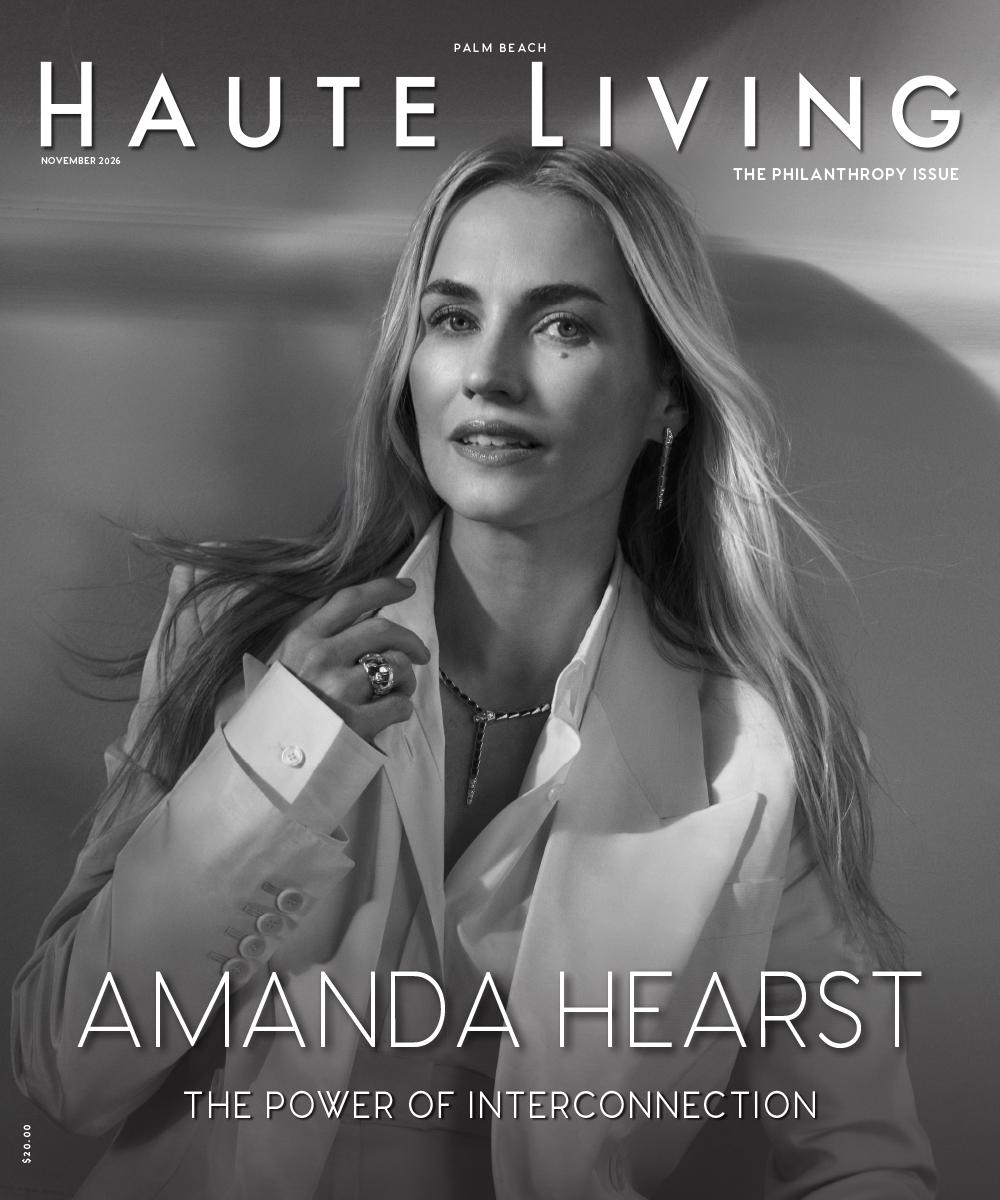 Photo Credit: Agata Pospieszynska
EARRINGS: Bvlgari Serpenti Viper earrings in 18K white gold with full pavé diamonds
NECKLACE: Bvlgari Serpenti Viper slim necklace in 18K white gold set with full pavé diamonds
RING: Bvlgari Tubogas ring in 18K yellow gold set with pavé diamonds
BY Adrienne Faurote
PHOTOGRAPHY Agata Pospieszynska
STYLING Thea Lewis-Yates
HAIR Hiroshi Matsushita using R+Co
MAKEUP Natsumi Narita
1ST PHOTO ASSISTANT Oscar Yoosefinejad
DIGITECH Giles Smith
PRODUCTION Alex Izzard at Patricia McMahon
STYLIST ASSISTANT Alvaro Merino de Mendoza
SHOT ON LOCATION AT ROSEWOOD LONDON IN MANOR HOUSE
Latest from Haute Living
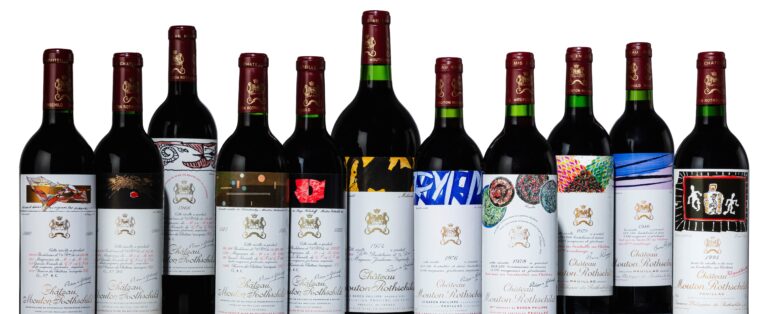
Mouton Rothschild’s 100th Anniversary Sotheby’s Auction Includes Warhol Magnums and a Barrel of the 2025
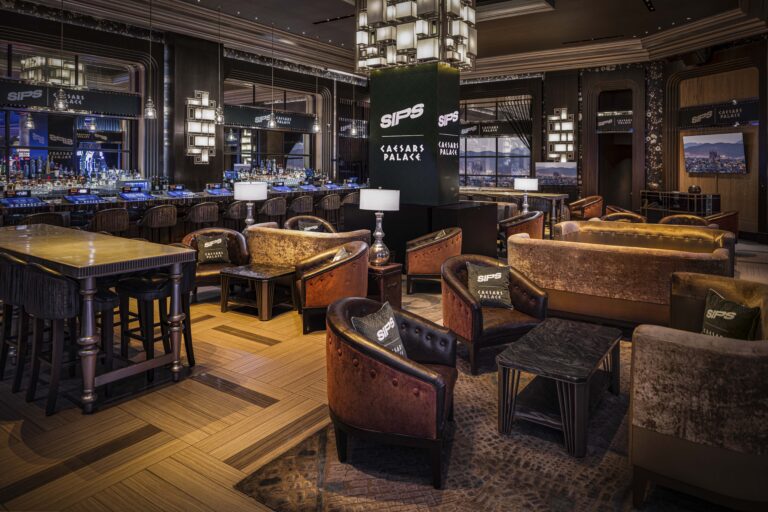
Barcelona’s Most Famous Bar Just Landed on the Strip. Here’s What to Order
Postcards From Rome: Sunset, Cocktails and a Little Wishful Drinking at Sofitel Roma Villa Borghese