Inside Cava’s Best-Kept Secret: The Exceptional Wines At The Top Of The Category
At the top of D.O. Cava's hierarchy sit just 14 wines from eight houses. Here's what makes these wines the category's true luxury tier.

There is Cava, and then there is Cava.
That distinction matters. Spain’s famous sparkling wine has spent decades building a reputation for being festive, approachable and, perhaps above all, affordable. For many drinkers, Cava is still the bottle grabbed for an easy aperitif or poured when Champagne feels unnecessarily extravagant. There is plenty of inexpensive Cava in the world, and not all of it is particularly memorable.
 Photo Credit: DO Cava
But judging the possibilities of an entire appellation by the bottles made for its broadest audience means missing what is happening at the opposite end of the spectrum. Because Cava has an apex, and it is remarkably small.
At the absolute top of the D.O. Cava hierarchy sits Cava de Guarda Superior de Paraje Calificado, its highest and most exclusive classification. As of March 2026, 14 Cavas from eight houses have earned the designation, following the ratification of five new wines that expanded the category from its original ten. These are not simply bottles that have been aged a little longer or dressed in more elaborate packaging. Paraje Calificado is reserved for sparkling wines originating from a designated estate with exceptional soil and microclimate characteristics and produced under a notably demanding set of rules.
The vines must be at least 10 years old. Grapes are harvested by hand, yields are restricted to a maximum of 8,000 kilograms per hectare and extraction is limited to 48 hectoliters per hectare. The wine must be vintage-dated and vinified on the estate, with complete traceability from vineyard through release. It must spend at least 36 months aging and pass a qualifying tasting; the wines are additionally subject to official controls and evaluation by an independent committee of high-level professionals. Beginning with the 2025 harvest, they must also be 100 percent organic.
In other words, the designation gives us something particularly useful in discussing luxury Cava: an objective place to begin.
This isn’t an attempt to declare Cava itself a luxury product. Nor should it be. The appellation encompasses hundreds of wineries operating with different philosophies, scales and ambitions. The D.O.’s own presentation describes a landscape of family wineries, cooperatives, corporate groups, historic houses and contemporary producers.
Instead, the more interesting question is this: What happens when Cava is pushed to its highest possible expression?
The answer involves old vines and tiny parcels, organic and biodynamic farming, dramatically reduced yields, native grapes, vintage variation and extraordinary amounts of time.
And 36 months, it turns out, is merely the beginning.
Among today’s 14 Paraje Calificado wines, Alta Alella’s Mirgin Exeo Vallcirera ages for more than 66 months. Carles Andreu’s L’Era del Celdoni exceeds 87. Sumarroca’s Núria Claverol Homenatge Finca Peretes exceeds 80. Codorníu’s three Ars Collecta Paraje Calificado wines exceed 90, and Pere Ventura’s Gran Vintage Can Bas surpasses 96.
Then things become almost audacious.
Vinyes de Can Sala exceeds 120 months, and Can Sala reaches 144.
That’s more than twelve years.
Time, after all, may be one of wine’s purest luxuries. It cannot be manufactured, accelerated or replaced by a more beautiful bottle.
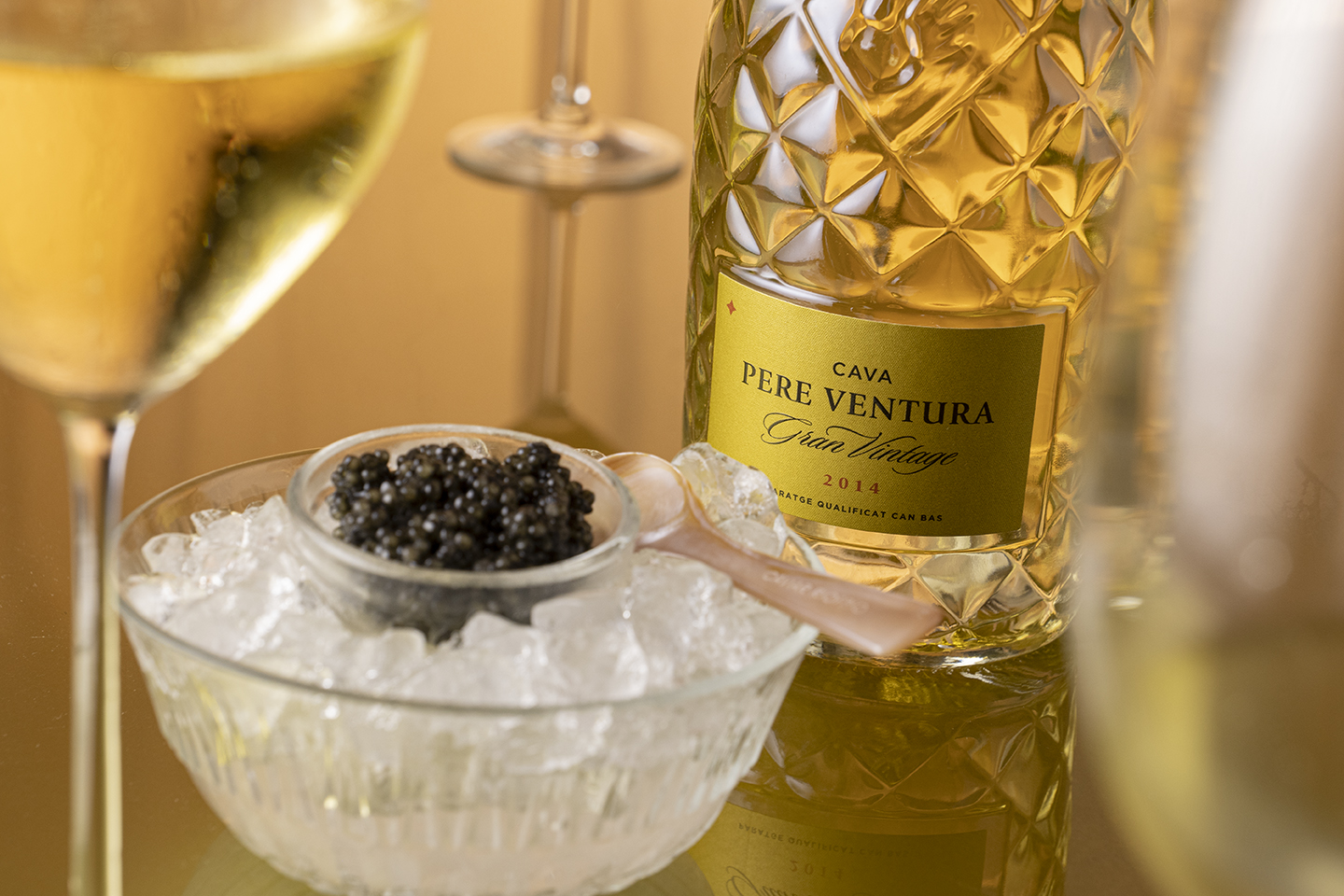 Photo Credit: Pere Ventura
A Different Way of Thinking About Cava
Long aging alone doesn’t make a wine exceptional. But the best Cavas have another advantage that has historically been obscured by the category’s reputation for value: place.
Cava is made using the traditional method, with secondary fermentation and aging occurring inside the bottle, the same fundamental process used in Champagne. But its identity is unmistakably Mediterranean.
The appellation encompasses a mosaic of altitudes, orientations and microclimates. Vineyards stretch from areas influenced by the Mediterranean to sites reaching approximately 800 meters above sea level. Sea breezes can bring freshness and salinity; higher elevations bring cooler nights; south-facing slopes capture warmth while northern exposures preserve tension and delicacy.
And then there are the grapes.
Macabeo, Xarel·lo and Parellada form the traditional backbone of Cava. Xarel·lo brings structure, acidity and a particularly distinctive character; Parellada contributes finesse, freshness and aging potential; Macabeo offers floral character and balance. Chardonnay and Pinot Noir are permitted, alongside varieties including Trepat, Monastrell and Garnacha.
At the highest level, those varieties stop feeling like anonymous ingredients in a sparkling blend and begin expressing individual places.
That is what makes traveling here so interesting.
Much of Cava’s historic heart is concentrated in and around Penedès, within easy reach of Barcelona, with Sant Sadurní d’Anoia regarded as the capital of Cava. A trip can move from monumental Modernist architecture and enormous subterranean cellars to family estates, old farmhouses and biodynamic vineyards within a relatively compact landscape.
Of the 14 wines currently occupying Cava’s highest classification, these are the bottles and estates that make the most compelling case for discovering that other side of the region.
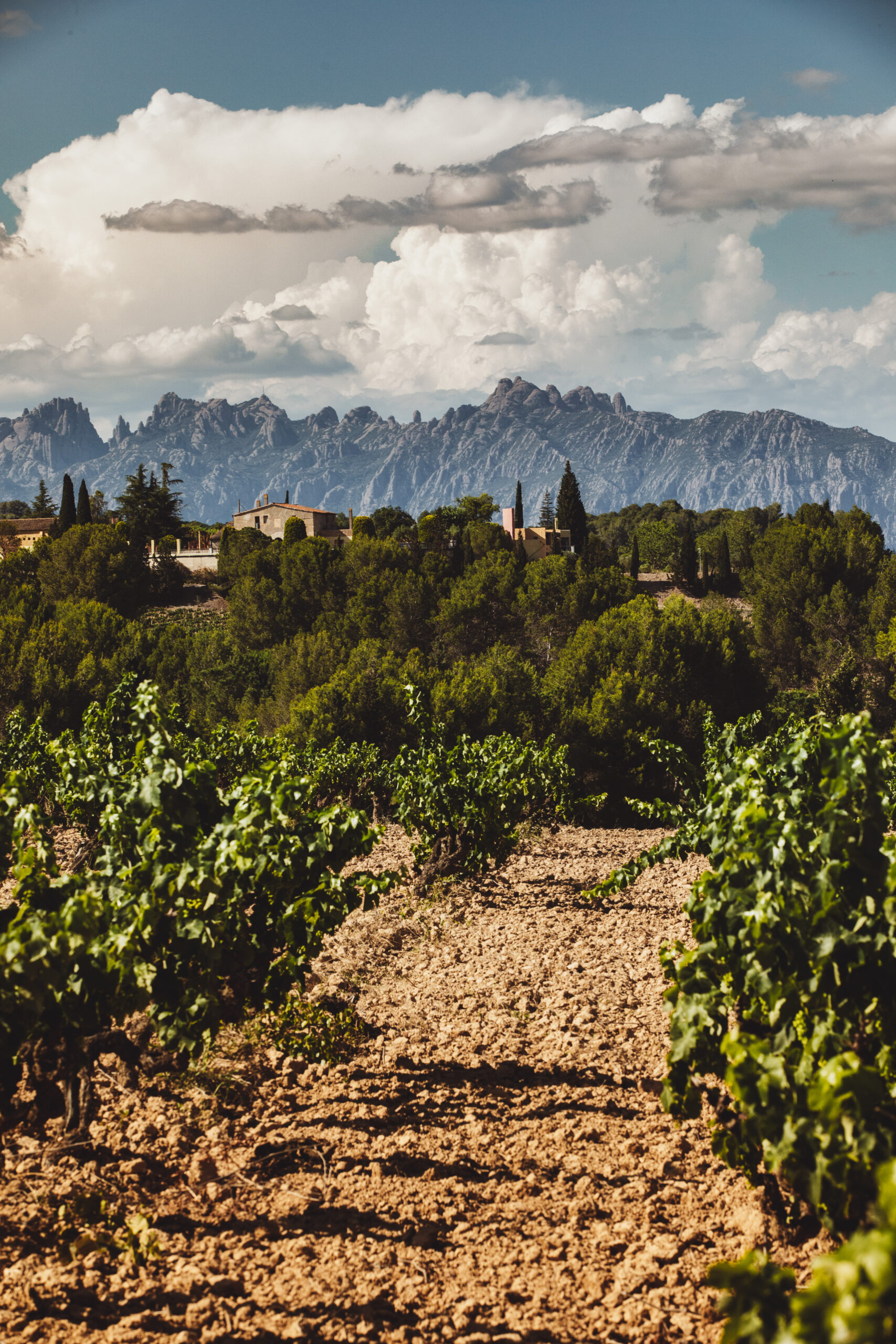 Photo Credit: D.O. CavaD.O. Cava vineyards with Montserrat in the distance
Codorníu: Five Centuries of Pedigree
DRINK: Ars Collecta Paraje Calificado — La Fideuera, La Pleta and El Tros Nou
Codorníu poses an interesting question: can a globally familiar producer also produce something genuinely rarefied?
Absolutely, provided you know where to look.
The house traces its history to 1551, while Josep Raventós made its first Cava in 1872. But pedigree here isn’t simply a date on a timeline. The estate itself is one of Cava country’s most compelling destinations.
Its Modernist architecture, designed by Josep Puig i Cadafalch, was declared a Historical-Artistic Monument in 1976. The premium Ars Collecta experience begins in Sala Puig, known as the Cathedral of Cava, before exploring the Modernist complex and the house’s history.
For our purposes, however, the most interesting destination within Codorníu is Celler Jaume, the micro-winery behind Ars Collecta.
Three of Codorníu’s wines currently occupy the Paraje Calificado tier: La Fideuera, La Pleta and El Tros Nou, each aged for more than 90 months.
That trio is important to this story precisely because Codorníu isn’t an obscure grower estate. Its name recognition could easily lead a serious wine drinker to assume there is little left to discover. Ars Collecta proves otherwise.
The house’s dedicated Ars Collecta tour is appropriately focused: a 105-minute experience for groups of no more than 12, including four premium Cavas and a Paraje Calificado wine.
Here, luxury comes partly from historical grandeur, but more interestingly from discovering the tiny prestige tier hidden inside a very large and very famous house.
Why go: For perhaps the most visually impressive expression of Cava history, combining more than five centuries of pedigree, Catalan Modernism and underground cellar culture.
What to drink: Seek out the three Ars Collecta Paraje Calificado wines rather than judging Codorníu by the bottles you already know.
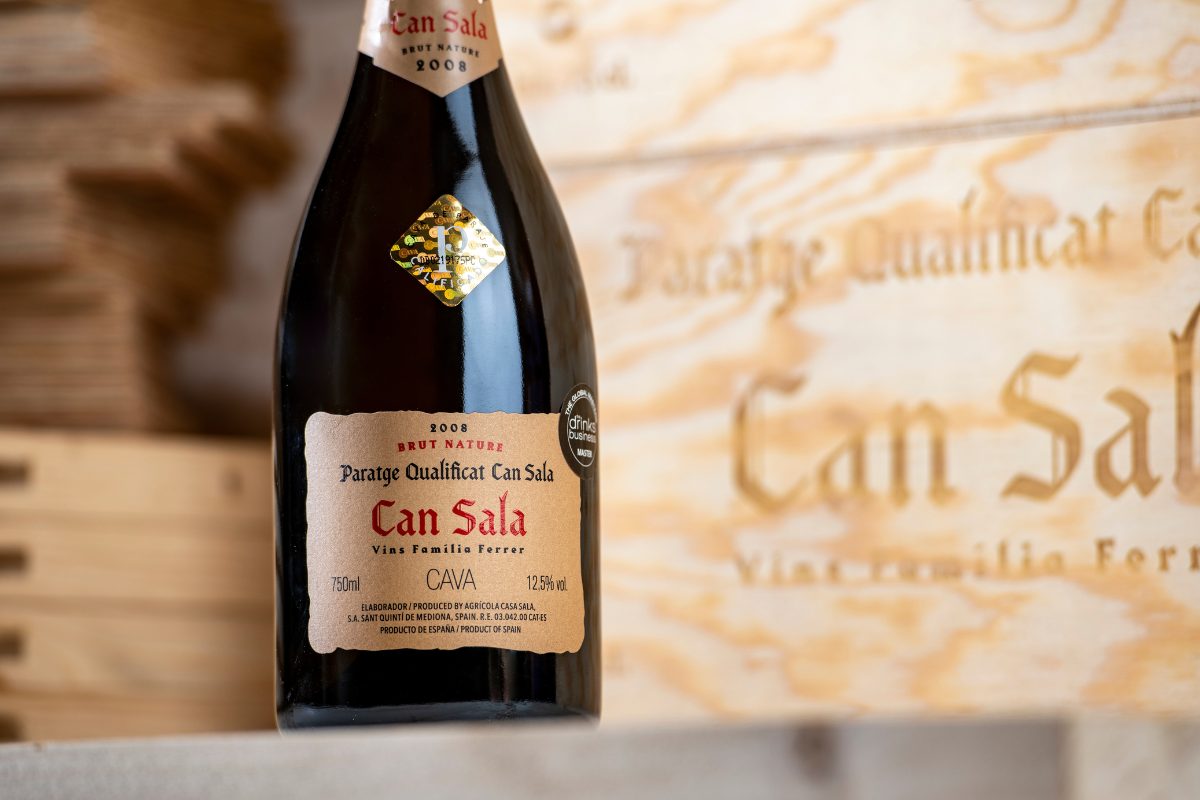 Photo Credit: Can Sala/Ferrer Wines
Ferrer Wines: The Cava You Don’t Expect
DRINK: Can Sala Cava de Guarda Superior de Paraje Calificado
Can Sala may be the best example of why preconceptions about Cava can be so misleading.
Its connection to the Ferrer family and Freixenet universe makes the story particularly provocative. Pere Ferrer Bosch and Dolores Sala founded Freixenet in 1914, and that brand helped turn Cava into a global phenomenon, which means millions of consumers associate the category with accessible, mass-market celebration. Following the 2018 sale of the majority of Freixenet’s shares to Germany’s Henkell, the Ferrer family regrouped its own vineyards and Can Sala under the independent Ferrer Wines, still led by the family today.
Can Sala exists at the opposite pole.
The Paraje Can Sala lies in Sant Quintí de Mediona, where its Xarel·lo and Parellada vineyards grow in deep, carbonate- and iron-rich soils at elevations up to 715 meters. The wine is produced from those two traditional varieties, pressed in a century-old Dubois press, and spends an astonishing 144 months aging.
Twelve years.
The resulting wine combines the maturity expected from such prolonged lees contact with freshness and structure. A recent assessment of the 2014 described citrus and green apple alongside brioche, toast, almonds and dried-fruit complexity, with a creamy texture and long finish.
And that makes Can Sala useful beyond the quality of the wine itself.
It embodies the central argument of this story: you cannot judge Cava’s ceiling by its floor.
One family can produce enormously successful accessible Cava while simultaneously making a tiny, terroir-specific Brut Nature that spends twelve years developing before release. Those things aren’t contradictory. They’re evidence of the enormous spectrum within the appellation.
Why seek it out: For the sheer surprise of discovering just how far removed Cava’s pinnacle can be from its international mass-market image.
What to drink: Can Sala Paraje Calificado is the essential bottle, while Vinyes de Can Sala, itself a Paraje Calificado wine aged for more than 120 months, provides another fascinating expression from the estate.
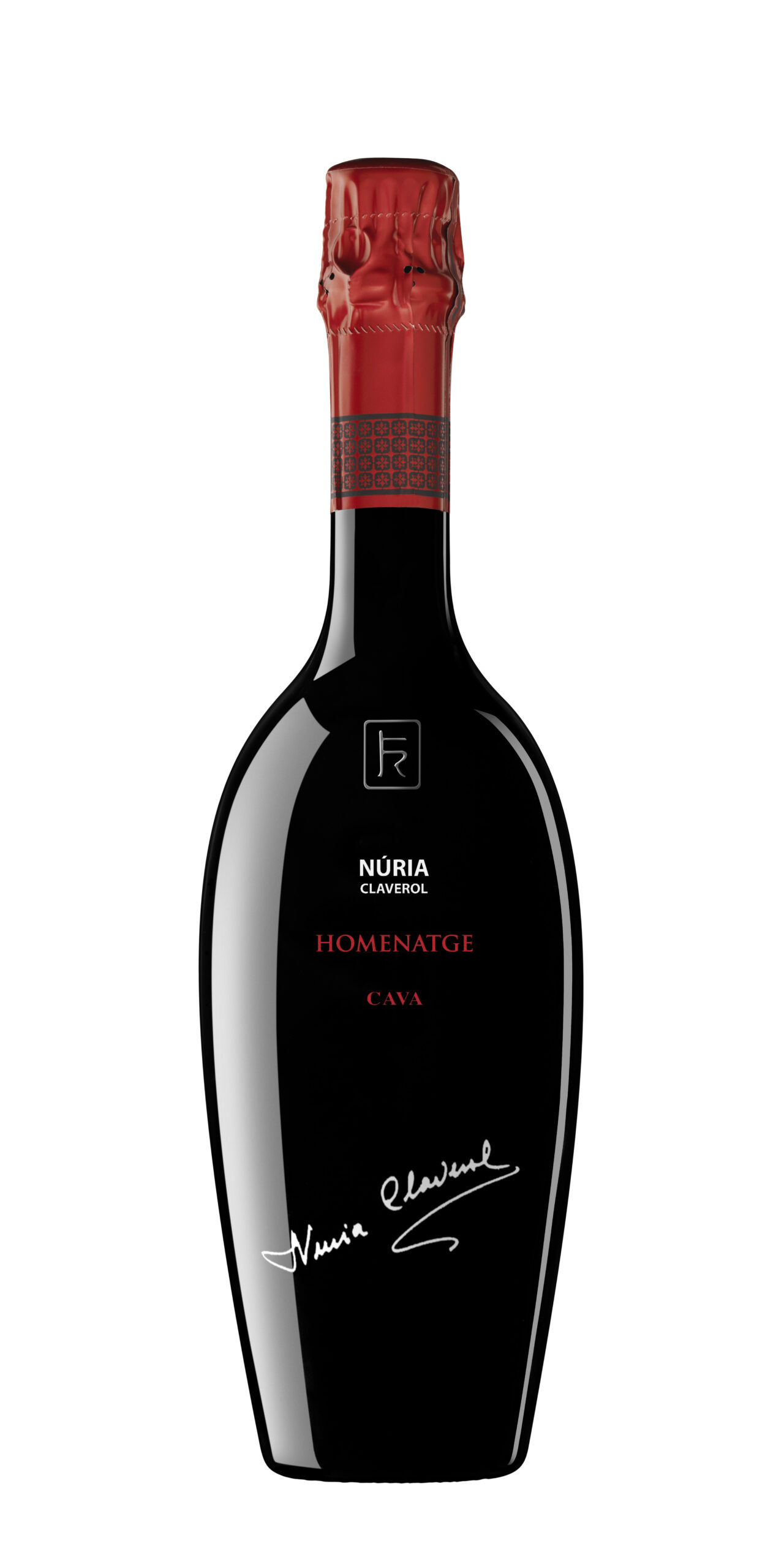 Photo Credit: Sumarroca
Sumarroca and Núria Claverol: When the Critics Agree
DRINK: Núria Claverol Homenatge Paraje Calificado Finca Peretes
Scarcity, history and prolonged aging can establish the conditions for luxury wine. But eventually, what’s in the glass has to justify everything surrounding it.
That’s where Núria Claverol Homenatge becomes particularly compelling.
Sumarroca now has three Núria Claverol wines within the Paraje Calificado classification, all ratified in March 2026: Allier Finca Cols, Homenatge Finca Peretes and Blanc de Noirs Finca Rosendo. Homenatge, made entirely from Xarel·lo, ages for more than 80 months.
Then came a powerful piece of external validation.
At the 2024 Decanter World Wine Awards, Núria Claverol Homenatge 2016 received 97 points and a Platinum medal. More significantly, it was the only Cava to receive Platinum in that year’s competition.
That’s worth dwelling on.
The luxury wine world is filled with beautiful bottles, elaborate estates and compelling origin stories. Blind and comparative tasting strips much of that away. Homenatge’s performance provides evidence that what is happening at Cava’s upper reaches isn’t simply clever premiumization.
The wine can perform.
The Núria Claverol range also provides an unusually clear demonstration of vineyard and varietal specificity: Homenatge centers on Xarel·lo from Finca Peretes, Allier is Chardonnay from Finca Cols, and Blanc de Noirs is Pinot Noir from Finca Rosendo.
Why go: For the serious wine drinker interested in comparing how individual grapes and parcels express themselves through extended traditional-method aging.
What to drink: Homenatge is the obvious starting point, both for its Paraje Calificado credentials and its extraordinary critical performance.
Vins El Cep: Luxury Without the Spectacle
DRINK: Claror Paraje Calificado Can Prats
Not every luxury wine experience needs monumental architecture or a famous family name.
At Vins El Cep, the luxury is provenance.
Four families, Carreras, Esteve, Masana and Parera, joined forces to establish Vins El Cep in 1980, but their agricultural roots in the area reach back centuries. The winery itself sits at Can Llopart de les Alzines, an estate dating to 1499, while Can Prats can trace its history to 1393, when its farmhouse was built by Berenguer Raspall.
The families began implementing organic techniques in 2003 and became pioneers of biodynamic farming in Penedès.
That philosophy reaches its clearest expression in Claror Paraje Calificado Can Prats, the world’s first biodynamic Cava.
Claror was first produced in the 2006 vintage and became a landmark biodynamic Cava. The Paraje encompasses old vines and distinctive soils around Can Prats; for Claror, the producer selected just 5.5 hectares of old Xarel·lo, Macabeo and Parellada vines managed biodynamically. One documented release amounted to only 2,800 bottles.
Today, Claror’s Paraje Calificado expression ages for more than 84 months.
As of March 2026, Vins El Cep holds a second Paraje Calificado wine as well: MIM Natura Blanc de Noirs, a 100 percent Pinot Noir biodynamic Gran Reserva from a vineyard on the same Can Prats estate in Espiells, currently aging for more than 36 months. It’s a newer, more experimental sibling to Claror, and worth tasting alongside it to see how differently the estate’s biodynamic philosophy expresses through a red grape rather than the traditional Xarel·lo, Macabeo and Parellada blend.
This is a different interpretation of luxury from Codorníu’s architectural grandeur. There is no need for spectacle when the story is four families, old vines, biodynamic farming, tiny production and an identifiable piece of land.
And this is one of the places where visiting adds genuine understanding. Vins El Cep has offered experiences that actually take guests into Can Prats itself, walking through the Paraje Calificado vineyards and explaining the organic and biodynamic viticulture behind Claror.
Why go: For the wine lover who defines luxury through authenticity, access and an intimate relationship with place.
What to drink: Claror Can Prats. Don’t rush it, and don’t treat it simply as an aperitif. This is Cava built to command the same attention at the table as serious still wine. MIM Natura Blanc de Noirs is worth seeking out for comparison
Art Laietà d’Alta Alella: Cava Looking Forward
DRINK: Mirgin Exeo Paraje Calificado Vallcirera
If Codorníu represents Cava’s history, Art Laietà d’Alta Alella helps represent its future.
Its inclusion is important because the luxury conversation shouldn’t become a competition over which family has the oldest cellar. Modern fine wine increasingly defines luxury through sustainability, vineyard specificity, limited production and the ability to express a distinctive landscape.
Art Laietà d’Alta Alella brings that sensibility to Cava.
Its Mirgin Exeo Paraje Calificado Vallcirera currently spends more than 66 months aging, while sister bottling Mirgin Opus Vallcirera spends 50 months. Both belong to the small group of 14 Paraje Calificado wines, and the Vallcirera estate itself was expanded in the same March 2026 ratification that added five new wines to the classification.
The appeal here is less about opulence than precision. At this level, the objective isn’t simply to create richer sparkling wine. It is to preserve the character of a particular site through fruit quality, controlled yields, traditional-method production and prolonged aging.
That distinction matters because luxury wine has changed. Collectors increasingly care about how vines are farmed, who controls the process and whether a bottle could plausibly have come from anywhere else.
Art Laietà d’Alta Alella speaks fluently to that drinker.
Why go: For a more contemporary, Mediterranean interpretation of fine sparkling wine, one that places landscape and terroir ahead of ceremony.
What to drink: Mirgin Exeo Paraje Calificado Vallcirera, the longer-aged of Alta Alella’s two current wines at the classification’s summit.
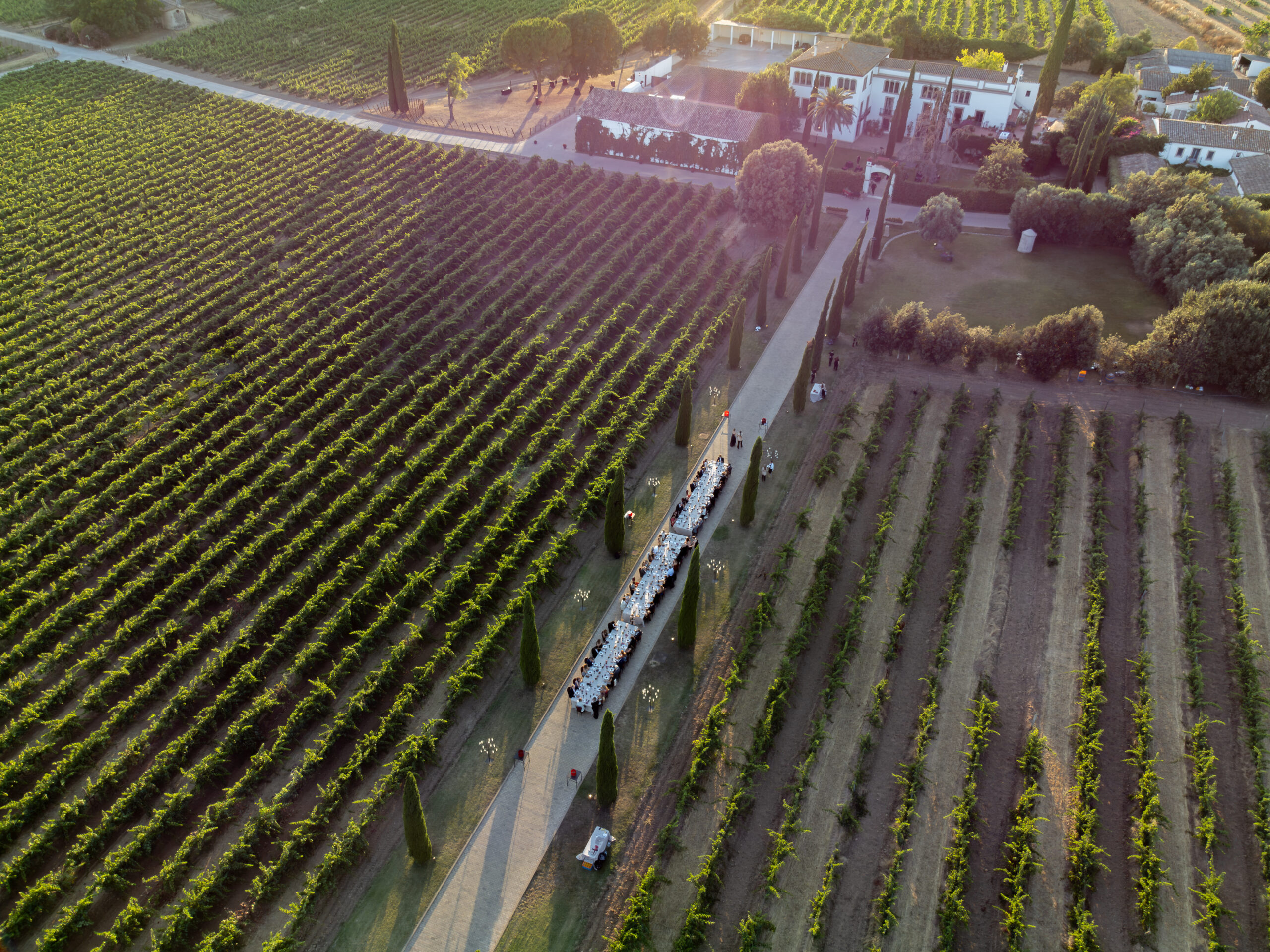 Photo Credit: Pere Ventura
Pere Ventura and Can Bas: The Polished Side of Terroir
DRINK: Gran Vintage Paraje Calificado Can Bas
Pere Ventura’s Gran Vintage Can Bas brings several threads of the story together: defined vineyards, old vines, vintage specificity, long aging, scarcity and a deliberately luxurious sense of presentation.
The Paraje Can Bas consists of a small terroir selected for its distinctive soil and microclimate. Gran Vintage is only produced in vintages deemed exceptional enough, and each bottle is numbered and carries its disgorgement date.
The wine is built around old-vine Macabeo and Xarel·lo from individual Can Bas plots. The 2014 release, for example, was made from five old-vine parcels; a published tasting gave it 96 points, noting cashew, fennel, peach, herbs, saline citrus and apple alongside fine, soft bubbles.
Current Paraje Calificado Gran Vintage ages for more than 96 months.
Eight years underground changes the conversation around what Cava is intended to do. This isn’t merely something cold and sparkling to open before dinner. The combination of autolytic complexity, acidity and texture allows wines like this to move through a meal, pairing with dishes that would overwhelm simpler sparkling wines.
Can Bas also supplies something useful to the luxury traveler: polish without sacrificing the vineyard story. The experience begins with a historic estate, but the ultimate point is still the land responsible for what’s in the bottle.
Why go: For the intersection of serious terroir and a more refined, traditionally luxurious estate experience.
What to drink: Gran Vintage Paraje Calificado Can Bas, preferably at the table rather than relegated to the aperitif hour.
Carles Andreu: The Newest Name at the Summit
DRINK: L’Era del Celdoni, Cava de Guarda Superior de Paraje Calificado
Of the five wines added to Cava’s highest tier in March 2026, only one came from outside Penedès entirely, and it may be the most surprising addition of all.
Carles Andreu is the only private winery in Conca de Barberà focused primarily on Cava, a region better known for still red wine than sparkling. The family has farmed vines there since the 18th century, with a purchase document for the Mas del Celdoni estate in the family archive dating to 1781. Carles Andreu launched the cava that bears his name in 1991, initially in the old manor house of Cal Celdoni before building a new winery there in 2004.
L’Era del Celdoni takes its name from that same estate, an ancient open-air threshing floor historically associated with quality and balance. The wine is a single-varietal Parellada, sourced from vines more than 50 years old at high altitude, aged for 87 months.
That single detail, an entire Paraje Calificado wine built around Parellada alone, is unusual. Parellada is typically prized for finesse and freshness rather than long-aging potential, and is more often a supporting player in a traditional Cava blend than the whole point of one. L’Era del Celdoni argues otherwise: after more than seven years on the lees, the wine develops brioche, dried apricot and toffee notes layered over its base of pear, gooseberry and fennel, proof, as the D.O. itself has put it, that Parellada can age, and age very well.
It also becomes only the second single-vineyard Cava from the Serra de Prades subzone of Conca de Barberà, following Codorníu’s El Tros Nou, giving the region its own small but genuine claim to Cava’s summit.
Why go: For a genuinely different terroir story, high-altitude Conca de Barberà rather than Penedès, and proof that Parellada belongs in this conversation too.
What to drink: L’Era del Celdoni is the only wine to try here; there is no larger portfolio competing for attention.
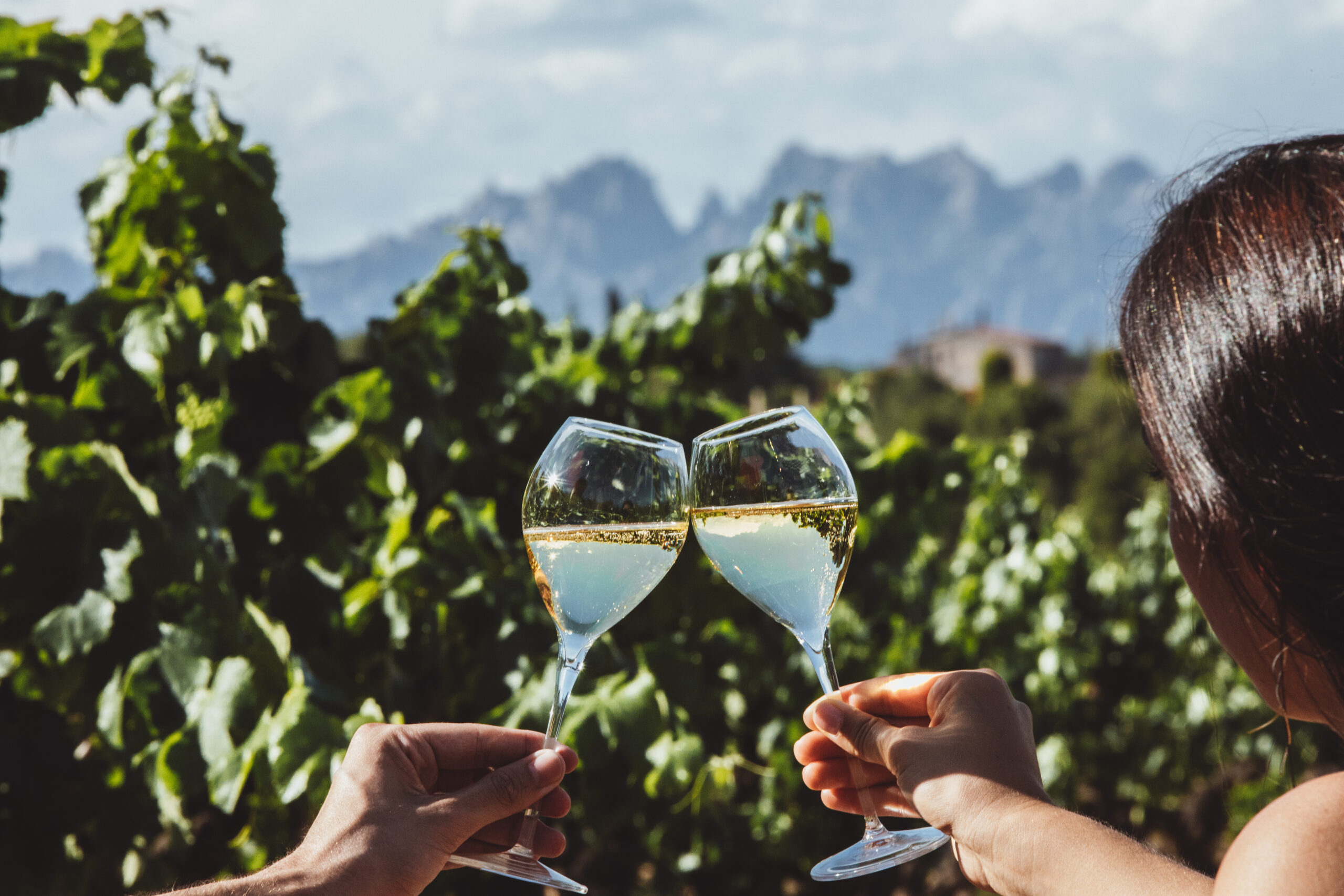 Photo Credit: D.O. Cava
Why Brut Nature Matters
There’s one final detail worth understanding before visiting Cava country: Brut Nature.
Some of the most compelling wines at the top of the category are made with little to no dosage after disgorgement. The D.O. itself emphasizes Cava’s aptitude for Brut Nature, while its broader materials connect the style with purity and the Mediterranean identity of the wines.
For a great wine, that can be revealing.
Dosage can help shape balance and style in sparkling wine; its use is not inherently a measure of quality. But when an exceptionally long-aged Cava succeeds as Brut Nature, there is nowhere for mediocre fruit, poor acidity or imbalance to hide.
The resulting dryness also helps explain why serious Cava deserves to be thought of as a gastronomic wine rather than merely a celebratory one.
Its bubbles may suggest the beginning of dinner. Its structure doesn’t require the wine to leave when the first course arrives.
Read More
For more of Haute Living‘s luxury spirits coverage, check out Celebrity Wines That Need to Be on Your Radar in 2026.
Frequently Asked Questions
What is Cava de Guarda Superior de Paraje Calificado?
It's D.O. Cava's highest classification, reserved for sparkling wines from a single designated estate with distinctive soil and microclimate, produced under stricter rules than any other Cava tier, including hand harvesting, restricted yields, at least 36 months of aging, and full organic certification from the 2025 harvest onward.
How many Paraje Calificado wines currently exist?
As of March 2026, 14 wines from eight houses hold the designation, following the addition of five new wines that year.
Has any Paraje Calificado Cava won major international awards?
Sumarroca's Núria Claverol Homenatge 2016 won a Platinum medal and 97 points at the 2024 Decanter World Wine Awards, the only Cava to receive Platinum that year.
Latest from Haute Living
José Andrés is Bringing Bazaar Back to Miami Beach With Bazaar Meat

Audemars Piguet Turns the Royal Oak Into High Jewelry—Exclusively Selling Them in Private

Haute Living Joins Miami’s Business Owner Strategy Summit This November