






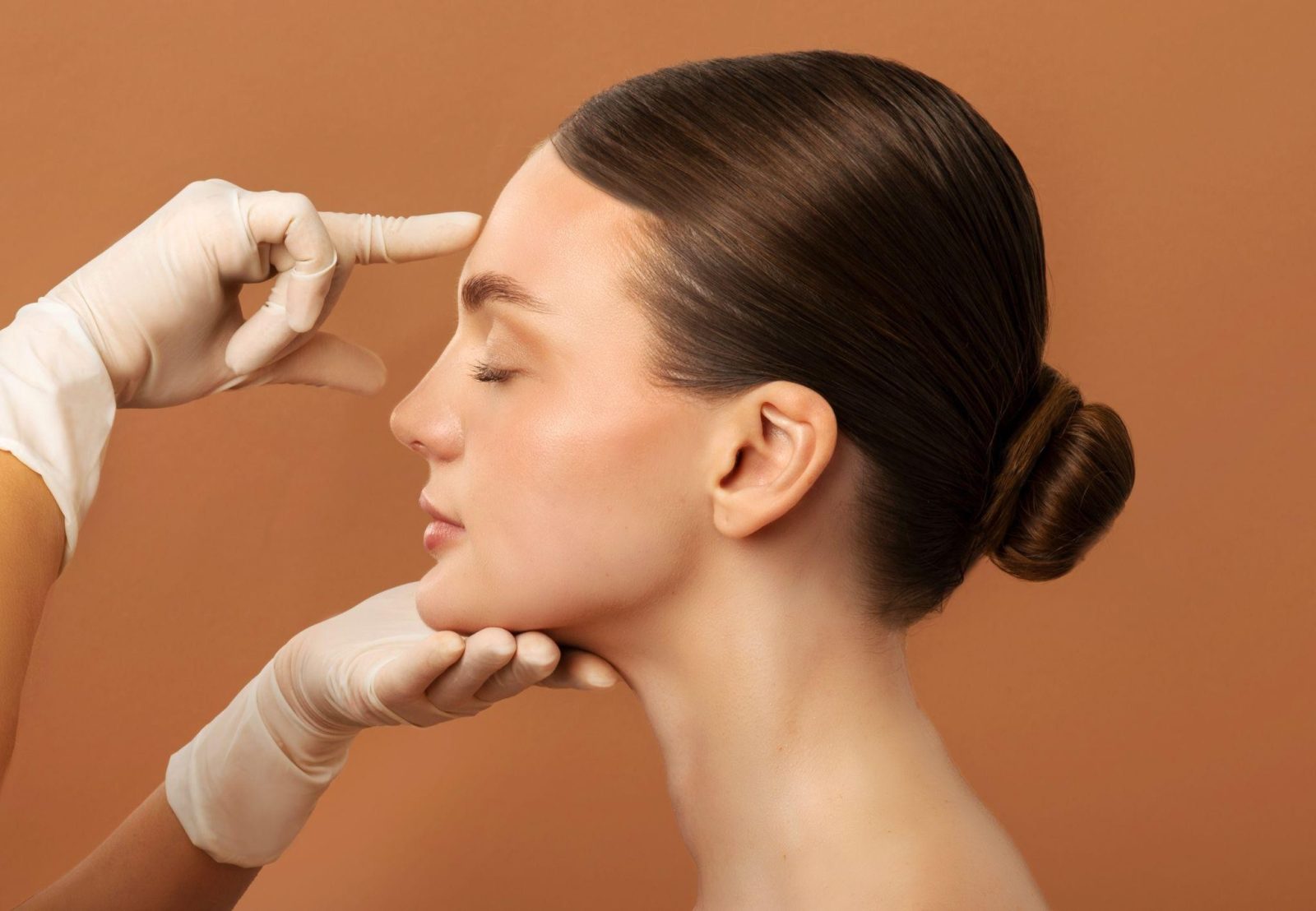
 Photo Credit: Shutterstock
The decision to have plastic surgery is deeply personal, but what comes after surgery is just as important as the procedure itself. Healing well isn’t only about what the body does naturally. It’s also about how you support the process.
In my practice, I’ve always approached recovery as part of the treatment plan. Whether it’s a facelift, tummy tuck, or body contouring procedure, the healing process has a direct impact on your final results. That’s why I believe in empowering patients with clear guidance and personalized care from day one.
Recovery is active, not passive
The body is incredibly capable of healing, but it needs the right conditions to do so. The early days after surgery are critical. Swelling, tightness, and fatigue are normal, but how you treat your body during this time can influence everything from scar quality to skin tone to how long your results last.
Simple things make a big difference. Keeping your head elevated after facial procedures, limiting movement after abdominal surgeries, and wearing compression garments as instructed all support your body/s ability to heal efficiently and safely.
It’s not about rushing back to everyday life. It’s about giving your body space to do the work and letting it do that work without interruption.
Your body knows the timeline
One thing I always tell patients is that the calendar is a guideline, not a rulebook. Healing occurs in stages, and each person's stages look different.
Some people feel ready to return to their routines in a week or two, while others will need more time. Your energy, your swelling, your incisions — they all tell a story. Listen to that story, not just the date.
Follow-up visits are key. They allow us to make adjustments to your recovery plan, address concerns early, and guide your progress based on what your body is actually doing, rather than what a generic post-op timeline suggests should happen.
Fueling your recovery from the inside out
You can’t talk about healing without talking about nutrition, hydration, and rest. Surgery places stress on the body, and it takes energy to rebuild tissue and form new collagen.
Eating protein-rich foods, staying hydrated, and getting enough rest are not only good habits but also essential for your recovery. I often recommend increasing your intake of vitamins A and C, as well as zinc, to help your body repair more efficiently. Avoiding alcohol, nicotine, and excess salt is just as crucial for reducing inflammation and protecting your circulation.
These aren’t dramatic lifestyle overhauls. They’re foundational habits that speed up healing and improve how your results hold up over time.
Skin care and skin health matter
Every incision is made with intention. I take great care to place them along natural creases and lines so they’re as discreet as possible, but the appearance of scars depends heavily on what happens after the operating room.
Once your surgeon gives the go-ahead, start scar therapy as directed — whether through silicone sheets, massage, or prescription creams. And sun protection is non-negotiable. UV exposure can permanently darken healing tissue, even long after your scars have flattened.
Good skincare doesn’t stop at the face, and it doesn’t stop after surgery. Support the skin around surgical areas with gentle moisturizers. Avoid harsh products and treat your skin like the investment it is.
What you do now shapes what lasts
Plastic surgery is a partnership. I perform the procedure, but it’s your daily choices afterward that shape the outcome. That’s why I guide patients not only through surgery but also through maintenance.
Stay consistent with follow-ups, protect your skin, move your body in ways that feel good, and stay close to your goal weight if you’ve had a body contouring procedure. Minor fluctuations are normal, but significant shifts can change the shape we worked to achieve.
Healing isn’t just about going back to normal. It’s about building a new normal — one that feels more aligned with how you want to look, feel, and live.
– As a graduate of one of the top Medical Schools in the world, the University of Cambridge, Dr. Siamak Agha was selected into the highly exceptional physician scientist program (integrated MD / PhD) on a scholarship funded by The Wellcome Trust. During this time, Dr. Agha’s research in Gene Therapy resulted in 2 international patents that were filed by Cambridge University. Dr. Agha then completed 7 years of residency in Plastic and Reconstructive Surgery at the University of Pittsburgh Medical Center, one of the most respected and comprehensive Plastic Surgery training programs in the United States. Dr. Agha is a Board Certified plastic surgeon and a member of the American Society of Plastic Surgeons. He has spent the last 20+ years perfecting the art of aesthetic facial surgery, breast reshaping, and body contouring. During this time, he has pioneered new techniques in the field of plastic surgery, such as his signature Three-Dimensional Facelift, High-Definition Tummy Tuck™, High-Definition Mommy Makeover, Spiral Thigh Lift, Internal Dermal Bra-suspension Breast Lift, and High-Definition Brazilian butt lift Lower Body Lift™.
For more information, visit Dr. Siamak Agha MD, PhD, FACS's social media:
Doctor's Talk
February 12, 2026Fraxel® and Vbeam®: Transforming the Look of Scars