For more than a decade, the branded residence sector has enjoyed a remarkable advantage: attach a globally recognized luxury name to a development, pair it with compelling architecture, and demand would often follow.
Today, that equation is changing.
In the ultra-luxury segment, where buyers are increasingly sophisticated, globally mobile, and deeply informed, a prestigious name alone is no longer enough to justify a premium, sustain absorption, or protect long-term value.
The world's most successful branded residence developments are no longer selling square footage.
They are selling certainty.
Certainty that the service standards promised at launch will still exist years later. Certainty that operational excellence will match the renderings. Certainty that the property's positioning, ownership experience, and resale value have been engineered as carefully as its architecture.
That shift represents one of the most important evolutions in luxury real estate today.
The New Reality of the Ultra-High-Net-Worth Buyer
Ultra-high-net-worth buyers have already seen the best architecture in Miami, Dubai, London, New York, Monaco, and the Caribbean.
Exceptional finishes are expected.
World-class amenities are expected.
Celebrity architects, luxury hospitality partnerships, and iconic branding are expected.
What is no longer taken at face value is execution.
Today's buyers evaluate branded residences through a far more sophisticated lens:
- Does the project's positioning genuinely align with the brand's identity?
- Is demand being generated from qualified global buyers or simply broad local marketing efforts?
- Can the sales team articulate the investment thesis as confidently as they discuss the floor plans?
- Will operational standards remain elite after the final unit is delivered?
- What happens three years after closing?
These questions increasingly determine success or failure.
The luxury brand may open the conversation.
Execution determines whether the premium survives.
The Industry's Most Expensive Blind Spot
Many developers still devote enormous resources to launch campaigns while treating the remainder of the commercial lifecycle as a secondary consideration.
A polished brochure.
A visually stunning website.
An expensive launch event.
These elements matter, but they have become baseline expectations rather than competitive advantages.
The real risk emerges after the initial excitement fades.
When sales teams cannot clearly communicate the ownership experience, value erodes.
When buyer qualification is weak, absorption slows.
When service activation is delayed after handover, trust deteriorates.
When operational standards fail to match the brand promise, reputational damage spreads rapidly through global UHNW networks.
In luxury real estate, perception travels faster than marketing.
The defining moment for a branded residence is rarely launch week.
It is often year three of ownership, when residents begin validating whether the promises made during sales presentations were actually delivered.
That is where brands are either strengthened or exposed.
Why First-Time Branded Residence Developers Face the Greatest Risk
The pressure becomes significantly greater when a developer is delivering its first branded residence or entering a new tier of the luxury market.
Established developers possess a historical record that can offset skepticism.
First-time entrants do not.
Every decision is scrutinized.
Every operational process is tested.
Every delay becomes amplified.
International buyers who may have purchased branded residences across multiple continents compare the experience against the world's leading hospitality and residential operators.
At this level, there is very little margin for inconsistency.
Without a comprehensive commercial and operational strategy, even extraordinary projects can struggle to achieve their full potential.
The Future Belongs to Platforms, Not Vendors
Historically, developers assembled separate providers for marketing, brokerage, public relations, international sales, events, and post-completion support.
The result was often fragmentation.
Different teams pursuing different objectives.
Different interpretations of the brand.
Different definitions of success.
The next generation of branded residence development requires integration.
It requires a platform capable of managing the entire commercial and operational journey, from global positioning and demand generation to sales execution, handover, and long-term brand protection.
This is where Le Comble has deliberately positioned itself.
Rather than operating as another brokerage, marketing agency, or advisory firm, Le Comble was built as a single-point ecosystem for the complete lifecycle of branded residences.
Its international sales infrastructure and global network place projects directly in front of pre-vetted, high-intent buyers already familiar with luxury hospitality and branded living concepts.
Beyond traditional distribution channels, Le Comble provides access to strategic relationships, exclusive events, and global audiences that extend across entertainment, professional sports, business leadership, celebrity networks, and international wealth circles, creating visibility and demand opportunities that many developers would struggle to access independently.
The objective is not simply to sell residences.
It is to strengthen brand equity, protect pricing power, enhance liquidity, and create a residential experience capable of sustaining value long after closing.
The New Definition of Luxury Development Success
The branded residence industry is entering a more mature phase.
Developers who continue to view marketing as a brochure exercise, sales as a transactional function, and handover as the finish line will find it increasingly difficult to command the premiums they seek.
The developers who outperform the market will be those who understand a fundamental truth:
A luxury brand creates attention.
A disciplined commercial strategy creates demand.
Operational excellence protects value.
And long-term ownership satisfaction ultimately determines whether a branded residence becomes an enduring success story or a cautionary tale.
The future winners in branded residences will not be the projects with the most recognizable logo on the façade.
They will be the ones that deliver on that promise long after the ribbon-cutting ceremony has ended.
Developers, hospitality brands, and investment groups seeking a comprehensive approach to branded residences can connect with Le Comble at hello@lecomble.com or visit www.lecomble.com.
Question for the industry: Where do you believe first-time branded residence developers create the most value leakage: positioning, global demand generation, sales execution, or post-handover operations?
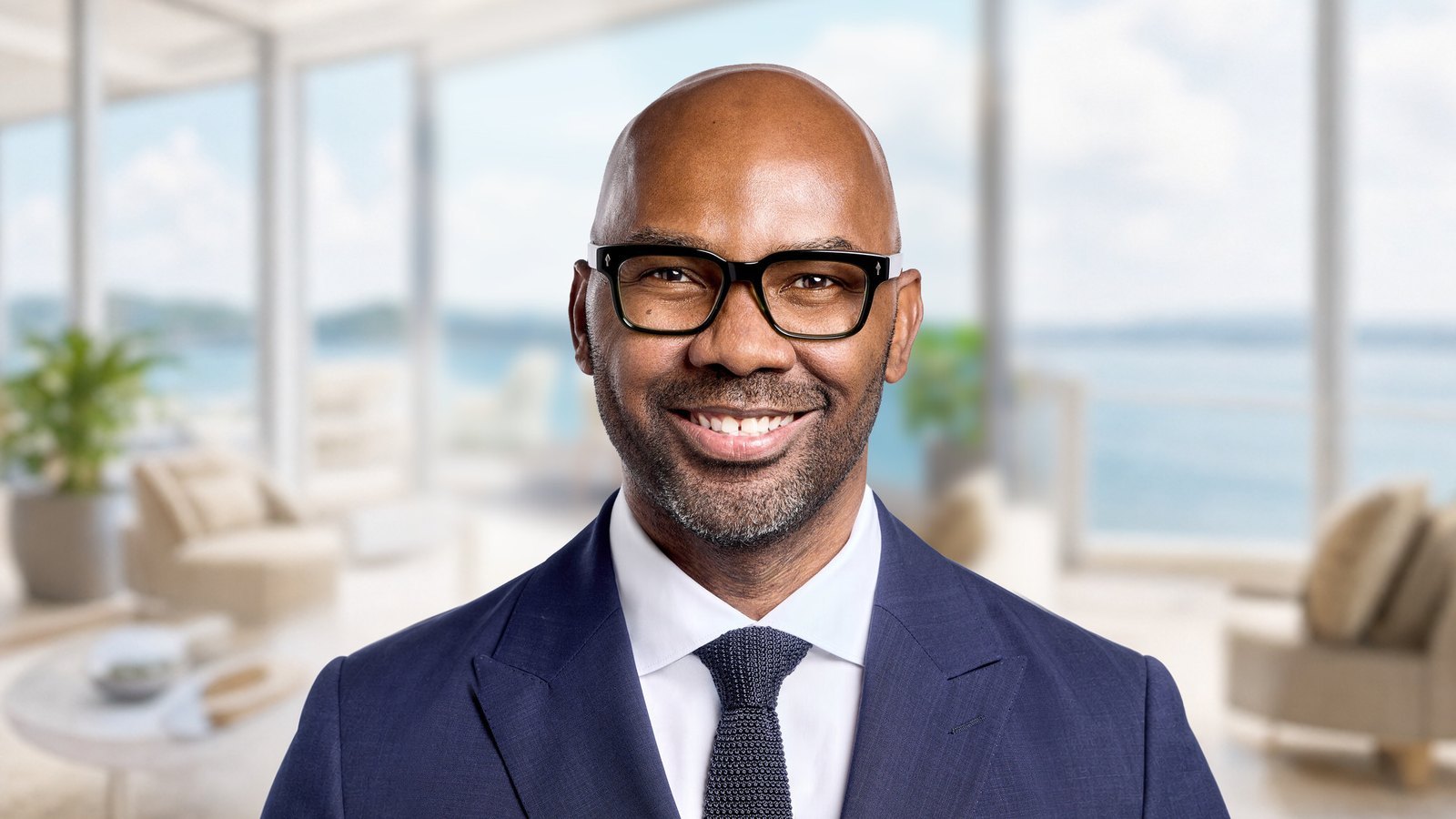
Story by Reggie Bouzy. Browse more luxury listings or find an agent in your market.