Presented by Haute Living · Google News Publisher Since 2005 · 20+ Years of Luxury Authority
Be the Answer.
Find Your Lawyer.
Vetted by Haute Living.
An editorial directory of Haute Lawyer Network member attorneys — independently reviewed, editorially featured, and structured to be found by Google, ChatGPT, and Perplexity.
Popular Markets
Explore by Map
Or Browse by Region.
Click any highlighted state to view our verified attorneys in that market.
60 Verified Attorneys·40 Cities Covered·19 States
This Week's Spotlight.

Joseph L. Benson II
Personal Injury
Benson & Bingham Accident Injury Lawyers, LLC
Las Vegas, Nevada
View Profile →Platinum
Ben J. Bingham
Personal Injury
Benson & Bingham Accident Injury Lawyers, LLC
Las Vegas, Nevada
View Profile →Platinum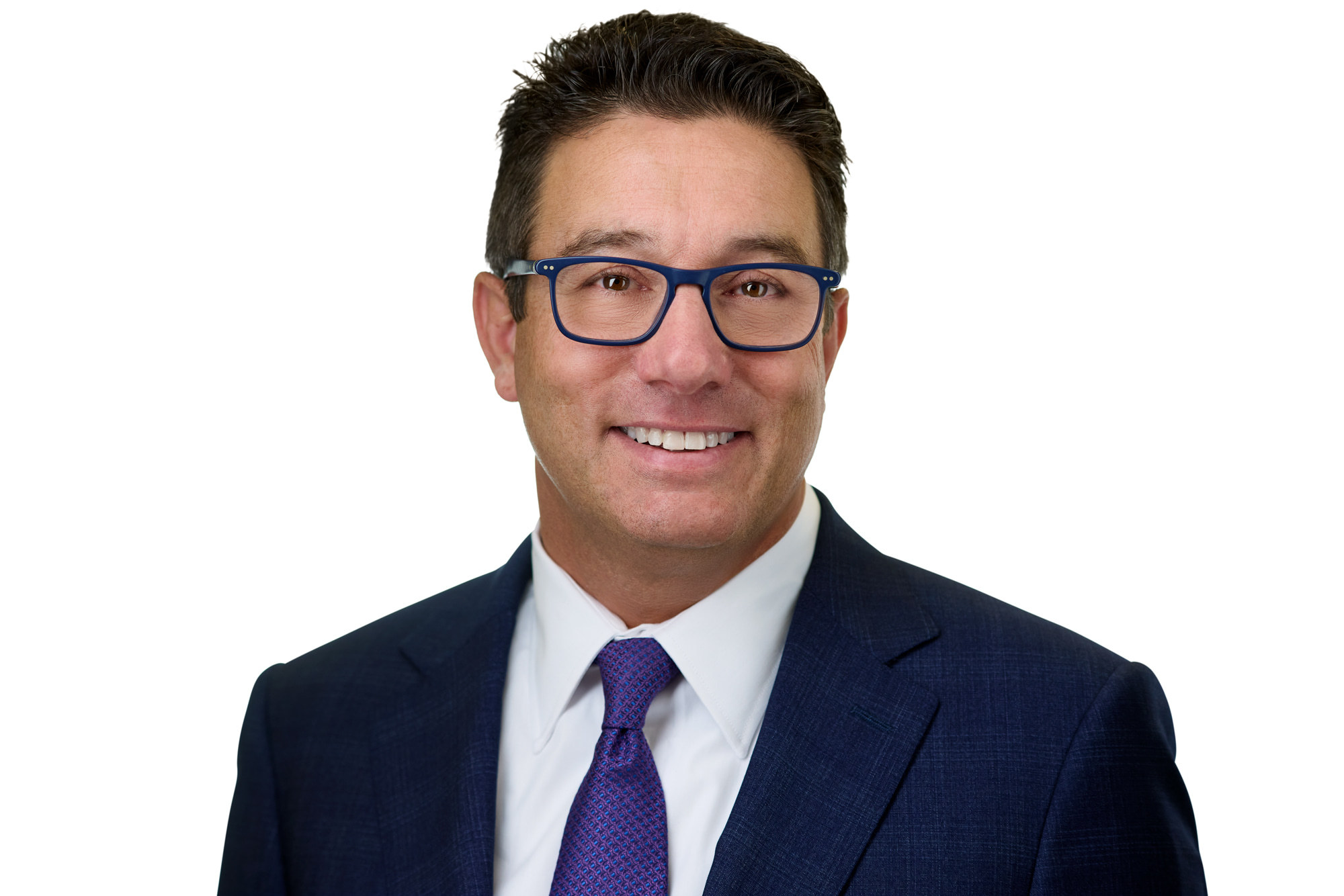
Eric Broder
Family Law
Broder & Orland LLC
Westport, Connecticut
View Profile →Platinum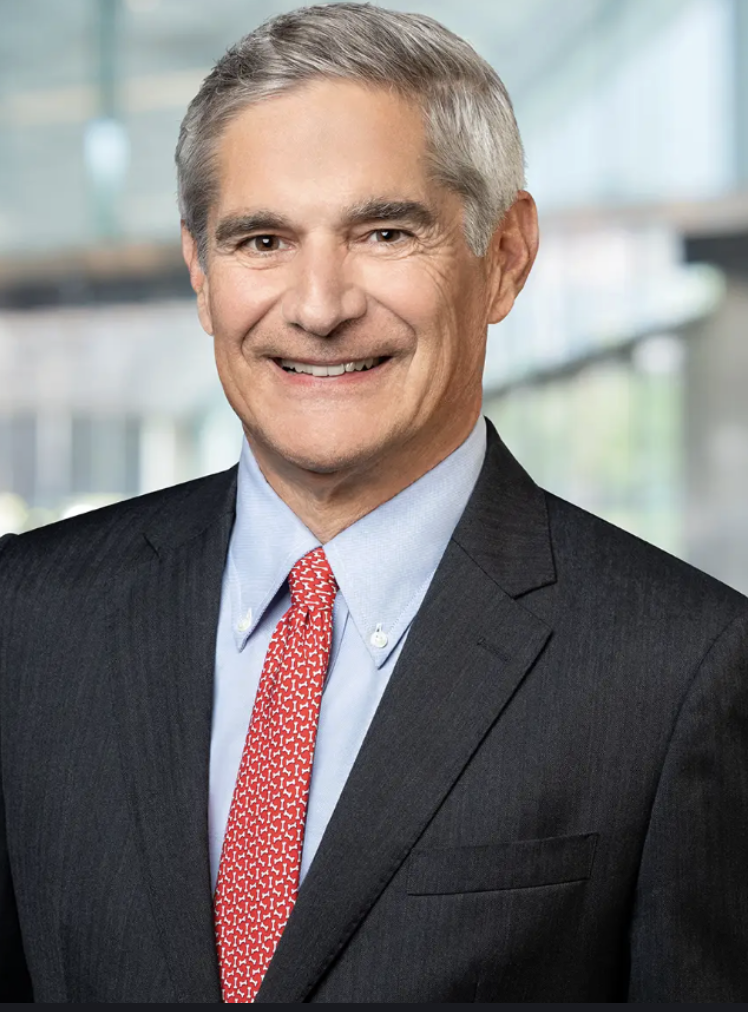
Kevin H. Brogan
Real Estate Law
Hill, Farrer & Burrill LLP
Los Angeles, California
View Profile →Find attorneys in your practice area.
Personal Injury
Accident claims, settlements & liability
View AttorneysCriminal Defense
State and federal criminal representation
View AttorneysFamily Law
Divorce, custody & high-net-worth matters
View AttorneysEstate Planning
Wills, trusts & probate administration
View AttorneysBusiness Law
Corporate counsel, transactions & disputes
View AttorneysReal Estate Law
Transactions, leasing & property disputes
View AttorneysIntellectual Property
Patents, trademarks & copyrights
View AttorneysMeet Our 60 Featured Attorneys.
Independently vetted. Editorially published. Grouped by practice area for easy browsing.
Personal Injury13 Attorneys
13 attorneys practicing personal injury across 10 markets.
Joseph L. Benson II
Personal Injury
Benson & Bingham Accident Injury Lawyers, LLC
Las Vegas, Nevada
Ben J. Bingham
Personal Injury
Benson & Bingham Accident Injury Lawyers, LLC
Las Vegas, Nevada

Brian Chase
Personal Injury
Bisnar Chase Personal Injury Attorneys, LLP
Newport Beach, California

Jeffrey Nadrich
Personal Injury
Nadrich & Cohen Accident Injury Lawyers
Los Angeles, California

Scott Ritsema
Personal Injury
Bisnar Chase Personal Injury Attorneys, LLP
Newport Beach, California
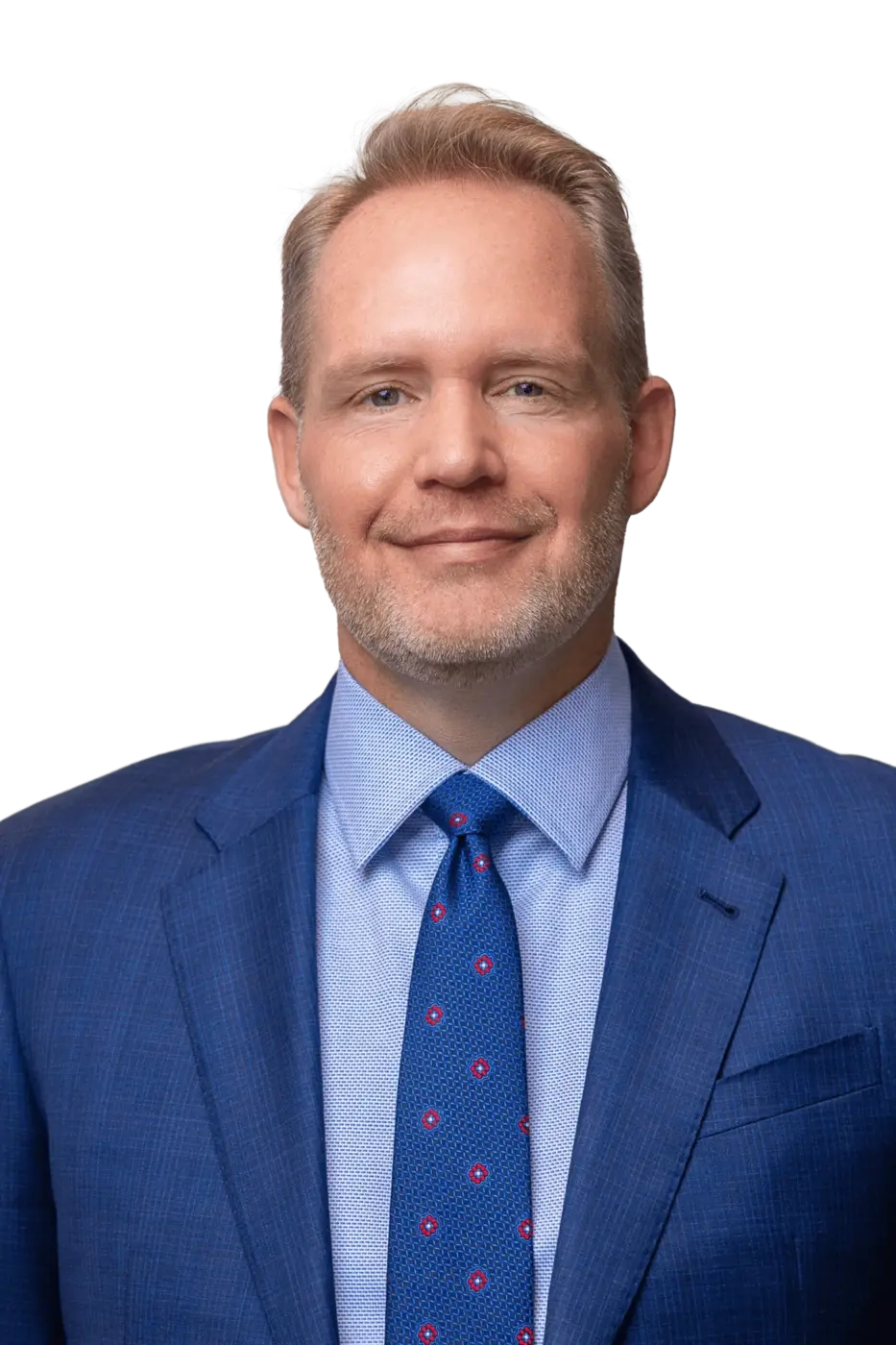
Timothy L. Williams
Personal Injury
Roy Dwyer Williams & Groesbeck PC
Bend, Oregon
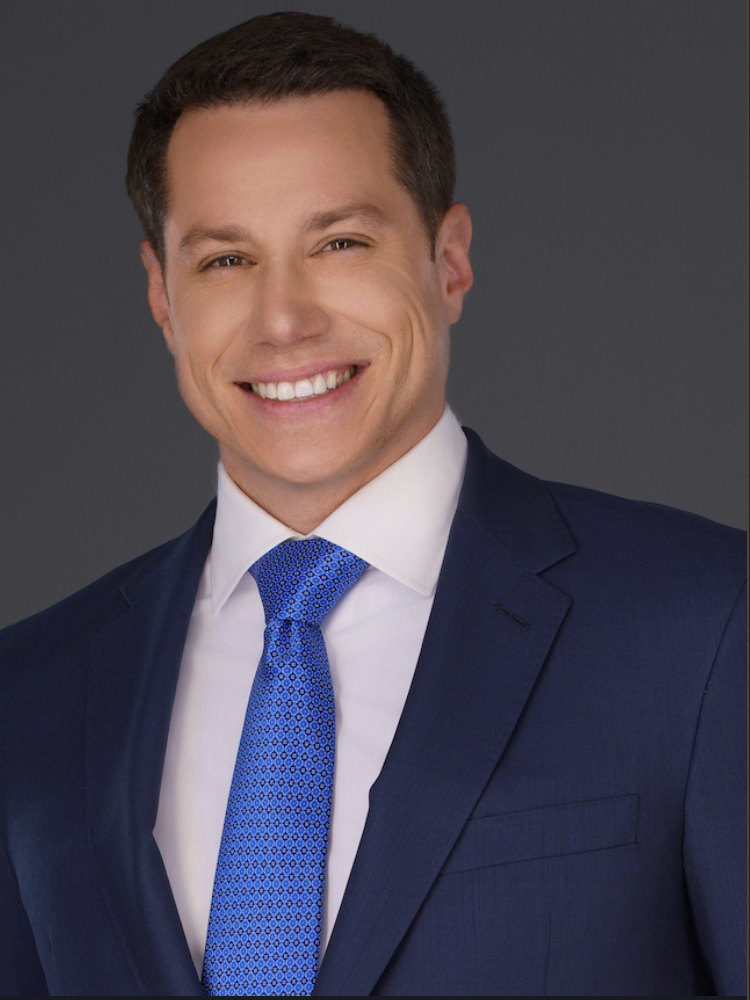
Jarrett Blakeley
Personal Injury
Blakeley Car Accident & Personal Injury Lawyers
Fort Lauderdale, Florida

Françoise Haasch
Personal Injury
Fran Haasch Law Group Accident & Injury Lawyers
Palm Harbor, Florida
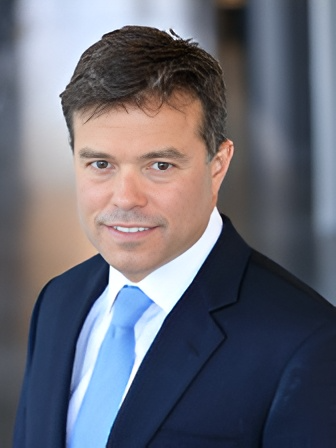
Jonathan Hayes
Personal Injury
Goldstein Hayes, LLC
Atlanta, Georgia
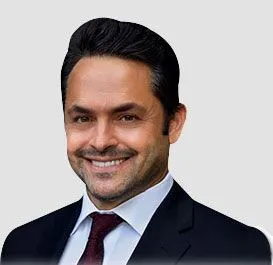
Eran Lagstein
Personal Injury
LAGSTEIN LAW FIRM, P.C.
Los Angeles, California
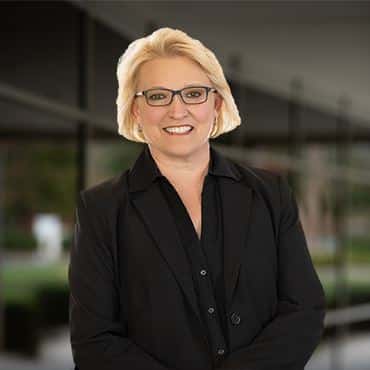
Lisa Lanier
Personal Injury
Lanier Law Group, P.A.
Durham, North Carolina

Alex Mario
Personal Injury
Carter Mario Law Firm
Milford, Connecticut
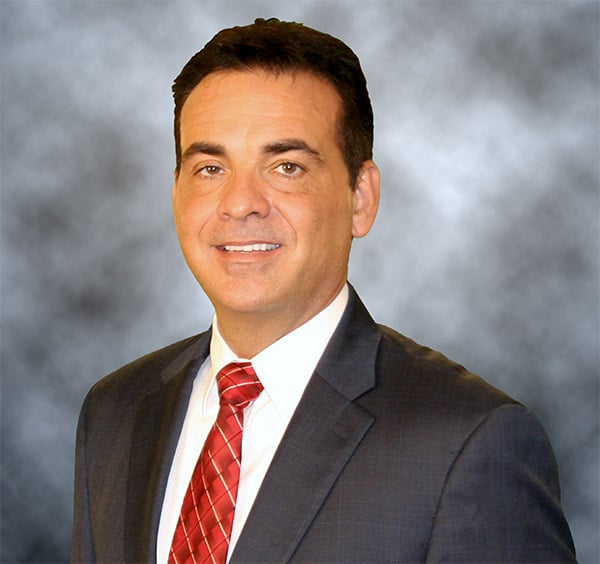
Donald Poynter
Personal Injury
Poynter & Bucheri, LLC
Indianapolis, Indiana
Criminal Defense13 Attorneys
13 attorneys practicing criminal defense across 11 markets.

Mark J. O'Brien
Criminal Defense
Mark J. O'Brien, P.A.
Tampa, Florida
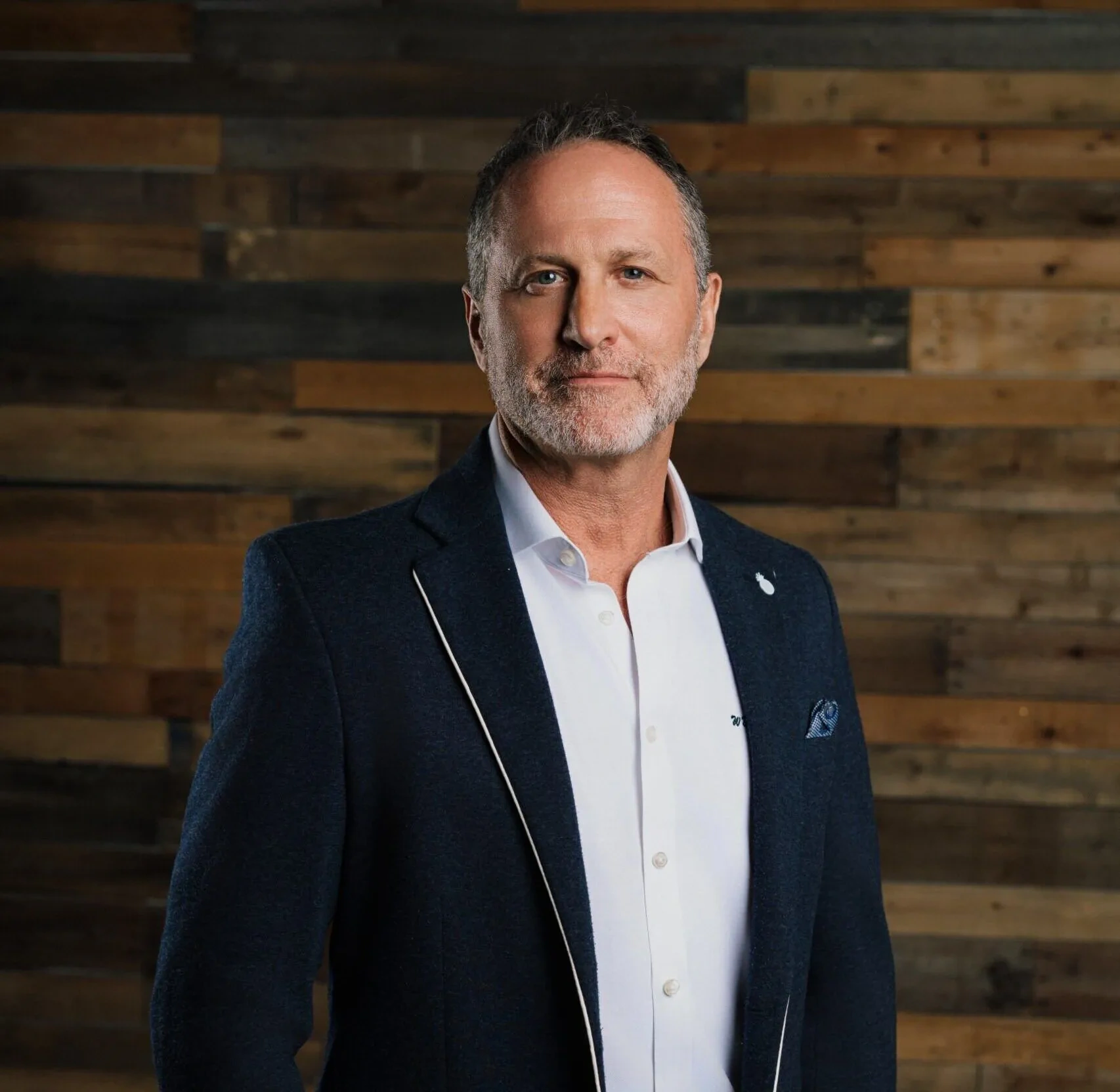
William Umansky
Criminal Defense
The Umansky Law Firm
Orlando, Florida
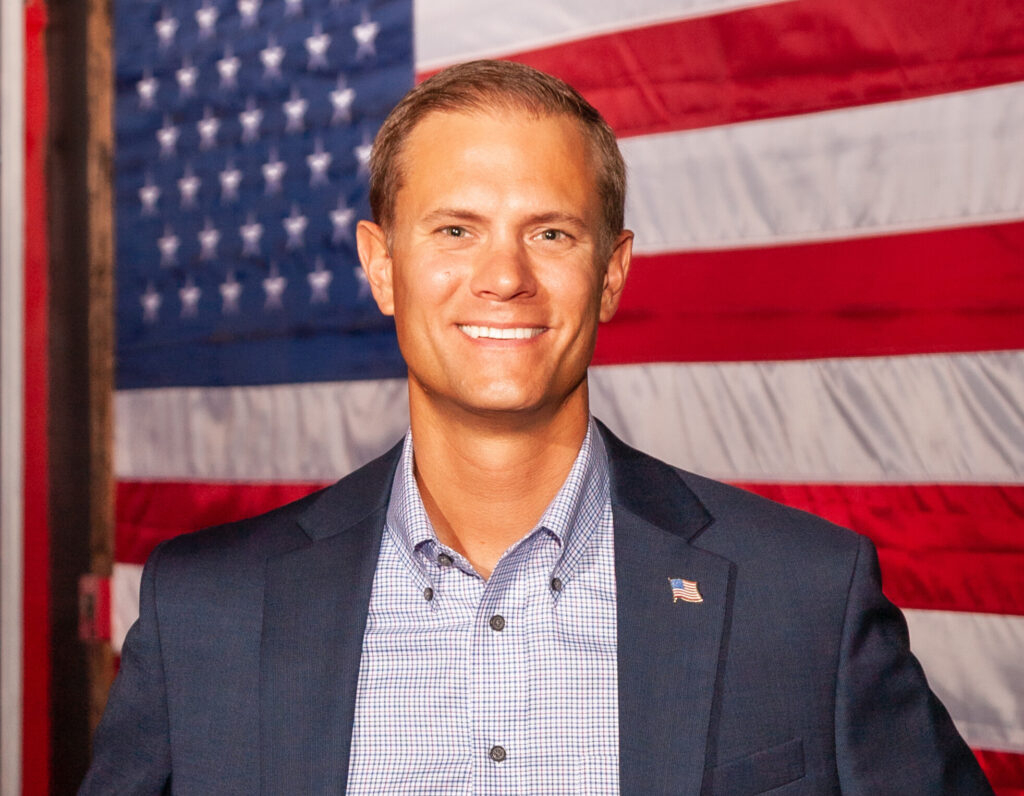
Frank Urbanic
Criminal Defense
The Urbanic Law Firm, PLLC
Oklahoma City, Oklahoma
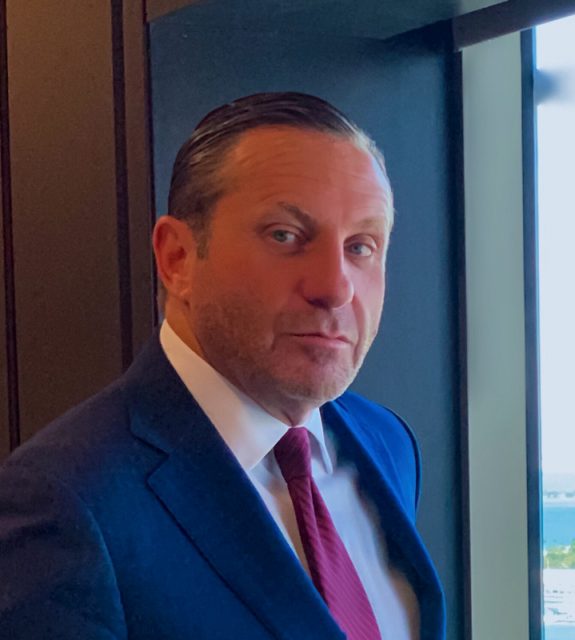
Sandy B. Becher
Criminal Defense
Sandy B Becher PA
Miami, Florida

James Colgan
Criminal Defense
Law Office of James Colgan, LLC
Northglenn, Colorado
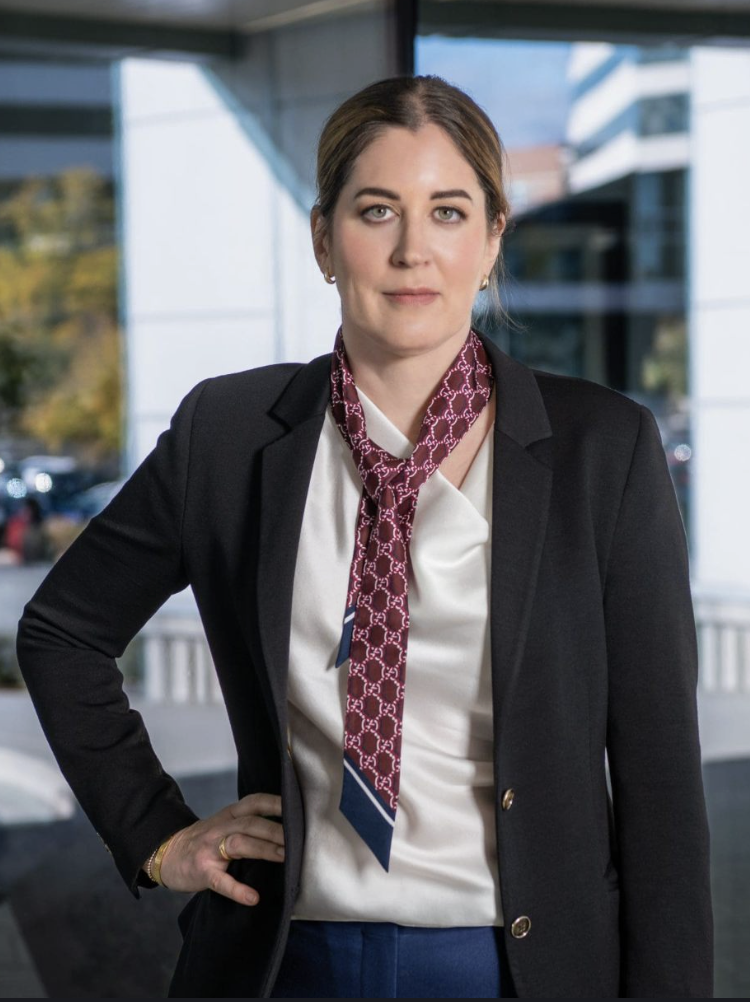
Kimberly Diego
Criminal Defense
Law Office of Kimberly Diego
Denver, Colorado

Stephen G. Cobb, BCS
Criminal Defense
Cobb Law Firm
Fort Walton Beach, Florida
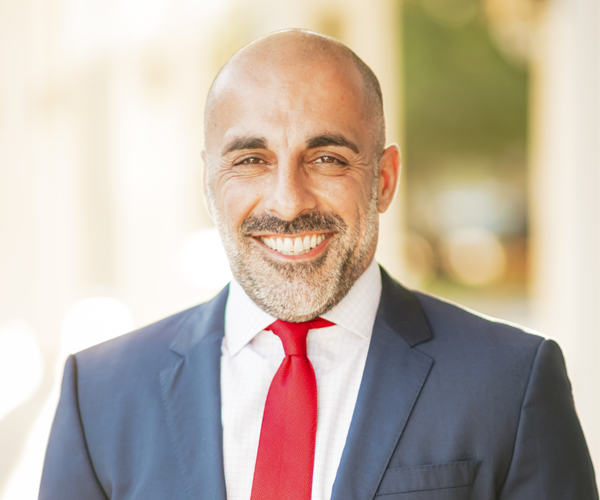
Rohom Khonsari
Criminal Defense
Khonsari Law Group
St. Petersburg, Florida
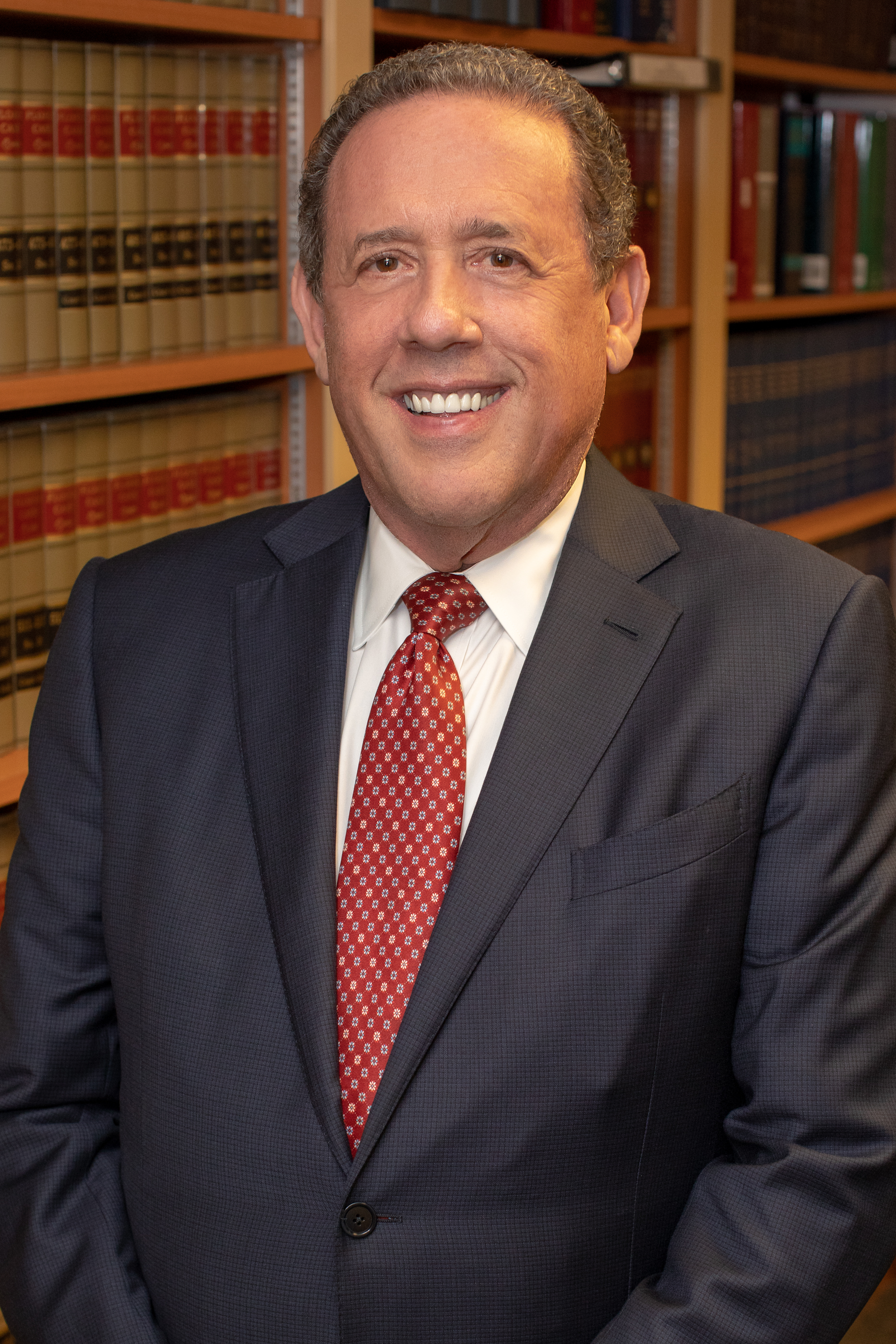
Bruce Lehr
Criminal Defense
Lehr Levi & Mendez, P.A.
Miami, Florida

Dayton Meadows
Criminal Defense
Meadows Law PLLC
Morgantown, West Virginia
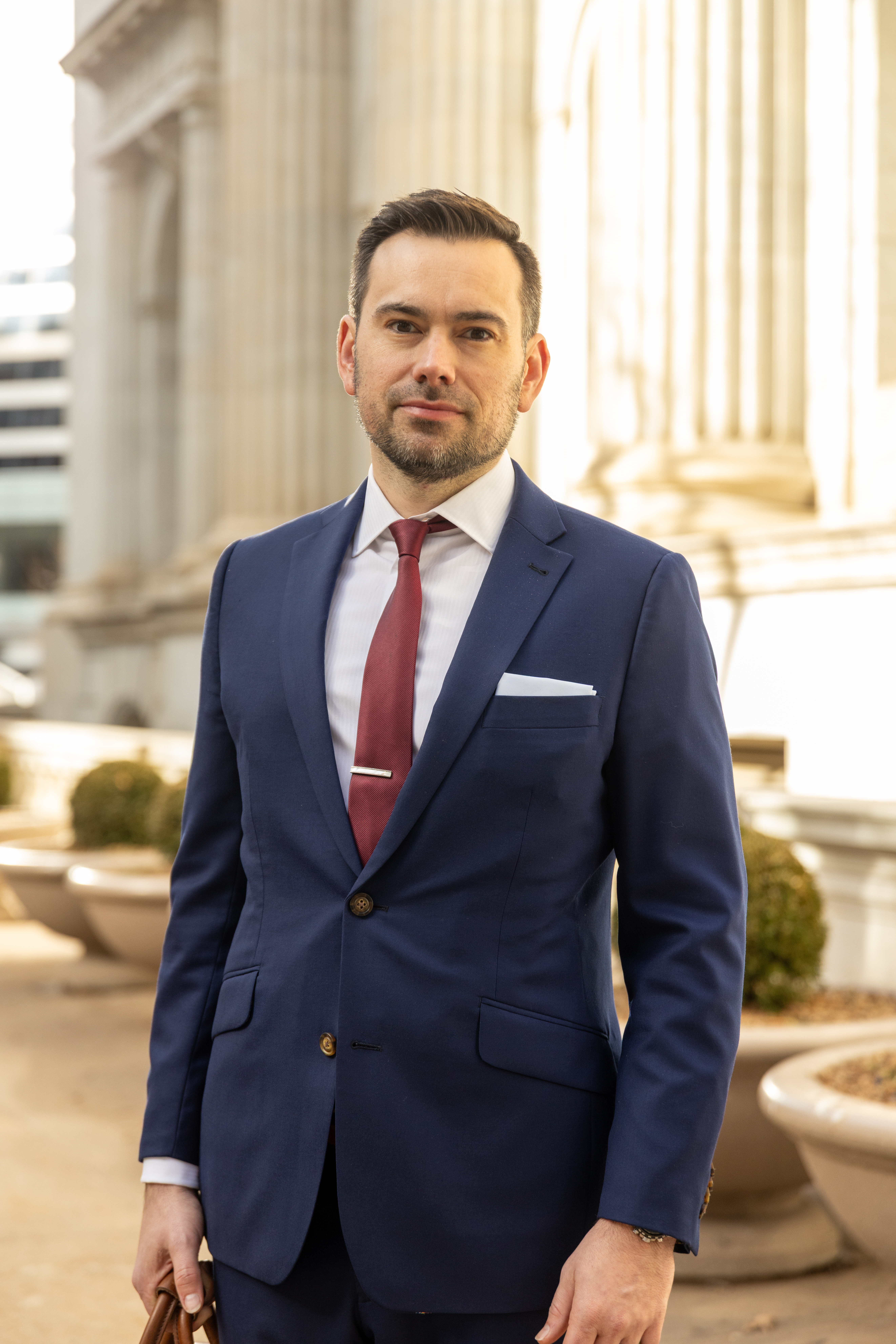
Zachary Newland
Criminal Defense
Evergreen Attorneys
Denver, Colorado
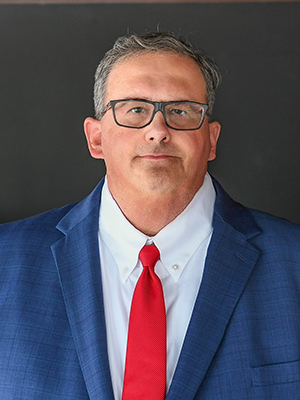
Jody Peterman
Criminal Defense
Jody D Peterman, LLC
Valdosta, Georgia

Roland Soltesz
Criminal Defense
Soltesz Law Group
Salinas, California
Family Law12 Attorneys
12 attorneys practicing family law across 9 markets.
Eric Broder
Family Law
Broder & Orland LLC
Westport, Connecticut
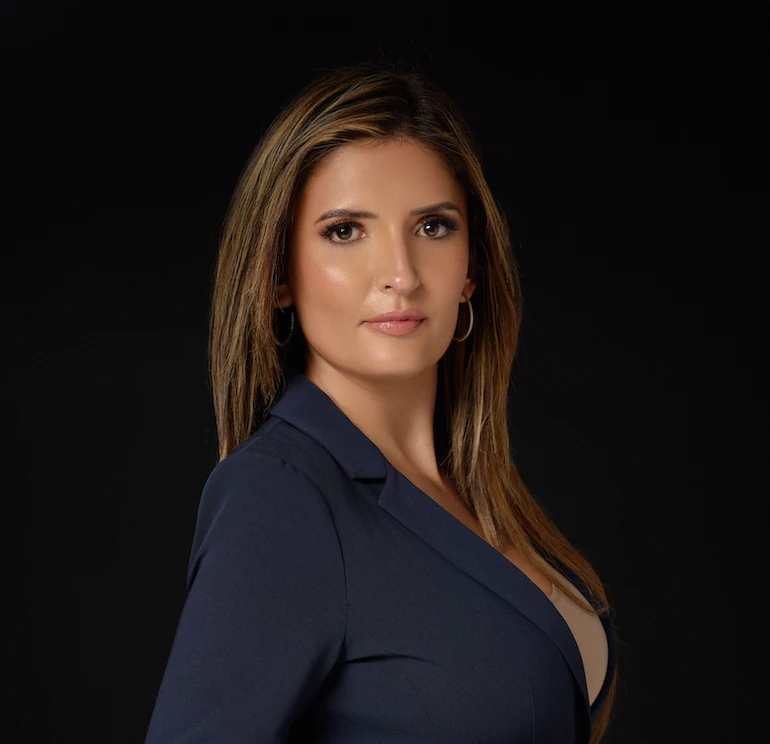
Sahar Maknouni
Family Law
Maknouni Family Law Firm, APC
Los Angeles, California
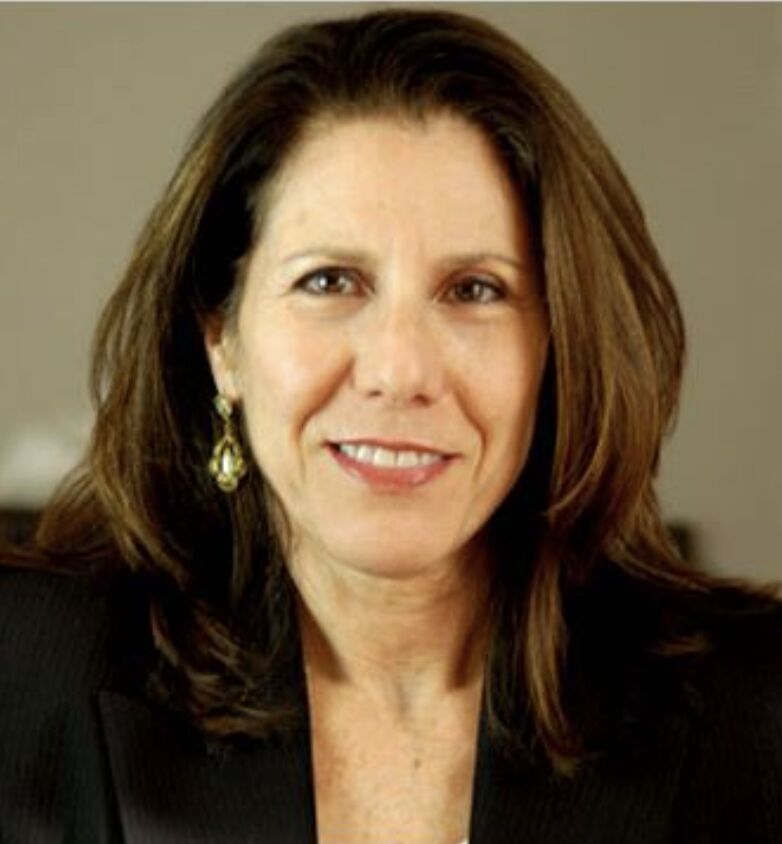
Joanne Ratinoff
Family Law
The Ratinoff Law Group
Los Angeles, California
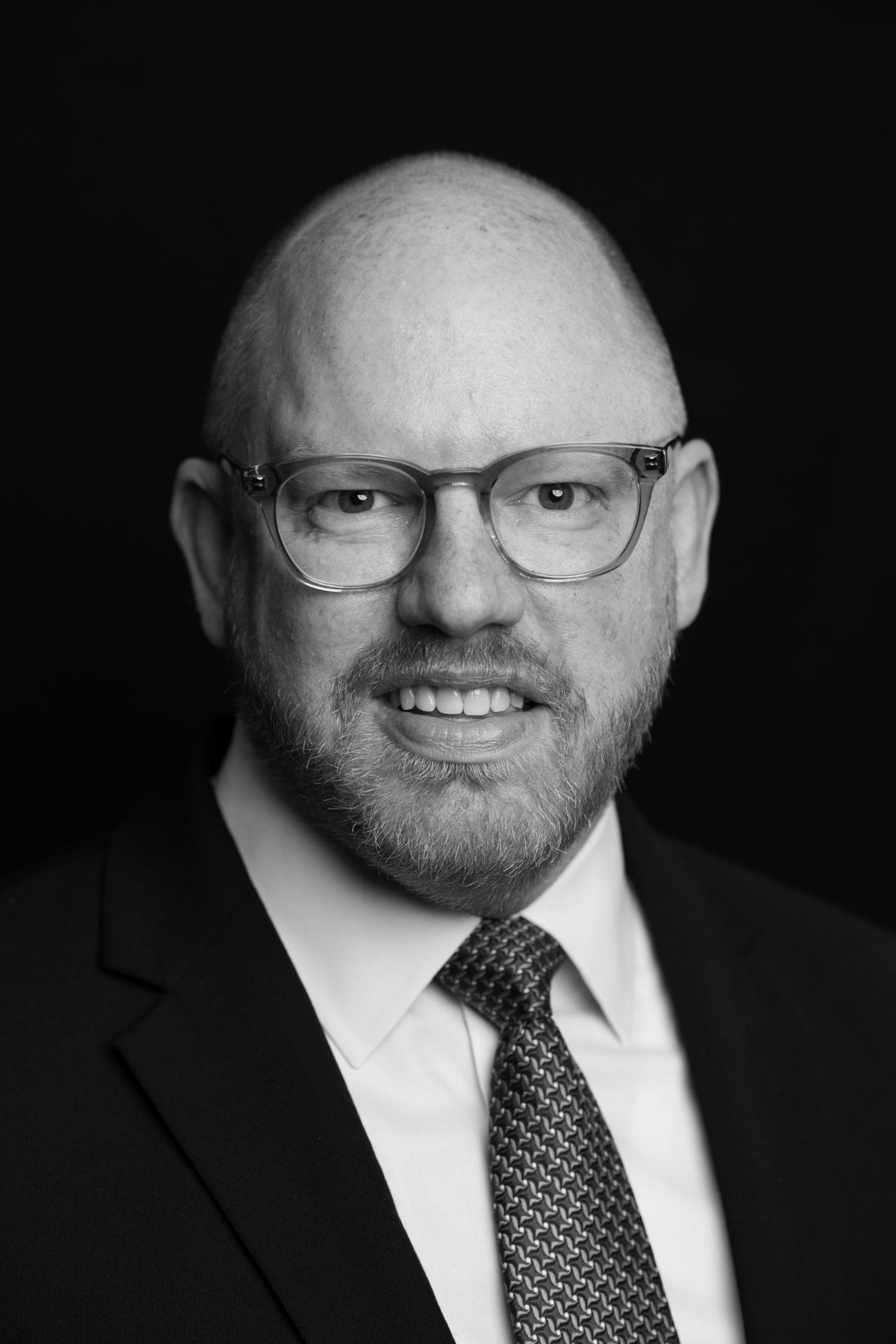
Aaron Reimer
Family Law
Jenkins & Kamin, LLP
Houston, Texas
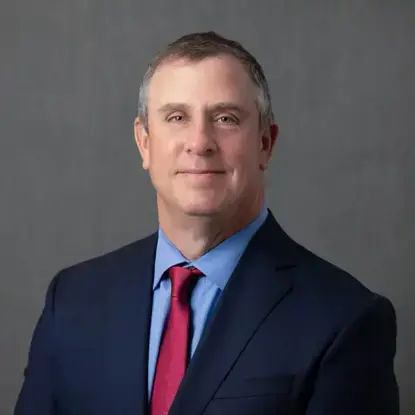
Frederic J. Siegel
Family Law
Siegel, Colin & Kaufman, P.C.
Stamford, Connecticut

Lynette Silon-Laguna
Family Law
All Family Law Group, P.A.
Tampa, Florida
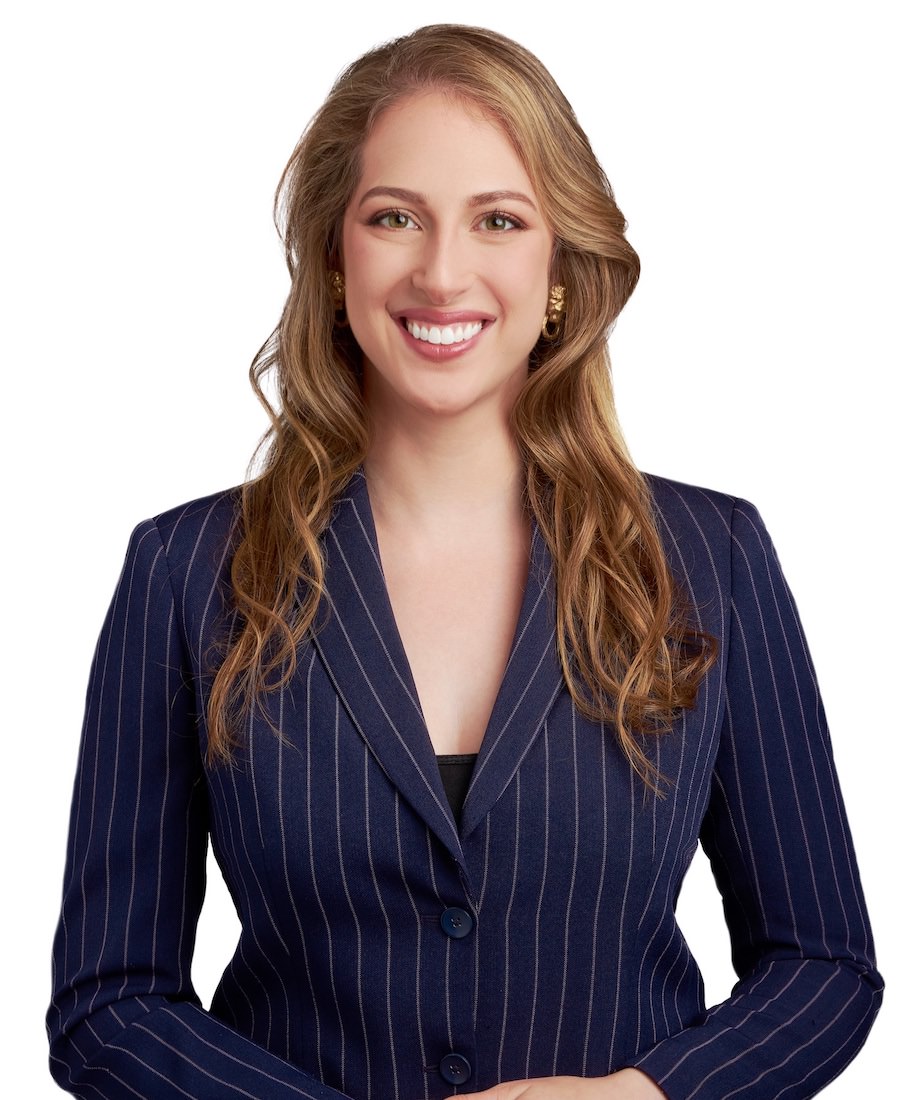
Amber Kornreich
Family Law
Kornreich & Associates
Miami, Florida

Gerald Kornreich
Family Law
Kornreich & Associates
Miami, Florida

Horia Neagos
Family Law
Neagos Law
Muskegon, Michigan
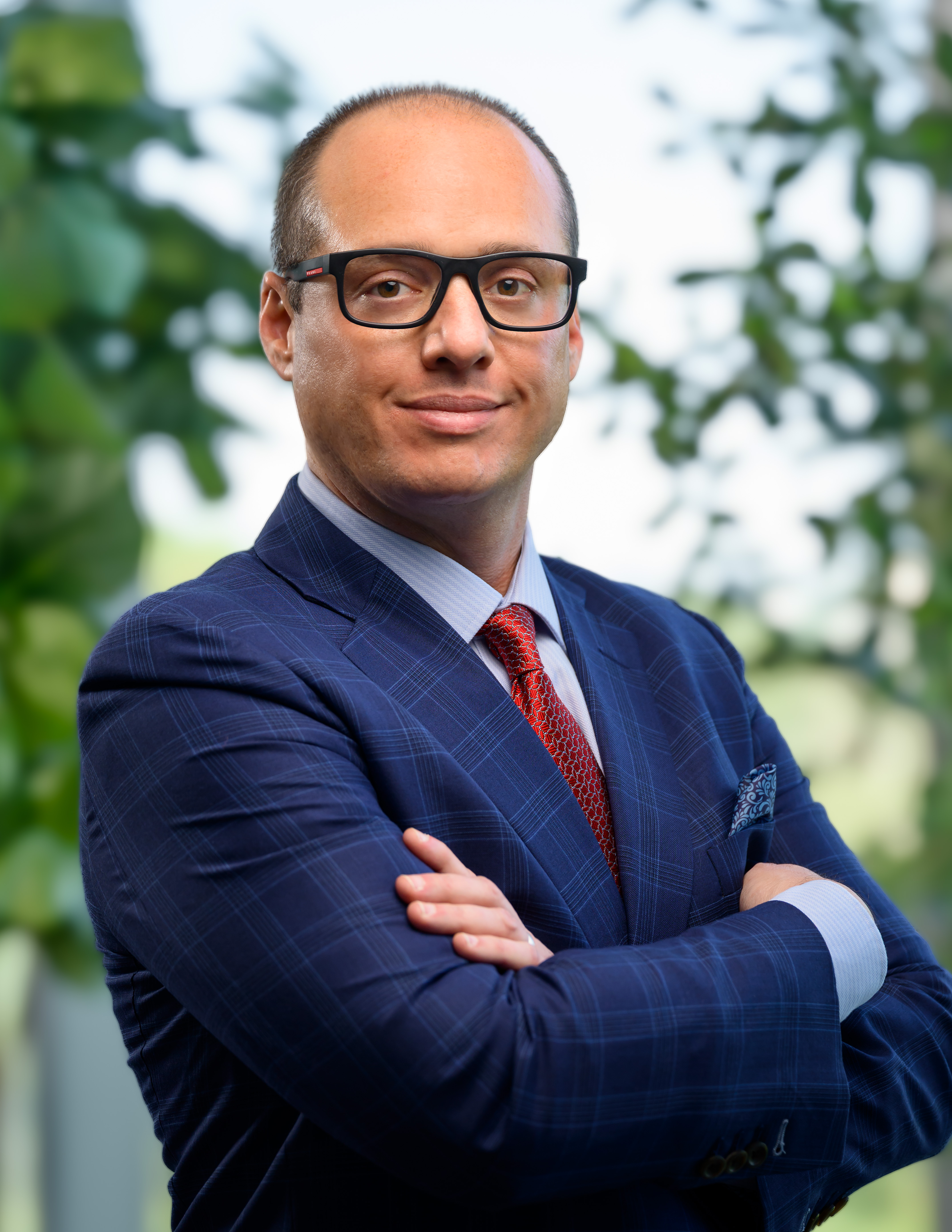
Kevin Rubin
Family Law
Rubin Family Law LLC
Atlanta, Georgia
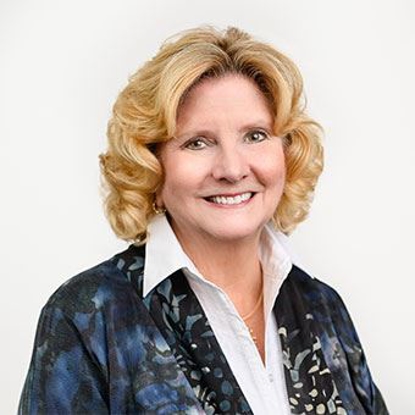
Sarah S Oldham
Family Law
Rutkin Oldham Contratto
Westport, Connecticut

Debra A. Whitson
Family Law
WhitsonLaw, PLLC
Elizabethtown, New York
Estate Planning/Probate4 Attorneys
4 attorneys practicing estate planning/probate across 4 markets.
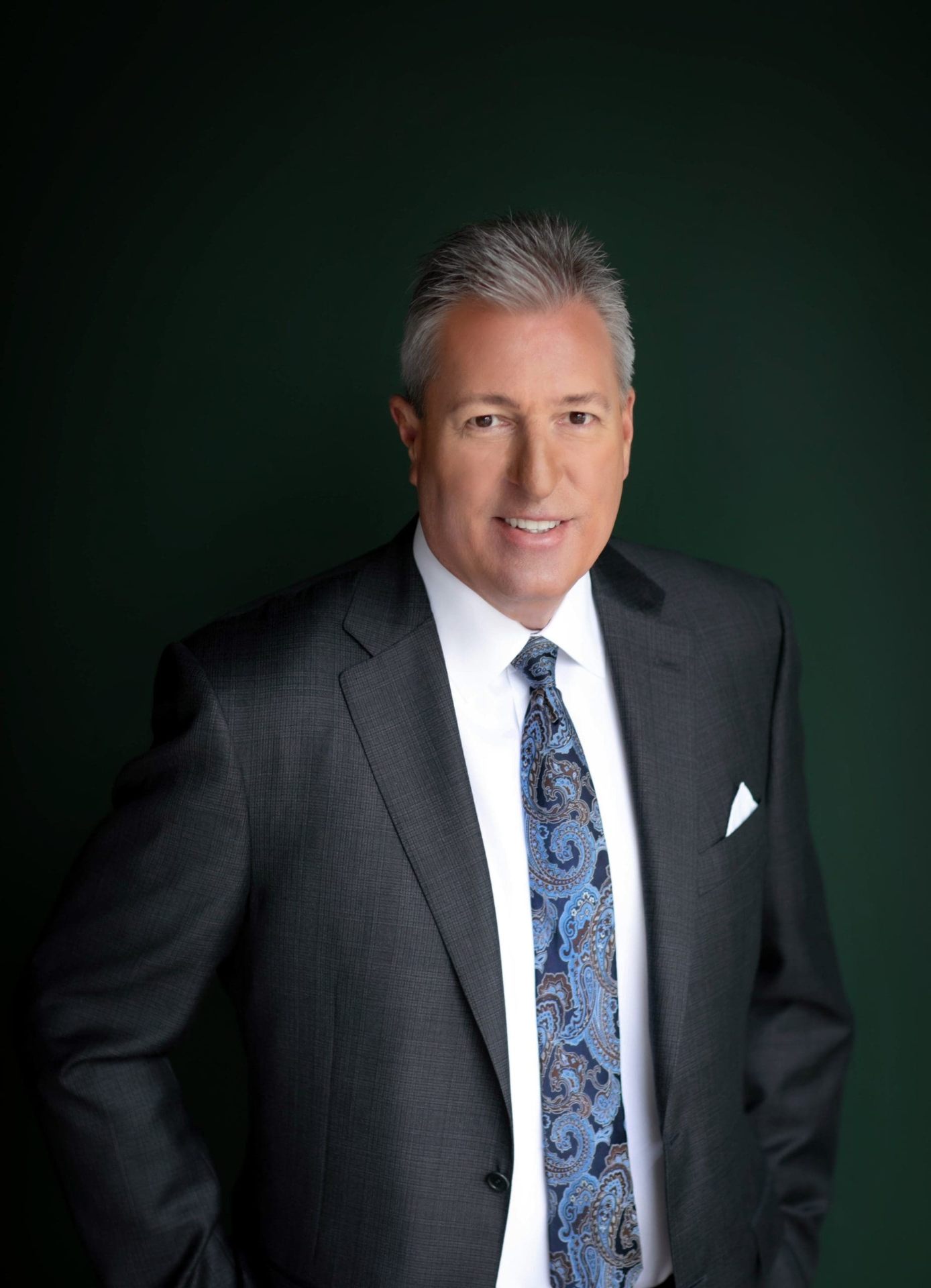
Richard Scott Van Dyke
Estate Planning/Probate
Van Dyke & Associates, APLC
San Diego, California
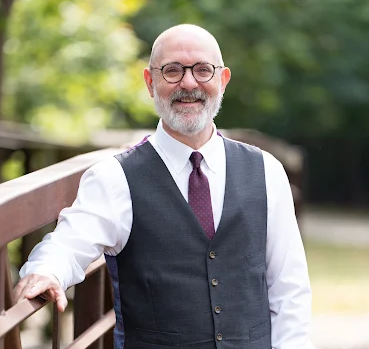
Robert W. Haley
Estate Planning/Probate
The Estate & Elder Law Center of Central/Southside Virginia, PLLC
Danville, Virginia
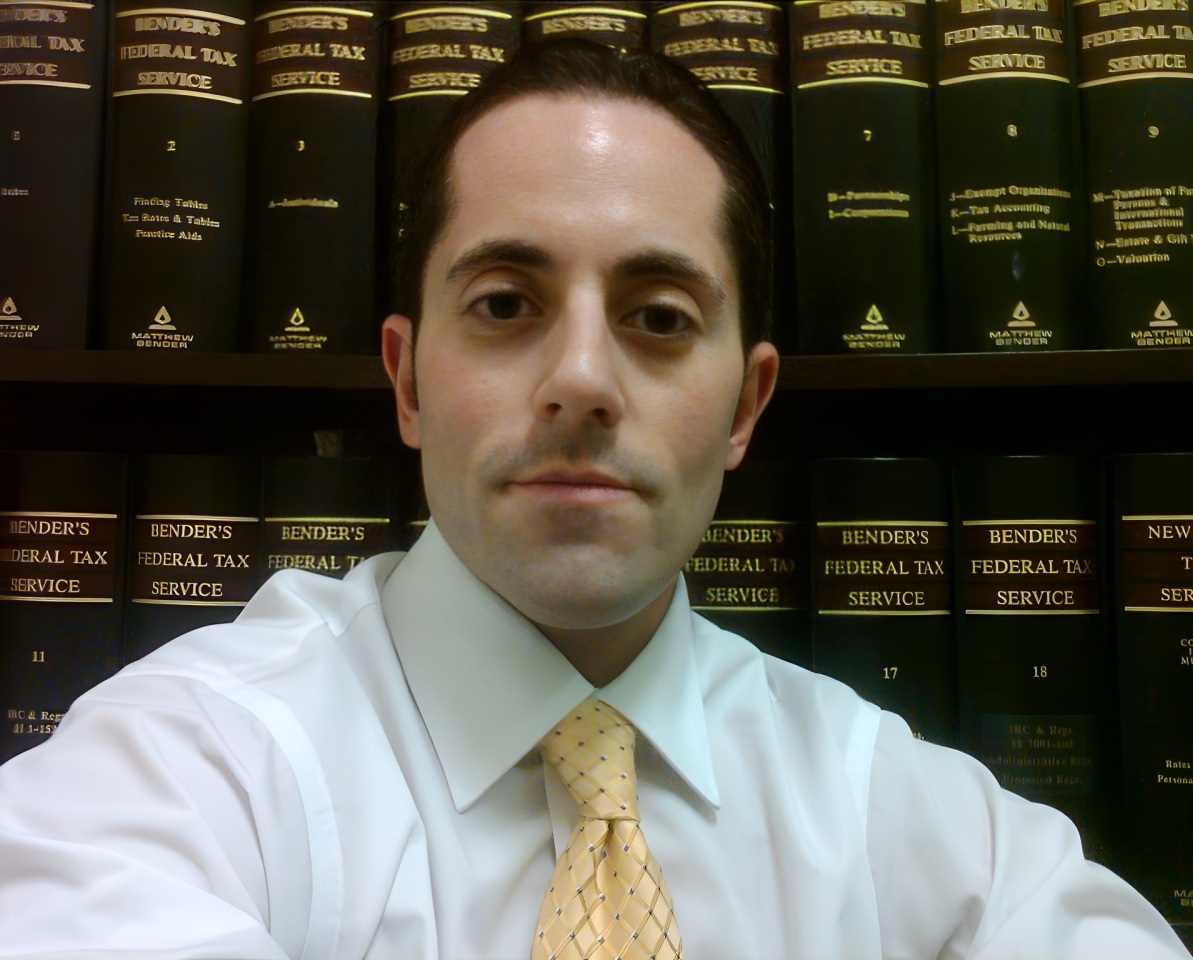
Michael M. Marques
Estate Planning/Probate
The Marques Law Firm, PLLC
New York, New York

James Voeller
Estate Planning/Probate
Voeller Law Firm
San Antonio, Texas
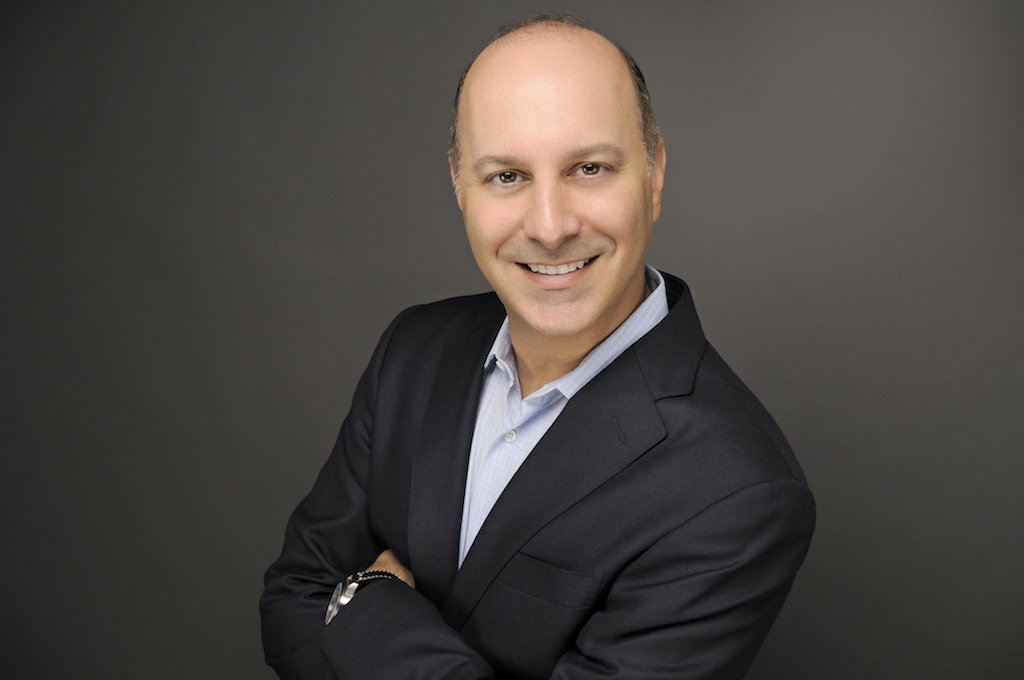
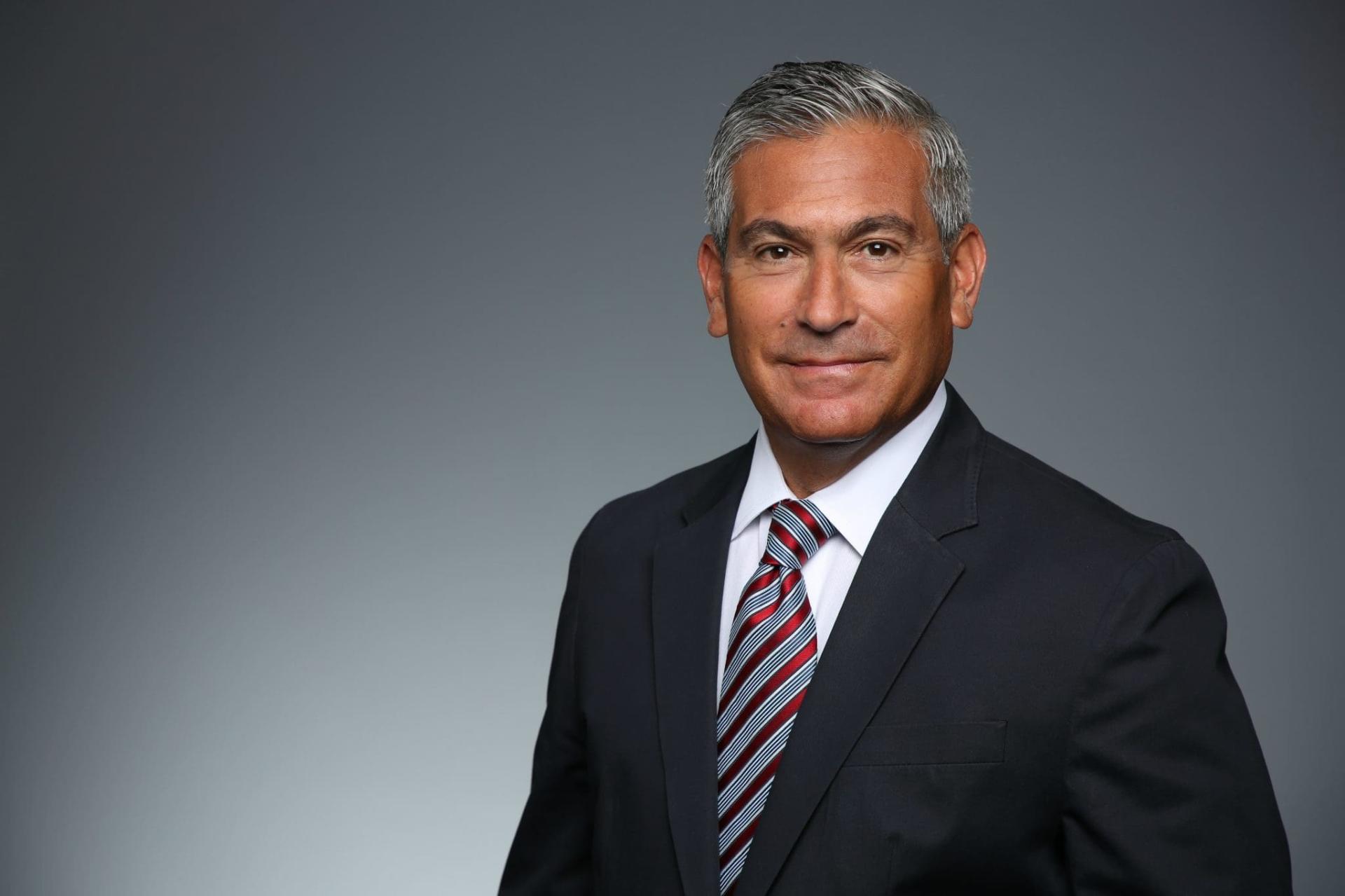
Real Estate Law3 Attorneys
3 attorneys practicing real estate law across 3 markets.
Appellate Law2 Attorneys
2 attorneys practicing appellate law across 2 markets.


Intellectual Property2 Attorneys
2 attorneys practicing intellectual property across 2 markets.
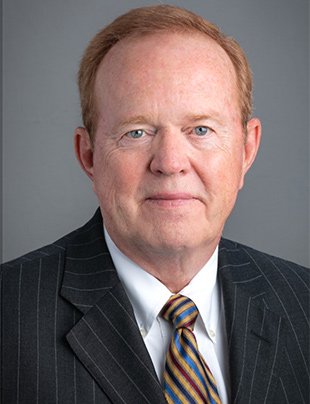

Business/Commercial Litigation2 Attorneys
2 attorneys practicing business/commercial litigation across 2 markets.
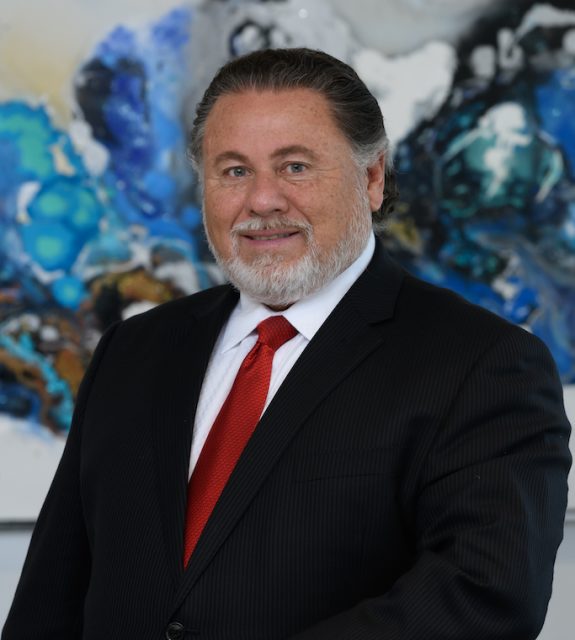

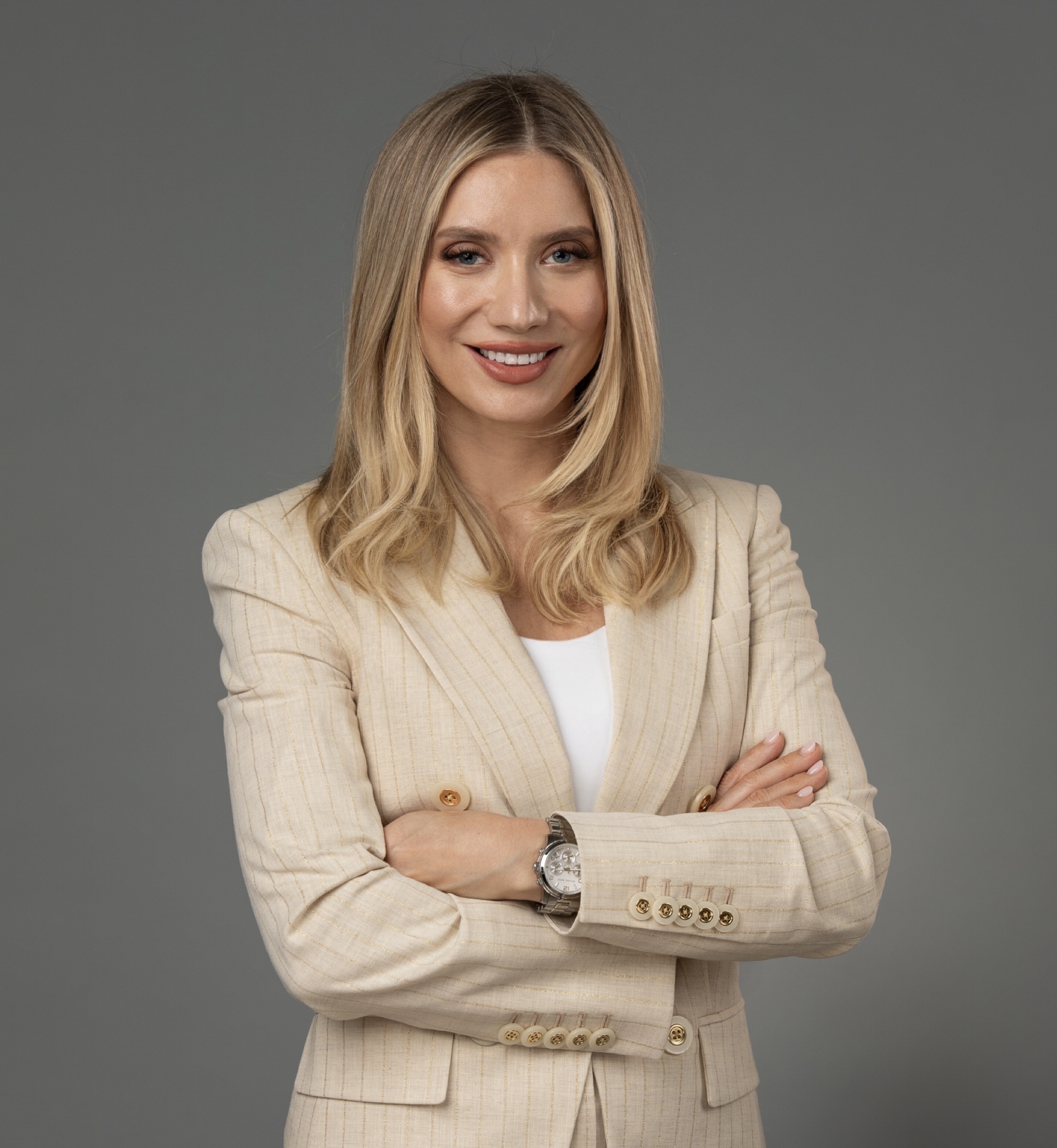
Business Law2 Attorneys
2 attorneys practicing business law across 2 markets.
Entertainment Law1 Attorney
1 attorneys practicing entertainment law across 1 market.
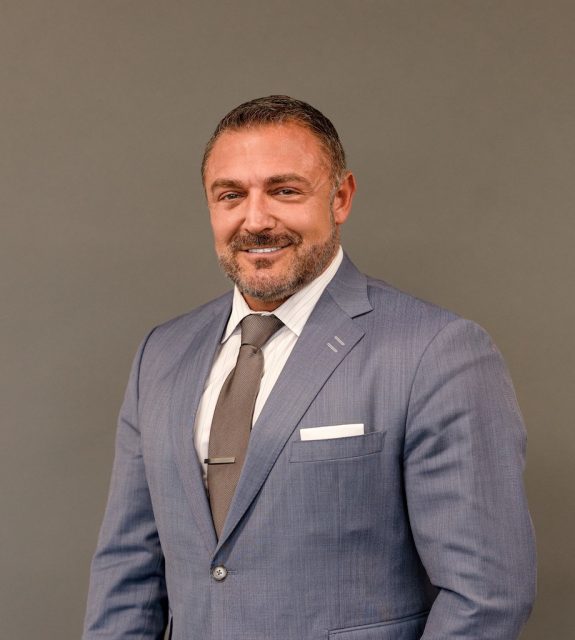
White Collar Criminal Defense1 Attorney
1 attorneys practicing white collar criminal defense across 1 market.
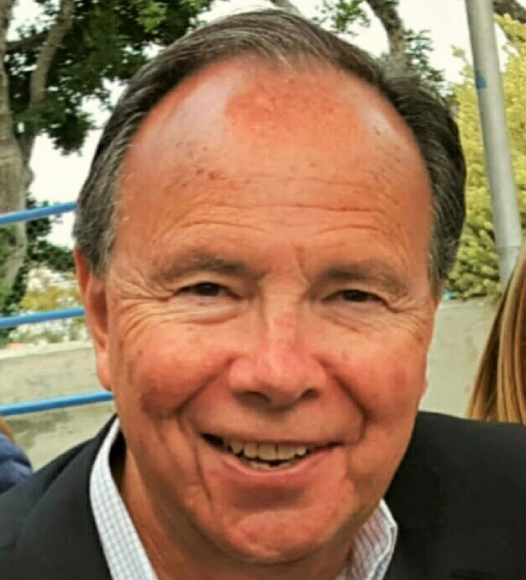
Private Wealth1 Attorney
1 attorneys practicing private wealth across 1 market.
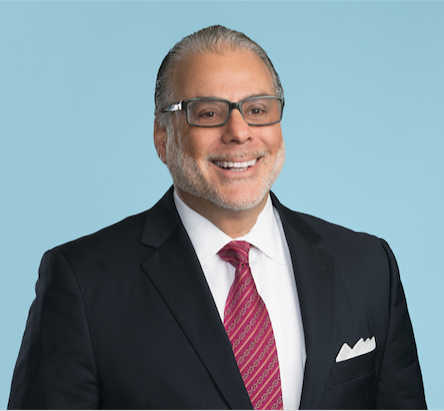
Bankruptcy Law1 Attorney
1 attorneys practicing bankruptcy law across 1 market.
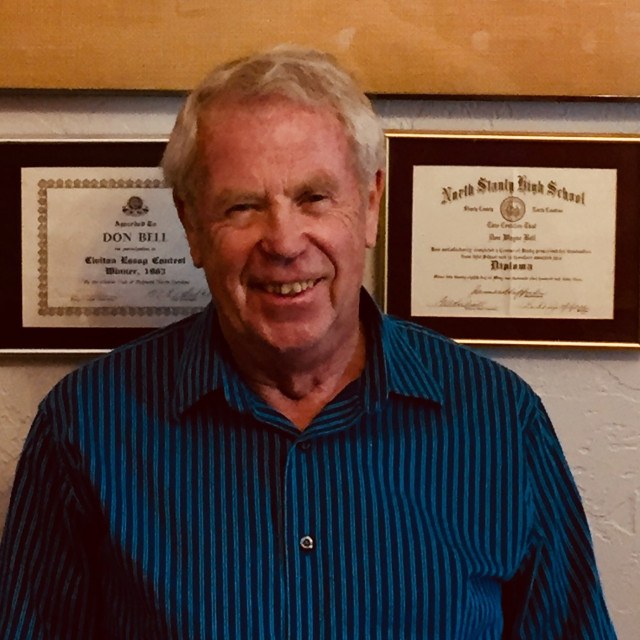
Medical Malpractice1 Attorney
1 attorneys practicing medical malpractice across 1 market.
Burn Injury Survivors1 Attorney
1 attorneys practicing burn injury survivors across 1 market.

General Practice1 Attorney
1 attorneys practicing general practice across 1 market.
Attorney Talk.
In-depth editorial features on Haute Lawyer members.
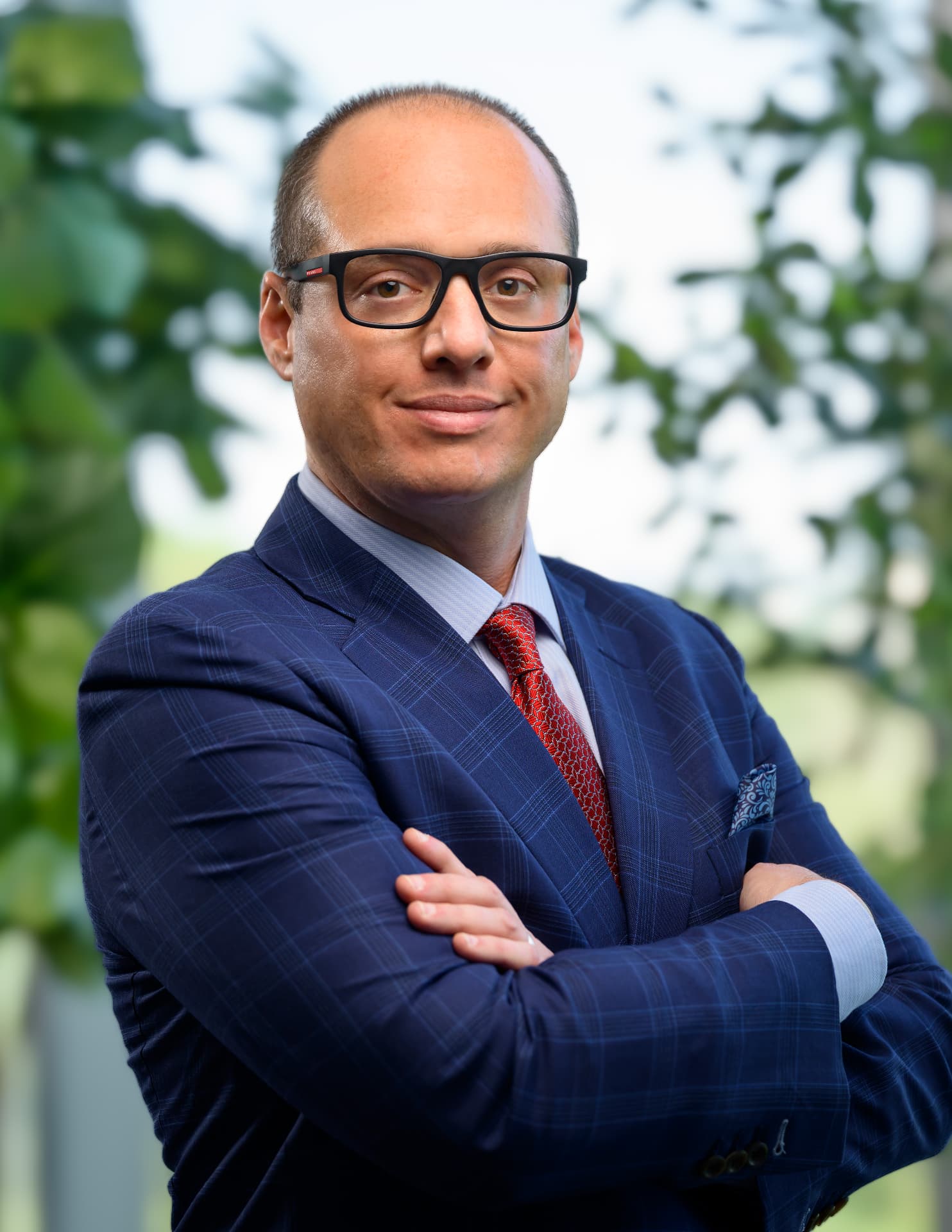
Kevin Rubin: A Family Law Attorney's Approach to Divorce, Custody, and Complex Family Matters in Atlanta
Kevin Rubin · Family Law · Atlanta
September 22, 2026
Eran Lagstein: Los Angeles Personal Injury Attorney Fighting for Clients Across California and Nevada
Eran Lagstein · Personal Injury · Los Angeles
September 21, 2026
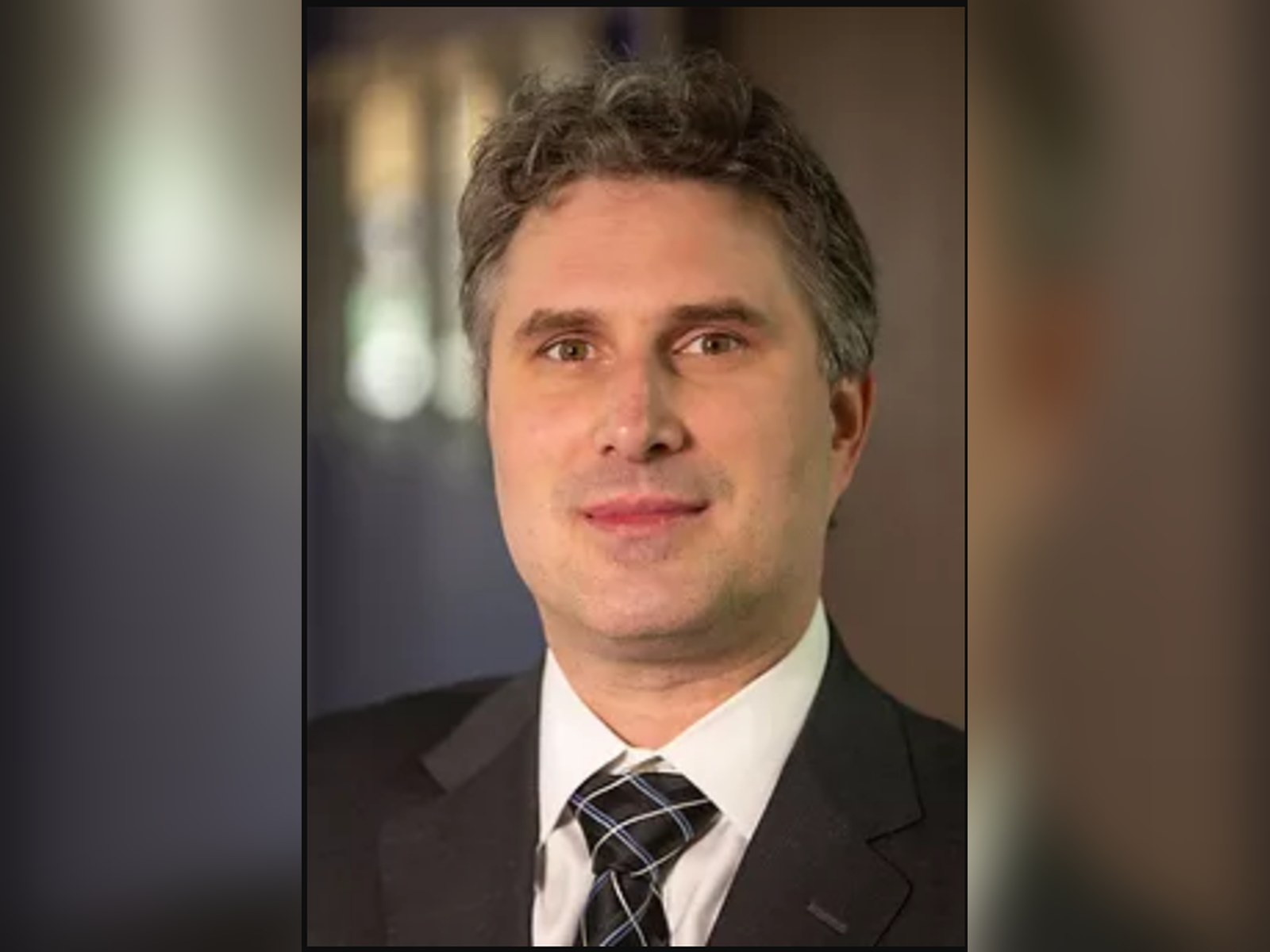
Ben Williams: Intellectual Property and Patent Attorney Based in Denver & Los Angeles
Ben Williams · Intellectual Property · Littleton
September 14, 2026
Legal Questions Answered
Personal Injury
Accident claims, settlements, liability questions
Browse QuestionsCriminal Defense
Charges, defenses, sentencing & appeals
Browse QuestionsFamily Law
Divorce, custody, support & adoption
Browse QuestionsEstate Planning
Wills, trusts, probate & succession
Browse QuestionsBusiness Law
Contracts, formation, M&A & disputes
Browse QuestionsReal Estate Law
Purchases, leases & title questions
Browse QuestionsEmployment Law
Workplace disputes & wrongful termination
Browse QuestionsHigh-Net-Worth
Asset protection & complex wealth matters
Browse QuestionsFind attorneys in your city.
Legal Insights
Guides, comparisons, and research for finding the right attorney.
How to Choose a Criminal Defense Attorney
What to look for, what to ask, and how to evaluate experience before you hire.
Read More →Questions to Ask an Estate Planning Attorney Before You Hire
A practical checklist for protecting your family and assets.
Read More →How High-Net-Worth Clients Search for Attorneys in 2026
How AI tools like ChatGPT and Perplexity are reshaping attorney discovery.
Read More →Featured ReportAI Visibility Report Q2 2026
The latest data on how AI search platforms recommend attorneys.
Read Report →Frequently Asked Questions.
Every attorney in the Haute Lawyer Network is reviewed by our editorial team for professional standing, practice history, peer reputation, and client outcomes. Membership is by application only — not every applicant is accepted. Our vetting process ensures that every attorney you find here meets the standard Haute Living readers expect.
Build Your AI Authority
Consumers increasingly rely on AI to discover trusted professionals. See how AI search engines understand your practice right now.
Request Your AI Visibility Index™Haute Lawyer is an editorial platform. Attorney profiles are editorially curated. Haute Lawyer does not provide legal advice, legal referrals, or attorney-client relationships. Content is for informational purposes only. Past results do not guarantee similar outcomes. Some content may be considered attorney advertising in certain jurisdictions.