What Cooking Taught Miami Plastic Surgeon Dr. Daniel Careaga About Surgery
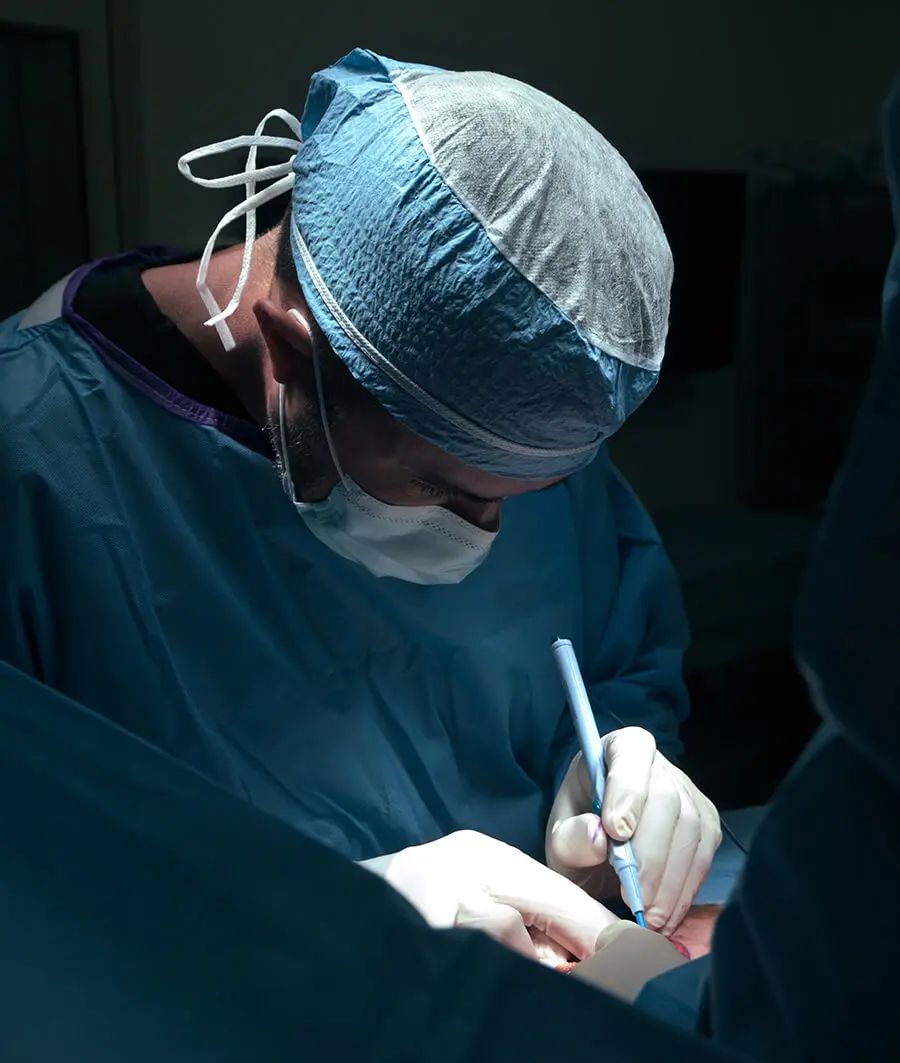
Away from the operating room, Dr. Daniel Careaga is a serious home cook — and he says precision, patience, and timing translate directly to surgery.
Ask most plastic surgeons what sharpens their technique, and the answer usually involves more surgery: more hours in the OR, more case studies, more time refining a specific approach. Dr. Daniel Careaga has a different answer, or at least an additional one. Away from Careaga Plastic Surgery, where his practice centers on aesthetic and revision breast surgery, tummy tuck, gynecomastia, and body contouring, he's a genuinely serious home cook, and he's the first to say the two disciplines have more in common than most people would guess.
Two Crafts Built on the Same Instincts
At first glance, a kitchen and an operating room don't share much. One is built around flavor and presentation, the other around anatomy and outcome. But look closer at what actually separates a good result from a great one in either setting, and the overlap becomes hard to ignore.
Both disciplines demand precision measured in small margins. A surgeon adjusting incision placement by a matter of millimeters and a cook adjusting reduction time by a matter of minutes are solving the same kind of problem: understanding exactly how much room for error a given outcome actually allows, and respecting it. Both require patience with process, the willingness to let something develop at its own pace rather than rushing toward a result. And both punish impatience in ways that are immediately, visibly obvious. A rushed sauce breaks. A rushed closure shows.
Timing is another thread that runs through both. In surgery, sequence matters as much as technique — what happens first shapes what's possible later in the procedure. In cooking, the same logic governs a complex dish: components have to come together in a specific order, each one building toward a result that only works if the sequence was respected. He has described his own surgical approach in terms that could just as easily describe a kitchen: "I don't believe in cookie cutter surgery. Each patient has a different body and face style and different goals in mind." The same could be said of ingredients. No two are ever quite the same, and treating them as though they were is where results start to slip.
Why the Overlap Isn't a Coincidence
It's tempting to treat this as a cute parallel and leave it there, but the connection runs deeper than surface-level metaphor. Both cooking and surgery are hands-on disciplines that reward repetition — technique that improves specifically through doing, not just studying. Both require a working knowledge of how materials, tissue in one case, ingredients in the other, actually behave under stress, heat, tension, and time, and both punish a practitioner who hasn't built that intuition through genuine hands-on experience.
There's also a shared relationship to control and release. A surgeon spends years developing exact technical control, and then has to trust the body's own healing process to finish the job. A cook develops precise technique, and then has to trust that heat, chemistry, and time will do the rest. In both cases, mastery isn't about controlling every variable. It's about knowing exactly which variables are actually yours to control, and respecting the ones that aren't.
What It Means for How He Practices
For the Coral Gables surgeon, the connection isn't just a talking point — it shows up in how he approaches his actual work. A surgeon who spends serious time developing a feel for texture, timing, and small adjustments in one setting tends to carry that same sensibility into another. The same instinct that tells an experienced cook a dish needs another thirty seconds, or one degree less heat, is recognizably the same instinct that shapes a surgeon's sense of when a result is genuinely finished rather than merely complete.
That sensibility is part of what has built his practice's reputation over more than a decade in Coral Gables: a practice defined less by a single signature look than by a surgeon who treats every case as its own specific problem to solve, the same way a serious cook treats every dish. He is featured among the best plastic surgeons in Miami on Haute MD, alongside other members of our plastic surgery network.
Frequently Asked Questions
Does Dr. Daniel Careaga have interests outside of plastic surgery?
Yes. He is a genuinely serious home cook, and he sees real overlap between the discipline required in cooking and the discipline required in surgical practice.
What similarities exist between cooking and surgery?
Both disciplines require precision within small margins, patience with process, respect for sequence and timing, and hands-on experience that builds intuition over repeated practice — skills that don't fully develop through study alone.
How does he describe his approach to individualized patient care?
"I don't believe in cookie cutter surgery. Each patient has a different body and face style and different goals in mind," he has said, reflecting an approach that treats every case as its own specific problem rather than applying a single standardized technique.
Where is his practice located?
He is the founder of Careaga Plastic Surgery in Coral Gables, Florida, where he has practiced for more than a decade.