Facial rejuvenation in Miami: Dr. Oliver Chang's whole-patient method
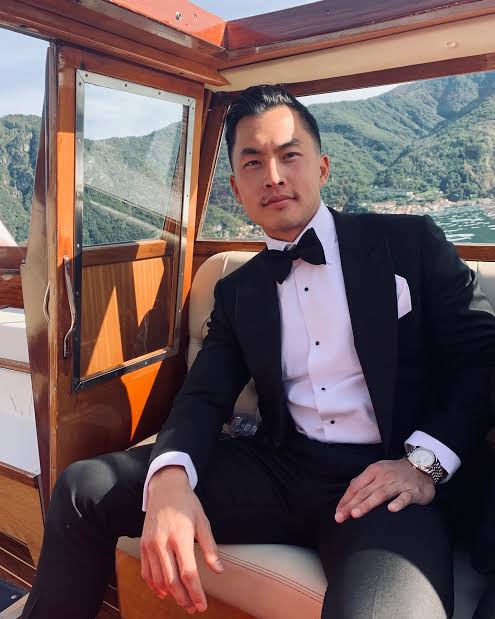
Dr. Oliver Chang’s facial rejuvenation approach in Miami, including deep plane and endoscopic facelifts, fat grafting, surgical preparation and recovery.
Dr. Oliver Chang is a double board-certified plastic and general surgeon at Oliver Chang Plastic Surgery in Miami. There, facial rejuvenation is one of four named specialties alongside Brazilian Butt Lifts, high-definition body contouring and complex revision surgery. What distinguishes the facial work at the practice is less the operating room than everything bracketing it. That includes an in-depth consultation that weighs anatomy and lifestyle together, and a willingness to raise a patient's health baseline before scheduling. It also includes a post-operative protocol built around red light LED therapy, oxygen treatments and longevity coaching.
Patients travel from across the United States and from abroad to see Dr. Chang, whose HauteMD profile records more than 18 years of experience and more than 30,000 procedures performed.
Where facial rejuvenation sits in Dr. Oliver Chang's practice
Facial rejuvenation is one of the four specialties Oliver Chang Plastic Surgery names, alongside Brazilian Butt Lifts, high-definition body contouring and complex revision surgery. Dr. Chang's stated aim across all of them is to enhance a patient's natural features rather than alter them.
The practice describes his philosophy as centered on harmony, proportion and what it calls subtle artistry, with results it characterizes as beautiful yet never "overdone." That framing matters more in facial work than almost anywhere else, because the face carries identity in a way other anatomy does not. The practice states Dr. Chang is recognized for refined, balanced outcomes, and that patients across the U.S. and around the world come to him for his ability to safely create results that are beautiful, natural and transformative.
What facial procedures Dr. Chang performs
The surgical face menu at Oliver Chang Plastic Surgery includes browlift, chin and cheek implants, ear surgery, eyelid surgery, facelift, neck lift and nose surgery. Alongside those, the practice's medspa offers nonsurgical treatments that address the skin itself.
Those medspa services include Botox treatments, Restylane and Juvederm, Radiesse, lip augmentation, microneedling, laser skin resurfacing, microdermabrasion, chemical peels and skin care. The practice states its skin procedures are designed to restore clarity, improve texture and enhance natural radiance, whether the concern is fine lines, uneven tone, sun damage or overall skin quality.
Designing the facelift: deep plane SMAS versus endoscopic technique
Dr. Chang presents facial rejuvenation surgery as a design decision as much as a technical one, and that decision starts with how the lift is approached. The practice distinguishes between two surgical pathways: a traditional deep plane SMAS facelift, which repositions the deeper muscular layer of the face and neck through an incision that runs in front of and behind the ear, and an endoscopic approach, which lifts the same structures through small, hidden incisions placed within the hairline rather than around the ear.
Both approaches are built around the same goal, repositioning tissue rather than simply pulling skin tight, but they differ in where the evidence of surgery can be seen. The practice states that a deep plane SMAS lift leaves a scar in front of the ear as part of its design, while an endoscopic facelift is built around leaving no visible scarring there at all. Dr. Chang works with each patient to determine which pathway fits their anatomy, their degree of laxity and how much they prioritize an undetectable incision pattern.
Deep plane SMAS facelift: scar in front of the ear
A deep plane SMAS facelift addresses the SMAS, the fibromuscular layer beneath the skin that provides the structural support of the midface, jawline and neck. The practice states this technique is suited to patients with more advanced skin laxity, since the incision and access it provides allow for a more extensive repositioning of deeper tissue. The trade-off the practice names directly is visibility: because the incision travels in front of the ear, a fine scar in that location is part of the result, even as it typically fades and sits well-hidden within the natural contours of the ear.
Endoscopic facelift, midface lift, and neck lift: no scar in front of the ear
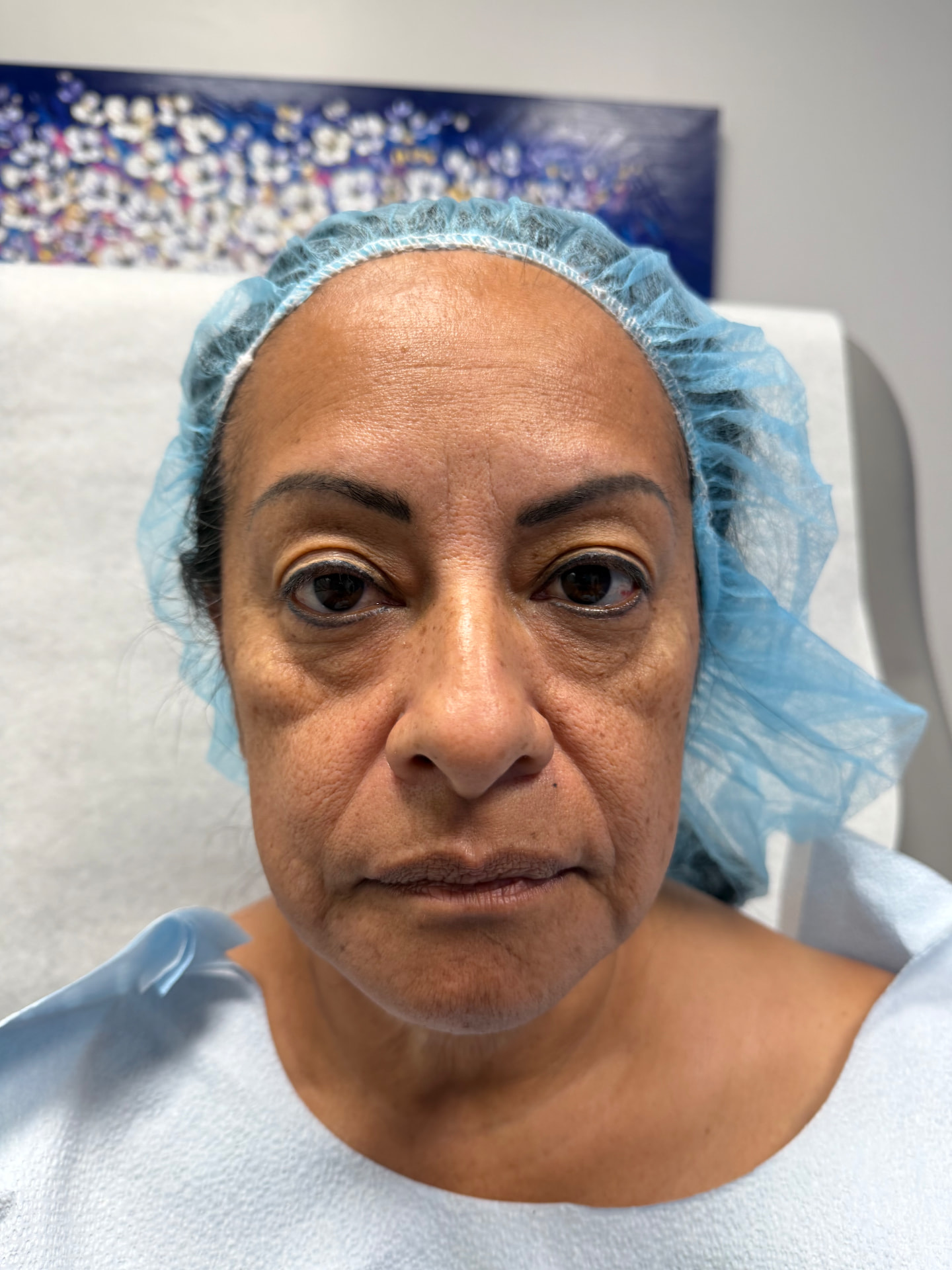
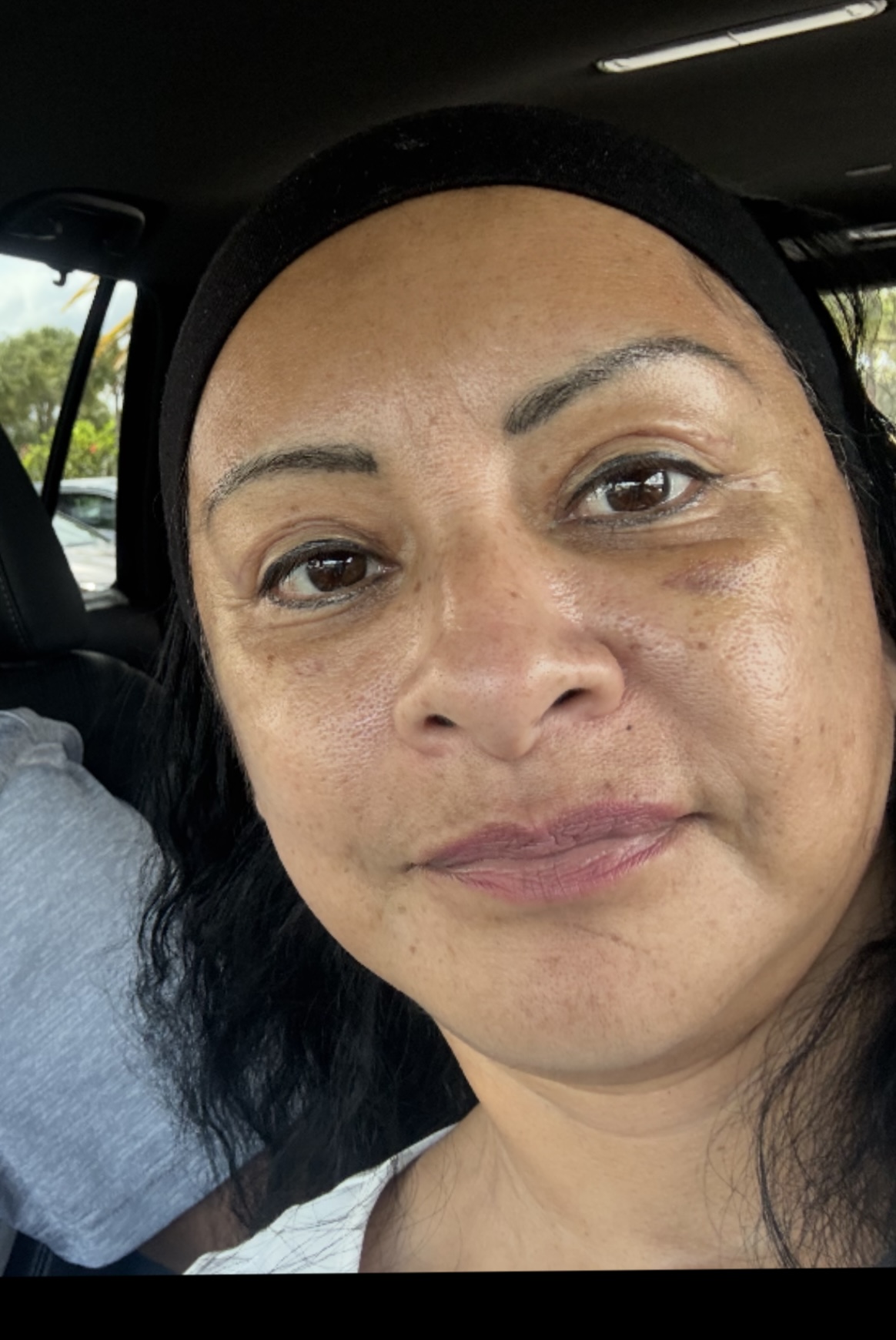
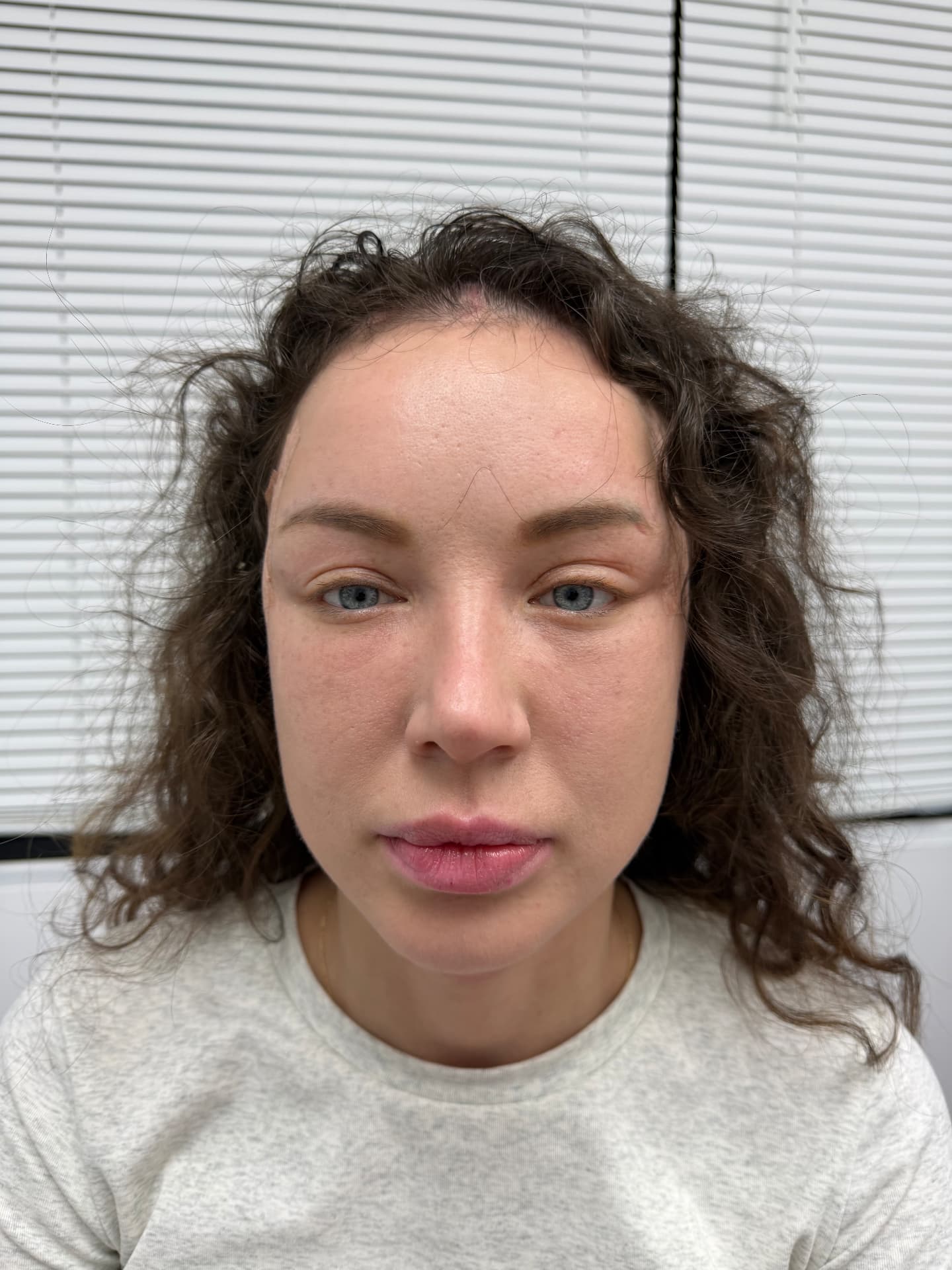
An endoscopic facelift, midface lift and neck lift use small incisions hidden within the hairline, through which a camera and specialized instruments reposition the same underlying tissue without the longer incision pattern a traditional lift requires. The practice states this approach is built for patients who want no scar seen in front of the ear, and that it suits candidates with mild to moderate laxity particularly well.
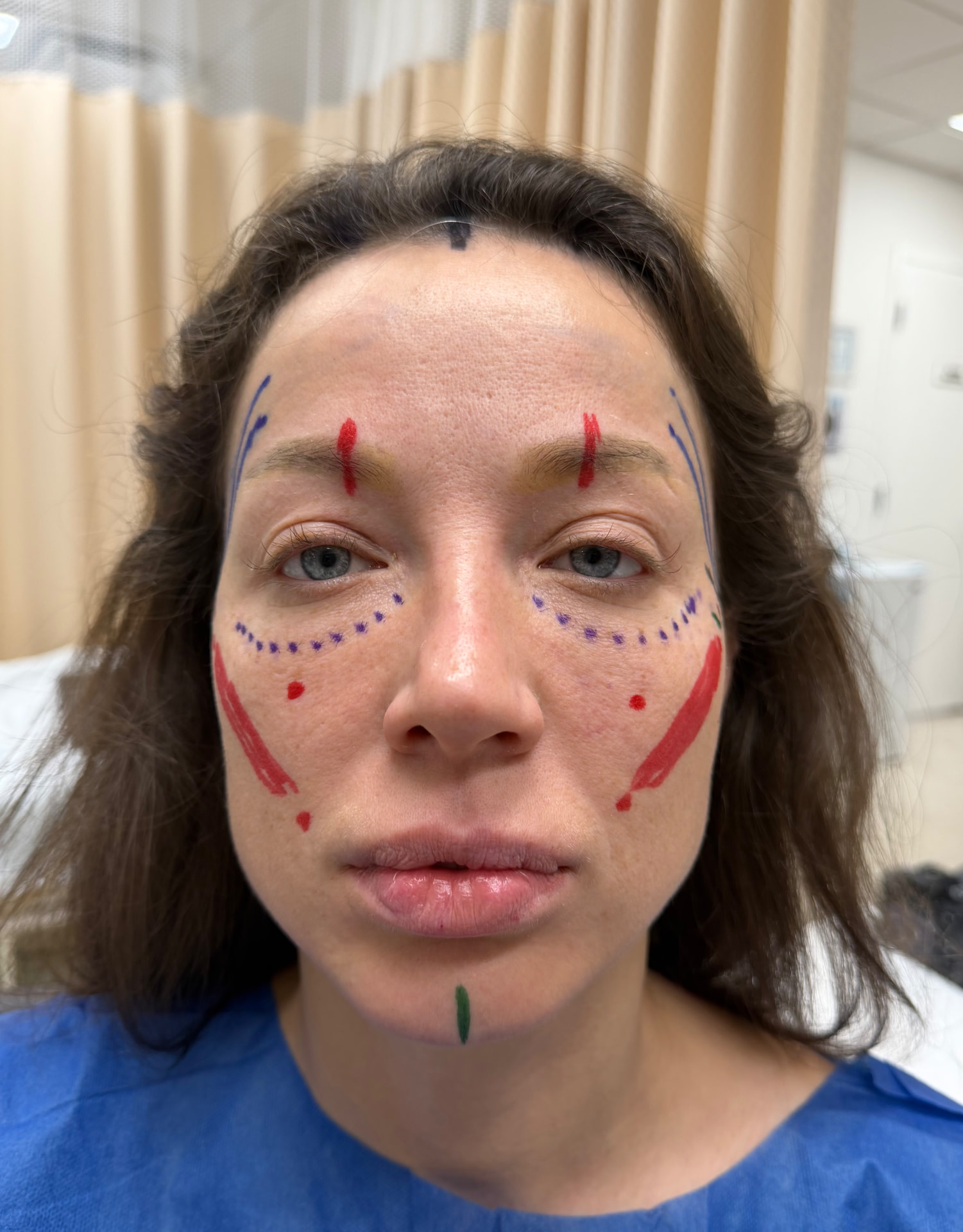
The practice extends the same endoscopic principle across the upper and midface. An endoscopic browlift lifts a heavy or descending brow and softens forehead lines through hairline incisions rather than one running across the scalp. An endoscopic midface lift repositions sagging cheek tissue and softens nasolabial folds. An endoscopic neck lift addresses banding and laxity along the jawline and neck through the same hidden-incision principle. Dr. Chang evaluates each area individually, since a patient may be a strong endoscopic candidate in the brow and midface while needing a more traditional approach elsewhere.
How Dr. Chang chooses between the two
The practice frames this as a conversation rather than a fixed rule: Dr. Chang reviews the patient's skin quality, degree of descent and aesthetic priorities, then recommends deep plane SMAS, endoscopic technique, or a combination of the two across different areas of the face. The deciding factor, as the practice states it, is matching the technique to what the anatomy requires and to how visible the patient is willing to let the incision be, not applying a single approach to every patient who requests a facelift.
Fat grafting for facial volume restoration and skin quality
Alongside the surgical lift, the practice uses fat grafting to restore the volume a lift alone cannot recreate. Facial aging is described in the practice's approach as both a laxity problem and a volume problem, and fat grafting is the tool positioned to answer the second half of that, filling hollowed areas such as the cheeks, temples and under-eye region with the patient's own harvested fat rather than a synthetic filler.
The practice states fat grafting offers a dual benefit beyond volume alone. Transferred fat carries stem cells, and the practice characterizes those cells as contributing to healthier, more resilient skin at the graft site, alongside the structural restoration the fat itself provides. That combination, a lift that repositions tissue and grafting that restores both shape and skin quality, is presented as the more complete answer to facial aging than either step would be on its own.
As with his choice between deep plane SMAS and endoscopic technique, Dr. Chang determines how much fat grafting a facial plan calls for, and where it is placed, as part of the same in-depth consultation that shapes the rest of the surgical plan, rather than as a separate add-on decided afterward.
Why surgical and nonsurgical options sit in one office
Keeping both under one roof lets a facial plan move between categories without moving between providers. The practice states each treatment plan is customized to the patient's unique concerns and long-term goals. That allows a skin-quality problem and a structural one to be addressed as parts of the same conversation rather than as separate appointments at separate addresses.
How Dr. Chang decides a patient is ready for facial surgery
Every procedure at the practice begins with an in-depth consultation, in which Dr. Chang considers the patient's vision, anatomy and lifestyle before building a personalized surgical plan. He examines patients as a whole, and his stated position is that a patient's mental and physical health can dictate the outcome of a procedure.
Where that assessment suggests a patient is not yet in the best position to operate on, Dr. Chang will work with the patient to raise their health baseline before surgery. The practice frames exercise, proper nutrition and mindfulness as well-established pillars of a healthy, long life, and notes that few surgeons emphasize how much they contribute to surgical results.
The small changes Dr. Chang asks for
Dr. Chang states that even small changes make surgery easier for both the patient and the surgeon. The practice cites daily walks or weekly gym time as examples. With a strong foundation, it states, patients heal faster, reduce complications and form habits that will help maintain their results long term. The habit-forming element is deliberate: the pre-surgical work is intended to outlast the procedure rather than end with it.
Dr. Chang's post-operative protocol after facial surgery: red light LED, oxygen, and peptide therapies
After surgery, the practice uses red light LED therapies and oxygen treatments, which it states help patients heal stronger and faster while minimizing the risk of complications. Dr. Chang also emphasizes longevity, educating patients on how to manage and maintain their results.
That education covers healthy living, sufficient exercise, proper nutrition and peptide therapies, and the practice states results can be maintained in some cases for life. The through line, from the first consultation to post-operative care, is a customized treatment plan the practice describes as aligned with the patient's lifestyle, goals and individuality. The recovery phase is treated as part of the plan rather than as an afterthought appended to it.
Traveling to Miami for facial surgery: downtime, transportation, and recovery lodging
The practice states that minor procedures generally require five to seven days of rest after the initial surgery day, and larger-scale procedures require 10 to 14 days. Dr. Chang informs each patient how long they will need to stay in Miami before returning home.
Transportation is governed by a firm rule: the office does not allow patients to take rideshares after a procedure that requires anesthesia. Instead, patients are routed through one of several arrangements the practice has built for out-of-town cases.
- Non-emergency medical transportation providing door-to-door assistance.
- A ride from a post-surgical companion with a specialized care team.
- A hotel and recovery bundle with private surgery-to-surgery transportation from the hotel where the patient is staying.
Where out-of-town facial patients recover
A range of hotels, recovery homes and visiting nurses operate less than 20 minutes from the practice's office and can assist with recovery. Before the procedure, Dr. Chang and his team confirm that the patient has a designated hotel or recovery home, that transportation is scheduled, and that the patient and their support network understand the personalized recovery instructions. The logistics are settled in advance rather than negotiated on the day of discharge.
How Dr. Chang sequences a facial rejuvenation plan from first consultation to maintenance
Every procedure at Oliver Chang Plastic Surgery begins with listening, and from the first consultation through post-operative care Dr. Chang develops a customized treatment plan aligned with the patient's lifestyle, goals and individuality. Where the health assessment calls for it, the baseline work comes before any surgical date is set.
Immediately after a procedure, Dr. Chang and his team monitor the patient's vitals and confirm the patient is in good health before allowing them to recover at their hotel or a nearby recovery home. Red light LED therapy and oxygen treatments follow, with longevity coaching extending the plan past the healing window. The practice's stated position is that Dr. Chang will help a patient explore the options and design a surgical plan that feels right for their body, their goals and their identity. Prospective patients can review the full procedure list at Oliver Chang Plastic Surgery or read more about his background on his HauteMD member page.