What Is Ozempic Face?
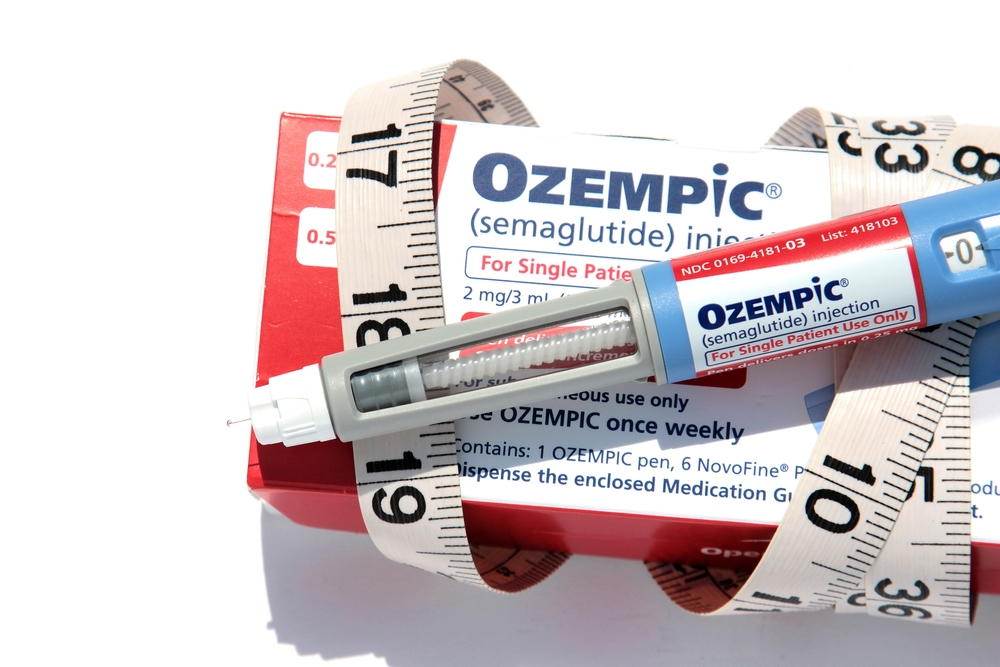
A sourced explainer: what the term means, what the FDA label says, what early research shows, and what to ask a physician.
Photo Credit: Shutterstock
"Ozempic face" is a popular term for facial volume loss and a gaunt or older-looking appearance that can follow rapid, significant weight loss in people taking GLP-1 medicines such as Ozempic (semaglutide), Wegovy or Mounjaro. It is not listed as an adverse reaction in the FDA prescribing information for Ozempic. Early imaging research links midfacial volume loss mainly to the amount of weight lost. Before-and-after photos leave out the rate of loss, a person's starting facial structure and any later treatment, so they are a poor substitute for an exam by a board-certified physician. This page explains the term using sourced facts only. This is general information, not medical advice.
What the FDA label does and does not say
FDA's prescribing information for Ozempic (semaglutide) injection, revised May 2026, lists its uses as improving blood sugar control in adults with type 2 diabetes alongside diet and exercise, reducing the risk of major adverse cardiovascular events in adults with type 2 diabetes and established cardiovascular disease, and reducing the risk of kidney-disease progression and cardiovascular death in adults with type 2 diabetes and chronic kidney disease. The most common adverse reactions it lists (5% or more of patients) are gastrointestinal: nausea, vomiting, diarrhea, abdominal pain and constipation. The label does not list facial volume loss, "Ozempic face" or facial aging as an adverse reaction. A 2025 systematic review in Aesthetic Surgery Journal Open Forum also notes that facial volume loss is not in Ozempic's prescribing information. In other words, the term describes a change some people notice after major weight loss; it is not an FDA-defined side effect of the drug.
What research shows so far
- A 2025 study in Otolaryngology–Head and Neck Surgery measured midface volume on head and neck CT or MRI scans taken before and after GLP-1 prescriptions in 20 patients at one academic medical center (average weight loss about 11 kg). Median total midfacial volume decreased about 9% (interquartile range 3%–14%), and the analysis estimated roughly 7% midfacial volume loss for every 10 kg of weight lost, mostly from superficial fat. This was a small, retrospective study; treat it as early data, not a prediction for any one person.
- A 2026 study in the Journal of Cosmetic Dermatology found that Google search interest in "Ozempic face" rose about 4,600% between November 2021 and December 2024. That measures curiosity, not how many patients are affected.
Why before-and-after photos mislead
A pair of photos compresses a long process into two frames. It usually doesn't show how fast the weight came off, how much was lost, the person's age and skin quality, lighting and camera differences, or whether any treatment (and how much) was used afterward. One person's photos are not a reliable guide to another person's results. Haute MD is not publishing patient before-and-after photos on this page until we have consented clinical images.
What to ask a physician
- Are you board-certified, and in which specialty?
- Should I talk with my prescribing clinician about the pace of my weight loss?
- Which areas of my face have actually changed, and how do you assess that?
- What general options exist (for example, injectable fillers, biostimulators, fat grafting or skin-tightening), and what are the risks of each for me?
- Is any product you would use FDA-approved for the area you plan to treat?
No treatment outcome is guaranteed. Ask about risks, recovery and alternatives, including waiting.
Find a physician
- Find a Doctor
- Dr. Dhaval Bhanusali — board-certified dermatologist; founder of Hudson Dermatology and Laser Surgery in Hudson Yards, New York, per his profile
- Dr. Lisa Airan — board-certified cosmetic dermatologist in Manhattan, per her profile
Neither profile describes GLP-1-specific treatment. They are linked as board-certified dermatologists you can ask about facial volume changes.
Related Haute MD pages
Frequently Asked Questions
What does "Ozempic face" mean?
It is a popular, non-medical term for facial volume loss and a gaunt or older-looking appearance that can follow rapid, significant weight loss in people taking GLP-1 medicines such as Ozempic, Wegovy or Mounjaro.
Is Ozempic face an FDA-listed side effect of Ozempic?
No. FDA's Ozempic prescribing information (revised May 2026) does not list facial volume loss as an adverse reaction. Its most common listed adverse reactions are gastrointestinal.
Does everyone on a GLP-1 get it?
No. Early imaging research ties midfacial volume loss mainly to the amount of weight lost, and results vary from person to person. That study was small (20 patients).
Where on the face does volume loss show?
The 2025 imaging study measured losses in the midface, mostly in superficial fat. A physician exam is the way to know what has changed on your own face.
Can slower weight loss help?
Ask your prescribing clinician. The pace of weight loss is worth discussing, but no approach guarantees how your face will change.
What treatments do doctors use?
Physicians may discuss options such as injectable fillers, biostimulators, fat grafting or skin-tightening. Which, if any, fits depends on an exam; ask about risks and whether a product is FDA-approved for the area treated.
Why aren't there before-and-after photos on this page?
We publish clinical photos only with patient consent. Stock images and celebrity speculation are not a substitute.
Sources
- OZEMPIC (semaglutide) injection Prescribing Information, U.S. Food and Drug Administration, revised May 2026
- "Radiographic Midfacial Volume Changes in Patients on GLP-1 Agonists," Otolaryngology–Head and Neck Surgery, 2025 (PubMed 40407186)
- "Rising Public Interest in Weight Loss Medications…," Journal of Cosmetic Dermatology, 2026 (DOI 10.1111/jocd.70670)
- "'Ozempic Face' in Plastic Surgery: A Systematic Review," Aesthetic Surgery Journal Open Forum, 2025 (DOI 10.1093/asjof/ojaf056)
All accessed October 12, 2026.