Medicare Now Covers GLP-1s for Weight Loss — What the New $50 Bridge Program Means
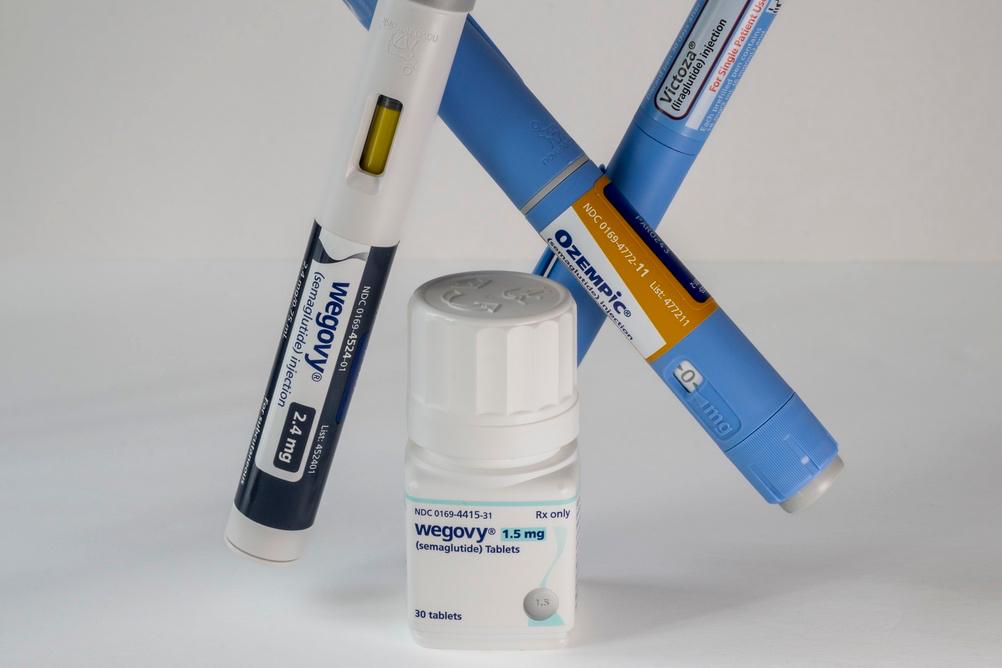
Medicare now covers GLP-1 weight-loss drugs for the first time — a $50/month pilot through 2027. What the Bridge program covers, who qualifies, and what physicians say.
For the first time, Medicare is helping pay for weight-loss medication prescribed purely for obesity. On July 1, 2026, the Centers for Medicare & Medicaid Services launched the Medicare GLP-1 Bridge — a temporary demonstration program giving eligible Part D beneficiaries access to certain GLP-1 medications, including Wegovy and Zepbound, at a $50 monthly copay. The program runs through December 31, 2027, and marks a genuine policy shift: federal law has long excluded weight-loss drugs from Part D coverage, limiting GLP-1 coverage to diagnoses like diabetes and cardiovascular disease.
Why it matters.
Out-of-pocket costs have been the barrier keeping GLP-1 therapy out of reach for many older adults — commonly around $350 a month even after recent manufacturer price cuts. A $50 copay changes the arithmetic for eligible beneficiaries, and physicians expect a wave of new patients beginning treatment in the second half of 2026.
The caveats.
The Bridge is a pilot, not a law change — coverage is guaranteed only through the end of 2027, after which patients could lose it unless the program is extended or Congress acts. That timing question matters medically: GLP-1 therapy is long-term treatment, and starting a medication that may lose coverage in 18 months requires a plan. Eligibility runs through specific Part D plan participation, and clinical criteria still apply.
The physician's view.
Member physician quote pending — invite 2–3 sentences on what patients starting GLP-1s later in life should know: screening, muscle preservation, realistic expectations, and planning for the program's end-date.
For older adults considering the program, the guidance physicians give every GLP-1 candidate applies doubly: this is medically supervised therapy, not a subscription — begin with a full screening, understand the side-effect profile, protect muscle mass during rapid loss, and build the exit plan on day one.