Dr. Purvi Parikh: The New York Allergist Guarding Holiday Tables
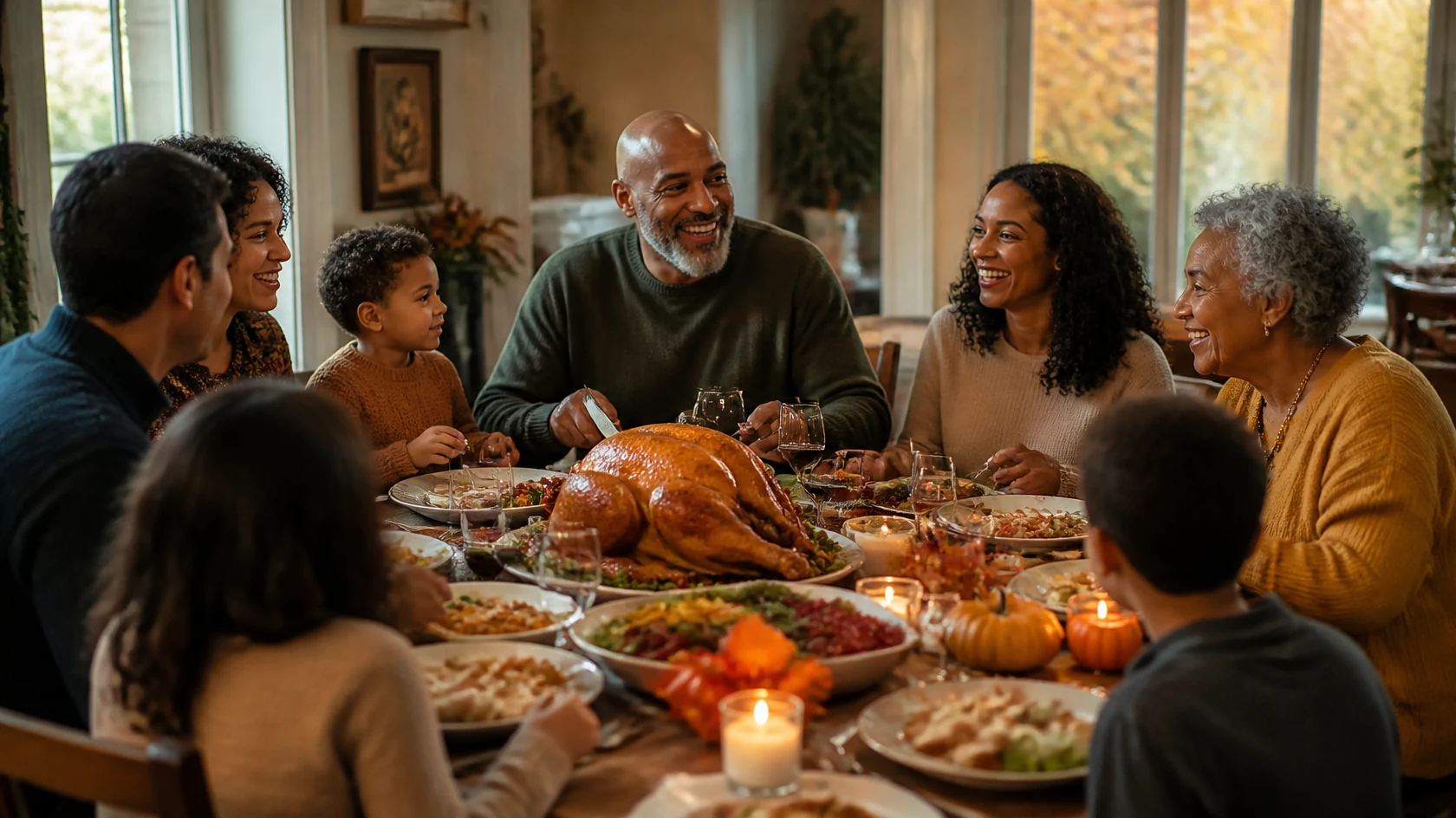
New York allergist Dr. Purvi Parikh explains where allergens hide on the Thanksgiving table, how hosts can prevent cross-contact, and when a reaction is an emergency.
Dr. Purvi Parikh is a New York allergist and immunologist who treats adult and pediatric patients at Allergy and Asthma Associates of Murray Hill, and her holiday guidance rests on a simple premise: Thanksgiving allergy safety is decided before anyone sits down to eat. This year the holiday falls on Thursday, November 26, 2026, which leaves just a few days to confirm menus, read labels, and pack medication. Food Allergy Research & Education (FARE) puts the number of Americans living with food allergy at 33 million, and a holiday built on shared homemade dishes is the meal with the least visible ingredient information. For people with asthma and environmental allergies, the risk also reaches the guest room, the fireplace, and the box of decorations from the attic. What follows draws on the holiday advice Dr. Parikh published with us, public guidance from the American College of Allergy, Asthma and Immunology (ACAAI), and federal labeling rules to help New York families, and hosts everywhere, plan a safer holiday.
Thanksgiving Food Allergies: Where Allergens Hide on the Holiday Table
Federal law names nine major food allergens: milk, eggs, fish, crustacean shellfish, tree nuts, peanuts, wheat, soybeans, and sesame, according to the FDA. A traditional Thanksgiving menu touches several of them without announcing it. Stuffing often relies on wheat bread and butter, pie crusts and casseroles bring in wheat, milk, and eggs, and pecan pie is an obvious tree nut risk. The Allergy & Asthma Network, where Dr. Purvi Parikh serves as a national spokesperson, notes that even a self-basting turkey may contain dairy, soy, and wheat in its injected solution. Homemade dishes add another layer of uncertainty because they arrive without ingredient lists, a point the American Academy of Allergy, Asthma & Immunology also stresses. The practical lesson for anyone managing a food allergy is that a dish that looks plain may not be. Gravy thickened with flour, mashed potatoes finished with butter, and rolls brushed with an egg wash all fit that description. Hosts who keep the original packaging, or photograph each label, give guests something concrete to read, which is the approach FARE recommends.
Dr. Purvi Parikh's Hosting and Dining Tips for a Safer Thanksgiving Meal
Dr. Parikh's Thanksgiving guide on our Haute Beauty site centers on communication. She recommends asking the host for the menu in advance, offering to bring a safe dish, and requesting separate serving utensils so that one spoon does not carry an allergen from dish to dish. The New York allergist also advises keeping medications clearly labeled and easy to reach during a crowded gathering, and making sure any caregiver watching a child with allergies knows the allergy plan and where emergency medication is kept. Hosts can build on that plan. FARE suggests letting guests with food allergies serve themselves first at a buffet and labeling each dish so nobody has to guess. Guests can eat before they arrive so no one grazes on unconfirmed foods, and they can bring a separate container and serving utensil for their own dish. Cleaning matters as well, because shared cutting boards, spoons, and counters are the usual path of cross-contact, which is the transfer of allergen protein from one food to another.
Thanksgiving Asthma and Indoor Allergy Triggers Beyond the Dinner Table
Food is only part of the risk. ACAAI's 2025 holiday guidance warns that decorations stored in attics, basements, or garages collect dust and mold, and it recommends unpacking them outdoors or in a well-ventilated space and wiping hard surfaces with a damp cloth. People with mold allergy may do better with an artificial tree, while a live tree should be shaken and rinsed before it comes inside. Moving between a heated house and cold outdoor air can also spark asthma flares, as can smoke from candles and wood fires. Dr. Purvi Parikh's advice for holiday travelers with asthma is to carry controller and rescue medications in an easily reached bag, review the asthma action plan before leaving, and get recommended vaccines at least two weeks before the trip. Overnight guests can ask the host about pets, dust, and fragrance, and pack a personal pillowcase, antihistamines, or saline spray, as she suggests. Pet owners should also know about what the AAAAI calls the Thanksgiving Effect: a person who has been away from a pet for several days can lose tolerance and react on returning home.
Anaphylaxis at Thanksgiving: When a Food Reaction Is an Emergency
When a food allergy reaction does begin, the response matters more than the menu. In her guidance published with us, Dr. Parikh states that for food allergies or systemic reactions, epinephrine is the first and most critical treatment, and that anyone with a known severe allergy should always carry an epinephrine auto-injector and seek emergency medical care after using it. Both ACAAI and FARE advise carrying two doses, and Baylor College of Medicine's allergy team reminds families to check the expiration date on the auto-injector before the holiday rather than during an emergency. Anaphylaxis can involve several parts of the body at once, so hives together with throat tightness, wheezing, repeated vomiting, or faintness after eating should be treated as an emergency instead of a wait-and-see situation. Families with young children can rehearse the plan at the table before the meal, naming who carries the medication and who calls for help. Anyone who is unsure whether a symptom is an allergy, or who has never been tested, can schedule an evaluation with a board-certified allergist, such as Dr. Parikh at Allergy and Asthma Associates of Murray Hill, before the holiday season gets busy.
About Dr. Purvi Parikh, Allergist and Immunologist in New York City
Dr. Purvi S. Parikh, MD, FACP, FACAAI is an adult and pediatric allergist and immunologist practicing in New York City, at Allergy and Asthma Associates of Murray Hill, 161 Madison Avenue, Suite 3A, New York, NY 10016. NYU Langone lists her as board-certified in allergy and immunology by the American Board of Allergy and Immunology since 2013, and our Haute MD profile for her also lists certification from the American Board of Internal Medicine. She completed her internal medicine residency at the Cleveland Clinic and her allergy and immunology fellowship at Montefiore Medical Center and Albert Einstein College of Medicine, and she serves as Clinical Assistant Professor in the Departments of Medicine and Pediatrics at NYU Grossman School of Medicine. Her New York allergy practice treats food and drug allergies, asthma, eczema, chronic hives, sinus disease, environmental and seasonal allergies, and primary immunodeficiency. She is also a national spokesperson for the Allergy & Asthma Network. Patients who want a personal allergy action plan before the holidays can find her on Haute MD.
Thanksgiving allergy FAQ
Who is Dr. Purvi Parikh?
Dr. Purvi S. Parikh, MD, FACP, FACAAI is an adult and pediatric allergist and immunologist at Allergy and Asthma Associates of Murray Hill in New York City. She is a Clinical Assistant Professor in the Departments of Medicine and Pediatrics at NYU Grossman School of Medicine and a national spokesperson for the Allergy & Asthma Network.
What are the most common Thanksgiving food allergens?
The FDA lists nine major food allergens: milk, eggs, fish, crustacean shellfish, tree nuts, peanuts, wheat, soybeans, and sesame. At Thanksgiving, wheat, milk, eggs, and tree nuts show up most often in stuffing, gravy, rolls, pies, and casseroles, and even a self-basting turkey may contain dairy, soy, and wheat.
How can hosts prevent cross-contact at Thanksgiving dinner?
Hosts can read every label, keep packaging or photos of labels for guests, clean surfaces and utensils between dishes, and use separate serving spoons for each item. FARE also suggests letting guests with food allergies serve themselves first at a buffet and labeling each dish.
What should I do if a food allergy reaction starts at Thanksgiving?
Dr. Purvi Parikh's published guidance names epinephrine as the first and most critical treatment for food allergy and other systemic reactions, followed by emergency medical care. ACAAI and FARE both advise carrying two doses of epinephrine and checking the expiration date before the holiday.
Can holiday decorations trigger allergies or asthma?
Yes. Decorations stored in attics, basements, or garages can collect dust and mold, and live trees can carry mold as well. ACAAI recommends unpacking decorations outdoors or in a ventilated space, wiping hard surfaces, and considering an artificial tree for people with mold allergy.
Where does Dr. Purvi Parikh practice in New York?
Dr. Parikh sees patients at Allergy and Asthma Associates of Murray Hill, 161 Madison Avenue, Suite 3A, New York, NY 10016. NYU Langone also lists offices in Hauppauge, Forest Hills, Baldwin, Huntington, and Yonkers.