Dr. Purvi Parikh on Why September Is Asthma's Toughest Month
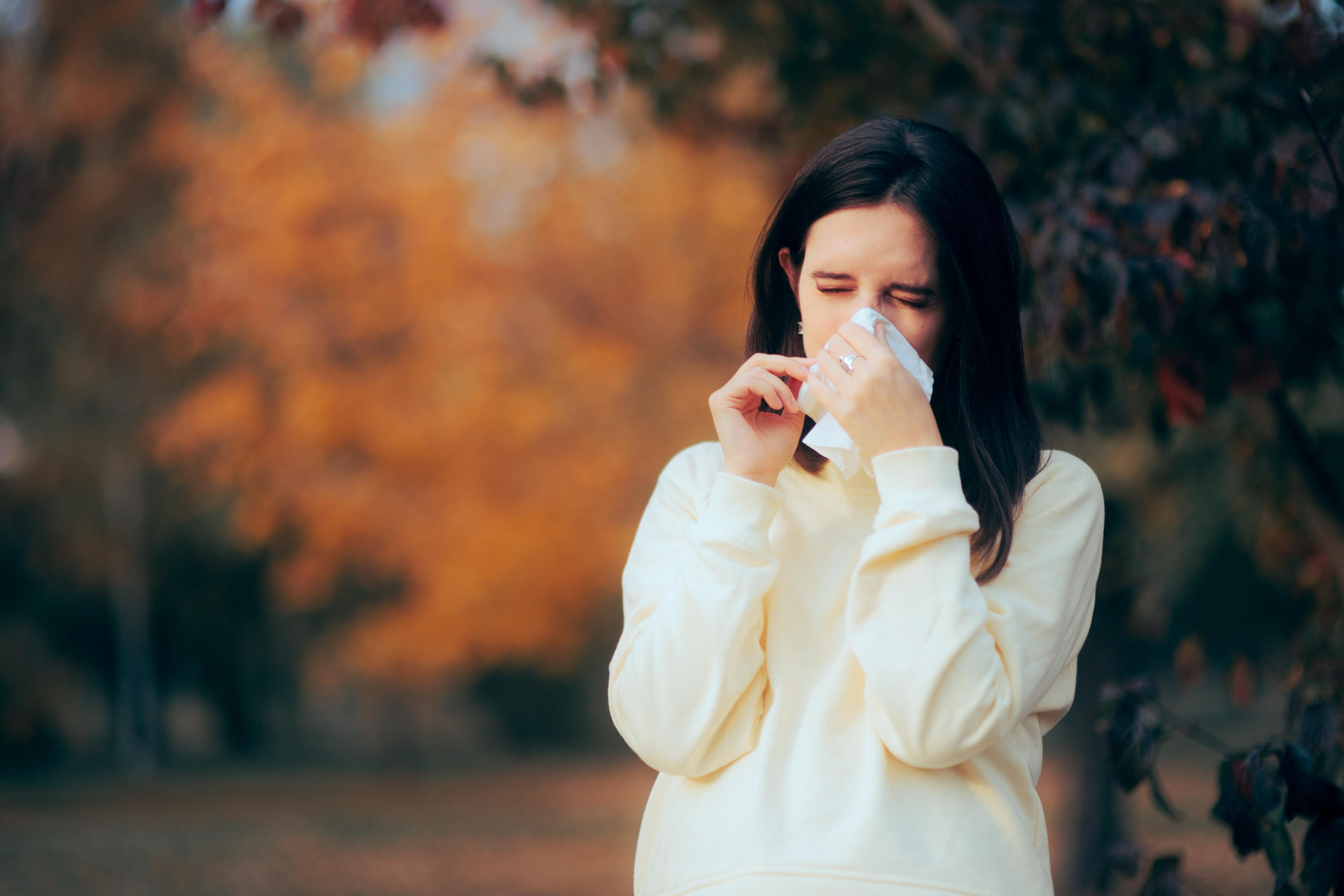
Board-certified allergist and immunologist Dr. Purvi Parikh explains why September is asthma's most dangerous month, and how triggers differ in New York and Miami.
Photo Credit: Shutterstock
September has a reputation problem. Most people think of it as the tail end of summer, but for the more than 24 million Americans living with asthma, it's something else entirely: the most dangerous month of the year. Dr. Purvi Parikh, a board-certified allergist and immunologist with Allergy & Asthma Associates of Murray Hill in New York City, wants patients to understand exactly why, and why the picture looks different depending on where they live.
What Actually Makes September So Tough
According to Dr. Purvi Parikh, September's danger comes from several triggers converging at once rather than any single cause. The third week of September, September 14 through 20 this year, is specifically known as Asthma Peak Week, the point in the calendar when asthma-related ER visits and hospitalizations consistently hit their highest levels nationwide. Ragweed pollen, one of the most potent allergens of the entire year, reaches its peak right around this same window. At the same time, children returning to school means a fresh wave of respiratory viruses, colds, flu, and other illnesses spreading rapidly through classrooms before making their way home to the rest of the family. Layer on top of that the unpredictable temperature swings of early fall, cool mornings giving way to warm afternoons, and the result is an airway under constant, shifting stress.
Why New York and Miami Don't Face the Same September
Dr. Purvi Parikh is careful to note that asthma triggers in September aren't identical everywhere in the country, and the difference between a city like New York and a city like Miami is a meaningful one. In the Northeast, where Dr. Parikh practices, the region historically sees the highest volume of September asthma cases nationwide, driven heavily by that ragweed and respiratory virus combination, alongside the sharper day-to-day temperature swings typical of early fall in the region.
Miami's picture looks different. In the South, lingering heat and humidity well into September can themselves become a direct asthma trigger, rather than fading the way cooler temperatures typically arrive up north. That same humidity also creates ideal conditions for mold growth, another significant asthma and allergy trigger, and the region's continued hurricane season through November adds the added risk of severe thunderstorms, which have their own documented connection to sudden asthma flare-ups. Where a New York patient might be managing ragweed and a cooling classroom, a Miami patient may be contending with mold, humidity, and storm-driven air pressure changes all at once.
What Dr. Parikh Wants Patients to Actually Do About It
Rather than treat September's dangers as unavoidable, Dr. Purvi Parikh emphasizes that most flare-ups during this period are preventable with the right preparation. She recommends patients schedule an appointment with their doctor or allergist before the peak hits, review or create an Asthma Action Plan, make sure rescue and maintenance medications are current and not expired, and stay up to date on flu, COVID-19, and RSV vaccinations, since a respiratory infection is one of the most common ways a manageable asthma case turns into an emergency room visit. For patients with frequent symptoms, allergic triggers, or asthma that hasn't been fully controlled by standard treatment, Dr. Parikh notes that newer biologic therapies may offer an additional option worth discussing with a board-certified allergist and immunologist.
Frequently Asked Questions
Why is September considered the most dangerous month for asthma?
According to Dr. Purvi Parikh, September combines several asthma triggers at once, peak ragweed pollen, the return to school and the respiratory viruses that come with it, and unpredictable temperature swings, making it the leading month nationwide for asthma-related hospitalizations.
What is Asthma Peak Week?
Asthma Peak Week refers to the third week of September, this year September 14 through 20, when asthma-related ER visits and hospitalizations historically reach their highest point of the year in the United States.
How do asthma triggers differ between New York and Miami in September?
Dr. Purvi Parikh explains that New York's September asthma triggers center on ragweed pollen, respiratory viruses, and sharp temperature swings, while Miami's more humid, subtropical climate keeps heat and humidity-driven triggers active longer, alongside mold growth and hurricane season storms through November.
What should asthma patients do to prepare for September?
Dr. Parikh recommends scheduling an appointment with an allergist before the peak, reviewing an Asthma Action Plan, ensuring medications are current, and staying up to date on flu, COVID-19, and RSV vaccinations.
Who is Dr. Purvi Parikh?
Dr. Purvi Parikh is a board-certified allergist and immunologist with Allergy & Asthma Associates of Murray Hill in New York City, a clinical faculty member at NYU School of Medicine, and a national spokesperson for the Allergy & Asthma Network.