Could I Be Allergic to Halloween? Tips and Tricks to Keep Yourself Safe
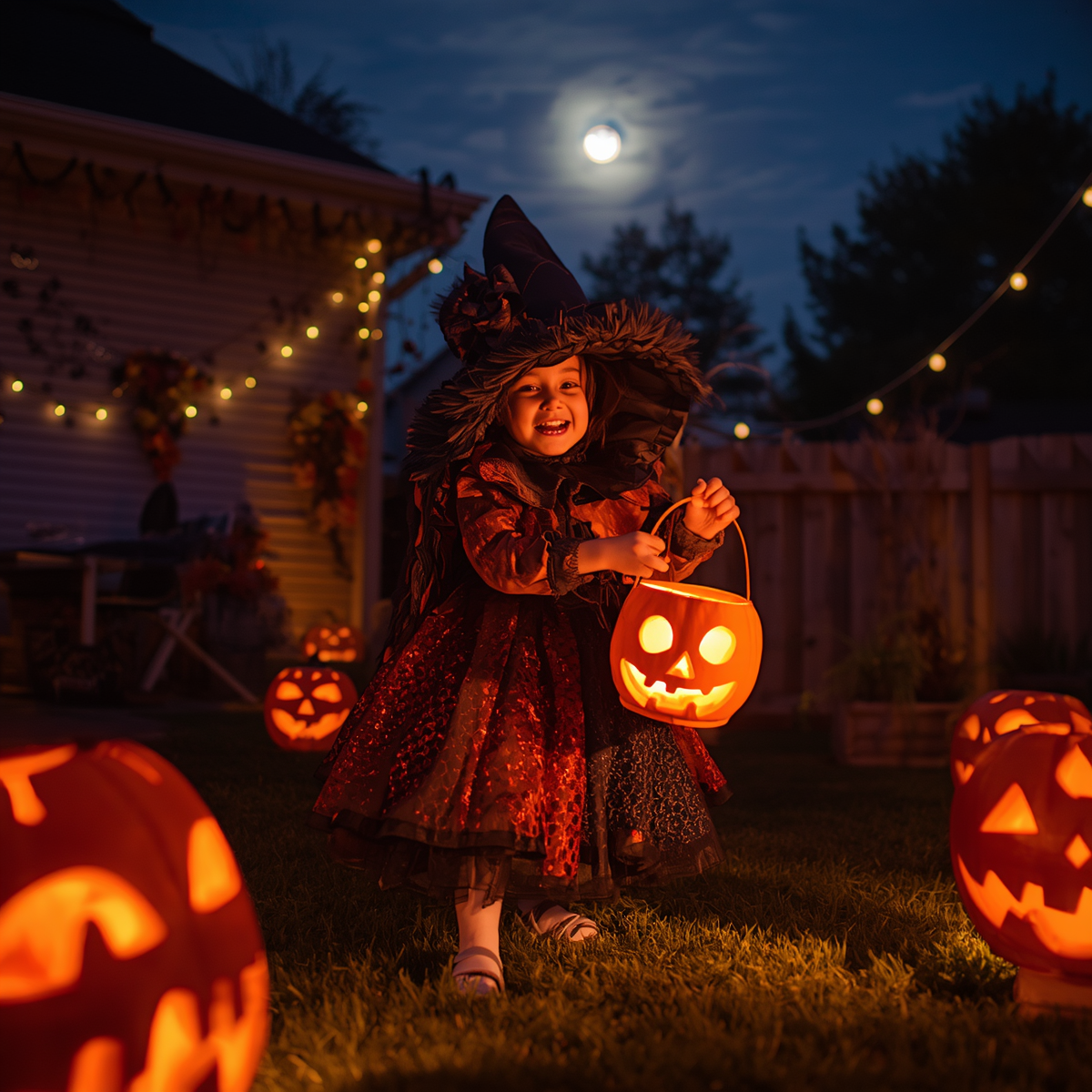
From fun-size candy to fog machines, board-certified allergist and immunologist Dr. Purvi Parikh explains the hidden allergy and asthma triggers of Halloween, and how to enjoy the night without them.
From fun-size candy to fog machines, Dr. Purvi Parikh, a board-certified allergist and immunologist in New York City, explains the hidden allergy and asthma triggers of October 31, and how to enjoy the night without them.
Halloween is meant to be frightening, but not like this. For the millions of Americans living with food allergies, asthma or sensitive skin, the holiday's most beloved rituals, from the candy haul to the costume to the haunted-house fog, can carry very real risks. Dr. Purvi Parikh, a board-certified allergist and immunologist with Allergy & Asthma Associates of Murray Hill in New York City, says the solution isn't sitting the night out. It's knowing where the triggers hide, and planning around them.
The Candy Bag Is the Biggest Culprit
According to Dr. Purvi Parikh, most Halloween candy contains at least one of the most common food allergens: peanuts, tree nuts, milk and egg, while baked treats often add wheat and soy to the list. Her first rule is simple: never guess. Every piece should be checked before it's eaten. Federal labeling law requires even mini candy bars to list major allergens, and if a label is missing or unclear, that piece shouldn't be eaten at all.
Two details catch even seasoned parents off guard. First, a precautionary line such as "may contain" or "made in a facility with" means an allergen could be present, and for most people with food allergies, skipping those treats is the safest choice; when in doubt, call the manufacturer or ask your allergist. Second, fun-size candies don't always share the recipe or production line of their full-size versions, so a bar that's safe in the regular size isn't automatically safe in the mini.
At home, separate allergen-containing candy from safe treats when siblings have different needs, and keep the stash out of reach. On the route itself, Dr. Parikh recommends planning stops with friends, family and neighbors who can offer allergy-friendly options or non-food treats like stickers, crayons, temporary tattoos and small toys. Children should also be taught to politely decline homemade cookies, cupcakes and other baked goods. A "candy swap" at the end of the night, trading collected treats for safe ones or a small prize, keeps the fun intact.
Never Trick-or-Treat Without Epinephrine
For anyone at risk of anaphylaxis, Dr. Parikh's guidance is clear: carry two epinephrine auto-injectors, plus a flashlight, for the entire evening. Epinephrine is the first-line treatment for a severe allergic reaction, and a second dose matters in case symptoms return. After any use, seek medical care right away. When choosing a costume, look for one with a pocket large enough to hold the medication.
Fog, Cold Air and the Asthma Factor
Haunted houses and front-yard displays often rely on fog machines, which are known to provoke asthma flares, so Dr. Purvi Parikh suggests giving them a wide berth. Chilly October nights are another common trigger; a breathable cotton scarf worn over the nose and mouth helps warm and humidify the air before it reaches the lungs. Those with asthma should carry a quick-relief inhaler while trick-or-treating, and think twice before stepping inside a home with smokers or pets, since tobacco smoke and pet dander can both set off symptoms.
The costume itself deserves scrutiny, too. Outfits pulled from an attic, basement or garage can harbor dust mites and mold, so wash them thoroughly in hot water before wearing. Outdoors, damp leaf piles and decaying pumpkins can also hold mold, and for people sensitive to ragweed, a fall allergen that can linger in some regions until the first hard frost, it's worth keeping allergy medications on hand through the end of the season.
Masks, Makeup and Latex
Many masks and costumes are made with latex, which can cause hives, rashes and, in some people, breathing problems. Dr. Parikh advises checking the label, or contacting the manufacturer's consumer relations line, before buying for anyone with a latex allergy. Hosting a party? Swap latex balloons, a frequent trigger of serious reactions, for streamers, paper chains, banners, garland or confetti.
Face paint and costume makeup can also irritate the skin, trigger hives or worsen eczema, and some products contain preservatives such as formaldehyde. Dr. Parikh recommends a patch test well before Halloween: apply a small amount to the inner wrist or the back of the hand, and skip the product if any redness or rash appears. Costume jewelry, crowns and wands are worth a second look as well, since many contain nickel or cobalt, two common causes of contact allergy.
A Lower-Risk Way to Celebrate
If trick-or-treating feels like too much, Dr. Purvi Parikh notes that a festive night doesn't require a single doorbell. Pumpkin carving, a family costume contest, a Halloween scavenger hunt or a costume-themed movie night can create the same memories with far fewer variables. And for the curious: true pumpkin allergy is very rare, though it has been reported and may be linked to ragweed pollen sensitivity, so anyone who reacts while carving or eating pumpkin treats should mention it to an allergist.
Frequently Asked Questions
Can you really be allergic to Halloween?
Not to the holiday itself, but according to Dr. Purvi Parikh, many of its traditions involve common triggers, including food allergens in candy, latex in masks and balloons, fog machines, preservatives in costume makeup and mold in stored costumes.
What should I check on Halloween candy labels?
Look for major allergens in the ingredient list and for precautionary statements like "may contain." Remember that fun-size candy may differ from full-size versions, and don't eat anything that isn't clearly labeled.
How many epinephrine auto-injectors should I carry while trick-or-treating?
Dr. Parikh recommends carrying two, in case a second reaction occurs, and seeking medical care immediately after any use.
Are fog machines safe for people with asthma?
Fog machines are a known asthma trigger, so people with asthma are advised to avoid them and to keep a quick-relief inhaler on hand.
Who is Dr. Purvi Parikh?
Dr. Purvi Parikh is a board-certified adult and pediatric allergist and immunologist with Allergy & Asthma Associates of Murray Hill in New York City, a Clinical Assistant Professor of Medicine and Pediatrics at NYU School of Medicine, and a national spokesperson for the Allergy & Asthma Network.