


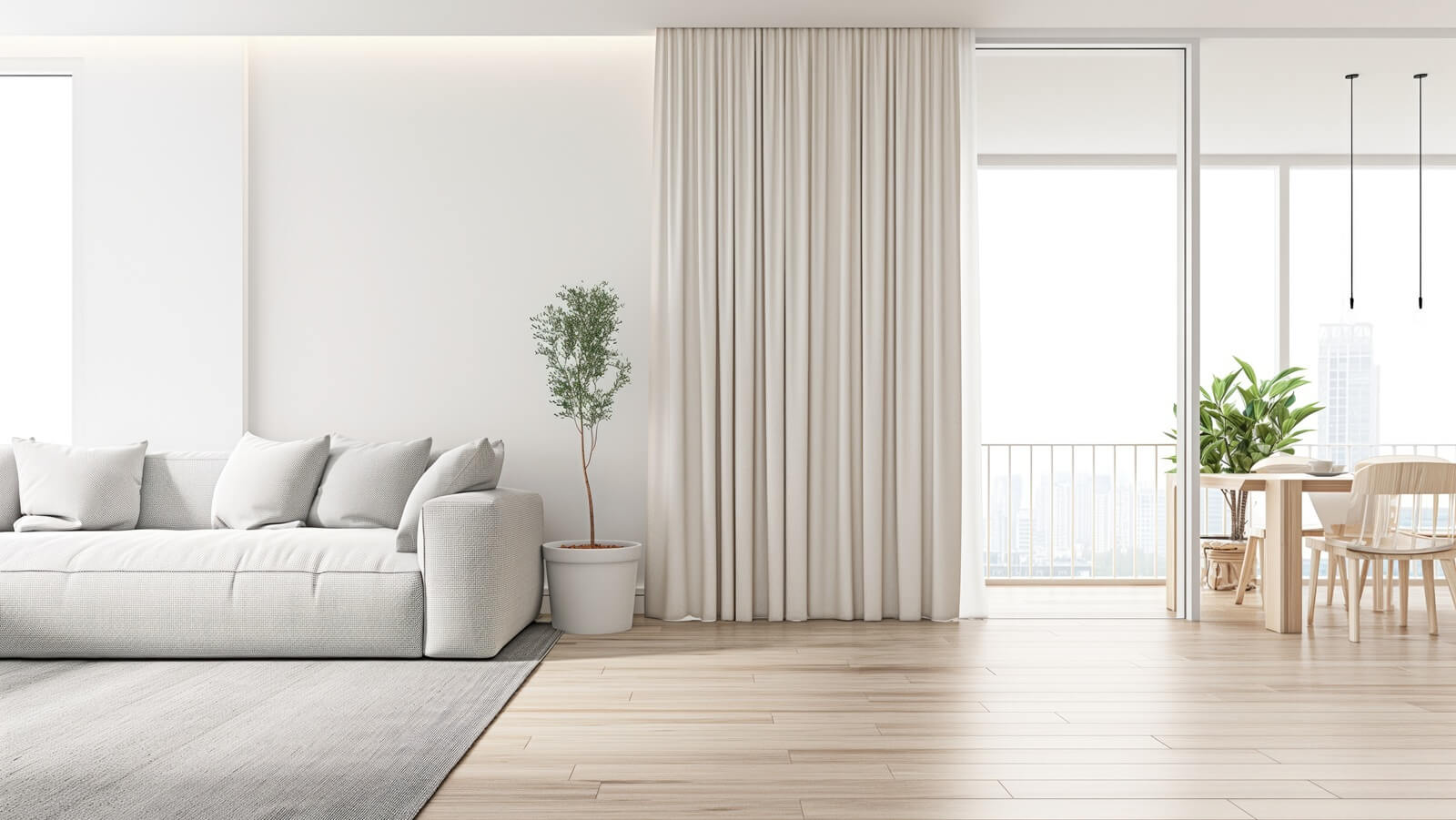
The design world’s most exclusive circles are experiencing a dramatic shift away from the stark minimalism that has dominated luxury interiors for the past decade, with high-end designers reporting a 400% increase in requests for bold, saturated color palettes.
This movement, dubbed “The Great Color Revolt” by industry insiders, represents more than aesthetic preference – it’s a psychological response to years of pandemic-era isolation and a desire for spaces that evoke emotion, energy, and personality.
Color psychology research from the International Association of Color Consultants reveals that monochromatic white spaces, while visually striking, can increase feelings of isolation and clinical detachment. Wealthy clients are increasingly seeking environments that reflect complexity, warmth, and individual identity.
Leading interior designers report that clients who previously insisted on all-white aesthetics are now requesting deep emeralds, rich burgundies, and sophisticated navy blues as primary palette choices. One Manhattan designer noted a client who replaced an entirely white penthouse with jewel tones, spending $3.2 million on the transformation.
Sophisticated Earth Tones: Terracotta paired with deep forest greens creates warmth while maintaining elegance. A recent Beverly Hills project used this combination throughout a 12,000-square-foot estate, with custom-mixed paint costing $45,000 alone. These combinations work particularly well in libraries, studies, and primary bedrooms.
Jewel-Toned Maximalism: Sapphire blues with gold accents, emerald greens with copper elements, and amethyst purples with silver details create spaces that feel both luxurious and energizing. A Palm Beach residence recently featured an emerald dining room with hand-applied gold leaf details, costing $180,000 for materials and specialized craftsmen.
Unexpected Monochromes: Instead of white-on-white, designers are exploring single-color rooms in unexpected hues. A Hamptons estate features an entire study rendered in 17 different shades of navy, creating depth and sophistication without additional colors.
The shift draws inspiration from global luxury traditions – Japanese wabi-sabi earthiness, Italian Renaissance richness, and Moroccan jewel-toned maximalism. Clients are requesting spaces that reflect their cultural experiences and travel memories rather than adhering to universal minimalist standards.
Working with bold colors in luxury spaces requires exceptional skill. Poor execution can appear gaudy rather than sophisticated. The most successful implementations involve layering different shades and textures within the same color family, creating depth and visual interest while maintaining elegance.
Professional color consultants, once rarely used in luxury design, are now commanding fees of $50,000-$100,000 per project. Their expertise in balancing bold choices with sophisticated execution has become essential.
Luxury furniture makers are responding with new collections featuring rich fabrics, bold artwork, and statement pieces designed to anchor colorful spaces. High-end paint companies report shortages of premium pigments as demand surges for custom color matching.
Farrow & Ball reported a 340% increase in orders for their deeper paint colors, while Benjamin Moore’s luxury line saw similar surges in jewel-toned selections.
This trend signals a broader cultural shift toward spaces that prioritize emotional well-being and personal expression over conformity to design magazine aesthetics, marking the end of the minimalist era in luxury design.