


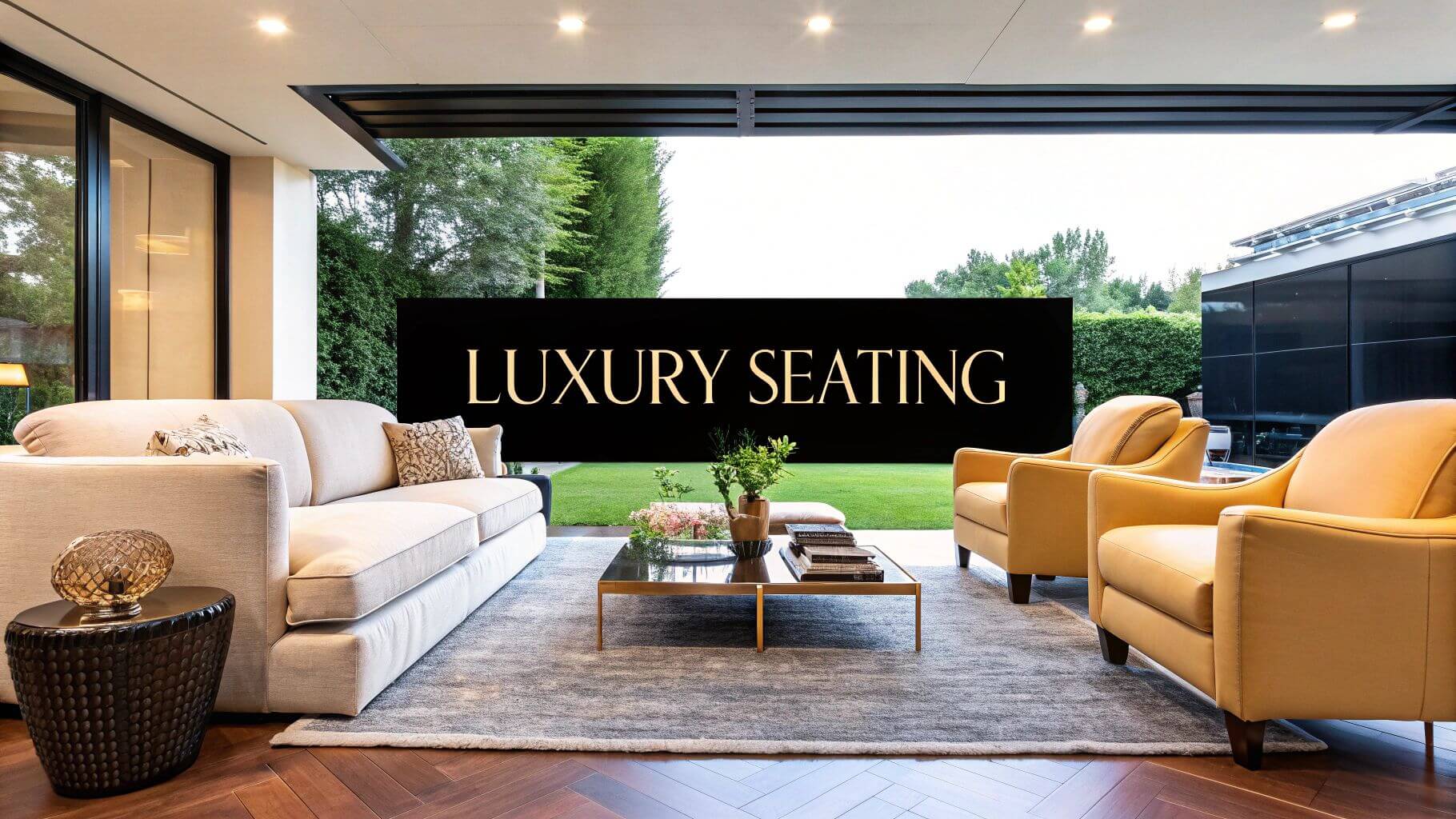
The living room is the heart of the home, a space for both quiet relaxation and grand entertaining. At its core, the character of this room is defined by its seating. Moving beyond mere function, luxury living room seating is about creating an experience-a carefully orchestrated arrangement of form, comfort, and style that reflects a sophisticated lifestyle. In today’s design landscape, generic furniture sets are being replaced by curated collections that tell a unique story and establish a distinct atmosphere.
This article explores 10 distinct living room seating ideas that transform a space from ordinary to extraordinary, offering actionable insights for affluent homeowners, interior designers, and architects. We will move past conventional layouts to examine sophisticated arrangements that elevate both aesthetics and functionality. Each concept presented is designed to inspire a fresh perspective on how seating can shape the flow, purpose, and visual impact of a high-end living area.
From the architectural drama of a sunken conversation pit to the collected elegance of a mixed seating arrangement featuring varied textures and silhouettes, we will delve into the strategies that top designers use to create iconic, welcoming, and impeccably styled living spaces. You will discover practical implementation details for diverse concepts, including the integration of window seats, the versatility of modular components, and the classic appeal of symmetrical layouts.
This curated guide provides the necessary tools and inspiration to craft a truly exceptional living room environment, focusing on layouts that are both visually stunning and perfectly suited to a modern luxury lifestyle. Consider this your definitive resource for innovative and refined seating solutions.
1. Sectional Sofa Layout
The sectional sofa has evolved from a practical furniture choice into a sophisticated cornerstone of luxury living room design. Comprising multiple independent pieces that connect, sectionals form expansive L-shaped or U-shaped seating arrangements. This inherent modularity offers unparalleled versatility, making it one of the most dynamic living room seating ideas for both grand, open-plan homes and more intimately scaled spaces.
Defining Space and Function
A primary benefit of the sectional is its ability to anchor a living area and delineate functional zones without the need for walls. In an open-concept great room, an L-shaped sectional can elegantly separate the living area from the dining space, creating a visual boundary that guides traffic flow. For expansive media rooms or finished basements, a large U-shaped sectional establishes a cozy, theater-like environment perfect for accommodating family and guests. Its scale and presence create an immediate focal point, grounding the room’s entire design scheme.
Expert Insight: When planning your layout, consider the sectional’s role as an architectural element. It can either divide a large room or unify a smaller one by maximizing corner space, offering a tailored solution that standard sofas cannot match.
Implementation and Configuration Tips
Successful integration of a sectional requires careful planning. Before purchasing, meticulously measure not only the intended room but also all entry points, including doorways, stairwells, and hallways, to ensure a smooth delivery.
- Create Breathing Room: Position the sectional at least 12-18 inches away from walls. This prevents a cramped look and allows space for curtains, side tables, or floor lamps.
- Anchor with a Rug: Place a large area rug underneath the sectional, extending at least a foot beyond its sides, to unify the seating group and define the conversation area.
- Optimize the Chaise: If your configuration includes a chaise lounge, position it near a window or natural light source to create an inviting reading nook.
For a deeper dive into arranging furniture effectively, explore this detailed guide on interior design space planning.
The following infographic highlights the key attributes that make sectionals a premier choice for modern living spaces.
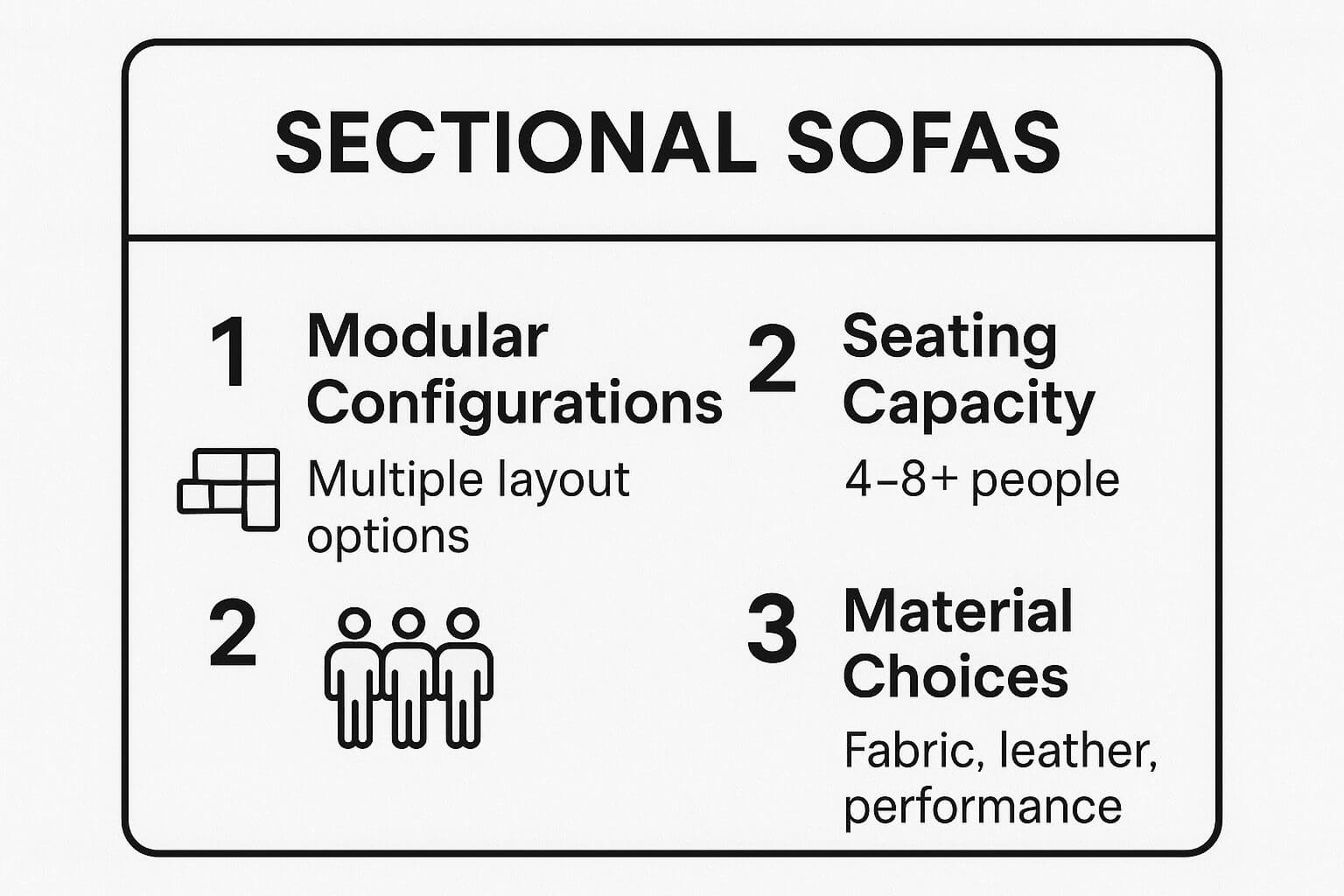
As the data shows, the combination of customizable configurations, generous seating, and extensive material options allows for a truly bespoke seating solution. This adaptability ensures that a sectional can meet the precise functional and aesthetic demands of any luxury interior.
2. Conversation Pit Seating
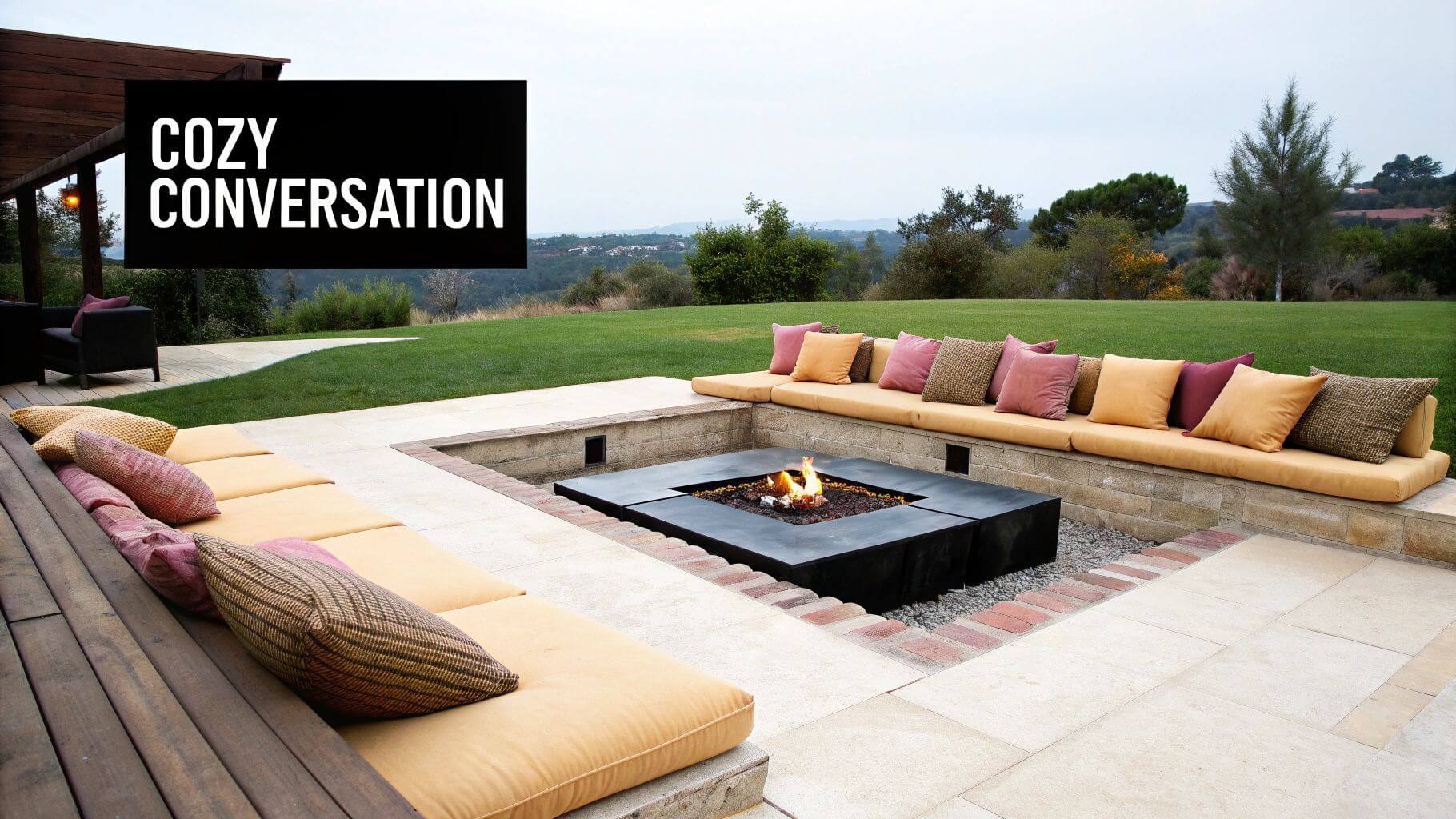
The conversation pit, a sunken seating area popularized in mid-century modern design, has made a dramatic return to luxury interiors. This architectural feature creates a recessed space with built-in sofas or benches, fostering an intimate, cocoon-like atmosphere that encourages direct social interaction. As one of the most distinctive living room seating ideas, it transforms the floor plan into a multi-level experience, adding depth and architectural intrigue to any space.
Defining Space and Function
A conversation pit serves as a powerful focal point, inherently defining the primary social hub within a living room. By lowering the seating area, it creates a room-within-a-room, separating the lounge space from surrounding traffic areas without visual barriers like walls or screens. This design is exceptionally effective in large, open-concept homes where it can be centered around a fireplace or a statement coffee table, drawing people in. The recessed nature minimizes furniture clutter in the main living area, promoting a clean, uncluttered aesthetic while maximizing seating capacity.
Expert Insight: Embrace the conversation pit as a destination. Its primary function is to bring people together, making it ideal for entertainment-focused homes. Modern interpretations often incorporate integrated technology and lighting, transforming it from a retro concept into a sophisticated, multi-functional lounge.
Implementation and Configuration Tips
Creating a successful conversation pit requires a blend of architectural planning and interior design finesse. Safety and comfort are paramount, and modern design standards must be integrated into this classic concept.
- Prioritize Safety and Access: Install at least one clearly defined step into the pit. Use subtle LED strip lighting along the edges of the steps and seating to improve visibility and add ambient glow.
- Select Resilient Materials: Opt for high-density foam cushions that retain their shape and provide lasting comfort. Choose high-performance, stain-resistant fabrics for the built-in upholstery to ensure longevity and ease of maintenance.
- Consider Versatility: For added functionality, design a custom platform insert that can be used to make the sunken area level with the main floor, creating a flexible space for larger gatherings or different furniture arrangements when needed.
The video below explores the history and modern resurgence of this unique seating arrangement.
From the iconic Miller House designed by Eero Saarinen to contemporary designs by Kelly Wearstler, the conversation pit proves its timeless appeal. When executed thoughtfully, it offers an unparalleled environment for connection and style.
3. Mixed Seating Arrangement
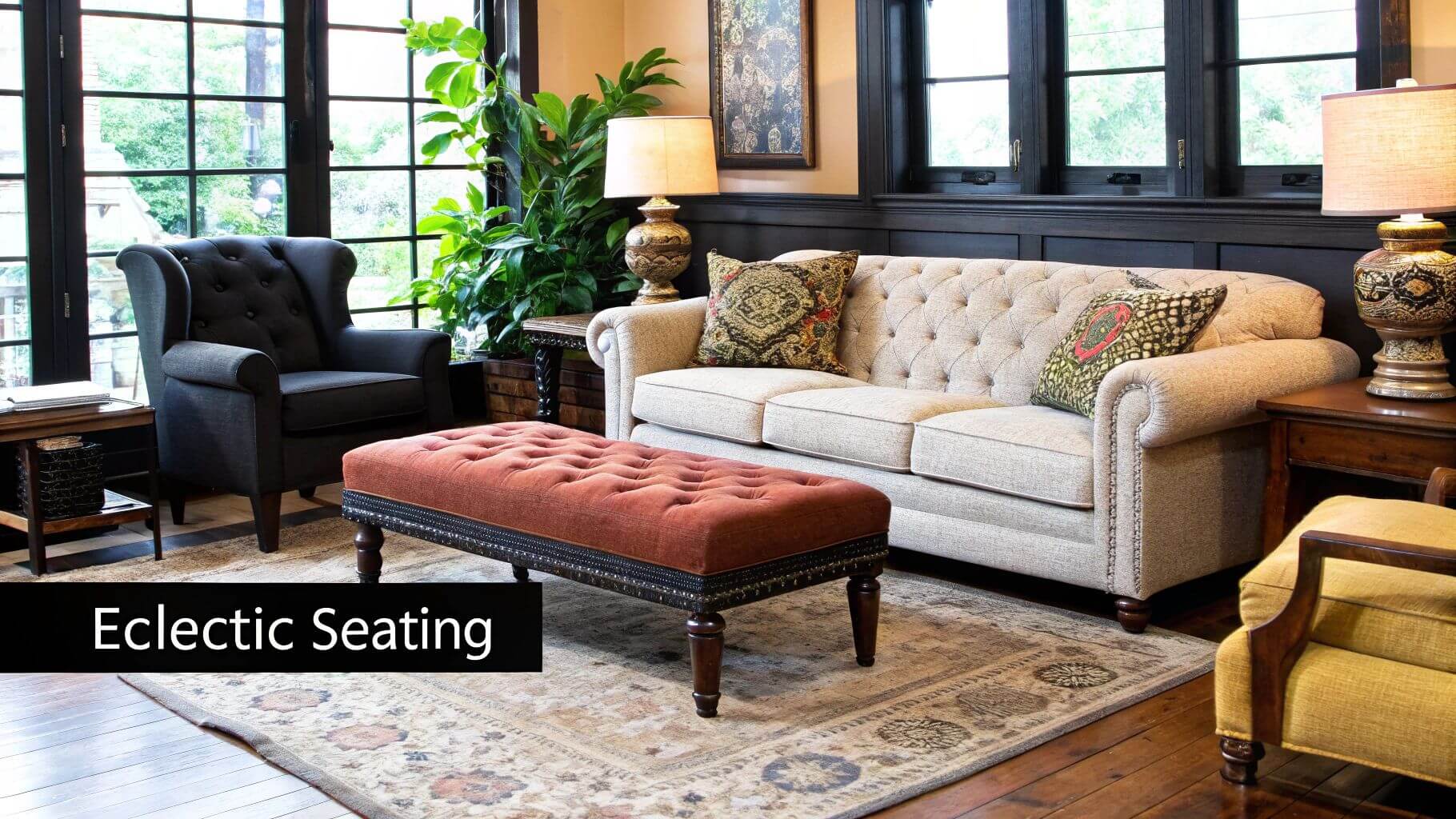
A mixed seating arrangement moves beyond the uniformity of a matching set, curating a collection of diverse pieces like sofas, armchairs, and ottomans. This sophisticated approach creates a layered, dynamic, and highly personalized living space. By combining different styles, materials, and forms, this concept prioritizes character and flexibility, resulting in one of the most expressive living room seating ideas available to discerning homeowners.
Defining Space and Function
The primary strength of a mixed seating arrangement is its ability to foster a collected, storied atmosphere that reflects personal taste. This layout can make a room feel more inviting and less formal, encouraging conversation and interaction. For instance, pairing a structured velvet sofa with supple leather club chairs and a woven ottoman introduces a rich tapestry of textures. This method also enhances functionality, accommodating different activities simultaneously, such as one person reading in a wingback chair while others gather on a loveseat.
Expert Insight: The key to a successful mixed arrangement is intentionality. Each piece should contribute to a cohesive narrative, united by a common thread such as a consistent color palette, material finish, or stylistic era. This prevents the space from feeling random and instead makes it look curated over time.
Implementation and Configuration Tips
Creating a harmonious mixed seating layout requires a thoughtful balance of elements. The goal is to achieve an eclectic look that feels both effortless and polished.
- Establish a Unifying Element: Select a single element to tie the disparate pieces together. This could be a shared color family (e.g., various shades of blue), a common material like wood or brass, or an overarching design period like mid-century modern.
- Balance Visual Weight: Distribute furniture to create visual equilibrium. If you have a large, heavy sofa on one side, balance it with two lighter armchairs and a side table on the opposite side.
- Vary Seating Heights: Introduce subtle variations in seat height, but keep them within a 3-4 inch range to maintain comfort and conversational flow. For example, a low-slung modern sofa can be complemented by slightly taller accent chairs.
This approach is central to creating interiors with depth and personality. You can explore more concepts like this in this guide to luxury home design ideas.
The versatility of mixing furniture allows for an exceptionally tailored environment. From combining a vintage chaise with a contemporary sofa to placing Moroccan poufs near classic armchairs, the possibilities are limitless, ensuring the seating arrangement is a true reflection of the home’s identity.
4. Window Seat Integration
The window seat is a timeless architectural feature that transforms an otherwise overlooked area into a functional and charming focal point. This built-in or freestanding seating, positioned beneath a window, merges comfort with utility, creating an idyllic spot for relaxation. As one of the most character-rich living room seating ideas, it capitalizes on natural light and outdoor views, adding a bespoke, custom-designed feel to any interior space.
Defining Space and Function
A window seat’s primary strength lies in its ability to add seating and storage without consuming valuable floor space. It carves out an intimate, multi-purpose zone within a larger room, perfect for a reading nook, a quiet spot for morning coffee, or extra seating for guests. In living rooms with prominent bay windows or a scenic overlook, integrating a window seat frames the view, making the window an interactive part of the room’s design rather than just an opening. This clever use of space introduces both practicality and a sense of cozy retreat.
Expert Insight: Think of a window seat as a piece of functional architecture. It should feel like an organic extension of the room, seamlessly blending with surrounding cabinetry, trim, or wall treatments to create a cohesive and high-end look.
Implementation and Configuration Tips
A well-executed window seat balances aesthetic appeal with ergonomic comfort. Careful planning is essential to ensure it becomes a favorite spot rather than just a decorative element.
- Prioritize Comfort: Use high-density foam for the cushion, at least 4-6 inches thick, to provide supportive and comfortable seating. Ensure the seat is at a standard height of about 18 inches.
- Protect Your Fabrics: Select durable, UV-resistant upholstery fabric to prevent fading and sun damage over time, preserving the beauty of your design.
- Integrate Smart Storage: Design the base with hinged lids or deep drawers for concealed storage of blankets, pillows, or games. This maximizes functionality in a compact footprint.
- Add Practical Amenities: Consider installing electrical outlets nearby for charging devices or plugging in a reading lamp, enhancing the nook’s usability.
This thoughtful integration of form and function makes the window seat a truly valuable addition to any luxury living space.
5. Modular and Ottoman Seating
Modular ottoman seating introduces an element of playful sophistication and ultimate flexibility into interior design. This concept involves using individual cube or rectangular ottomans that can be clustered, separated, or reconfigured on demand. These adaptable pieces offer a modern, dynamic alternative to traditional seating, serving a triple function as seats, footrests, and even coffee tables, making them one of the most resourceful living room seating ideas.
Defining Space and Function
The core advantage of modular ottomans is their capacity for transformation. In a compact studio apartment, a cluster of four storage ottomans can form a central coffee table, then quickly separate to provide extra seating when guests arrive. For a multi-purpose family or game room, these cubes can be arranged for different activities, from a large, comfortable floor lounge for movie nights to individual seats for board games. This unparalleled adaptability empowers homeowners to customize their living space in real time to suit any occasion.
Expert Insight: Think of modular ottomans as functional building blocks for your room. Their low profile maintains an open, airy feel, while their ability to be reconfigured provides a level of personalization that fixed furniture cannot offer.
Implementation and Configuration Tips
To successfully integrate modular ottoman seating, focus on cohesion and stability. A well-planned arrangement will look intentional and chic rather than cluttered or haphazard.
- Create Cohesion: Select ottomans within a unified color palette, even if you mix textures like leather, velvet, and linen. This creates a curated, high-end look.
- Ensure Stability: To prevent pieces from drifting apart when grouped, use a non-slip rug pad underneath or discreet furniture connectors.
- Add Functionality: Place a large, elegant tray on top of a single ottoman or a cluster to create a stable, solid surface for drinks, remote controls, or decorative objects.
- Optimize Storage: Prioritize storage ottomans to discreetly house blankets, games, or electronics, which is especially valuable in smaller living areas.
This type of seating is a testament to modern design principles where form and function merge seamlessly. For more inspiration on versatile furniture, see the curated collections at Design Within Reach, a brand known for its commitment to innovative and functional design.
6. Symmetrical Sofa and Chair Arrangement
The symmetrical sofa and chair arrangement is a timeless and foundational principle in luxury interior design, embodying order, balance, and formal elegance. This classic layout involves arranging furniture in a mirror image on either side of a central axis, which is typically anchored by a significant architectural feature like a fireplace, a large window, or a piece of art. The result is a harmonious and visually stable environment that feels both intentional and sophisticated.
Defining Space and Function
A primary strength of a symmetrical arrangement is its ability to create a clear sense of purpose and formality. It naturally fosters conversation by positioning seating directly across from each other, making it an ideal choice for formal living rooms or sitting areas designed for entertaining. By flanking a central sofa with a pair of matching armchairs or loveseats, this layout establishes a refined focal point that draws the eye and organizes the room with classical precision. This structured approach is particularly effective in spaces designed for quiet relaxation or sophisticated social gatherings.
Expert Insight: Symmetry creates a psychological sense of calm and order. While perfect mirroring provides a strong foundation, introducing subtle variations in accessories like throw pillows or side table decor can prevent the space from feeling overly rigid or static.
Implementation and Configuration Tips
Achieving a successful symmetrical layout requires precision and a keen eye for balance. The goal is to create a space that feels poised and graceful, not stiff or uninviting.
- Establish a Strong Focal Point: Ensure your central element, be it a fireplace or console table, is perfectly centered. All other pieces will align with this anchor.
- Maintain Conversational Distance: Place seating elements approximately 8 to 10 feet apart to facilitate easy conversation without feeling distant.
- Ground the Arrangement: Use a large, centered area rug to unify the entire seating group. The front legs of all major pieces should rest on the rug to create a cohesive zone.
- Balance with Lighting: Flank the main sofa or focal point with matching table lamps or floor lamps to reinforce the symmetrical aesthetic and provide balanced illumination.
- Introduce Subtle Asymmetry: Break the perfect symmetry with carefully chosen accessories. Stagger the arrangement of books on a coffee table or use different plants on matching end tables to add a layer of visual interest.
By adhering to these principles, the symmetrical arrangement becomes one of the most powerful living room seating ideas for crafting a space that is both elegant and welcoming.
7. Floor Seating and Low Furniture
Inspired by global design traditions, from Japanese minimalism to Moroccan riads, floor seating and low-profile furniture introduce a grounded, intimate, and sophisticated aesthetic. This approach centers on pieces like oversized floor cushions, poufs, and low-slung sofas, which sit closer to the ground. This unconventional choice is one of the more unique living room seating ideas, creating a relaxed atmosphere that encourages informal social gatherings and makes a room feel more open and expansive.
Defining Space and Function
A primary advantage of floor-level seating is its ability to foster a sense of closeness and casual comfort. By lowering the room’s visual center of gravity, it enhances vertical space, making ceilings appear higher and the overall environment feel less formal. In a modern minimalist space, a sleek, low platform sofa maintains clean lines, while in a bohemian-inspired room, a layered collection of Moroccan poufs and plush cushions creates a welcoming and flexible arrangement for guests. This style is particularly effective in multi-purpose areas, like media rooms or lounges, where seating can be easily reconfigured.
Expert Insight: Embrace floor seating not just for its aesthetic but for its psychological impact. Lower seating encourages guests to relax and engage in a more communal, less hierarchical manner, transforming the social dynamic of your living space.
Implementation and Configuration Tips
Successfully integrating low-profile seating requires a thoughtful balance of comfort, style, and practicality. The key is to create an inviting environment that feels intentional rather than incomplete.
- Layer for Comfort: Build a plush foundation by layering multiple area rugs or placing cushions on a single, thick-piled rug. This adds visual texture and crucial cushioning.
- Balance with Height: Compensate for the low furniture by using vertical space effectively. Incorporate tall floor lamps, wall-mounted shelving, or statement art to draw the eye upward and balance the room’s proportions.
- Prioritize Accessibility: Pair low seating with appropriately scaled tables, typically 12-15 inches high, to ensure functionality. Keep a few stylish folding chairs stored nearby for guests who may find floor seating challenging.
For those inspired by this grounded aesthetic, designers like Justina Blakeney of Jungalow offer a wealth of inspiration on blending vibrant, eclectic floor seating into modern homes.
8. L-Shaped Sofa and Loveseat Layout
The L-shaped sofa and loveseat layout offers a classic and highly adaptable alternative to a singular sectional. This configuration pairs a standard sofa with a smaller loveseat, positioned perpendicularly to form a cohesive L-shape. The result is one of the most practical and flexible living room seating ideas, providing the conversational benefits of a corner arrangement with the added versatility of two separate, movable pieces.
Defining Space and Function
A primary advantage of this layout is its ability to define a conversation zone within larger, open-concept spaces or to maximize seating in more traditional rooms. By arranging the sofa and loveseat at a right angle, you create an intimate corner that naturally encourages interaction. This configuration is ideal for family rooms, as it allows one piece to face a television or fireplace while the other facilitates side viewing or conversation, accommodating multiple activities simultaneously. The separation of the pieces also offers greater flexibility in furniture placement than a fixed sectional.
Expert Insight: This arrangement excels at creating a sense of enclosure and intimacy without closing off a room. It establishes a clear perimeter for the living area, guiding foot traffic and separating it from adjacent zones like a dining room or entryway.
Implementation and Configuration Tips
Properly executing this layout hinges on achieving balance and cohesion between the two main pieces. The goal is to create a unified look while maintaining the functional benefits of separate furniture.
- Mind the Gap: Leave a small gap of 3-5 inches between the sofa and loveseat to avoid a crowded appearance, or fill the space with a functional corner table or a tall plant stand.
- Unify with a Rug: Place a large area rug under the front legs of both the sofa and the loveseat to visually connect them and anchor the entire seating group.
- Consider Complementary Styles: For a more curated and sophisticated design, select a sofa and loveseat in complementary, rather than identical, styles or fabrics. This adds visual interest and a custom feel.
- Maintain Clear Pathways: Ensure at least 30 inches of clearance between the seating and your coffee table to allow for comfortable movement and maintain an open, uncluttered flow.
9. Bench Seating and Backless Options
Bench seating introduces a sleek and architecturally interesting element to the living room, offering a departure from traditional armed and backed chairs. These long, narrow seats, whether upholstered, wooden, or in a more formal settee style, provide remarkable versatility. Their backless nature ensures they occupy minimal visual space, making them one of the most adaptable living room seating ideas for enhancing flow and flexibility.
Defining Space and Function
The primary advantage of bench seating is its ability to serve multiple functions without obstructing views or traffic paths. In an open-concept layout, a bench can act as a subtle divider between the living and dining areas, providing seating for both zones. Placed against a wall or under a window, it creates a charming reading nook or a casual perch. In smaller rooms, a bench can even double as a coffee table with the addition of a tray, showcasing its dual-purpose appeal.
Expert Insight: Think of a backless bench as a “floating” element. Its low profile allows it to be placed in front of a fireplace, behind a sofa, or perpendicular to a main seating group without creating a visual barrier, maintaining an open and airy feel.
Implementation and Configuration Tips
Integrating bench seating effectively relies on strategic placement and thoughtful styling to maximize both comfort and aesthetic impact. The key is to balance its minimalist form with the plushness of surrounding furniture.
- Promote Conversation: Position a bench perpendicular to a sofa or armchair to create an L-shaped conversational area that feels inclusive yet uncluttered.
- Layer for Comfort: Add custom cushions, plush throws, or decorative pillows to soften the bench and tie its design into the room’s color palette.
- Choose a Sculptural Base: Select a bench with interesting legs or a unique base to introduce a sculptural, artistic quality to the space.
- Mind the Height: Ensure the bench seat height is approximately 2-4 inches lower than the main sofa’s seat to maintain a comfortable and visually pleasing hierarchy.
This type of versatile seating is particularly effective in compact areas. For more strategies on furniture that serves multiple purposes, you can learn more about how to maximize small spaces.
The following infographic highlights the key attributes that make benches a sophisticated choice for contemporary living spaces.
As the data illustrates, the combination of a small footprint, multi-functional use, and stylistic range makes bench seating a powerful tool for designers looking to create dynamic and efficient layouts without sacrificing elegance.
10. Recliner and Media Seating Arrangement
The modern home theater has transcended its niche status, becoming a staple of luxury living that demands specialized seating. A recliner and media seating arrangement prioritizes ergonomic comfort, acoustic optimization, and perfect sightlines for an immersive viewing experience. This layout moves beyond a standard sofa, incorporating dedicated recliners or theater-style seats arranged in rows or curved formations, all oriented toward a central media wall or projection screen.
Defining Space and Function
The core purpose of a media seating arrangement is to create a dedicated zone for entertainment that maximizes both comfort and the technical quality of the viewing experience. In a dedicated media room or finished basement, rows of reclining theater seats from brands like Seatcraft or Octane Seating can replicate a commercial cinema. In a multi-purpose family room, a sectional with integrated power-reclining end seats offers a more versatile solution, blending everyday living with dedicated media enjoyment. This approach transforms a space from a simple living room into a sophisticated entertainment hub.
Expert Insight: Modern recliners have shed their bulky reputation. Look for sleek, wall-hugger designs that offer full extension with minimal wall clearance, allowing you to achieve cinematic comfort without sacrificing valuable floor space or a contemporary aesthetic.
Implementation and Configuration Tips
Creating an effective media layout requires more than just placing chairs in front of a screen. Careful planning of angles, distances, and room acoustics is paramount for achieving a truly immersive environment.
- Calculate Viewing Distance: Position the primary seating row at a distance of 1.5 to 2.5 times the diagonal measurement of your screen. This ensures an optimal field of view without causing eye strain.
- Angle for Immersion: Arrange seats in a gentle arc or angle the outer seats slightly toward the center of the screen. This ensures every viewer has an excellent sightline and feels equally engaged.
- Manage Light and Sound: Opt for dark, non-reflective upholstery like matte leather or dense fabric to minimize light bounce from the screen. Additionally, select recliners with quiet motors to prevent mechanical noise from interrupting your viewing experience.
Living Room Seating Ideas Comparison
| Seating Type | Implementation Complexity 🔄 | Resource Requirements 💡 | Expected Outcomes 📊 | Ideal Use Cases 💡 | Key Advantages ⭐ |
|---|---|---|---|---|---|
| Sectional Sofa Layout | Moderate (modular setup, large) | Higher budget ($800-$5,000+), delivery considerations | Maximizes seating, flexible configurations | Large families, open floor plans, entertaining | Maximizes seating, versatile layout |
| Conversation Pit Seating | High (structural floor changes) | Very high cost ($10,000-$50,000+), architectural work | Creates intimate, cozy conversation space | Large living rooms, mid-century modern homes | Unique focal point, intimate setting |
| Mixed Seating Arrangement | Moderate to high (curation needed) | Variable ($2,000-$8,000+), gradual addition possible | Personalized, eclectic functional space | Eclectic styles, gradual furnishing | Highly customizable, expresses personality |
| Window Seat Integration | Moderate (built-in or custom) | Variable ($500-$5,000), custom work needed | Cozy nook, natural light utilization | Homes with bay windows, readers | Space maximization, adds charm |
| Modular and Ottoman Seating | Low to moderate (easy rearrangement) | Low ($100-$500 per ottoman), minimal installation | Flexible, casual seating, multi-functional | Small spaces, multifunctional rooms | Ultimate flexibility, affordable |
| Symmetrical Sofa and Chair Arrangement | Low (standard furniture placement) | Moderate to high ($3,000-$10,000+), matching pieces | Formal, balanced, harmonious layout | Traditional homes, formal living rooms | Timeless elegance, easy to execute |
| Floor Seating and Low Furniture | Low (simple pieces) | Low to moderate ($200-$2,000), easy sourcing | Casual, open, relaxed atmosphere | Bohemian styles, small spaces, casual entertaining | Budget-friendly, creates openness |
| L-Shaped Sofa and Loveseat Layout | Moderate (two separate pieces) | Moderate ($1,500-$4,000), easier transport | Flexible L-shaped seating, conversation-friendly | Medium rooms, families, TV watching | More flexible than sectionals |
| Bench Seating and Backless Options | Low (simple furniture) | Low to moderate ($200-$2,000), versatile options | Streamlined, flexible supplemental seating | Small spaces, transitional areas | Space-saving, versatile usage |
| Recliner and Media Seating Arrangement | High (specialized furniture) | High ($800-$5,000+ per seat), power hookups | Maximum comfort and optimal media viewing | Media rooms, home theaters, gaming spaces | Ultimate comfort, built-in features |
Crafting Your Perfect Seating Sanctuary
The journey through the diverse world of living room seating ideas reveals a fundamental truth: the ideal arrangement is not a one-size-fits-all solution, but a deeply personal expression of style, function, and comfort. Your living room is the heart of your home, a stage for quiet evenings, lively gatherings, and cherished moments. The seating you choose is the most critical element in defining this space, setting the tone for every interaction and experience within its walls.
We have explored an array of sophisticated options, moving far beyond the conventional sofa and armchair paradigm. From the enveloping embrace of a custom conversation pit to the chic versatility of modular components, each concept offers a unique pathway to a more functional and beautiful living area. The key is to see your seating not as mere furniture, but as a strategic tool for architectural and social engineering within your home.
Synthesizing Form, Function, and Flow
The most successful living room seating ideas are those that achieve a harmonious balance between aesthetics, utility, and spatial dynamics. A symmetrical layout with matching sofas and chairs can impart a sense of formal elegance and order, perfect for refined entertaining. In contrast, a mixed seating arrangement featuring a blend of settees, accent chairs, and ottomans cultivates a more eclectic, collected-over-time ambiance that feels both personal and inviting.
The ultimate goal is to create a layout that feels intuitive. Consider these core principles as you refine your vision:
- Traffic Flow: Ensure there are clear, unobstructed pathways around your seating clusters. A well-planned arrangement guides movement naturally, preventing the space from feeling cramped or awkward.
- Focal Point Orientation: Whether it’s a grand fireplace, a stunning piece of art, or a breathtaking view, your primary seating should be oriented to honor the room’s focal point, creating a natural anchor.
- Purposeful Zones: For larger spaces, use distinct seating groups to delineate zones for different activities. A media-focused recliner setup can coexist beautifully with a more formal conversation area anchored by an L-shaped sofa.
From Inspiration to Implementation
Translating these concepts into a tangible reality requires a thoughtful assessment of your lifestyle. Do you host large, informal gatherings? The communal nature of a sectional sofa or the adaptability of bench seating might be ideal. Do you crave a quiet corner for reading? Integrating a built-in window seat provides a charming and dedicated sanctuary. The power of these living room seating ideas lies in their ability to be tailored to your specific needs.
Remember, the details are what elevate a good layout to a great one. The strategic placement of an ottoman can transform a modular sofa into a chaise lounge. The choice of low-profile furniture can create an open, contemporary feel that enhances a minimalist aesthetic. Every piece you select contributes to the overall narrative of your space.
Ultimately, mastering your living room’s seating plan is about creating more than just a place to sit; it is about crafting an environment that supports and enhances your life. It’s about building a sanctuary that welcomes, comforts, and inspires. By thoughtfully applying these principles, you can transform your living room from a simple collection of furniture into a cohesive, elegant, and deeply personal haven for connection and relaxation.
Ready to bring your sophisticated vision to life with flawless execution? The elite network of world-class interior designers at Haute Design specializes in translating ambitious living room seating ideas into breathtaking, bespoke realities. Connect with a vetted professional who can source the perfect pieces and orchestrate a layout that is uniquely yours by visiting Haute Design.