


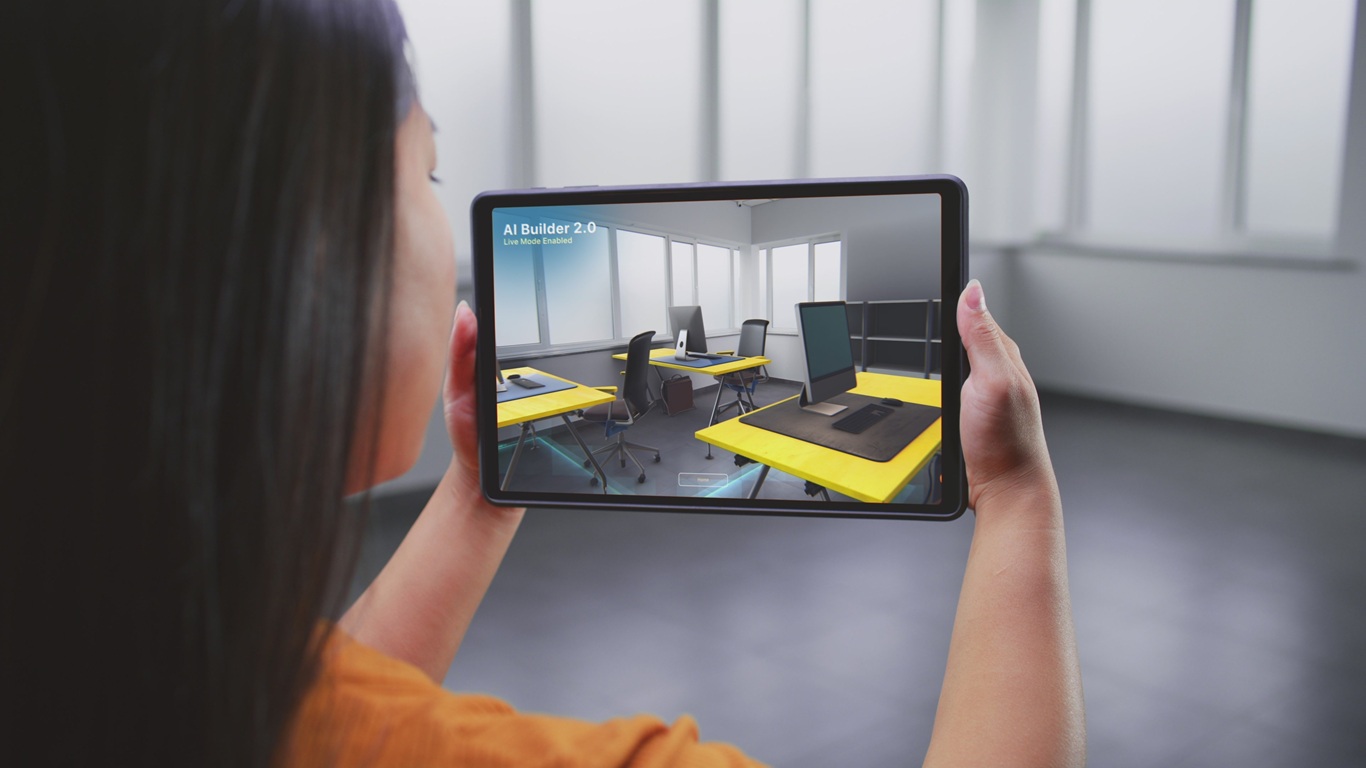
The luxury interior design industry is experiencing a technological renaissance as artificial intelligence investments surge past $50 million in 2025, fundamentally transforming how elite designers approach spatial planning, material selection, and client visualization.
Leading design firms are implementing AI-powered tools that generate photorealistic renderings in minutes rather than weeks, analyze natural light patterns throughout different seasons, and predict how specific color palettes will affect client mood and well-being. This technological leap is particularly impactful for high-end residential projects where customization and precision are paramount.
Revolutionary Technology Integration
Advanced machine learning algorithms now analyze thousands of luxury interior images to identify emerging trends before they hit mainstream publications. These systems process client lifestyle data, architectural constraints, and aesthetic preferences to generate design solutions that human designers might never consider.
Notable implementations include virtual reality systems that allow clients to experience their future spaces with haptic feedback, letting them feel fabric textures and temperature variations. Some luxury firms are investing up to $2 million in these immersive technologies to serve ultra-high-net-worth clients who demand perfection before construction begins.
One Manhattan-based firm recently completed a $15 million penthouse design using AI to optimize room layouts based on the client’s daily movement patterns, tracked through smartphone data. The system identified 12% more efficient space utilization than traditional methods would have achieved.
Market Impact and Designer Response
The integration isn’t replacing human creativity but amplifying it. Top designers report that AI tools free them from technical calculations, allowing more time for conceptual innovation and client relationship building. However, this technological shift is creating a clear divide between firms that embrace these tools and those clinging to traditional methods.
Miami’s luxury design market has seen particularly rapid adoption, with 78% of high-end firms now using some form of AI assistance. These tools have reduced project development time by an average of 35% while improving client satisfaction scores by 28%.
Challenges and Opportunities
Not all implementations succeed. Some clients initially resist AI-generated options, preferring traditional hand-drawn concepts. Smart firms use AI for behind-the-scenes optimization while presenting results through familiar visualization methods.
The technology excels in technical problem-solving – calculating optimal acoustic properties, predicting HVAC efficiency, and identifying potential structural issues before construction. These capabilities have reduced costly mid-project changes by 60% across participating firms.
Future Implications
Industry experts predict that within three years, AI-assisted design will become standard for luxury projects over $5 million, as clients increasingly expect rapid iterations and flawless execution that these technologies enable.
The most successful firms appear to be those using AI as a powerful assistant rather than a replacement for human intuition and creativity, maintaining the personal touch that defines truly exceptional luxury spaces while leveraging technology for precision and efficiency.