


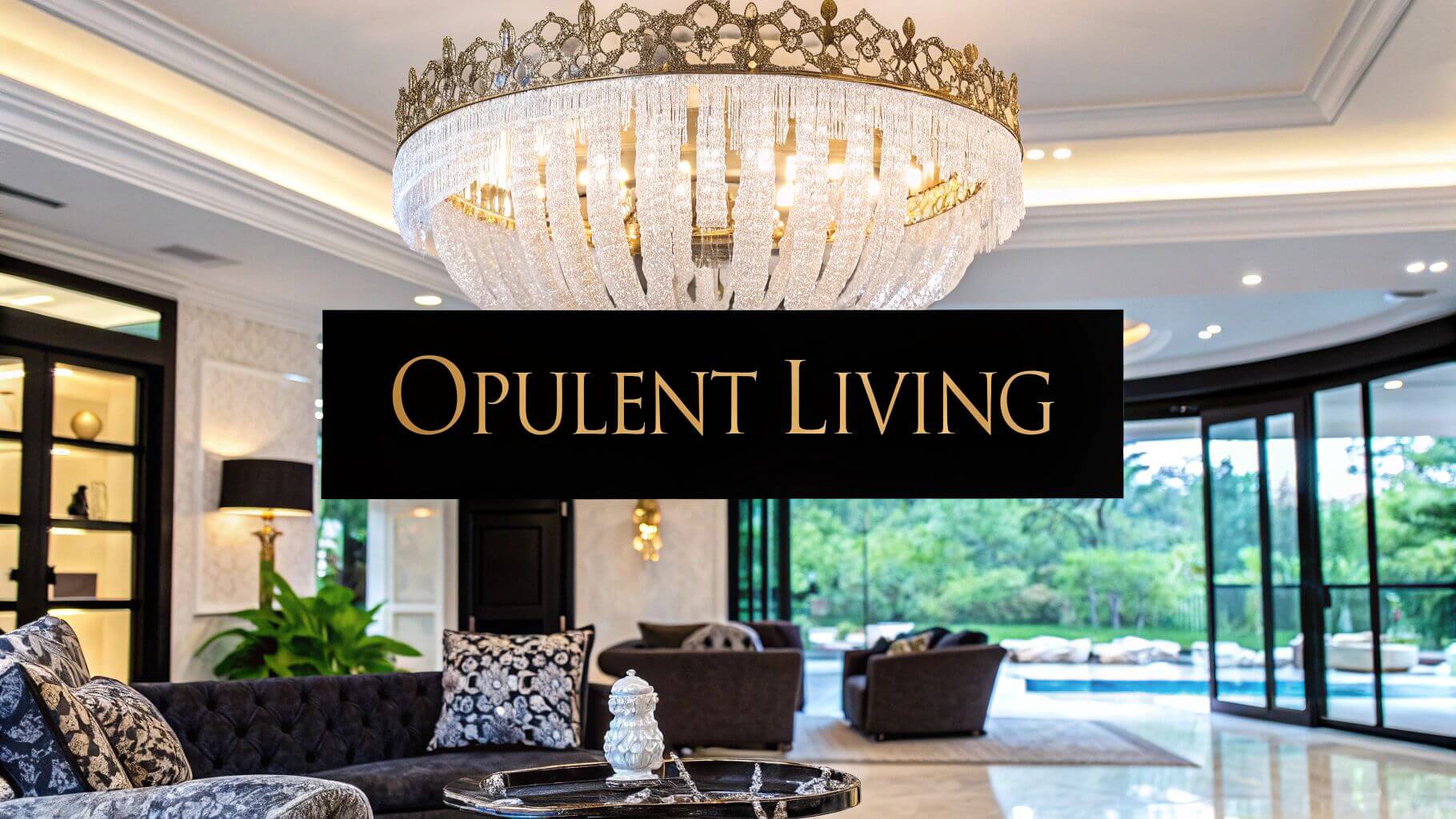
Embark on a journey to transform your living space into a masterpiece of personal expression and unparalleled comfort. True luxury home decor transcends mere aesthetics; it’s about curating an environment that reflects your unique story, integrates flawless functionality, and indulges the senses. The distinction between a well-decorated house and a truly luxurious home lies in the thoughtful application of specific, high-impact design principles.
In this guide, we will explore eight transformative luxury home decor ideas that move beyond fleeting trends to offer timeless elegance and tangible value. From the dramatic allure of a sculptural chandelier to the tactile richness of bespoke textiles, these concepts provide actionable insights for creating a truly sophisticated sanctuary. Prepare to discover how to layer texture, invest in permanence, and make choices that resonate with enduring style, turning your home into an authentic reflection of refined living. Each item in this roundup details a powerful strategy for elevating your interiors, with practical examples and implementation tips to guide your design process.
1. Statement Lighting Fixtures
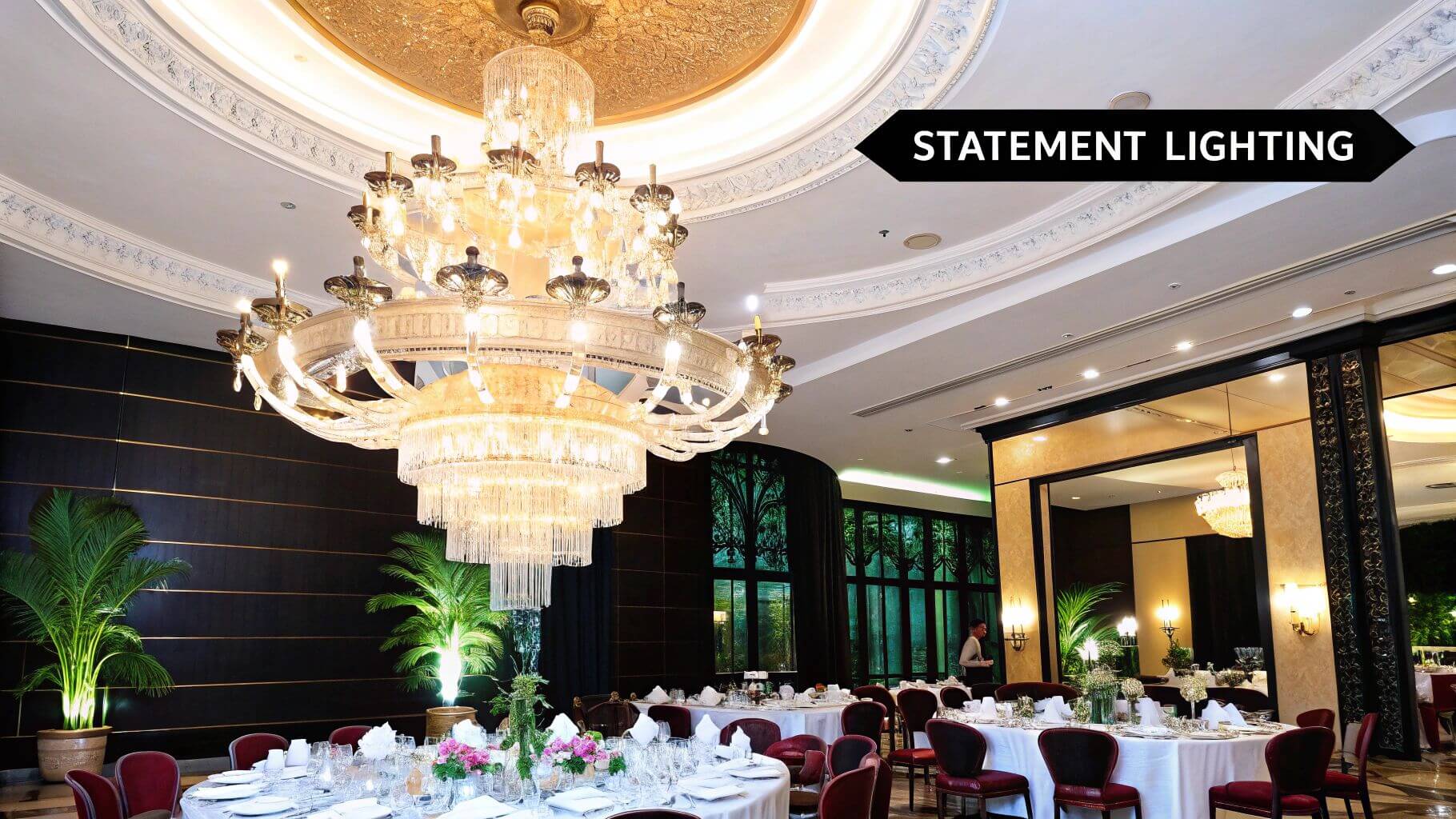
A statement lighting fixture is more than just a source of illumination; it is a sculptural work of art that commands attention and defines the character of a room. This approach to luxury home decor ideas involves selecting an oversized, artistically significant chandelier, pendant, or sculptural lamp to serve as a dramatic focal point. These pieces blend functional lighting with exceptional design, elevating spaces from merely well-decorated to truly unforgettable.
The impact of such a fixture is exemplified by the grand Baccarat crystal chandeliers in The Plaza Hotel’s Grand Ballroom or the custom brass installations by Kelly Wearstler at the Proper Hotels, which transform lobbies into immersive art experiences. By choosing a light fixture crafted from premium materials like hand-blown glass, crystal, or sculptural metals, you introduce a powerful element of sophistication and artistic expression.
Implementation and Proportionality
Successfully integrating a statement fixture requires careful consideration of scale and placement. A common design rule ensures the fixture is proportional to the space: calculate the room’s length plus its width in feet to determine the ideal chandelier diameter in inches. For instance, a 15-foot by 20-foot room (35 feet total) would suit a 35-inch diameter chandelier.
Key considerations include:
- Dining Room Height: Hang chandeliers 30-36 inches above the dining table surface to maintain a clear line of sight while creating an intimate atmosphere.
- Ambiance Control: Install dimmer switches to adjust the light’s intensity, allowing you to transition seamlessly from bright, functional lighting to a soft, ambient glow.
- Professional Installation: Due to their weight and complexity, always hire a professional electrician to ensure safe and secure installation.
Curating the Right Effect
Balancing a dominant lighting piece is crucial for a cohesive design. Complement your statement fixture with more subdued, layered lighting, such as recessed lights or simple wall sconces, to avoid visual competition. This strategy ensures the primary fixture remains the undisputed star.
Esteemed designers and brands like Lindsey Adelman, known for her branching bubble chandeliers, and iconic manufacturers such as Flos and Apparatus Studio, offer a range of options that can define an interior’s aesthetic, from modern minimalism to opulent classicism.
2. Velvet and Luxe Textile Upholstery
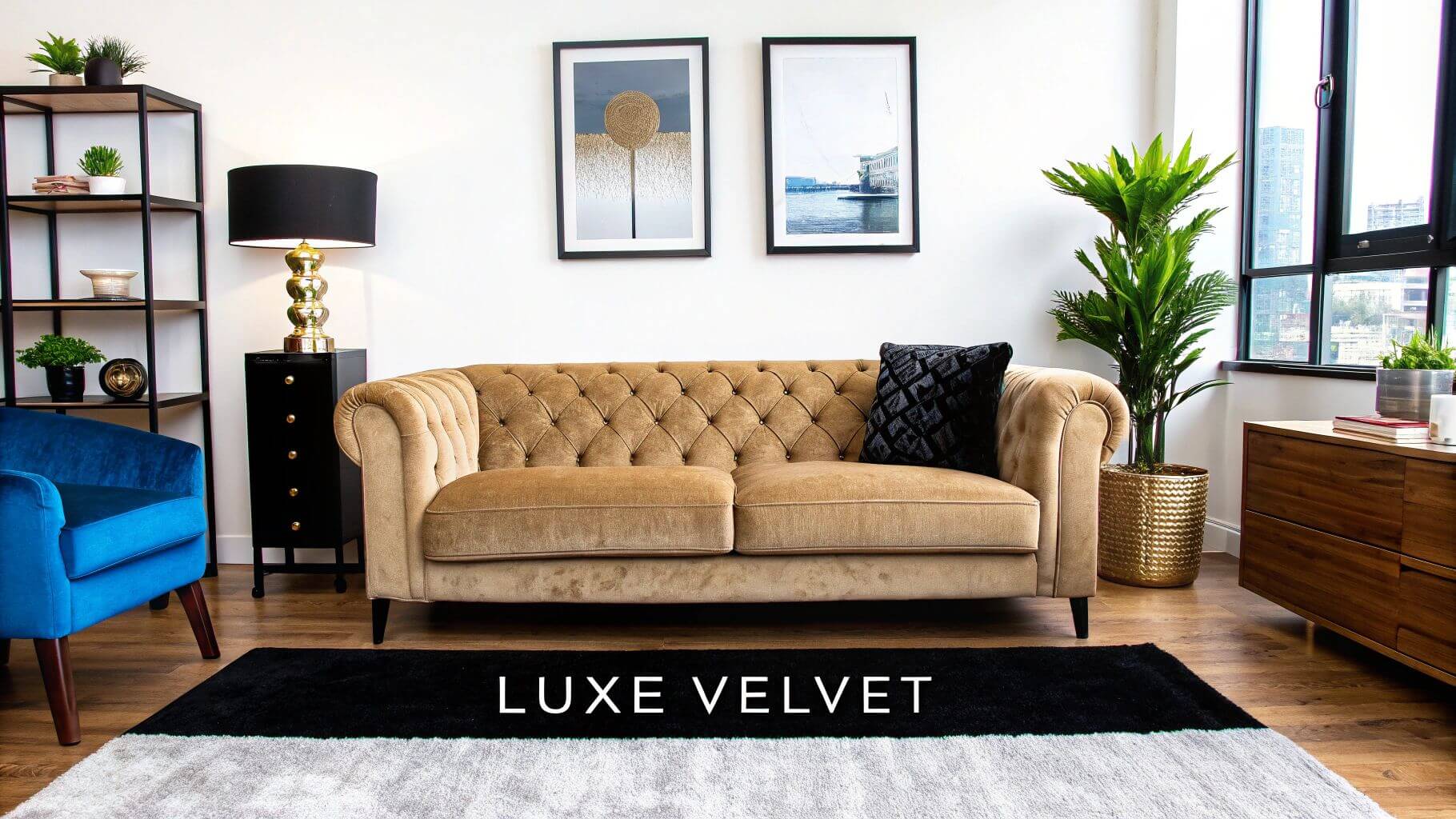
Velvet and luxe textile upholstery transforms furniture from functional objects into statement pieces defined by rich texture, depth, and sophistication. This approach to luxury home decor ideas centers on using high-end fabrics that offer a tactile and visual opulence. Velvet, in particular, has seen a major resurgence in luxury interiors for its lustrous sheen, soft feel, and ability to beautifully capture and reflect light, adding a layer of dynamic elegance to any room.
This design choice is exemplified in the custom velvet furnishings of The Ritz Paris’s Imperial Suite and the curated, jewel-toned velvet sofas seen in Soho House locations globally. Designers like Jonathan Adler have made bold, colorful velvet a signature, while brands like Restoration Hardware utilize performance velvets to blend opulence with everyday practicality. Incorporating these textiles, from classic velvet to mohair or bouclé, introduces a powerful sense of comfort and splendor.
Implementation and Maintenance
Successfully integrating luxe textiles requires an understanding of their unique properties and care needs. The fabric’s direction, or “nap,” affects its appearance, so consistent application is key for a uniform look. Testing fabric swatches in your home’s specific lighting is essential, as the color and sheen can change dramatically throughout the day.
Key considerations include:
- Fabric Choice: For high-traffic areas, consider a durable performance velvet. For accent pieces, delicate silks or rich mohairs can be used for maximum impact.
- Regular Care: Vacuum upholstery regularly with a soft brush attachment to prevent dust and dirt from settling into the fibers. Rotate and fluff cushions to ensure even wear.
- Spill Management: Address spills immediately by gently blotting with a clean, dry cloth. Avoid rubbing, which can damage the pile and set the stain.
Curating the Right Effect
The key to styling with velvet is balance. To prevent a space from feeling overly heavy, mix velvet pieces with other textures like smooth leather, crisp linen, or raw woods. This contrast creates a sophisticated, layered design that is visually interesting and inviting.
Esteemed fabric houses such as Scalamandré, Rubelli, and Pierre Frey provide an endless selection of world-class textiles. Designers like Kelly Hoppen often use neutral velvet tones to create serene, high-end environments, demonstrating the fabric’s versatility. By selecting the right textile, you can achieve an aesthetic ranging from glamorous and bold to subtly elegant. For more inspiration on seating, you can find luxury living room seating ideas on Haute Living’s Design Network.
3. Marble and Natural Stone Features
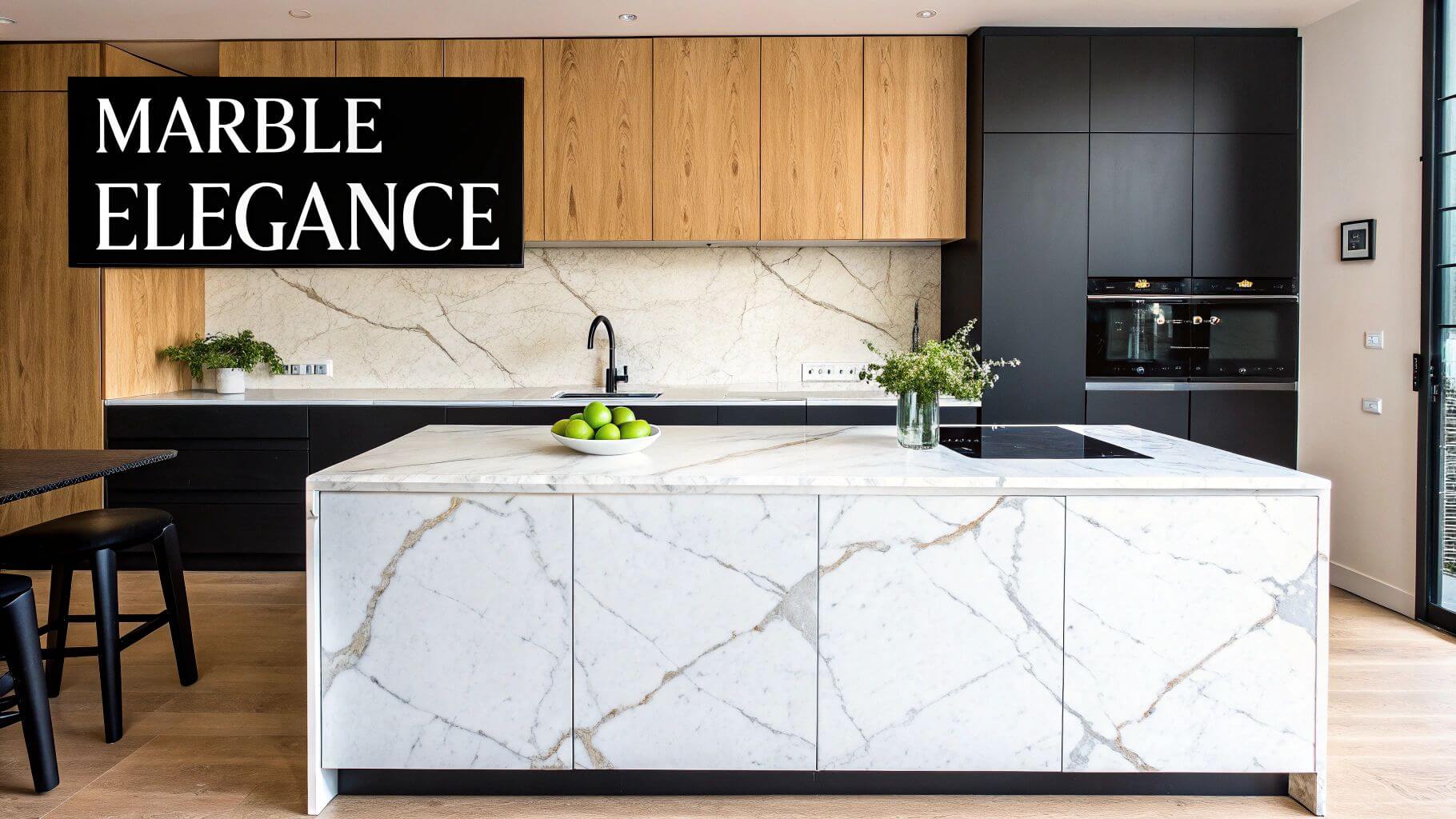
Incorporating marble and natural stone is a cornerstone of luxury home decor ideas, lending spaces a sense of permanence, history, and unparalleled elegance. This approach moves beyond simple countertops to feature these materials as prominent design elements, from dramatic book-matched walls and fireplace surrounds to monolithic kitchen islands and flooring. The inherent uniqueness of each slab, with its distinct veining and coloration, ensures that every application is a one-of-a-kind work of art created by nature.
This material’s power to define a space is seen in the work of renowned designers like Jean-Louis Deniot, who frequently uses book-matched marble to create breathtaking focal points, or in the lavish interiors of the Four Seasons Hotel George V in Paris, where stone sets a tone of classic opulence. By integrating materials like Calacatta Gold or Nero Marquina, you infuse an interior with a tactile richness and a visual depth that synthetic materials cannot replicate.
Implementation and Proportionality
Using natural stone effectively is about balance and strategic placement. For a bold statement, consider a floor-to-ceiling fireplace surround or a waterfall island where the stone’s pattern flows seamlessly from the horizontal to the vertical plane. The key is to let the material’s natural beauty command attention without overwhelming the room. For more subtle luxury, use stone for custom-carved sinks, thresholds, or decorative objects.
Key considerations include:
- Book-Matching: For large surfaces like feature walls, ask your fabricator to book-match slabs. This technique mirrors the veining to create a symmetrical, Rorschach-like pattern that is visually stunning.
- Finish Selection: A polished finish enhances the stone’s color and veining, creating a formal, reflective look. A honed finish provides a matte, soft appearance that is less prone to showing scratches and is ideal for high-traffic areas.
- Professional Installation: The weight and fragility of large stone slabs require specialized handling. Always work with experienced professionals to ensure precise cutting, transport, and installation.
Curating the Right Effect
To prevent a space from feeling cold or sterile, pair marble and stone with warmer textures like rich woods, plush velvets, and soft linens. This contrast highlights the stone’s cool elegance while creating a welcoming and balanced environment. Designers like Kelly Wearstler excel at this, often juxtaposing dramatic marble installations with organic forms and warm metallic accents to create dynamic, layered interiors.
For those looking to integrate this material into their culinary spaces, there are many stunning examples to draw from. You can find inspiration and see how marble transforms kitchen aesthetics when you explore beautiful white kitchens featuring marble on hauteliving.com. By selecting the right stone and pairing it thoughtfully, you can craft a sophisticated interior that is both timeless and deeply personal.
4. Custom Built-In Millwork and Cabinetry
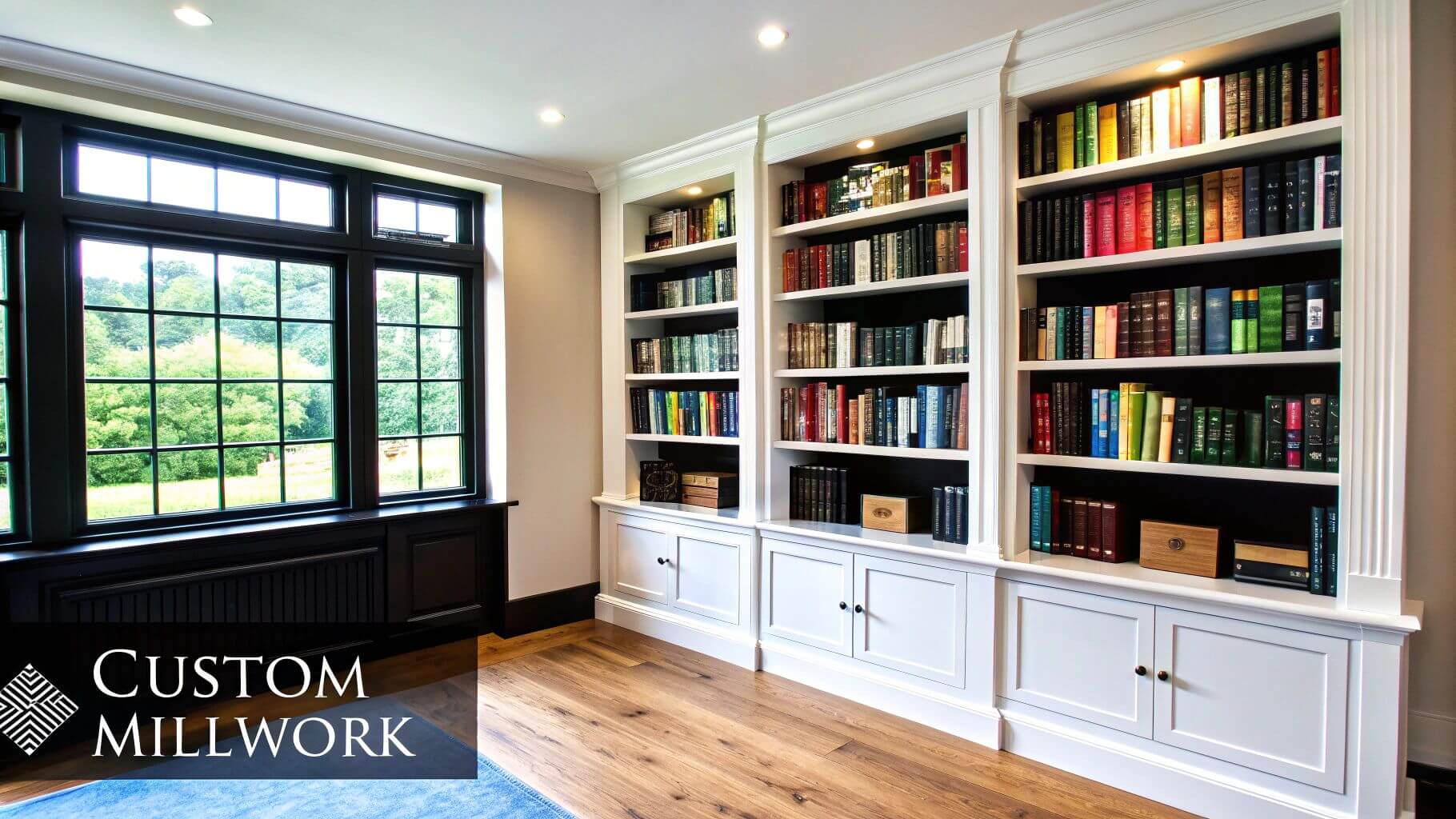
Custom built-in millwork and cabinetry are the ultimate expression of bespoke luxury, involving architectural woodwork designed and crafted specifically for a space. This approach seamlessly integrates storage and display solutions into the home’s structure, elevating them from mere furniture to integral architectural features. From floor-to-ceiling libraries and elegant window seats to sophisticated entertainment centers, high-quality millwork introduces character, solves practical needs, and adds significant perceived value to an interior.
The impact of this luxury home decor idea is evident in the historic paneling of English country estates or the beautifully integrated cabinetry in Steven Gambrel’s New York apartments. These custom solutions maximize every square inch, providing a level of cohesion and tailored functionality that freestanding furniture cannot match. By designing pieces that align perfectly with a room’s architecture, you create a harmonious and enduring aesthetic.
Implementation and Proportionality
Executing custom millwork successfully demands meticulous planning and skilled craftsmanship. The design should feel like a natural extension of the home’s existing architectural language, not an afterthought. Collaborating with an experienced designer and craftsman is essential to translate vision into a functional and beautiful reality.
Key considerations include:
- Material Selection: Choose a wood species and finish that complement the home’s flooring, trim, and overall style.
- Integrated Technology: Plan for electrical outlets, lighting, and ventilation for enclosed electronics during the initial design phase to ensure a clean, wire-free finish.
- Functional Balance: Incorporate a mix of open shelving for display and closed cabinetry for concealed storage to achieve visual balance and practicality.
- Hardware Quality: Specify high-quality, soft-close hardware for all doors and drawers to ensure smooth operation and longevity.
Curating the Right Effect
The goal of custom millwork is to enhance a room’s architecture while serving a specific purpose. It provides an opportunity to create unique focal points, such as an arched bookcase or a paneled fireplace surround, that infuse personality into the space. A well-designed built-in should feel as if it has always been part of the house.
Architects and designers like Bobby McAlpine and Gil Schafer are renowned for their masterful use of architectural millwork. High-end cabinetry makers such as Christopher Peacock and Smallbone of Devizes set the standard for craftsmanship, offering bespoke solutions that define luxury interiors and stand as a testament to timeless design and quality.
5. Art Gallery Wall and Museum-Quality Pieces
Creating an art gallery wall with museum-quality pieces involves more than just decorating a space; it is an act of personal curation that transforms a home into a private cultural exhibition. This approach to luxury home decor ideas focuses on displaying fine art, photography, or mixed media in a thoughtful, gallery-style arrangement. The inclusion of quality art elevates an interior by adding intellectual depth, personal narrative, and a level of sophistication that mass-produced decor cannot replicate.
The impact of this concept is seen in the homes of renowned collectors like Larry Gagosian, whose private residences feature rotating artworks of immense cultural value. Similarly, the late Bunny Mellon’s Virginia estate showcased a masterfully curated collection where art was integrated seamlessly into daily life. By selecting pieces that resonate personally, you infuse your home with an asset that not only beautifies but can also appreciate over time.
Implementation and Proportionality
A successful art display is an exercise in balance, scale, and lighting. The key is to arrange pieces in a way that feels intentional yet organic, allowing each work to be appreciated both individually and as part of a cohesive whole.
Key considerations include:
- Optimal Viewing Height: Hang art so its center point is at eye level, typically 57-60 inches from the floor. This is the standard used in museums and galleries.
- Proper Illumination: Use dedicated picture lights or adjustable track lighting with UV-filtered bulbs to highlight the art without causing long-term damage from light exposure.
- Layout Planning: Before making any holes, create paper templates of your frames and tape them to the wall to perfect the layout and spacing. Aim for 2-3 inches between frames for a balanced look.
Curating the Right Effect
A gallery wall’s success lies in its curation. While mixing frame styles can add visual interest, maintaining a cohesive element, such as a consistent color palette or theme, will unify the collection. For significant investments, consider partnering with an art consultant to navigate the market and source pieces that align with your aesthetic and financial goals.
Influential figures like Peggy Guggenheim, a legendary collector, demonstrated how to live with art in a way that was both personal and groundbreaking. Today, designers such as Miles Redd and Martyn Lawrence Bullard are celebrated for their bold integration of fine art into luxurious interiors, proving that a well-curated wall is the ultimate statement of personal style.
6. Metallic Accents and Mixed Metal Finishes
Integrating metallic accents and mixed metal finishes is a sophisticated strategy for adding depth, glamour, and a curated feel to an interior. This approach moves beyond the outdated rule of matching every metal, instead artfully layering different tones like brass, bronze, polished nickel, and matte black. The result is a dynamic, layered space where reflective surfaces catch and manipulate light, adding warmth and visual intrigue.
This luxury home decor idea is masterfully executed in spaces designed by Roman and Williams, who layer various patinated metals to create rich, historical depth. Similarly, interior designer Nate Berkus is renowned for his signature ability to harmoniously blend brass and bronze, achieving a look that feels both collected and effortlessly chic. These examples show how mixing metals can elevate a room from simply decorated to professionally designed.
Implementation and Proportionality
Successfully mixing metals requires a thoughtful, balanced approach to avoid visual chaos. Adhering to a clear hierarchy ensures a cohesive aesthetic while still allowing for creative expression.
Key considerations include:
- The 70-30 Rule: Select one dominant metal to make up roughly 70% of the finishes. Use one or two accent metals for the remaining 30% on smaller elements like cabinet pulls, mirror frames, or decorative objects.
- Repetition for Cohesion: Repeat each metal finish at least twice within a room. This simple technique creates a sense of intention and connection, making the mix feel deliberate rather than accidental.
- Tone Pairing: Group warm metals (gold, brass, copper) or cool metals (chrome, nickel, stainless steel) for a naturally harmonious look. Use transitional metals like bronze or pewter to bridge the gap between warm and cool palettes.
Curating the Right Effect
The goal of mixing metals is to create a rich, dimensional environment that looks as if it has evolved over time. Start small by introducing accent metals through accessories like trays or lamp bases before committing to permanent fixtures. Embracing the natural patina that develops on unlacquered brass and copper can also add a layer of authentic character and timeless elegance.
Brands and designers such as Waterworks, Rejuvenation, and Studio McGee have championed this aesthetic, offering extensive collections that encourage creative combinations. By selecting and layering finishes with care, you can implement one of the most impactful luxury home decor ideas, transforming your space with a touch of polished refinement.
7. Biophilic Design with Live Plants and Green Walls
Biophilic design is a sophisticated approach to interior decorating that integrates natural elements, particularly live plants, to foster a connection between occupants and the natural world. This luxury home decor idea moves beyond simple potted plants, treating vegetation as a core architectural feature. From curated collections of rare specimens to entire living walls, this strategy infuses spaces with organic beauty, improves air quality, and creates a tranquil, restorative atmosphere.
The impact of this approach is powerfully demonstrated at locations like the 1 Hotel Brooklyn Bridge, where lush living walls define the lobby, or through the pioneering vertical gardens of botanist Patrick Blanc at Paris’s Musée du Quai Branly. By incorporating living greenery as an intentional design element, you can transform a room into a vibrant sanctuary that feels both opulent and grounded.
Implementation and Proportionality
Successfully integrating biophilic design requires a thoughtful, layered approach that considers scale, light, and maintenance. Rather than scattering small plants, focus on creating intentional green moments that make a significant visual statement. A large, sculptural fiddle-leaf fig or a professionally installed living wall can serve as a stunning organic focal point.
Key considerations include:
- Create Dramatic Impact: Use large-scale specimens, such as trees over six feet tall, to anchor a room and draw the eye upward, enhancing the sense of space.
- Strategic Grouping: Arrange plants in clusters of odd numbers (3, 5, or 7) and vary their heights with floor planters, stands, and hanging vessels to create a dynamic, naturalistic composition.
- Maintenance Solutions: For elaborate green walls, install automated irrigation systems. For a zero-maintenance alternative, consider preserved moss walls, which offer the same lush texture without requiring water or light.
Curating the Right Effect
The key to a luxurious biophilic interior is curation. Select planters that are works of art in themselves, crafted from materials like aged terracotta, ceramic, or metal that complement your home’s aesthetic. This elevates the plant from a simple accessory to an integral part of the decor.
Esteemed designers and sources like Hilton Carter, known for his artful plant styling, and high-end suppliers such as Pistils Nursery or Terrain, provide access to unique specimens and sophisticated planters. For those seeking an effortless entry, services like The Sill offer curated plant collections and expert guidance, making it easier than ever to incorporate this vital and refreshing design trend into your home.
8. Layered Luxury Textiles and Throws
Layered luxury textiles and throws create depth, warmth, and visual interest through the artful combination of high-end fabrics and textures. This approach to luxury home decor ideas transforms beds, sofas, and seating areas into inviting, sophisticated spaces by strategically layering items like cashmere throws, silk pillows, and fine linen sheets. It is the tactile equivalent of a rich, complex painting, adding dimension and a sense of curated comfort to any room.
This technique is masterfully executed in the suites of The Connaught Hotel in London, where cashmere throws drape elegantly over crisp linens, and in the iconic styling of Ralph Lauren Home, which champions a lived-in, layered aesthetic. The key is mixing materials to create a sensory experience, turning a simple piece of furniture into a statement of comfort and style.
Implementation and Proportionality
Successfully layering textiles is about balance and intentionality, not just piling on blankets. A cohesive color palette is essential to prevent the space from feeling cluttered. The goal is to achieve an effortlessly chic look that feels both opulent and welcoming.
Key considerations include:
- Textural Contrast: Mix different textures to create visual and tactile interest. Pair smooth silk with nubby linen, or soft cashmere against structured wool.
- Pillow Arrangement: Use an odd number of pillows, such as three or five, on a sofa or bed for a more dynamic and visually balanced arrangement.
- Seasonal Rotation: Keep your decor fresh by swapping textiles seasonally. Use lightweight linens and cottons in the summer, and transition to heavier wools, velvets, and cashmere for winter.
- Proper Care: Preserve the quality and longevity of your investment pieces by following care instructions, such as dry cleaning for cashmere and silk or using gentle cycles for fine linens.
Curating the Right Effect
To master this look, start with a high-quality neutral base, like Egyptian cotton sheets or a linen duvet cover. From there, introduce throws and pillows in complementary shades and varied materials. A casually folded throw at the foot of the bed or draped over the arm of a sofa adds a final touch of inviting elegance. Explore more on how to create this type of approachable elegance with livable luxury design.
Look to heritage brands like Frette and Sferra for exquisite bedding, or Loro Piana for the ultimate in cashmere throws. These brands exemplify the commitment to quality and craftsmanship that is central to creating a truly luxurious and comfortable interior.
Luxury Decor Elements Comparison
| Feature / Aspect | Statement Lighting Fixtures | Velvet and Luxe Textile Upholstery | Marble and Natural Stone Features | Custom Built-In Millwork and Cabinetry | Art Gallery Wall and Museum-Quality Pieces | Metallic Accents and Mixed Metal Finishes | Biophilic Design with Live Plants and Green Walls | Layered Luxury Textiles and Throws |
|---|---|---|---|---|---|---|---|---|
| Implementation Complexity 🔄 | High – requires professional installation, structural support | Medium – fabric selection and maintenance | High – professional installation and sealing needed | Very High – custom design, craftsmanship, long lead times | Medium to High – curation, framing, lighting setup | Medium – requires balancing multiple finishes | Medium – ongoing care, irrigation systems for green walls | Low to Medium – sourcing quality textiles, layering skill |
| Resource Requirements ⚡ | Premium materials, skilled labor, electrical work | High-quality fabrics, professional cleaning | Expensive stone slabs, sealing agents, professional labor | Skilled craftsmen, premium woods, custom finishes | Investment in original art, professional framing, lighting | Variety of metal finishes and finishes, hardware pieces | Live plants, irrigation, professional maintenance | Multiple luxury textiles, seasonal rotation, care needs |
| Expected Outcomes 📊 | Dramatic focal point, increased property value | Luxurious texture, warmth, visual sophistication | Timeless elegance, unique natural patterns, property value | Maximized space/utilization, architectural character | Cultural sophistication, personal expression, investment | Glamour, warmth, visual interest with mixed metals | Improved air quality, stress reduction, natural aesthetic | Warmth, depth, tactile richness, seasonal freshness |
| Ideal Use Cases 💡 | Foyers, dining rooms, double-height spaces | Sofas, headboards, ottomans, low to medium traffic areas | Kitchen islands, bathrooms, fireplace surrounds | Libraries, closets, entertainment centers, mudrooms | Gallery walls, living rooms, offices, entryways | Hardware, fixtures, accessories, lighting accents | Living rooms, offices, lobbies, spa-like environments | Bedrooms, living rooms, sofas, beds |
| Key Advantages ⭐ | Instant luxury, memorable centerpiece, functional art | Softness, color depth, versatile styles | Unique, durable, value-adding, heat and stain resistant | Tailored fit, increased storage, heirloom quality | Highly personal, appreciates in value, enhances ambiance | Reflects light, adds layered texture, easy small updates | Health benefits, natural connection, evolving design | Comfort, easy refresh, multi-textured luxury feel |
| Tips and Insights 💡 | Proportional sizing, dimmers, professional install | Vacuum regularly, mix textures, test fabric in light | Seal regularly, immediate spill cleanup, consider finishes | Plan for lighting, soft-close hardware, budget extra 20% | Hang at eye-level, UV-filtered lighting, document collection | Use 70-30 metal ratio, repeat finishes, embrace patina | Start with low-maintenance plants, group in odd numbers | Start neutral, layer textures, odd pillow counts, rotate |
Integrating Luxury: From Ideas to an Exquisite Reality
Embarking on the journey to curate a luxury home is an exercise in thoughtful selection and intentional design. The concepts we have explored are not merely isolated trends; they are the fundamental components of a sophisticated and cohesive living environment. From the architectural gravitas of marble features and custom millwork to the soft, sensory allure of velvet upholstery and layered textiles, each element plays a crucial role in crafting an atmosphere of refined elegance.
True luxury transcends aesthetics. It is found in the meticulous craftsmanship of a statement chandelier, the authentic patina of mixed metals, and the organic vitality of biophilic design. It is about creating a space that functions flawlessly while engaging the senses and reflecting your personal narrative. The most impactful interiors are those where these individual luxury home decor ideas converge to form a harmonious, holistic experience.
From Inspiration to Impeccable Execution
Transforming these concepts from a curated list into a tangible reality requires a strategic approach. The key takeaway is that luxury is not about accumulation; it is about curation and quality. Instead of simply adding more items, focus on the caliber and placement of each piece.
- Prioritize a Focal Point: Begin by selecting one or two major elements to anchor your design, such as a dramatic lighting fixture or a significant piece of art. Build the rest of the room’s decor around these central features.
- Balance Permanence and Personality: Blend foundational elements like custom built-ins and natural stone with more fluid, personal touches like art gallery walls and luxe textiles. This creates a space that feels both established and deeply individual.
- Embrace Textural Dialogue: The interplay between different materials is where a room truly comes to life. Juxtapose the cool, smooth surface of marble with the plush warmth of a cashmere throw, or contrast the sleekness of metallic accents with the rich pile of a velvet sofa.
The Value of Professional Collaboration
Mastering the art of luxury interior design is a complex endeavor that balances scale, proportion, material selection, and installation. While these luxury home decor ideas provide a powerful blueprint, achieving a flawless, high-caliber result often necessitates professional expertise. An experienced interior designer or architect acts as both a visionary and a project manager, ensuring every detail aligns with the overarching concept and is executed to the highest standard.
A professional can help navigate the complexities of sourcing rare materials, commissioning custom furniture, and coordinating with skilled artisans. Their trained eye ensures that the final space is not just a collection of expensive items but a thoughtfully composed environment that epitomizes sophistication and comfort. Investing in professional collaboration is an investment in achieving a home that is a true testament to timeless style and unparalleled craftsmanship, turning your ambitious vision into a breathtaking, livable reality.
Ready to bring your vision for a luxurious home to life? Connect with the industry’s leading professionals through Haute Design. Our exclusive network features vetted, top-tier interior designers and architects who specialize in creating bespoke, high-end living spaces. Find the perfect expert to translate your luxury home decor ideas into an exquisite reality at Haute Design.