


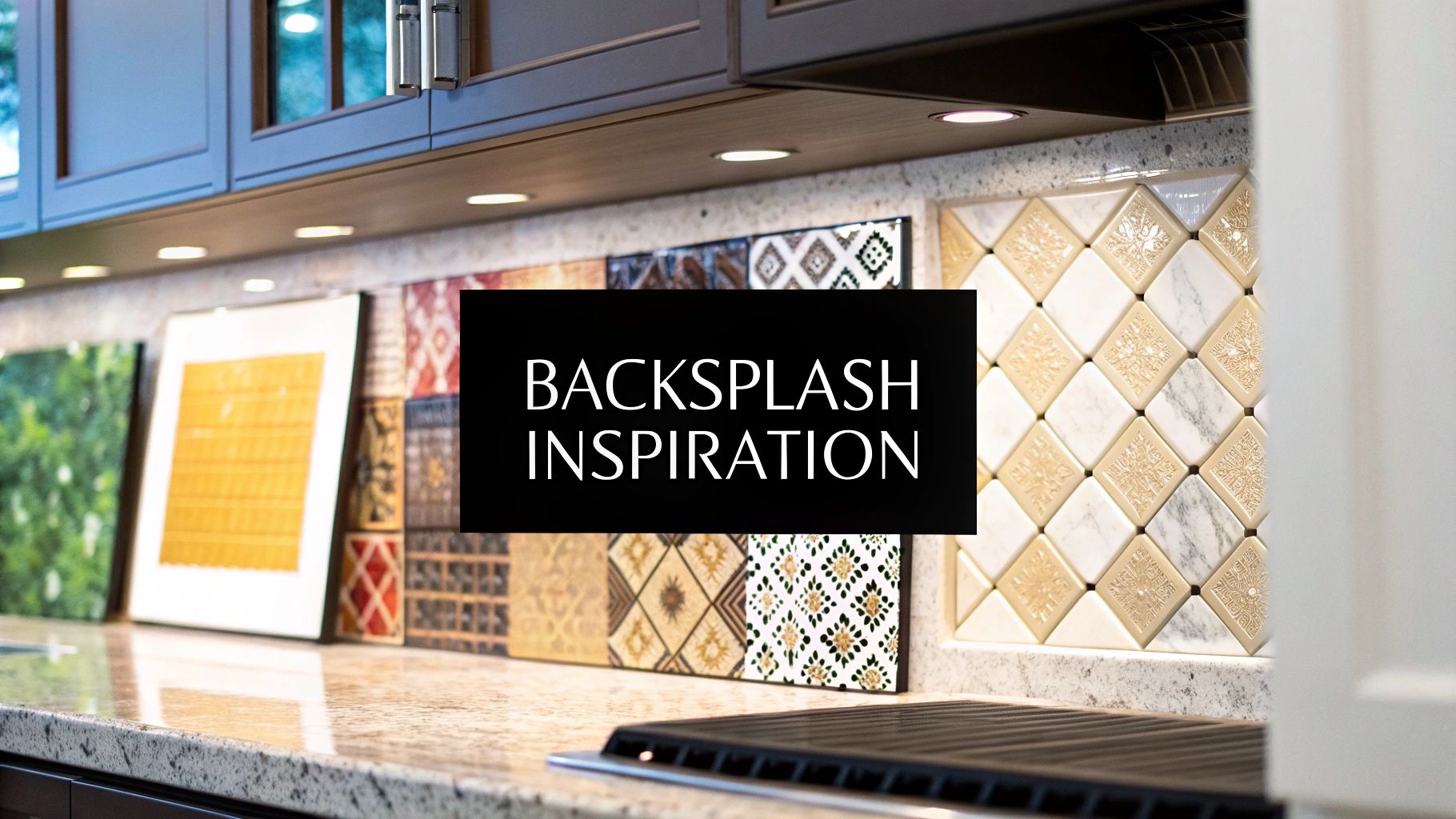
The kitchen backsplash is more than just a protective barrier; it’s a pivotal design element that defines the room’s character and aesthetic. For discerning homeowners and design professionals, selecting the right backsplash is a critical opportunity to infuse luxury, personality, and timeless style into the heart of the home. This guide moves beyond the ordinary, presenting a curated collection of sophisticated ideas for kitchen backsplash that elevate kitchen design from functional to exceptional.
Whether you are planning a comprehensive renovation or seeking a transformative update, these concepts provide the necessary inspiration to create a truly remarkable space. We will delve into specific materials, from classic marble slabs to contemporary glass tiles, offering practical implementation details and actionable insights. Each option is detailed to help you make an informed and stylish choice.
This curated list is designed to ensure your kitchen is not only highly functional but also a testament to exquisite taste. For those seeking to collaborate with top-tier professionals to bring these visions to life, platforms like Haute Design connect clients with elite interior designers who specialize in creating such extraordinary environments. Let’s explore the designs that will redefine your kitchen.
1. Subway Tile Backsplash
A true design classic, the subway tile backsplash offers a clean, versatile, and timeless aesthetic that complements nearly any kitchen style. Originating in the New York City subway system in the early 1900s, these rectangular ceramic tiles, typically 3×6 inches, are celebrated for their simplicity and durability. Their enduring appeal lies in their ability to adapt, serving as a neutral backdrop or a statement feature depending on their application.
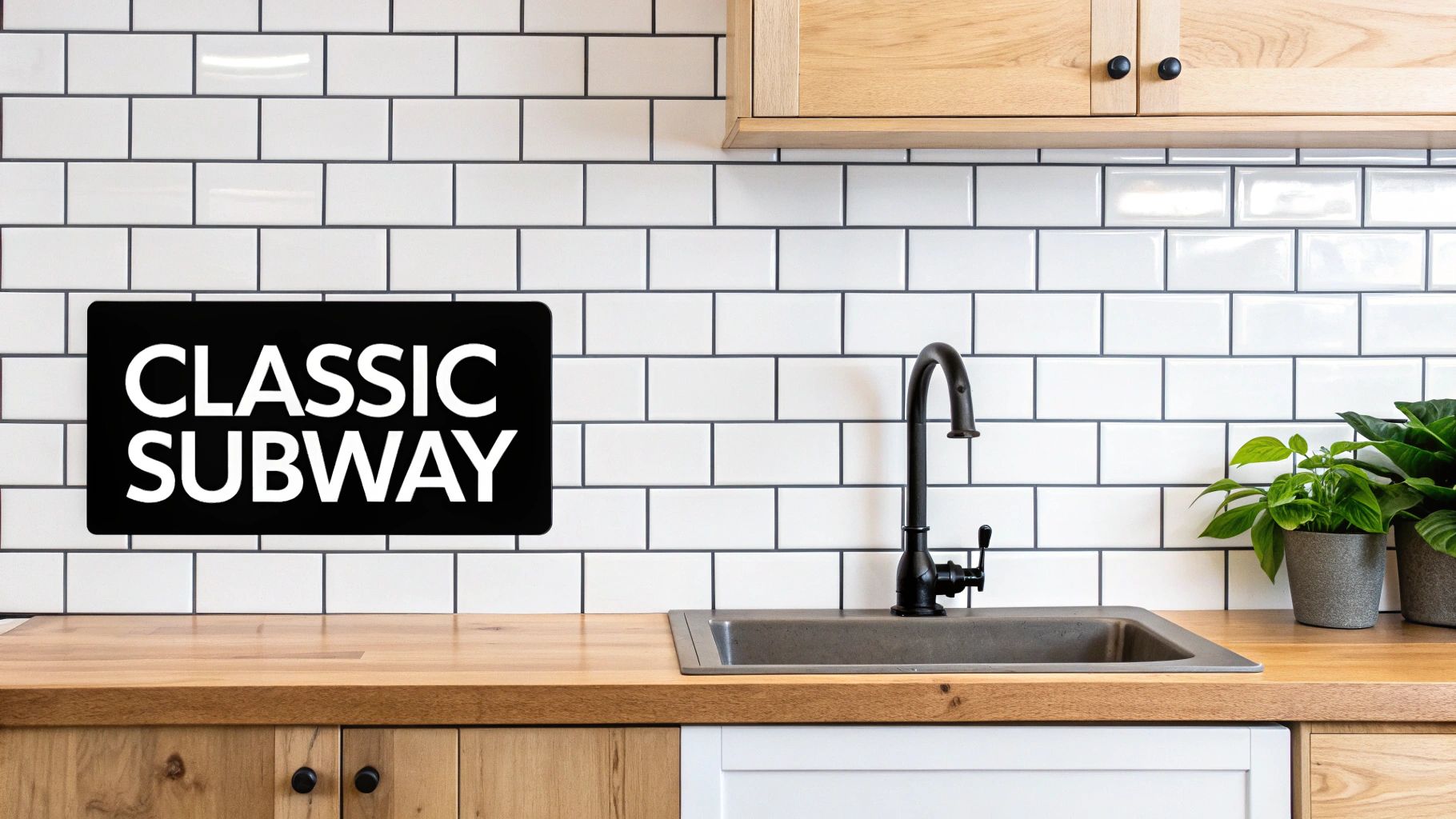
This option is one of the most adaptable ideas for a kitchen backsplash, fitting seamlessly into both modern farmhouse designs and sleek, urban lofts. The classic running bond pattern is iconic, but modern interpretations have expanded its creative potential significantly.
Implementation and Style Tips
To elevate this classic choice, consider the following details:
- Grout as a Design Element: Use a contrasting dark grout with white tiles for a bold, graphic look that highlights the pattern. Lighter grout offers a more subtle, monolithic appearance.
- Creative Layouts: Move beyond the traditional offset pattern. Arrange tiles in a sophisticated herringbone or a dynamic chevron layout to add visual texture and movement.
- Vary the Finish and Size: Combine gloss and matte tiles for subtle dimension, or opt for larger format subway tiles (e.g., 4×12 or 2×8 inches) to create a more contemporary feel. Beveled edges can also add depth and a touch of traditional elegance. For a more in-depth look at luxury applications, you can explore various high-end Subway Tile Backsplash designs on hauteliving.com.
2. Hexagonal Tile Backsplash
Hexagonal tiles bring a touch of modern geometry to the kitchen, creating a visually engaging honeycomb pattern that is both playful and sophisticated. These six-sided tiles move away from traditional square and rectangular formats, offering dynamic texture and a sense of movement. Their rising popularity in contemporary design stems from their ability to serve as a striking focal point, adaptable to various aesthetics from minimalist to bohemian.
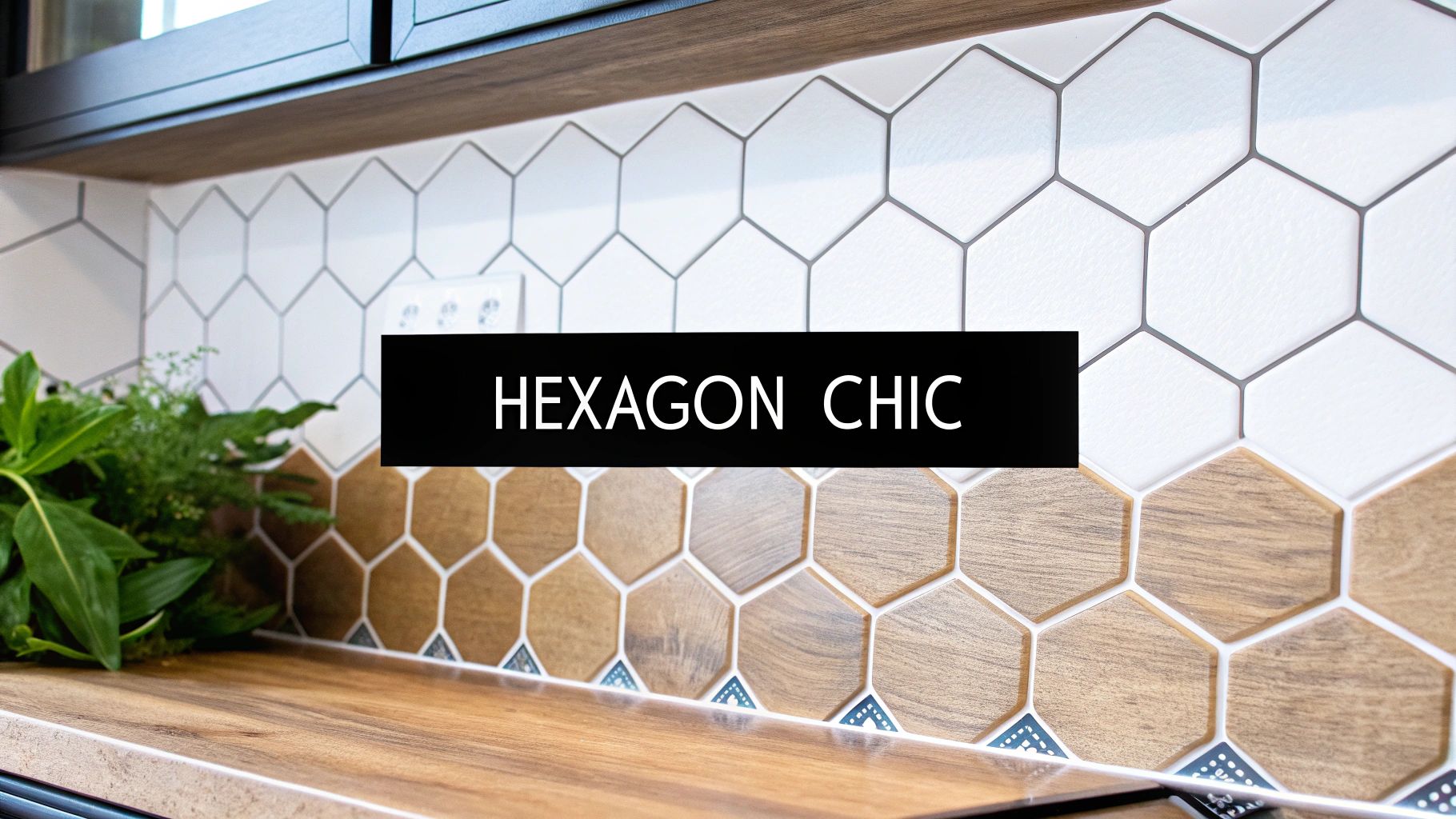
This option is one of the most compelling ideas for a kitchen backsplash when seeking to add personality and artistic flair. Whether using large-format marble hexagons for a luxury feel or small, colorful ceramics for a vibrant accent, the shape itself introduces an element of bespoke design that elevates the entire space.
Implementation and Style Tips
To make the most of this geometric choice, focus on these details:
- Color and Material Palette: Use neutral-toned marble or porcelain hexagons in shades of white, gray, or black for a timeless and upscale look. For a more eclectic style, combine multiple colors to create a gradient or random pattern.
- Scale for Impact: The size of the tile dramatically affects the final look. Small hexagons create a detailed, intricate texture, while larger formats deliver a bold, contemporary statement that feels less busy.
- Grout and Finish Choices: A contrasting grout color will emphasize the honeycomb pattern, making the geometric shape the star. Alternatively, choose a matte finish for the tiles to minimize glare and create a soft, modern aesthetic that pairs well with minimalist cabinetry.
3. Mosaic Tile Backsplash
A mosaic tile backsplash introduces a layer of artistry and intricate detail, transforming a functional kitchen surface into a personalized work of art. Comprised of small tiles, known as tesserae, made from materials like glass, ceramic, stone, or even metal, mosaics are arranged to create patterns, images, or abstract designs. This ancient art form allows for unparalleled creative expression, making it one of the most customizable ideas for a kitchen backsplash.https://www.youtube.com/embed/DWZKppffMeA
Whether drawing inspiration from traditional Moroccan zellige or crafting a contemporary geometric statement, a mosaic backsplash serves as a powerful focal point. Its ability to incorporate multiple colors and textures allows it to tie together various design elements within the kitchen, creating a cohesive and visually rich environment.
Implementation and Style Tips
To effectively integrate a mosaic design, consider these key strategies:
- Strategic Placement: Use an intricate mosaic as a feature panel behind the stove or sink, framed by a more subdued tile. This creates a stunning focal point without overwhelming the space.
- Balance and Palette: Collaborate with a designer to develop a balanced pattern. Choose a consistent color palette that complements your cabinetry and countertops to ensure the design feels cohesive, not chaotic.
- Grout for Longevity: For easier cleaning and maintenance, especially with many small tiles, opt for a high-performance epoxy or urethane-based grout. It offers superior stain and moisture resistance compared to traditional cement-based options.
- Pattern and Scale: For smaller kitchens, consider a mosaic with a simpler, repetitive pattern to avoid making the space feel too busy. Large-scale murals or complex scenes are best suited for more expansive kitchens where they can be appreciated from a distance.
4. Marble or Stone Backsplash
For unparalleled luxury and natural elegance, a marble or stone backsplash offers a sophisticated and timeless appeal. Materials like Carrara marble, granite, travertine, and slate each bring unique veining, color, and texture, ensuring no two installations are exactly alike. This inherent variation elevates the kitchen, transforming the backsplash from a purely functional surface into a breathtaking work of art that serves as a central design feature.
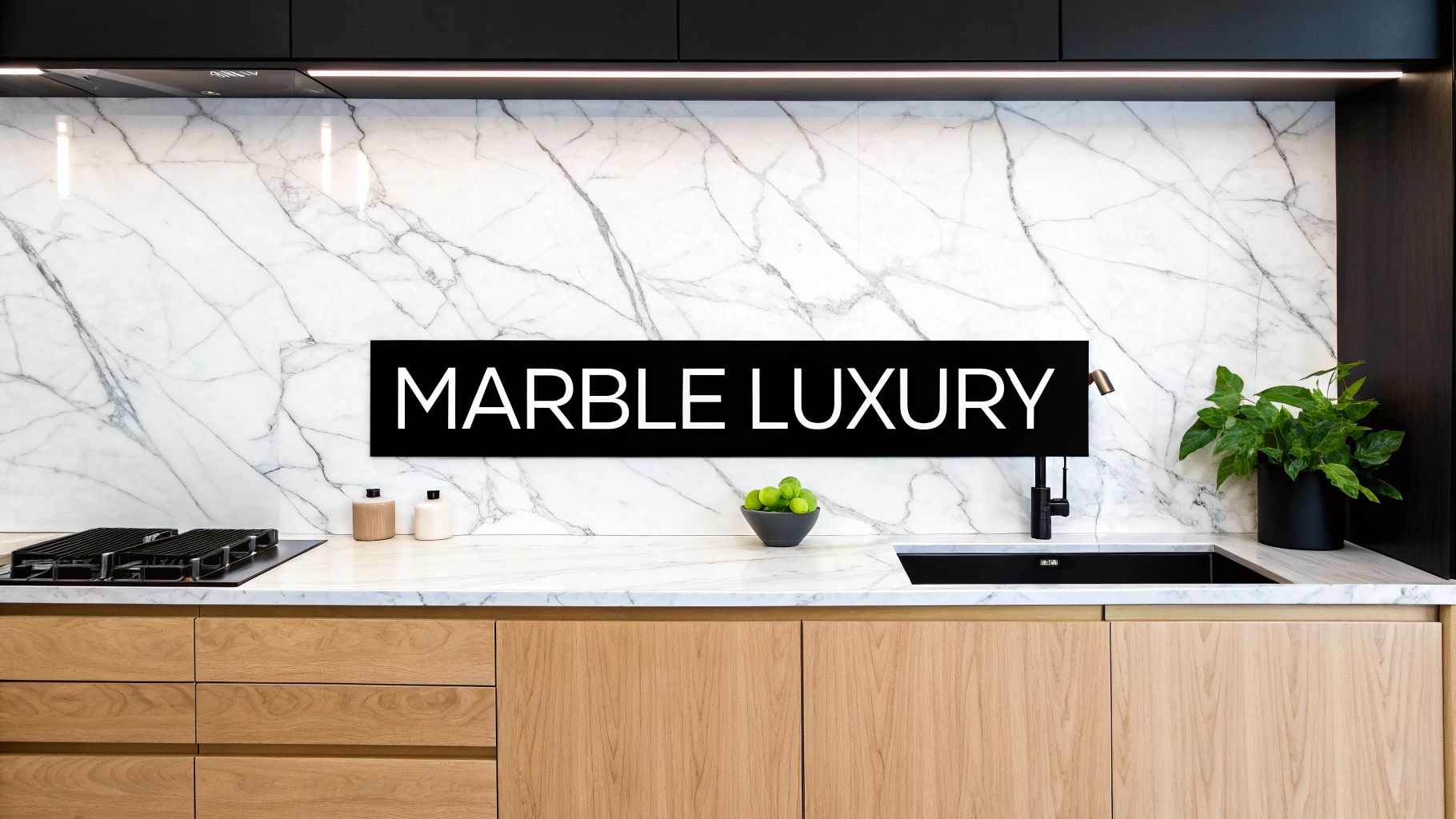
A stone backsplash is one of the most distinguished ideas for a kitchen backsplash, fitting perfectly into high-end traditional kitchens and sleek, contemporary spaces. Whether it’s a rustic farmhouse kitchen with warm travertine tiles or a modern loft featuring a honed slate backsplash, the material adds significant value and character.
Implementation and Style Tips
To maximize the beauty and longevity of natural stone, consider these key details:
- Finish Matters: Choose a honed finish for a soft, matte look that is less reflective and better at hiding minor scratches. A polished finish provides a classic, high-gloss appearance that reflects light beautifully.
- Proper Sealing is Essential: Natural stone is porous and susceptible to staining. Seal the backsplash upon installation and re-seal every 6-12 months with a high-quality, kitchen-safe sealant to protect it from oils and acidic spills.
- Maintenance and Care: Clean up spills immediately, especially from substances like wine, citrus, or vinegar. Use pH-neutral cleaners specifically designed for stone to avoid etching the surface. For more inspiration on integrating this material, you can see examples of stunning white kitchens with marble on hauteliving.com.
5. Glass Tile Backsplash
A glass tile backsplash introduces a luminous, contemporary elegance to the kitchen, using light and reflection to create a sense of depth and brightness. These non-porous tiles are exceptionally easy to clean and resist stains, mold, and mildew, making them a practical and hygienic choice. Their reflective surface bounces light around the room, making smaller or darker kitchens feel more open and airy.
This option is one of the most versatile ideas for a kitchen backsplash, ranging from sleek, monochromatic glass subway tiles in a minimalist loft to intricate, iridescent mosaic patterns in a modern luxury home. The sheer variety of colors, finishes, and sizes ensures a fit for any design vision.
Implementation and Style Tips
To maximize the impact of a glass tile backsplash, focus on these details:
- Finish and Sheen: Choose a finish that suits your lifestyle. A frosted or matte finish elegantly diffuses light and is excellent for hiding fingerprints and water spots. High-gloss or iridescent tiles create a dramatic, light-catching focal point.
- Strategic Grout Selection: The right grout can transform the look. A dark grout will make individual tiles pop, creating a bold, graphic effect. A color-matched or translucent grout creates a seamless, continuous surface that emphasizes the glass itself.
- Color Coordination: The color of glass tiles can significantly influence the kitchen’s atmosphere. Use them to introduce a vibrant pop of color or select a neutral shade that complements your cabinetry and countertops. If you’re unsure where to start, you can explore guides on how to choose paint colors on hauteliving.com to find a harmonious palette.
6. Peel-and-Stick Backsplash
A game-changer for renters and design-savvy homeowners seeking a temporary yet stylish solution, the peel-and-stick backsplash offers the look of high-end materials without the commitment or cost. These self-adhesive panels mimic everything from intricate mosaic tiles to classic subway patterns, providing an instant and dramatic kitchen upgrade. Their primary advantage is the ease of installation and damage-free removal, making them ideal for temporary living situations or for testing a new aesthetic before committing to a permanent installation.
This option is one of the most accessible ideas for a kitchen backsplash, empowering anyone to refresh their space in just a few hours. It’s a popular choice for budget-conscious renovations, secondary kitchens, or as a creative accent wall. Modern peel-and-stick products, like those from Nextwall on Wayfair, offer surprisingly realistic textures and finishes that elevate the concept far beyond its humble origins.
Implementation and Style Tips
To ensure a professional-looking and durable application, consider these details:
- Surface Preparation is Key: The wall must be impeccably clean, dry, and smooth. For glossy or semi-gloss paint, lightly sanding the surface or applying a primer will create better adhesion and prevent peeling over time.
- Strategic Application: Start from one corner and work your way across, using a utility knife and a straight edge for precise cuts around outlets and corners. Overlapping the tile sheets slightly as directed by the manufacturer ensures a seamless, waterproof seal.
- Choose the Right Material: Opt for high-quality vinyl or PVC options, as they offer superior resistance to water, heat, and humidity. While many are heat-resistant, it is wise to avoid direct placement behind a gas range without a protective back panel. Test a small, inconspicuous area first to ensure it adheres properly to your wall surface.
7. Brick Backsplash
A brick backsplash introduces a powerful sense of texture, history, and industrial chic to the heart of the home. Whether using authentic reclaimed brick slices or modern, easy-to-install faux panels, this option provides a raw, tactile quality that contrasts beautifully with sleek cabinetry and polished countertops. Its rugged charm is rooted in the industrial design movement, offering a warm, inviting character that few other materials can replicate.
This idea for a kitchen backsplash is exceptionally versatile, anchoring aesthetics from rustic farmhouses to contemporary urban lofts. The natural color variations and weathered surfaces of brick add immediate depth and a story to the space, creating a focal point that is both dramatic and timeless.
Implementation and Style Tips
To effectively integrate this distinctive material, consider these key details:
- Seal for Protection: Natural brick is porous and susceptible to grease and food stains. Applying a high-quality matte or satin sealant is essential to protect the surface and make it easy to clean without altering its rustic appearance.
- Whitewash or German Schmear: For a brighter, more subdued look that suits coastal or modern farmhouse styles, apply a whitewash or a German schmear technique. This softens the bold red or brown tones while preserving the unique texture of the brick.
- Faux Brick for Simplicity: If the weight and installation complexity of real brick are a concern, high-quality faux brick tiles or panels offer a convincing and lightweight alternative. They are often thinner, easier to cut, and simpler to install for a DIY-friendly project.
- Balance with Modern Elements: Contrast the rustic nature of brick with sleek, modern elements. Pair a red brick backsplash with minimalist black or stainless steel fixtures, flat-panel cabinets, and smooth quartz countertops for a sophisticated industrial or transitional design.
8. Metal and Copper Backsplash
A metal backsplash introduces a sleek, industrial, or even artistic element into the kitchen, offering a dramatic alternative to traditional tile. Materials like stainless steel, hammered copper, and brushed aluminum provide a durable, heat-resistant surface that makes a powerful design statement. Their reflective qualities can also brighten the space and create an illusion of depth, making them a functional and stylish choice.
This option is one of the most dynamic ideas for a kitchen backsplash, fitting perfectly into contemporary luxury kitchens or rustic-industrial spaces. A gleaming sheet of stainless steel creates a professional, chef-inspired look, while the warm, evolving patina of copper adds unique character and artistry over time.
Implementation and Style Tips
To effectively integrate a metal backsplash, consider these details:
- Finish Matters: Choose a finish that complements your maintenance preferences. A brushed or hammered texture is excellent for hiding fingerprints and minor smudges, while a polished surface offers maximum reflectivity.
- Embrace Patina: The natural aging process of copper creates a beautiful, one-of-a-kind patina. Instead of preventing it, consider this evolution part of the design. A protective sealer can be used to preserve its original luster if preferred.
- Balance with Natural Materials: Soften the industrial feel of metal by pairing it with warm wood cabinetry, stone countertops, or organic textiles. This contrast creates a sophisticated and balanced aesthetic. For more inspiration on blending materials, you can see how designers incorporate mixed elements in luxury kitchens at Elle Decor’s kitchen design gallery.
9. Shiplap and Wood Backsplash
A shiplap or wood backsplash introduces unparalleled warmth, texture, and character to a kitchen, creating a cozy and inviting atmosphere. Popularized by modern farmhouse and coastal design trends, this option uses materials like painted shiplap, reclaimed barn wood, or smooth wood planks to craft a unique focal point. It moves away from traditional tile, offering an organic and rustic alternative that softens the hard surfaces typically found in a kitchen.
This choice is one of the most effective ideas for a kitchen backsplash when aiming for a farmhouse, rustic, or coastal aesthetic. From crisp white shiplap in a bright, airy kitchen to the rugged history of reclaimed wood in a mountain retreat, the material itself tells a story and adds a layer of natural beauty.
Implementation and Style Tips
To ensure longevity and style, proper installation and finishing are crucial:
- Strategic Placement: Install wood away from high-moisture zones like behind the sink or high-heat areas behind a range. Consider a hybrid design by pairing wood with a more durable material like stone or tile in these critical spots.
- Sealing is Non-Negotiable: Protect the wood from moisture, grease, and stains by applying multiple coats of a high-quality, food-safe sealer or marine-grade varnish. This protective layer should be reapplied every one to two years.
- Enhance with Paint or Stain: White painted shiplap offers a clean, classic farmhouse look and provides excellent water resistance. For a more rustic feel, a quality stain can highlight the natural grain of reclaimed wood while still offering protection. You can explore a range of applications and inspirations at Architectural Digest’s gallery of wood kitchens.
10. Penny Tile Backsplash
For a touch of whimsical charm and vintage appeal, the penny tile backsplash is an excellent choice. Composed of small, round tiles, typically under an inch in diameter, this option creates a delightful mosaic-like texture that introduces movement and personality into a kitchen. Its origins in early 20th-century design give it a classic, retro feel, yet its versatility allows it to adapt to modern and eclectic spaces with ease.
This idea for a kitchen backsplash is particularly effective in adding intricate detail without overwhelming the space. From vintage-inspired kitchens with classic white penny tiles to bohemian designs featuring multicolored patterns, its unique shape provides a canvas for creativity and personalized expression.
Implementation and Style Tips
To make the most of a penny tile installation, consider these refined details:
- Strategic Grout Selection: The grout plays a significant role in the final look. A contrasting dark grout will make the individual tiles pop, emphasizing the pattern, while a matching grout color creates a more subtle, textured surface.
- Creative Color and Pattern Play: Don’t be afraid to create custom patterns. A gradient color transition, simple stripes, or even a custom mosaic word can turn the backsplash into a unique piece of art. Limiting the palette to two or three complementary colors often yields the most cohesive result.
- Finish and Placement: Consider using penny tiles in a specific accent area, such as behind the stove, to create a focal point. Matte or unglazed finishes can reduce glare and provide a more organic feel, while a high-gloss finish offers a bright, reflective quality. Due to the high number of grout lines, using a high-performance epoxy grout and sealing it regularly is essential for stain resistance and easy maintenance.
Top 10 Kitchen Backsplash Ideas — Comparison
| Tile Type | Complexity 🔄 (Installation) | Resources & Cost ⚡ | Expected Outcomes ⭐📊 | Ideal Use Cases 💡 | Key Advantages |
|---|---|---|---|---|---|
| Subway Tile Backsplash | Low 🔄 — simple cuts, standard grouting; DIY-friendly | Low ⚡ — affordable materials; minimal labor | Reliable ⭐ — clean, timeless look; good durability 📊 | Everyday kitchens; budget/full backsplash | Versatile, easy to clean, widely available |
| Hexagonal Tile Backsplash | Medium–High 🔄 — precision layout; irregular cuts | Moderate–High ⚡ — pricier tiles; more grout | High visual impact ⭐📊 — modern, geometric texture | Contemporary/feature walls; transitional spaces | Distinctive geometry; customizable color effects |
| Mosaic Tile Backsplash | High 🔄 — intricate patterns; time-consuming install | High ⚡ — many materials; professional labor | Strong bespoke impact ⭐📊 — artistic focal point | Accent walls, designer kitchens, custom art pieces | Highly customizable; unique, expressive designs |
| Marble or Stone Backsplash | High 🔄 — heavy slabs, precise seams; pro install | Very High ⚡ — premium material; sealing & maintenance | Luxurious ⭐ — timeless elegance; increases value 📊 | High-end, traditional, luxury kitchens | Natural veining, durability (with care), upscale look |
| Glass Tile Backsplash | Medium 🔄 — careful handling; special grout/technique | Moderate–High ⚡ — costlier than ceramic; moderate labor | Bright, modern ⭐📊 — reflective, light-enhancing finish | Small or modern kitchens; accent areas | Non-porous, easy to clean, light-reflective |
| Peel-and-Stick Backsplash | Very Low 🔄 — peel-and-apply; minimal skill | Low ⚡ — inexpensive; few tools required | Temporary/functional ⭐ — decent look short-term 📊 | Rentals, temporary updates, budget remodels | Fast install, removable, low cost |
| Brick Backsplash | Medium–High 🔄 — mortar work for real brick; faux easier | Moderate–High ⚡ — sealing needed; variable cost | Textured rustic impact ⭐📊 — strong character, tactile | Industrial, farmhouse, rustic kitchens | Adds texture and warmth; durable aesthetic |
| Metal & Copper Backsplash | High 🔄 — precise seams; professional fitting | High ⚡ — expensive metals and install | Bold, sophisticated ⭐📊 — reflective, statement-making | Modern luxury, industrial, accent panels | Extremely durable, reflective, distinctive finishes |
| Shiplap & Wood Backsplash | Medium 🔄 — joinery and sealing; moisture prep | Low–Moderate ⚡ — cheaper wood options; ongoing upkeep | Warm, rustic look ⭐📊 — cozy character, variable longevity | Farmhouse, coastal, accent areas away from stove | Natural warmth, sustainable/reclaimed options |
| Penny Tile Backsplash | High 🔄 — many small tiles/grout; meticulous work | Moderate–High ⚡ — lots of grout; labor-intensive | Textured vintage charm ⭐📊 — high detail and pattern | Accent strips, vintage/boho or eclectic kitchens | Unique texture, customizable color patterns |
Making Your Final Selection: Bringing Your Vision to Life
The journey through the diverse world of kitchen backsplash ideas reveals a fundamental truth: this single design element holds the power to define the entire character of your culinary space. We’ve explored a spectrum of possibilities, from the enduring, classic appeal of subway and penny tiles to the bold, textural statements made by natural brick and shimmering copper. Each material offers a distinct narrative for your home.
Whether you are captivated by the intricate artistry of a mosaic, the sleek, reflective quality of glass, or the organic warmth of a shiplap installation, the perfect choice hinges on a thoughtful synthesis of aesthetics, lifestyle, and architectural context. The backsplash is more than a protective surface; it is the visual centerpiece that ties together your cabinetry, countertops, and appliances into a cohesive, sophisticated design.
Key Takeaways for Choosing Your Backsplash
To distill your options and move forward with confidence, consider these core principles:
- Material Harmony: Your chosen material should complement, not compete with, your existing finishes. A luxurious Calacatta marble slab backsplash, for instance, pairs exquisitely with minimalist cabinetry, while a rustic brick veneer adds character to an industrial-chic design.
- Scale and Pattern: The size of the tile and the complexity of the pattern have a significant impact. Large-format tiles can make a small kitchen feel more expansive, whereas detailed hexagonal or mosaic patterns can introduce dynamic energy and a focal point.
- Functionality and Maintenance: Be honest about your daily kitchen use. A passionate home chef might prioritize a non-porous, easy-to-clean surface like glass or a well-sealed metal. A less-frequently used kitchen, on the other hand, can more easily accommodate materials requiring delicate care, like natural, unsealed stone.
Actionable Next Steps to Finalize Your Design
With a universe of ideas for kitchen backsplash at your fingertips, the next phase is about tangible action and refinement.
- Gather Samples: Never make a final decision based on a screen. Order physical samples of your top contenders to see how they interact with your kitchen’s unique lighting throughout the day.
- Visualize the Space: Use painter’s tape to outline the area where the backsplash will be installed. This simple step helps you visualize the scale and impact of extending the tile to the ceiling or confining it to the space between the countertops and cabinets.
- Consult a Professional: For intricate installations, rare materials, or a desire for a truly bespoke outcome, professional guidance is indispensable. An interior designer can help navigate material sourcing, ensure proper installation techniques, and harmonize the backsplash with the overall design vision.
Ultimately, selecting a kitchen backsplash is an investment in the long-term beauty and value of your home. It’s an opportunity to infuse your personal style into the heart of your house, creating a backdrop for countless memories to come. By prioritizing quality materials and expert execution, you ensure that your design choice is not just a fleeting trend but a lasting testament to discerning taste.
Ready to bring your sophisticated kitchen vision to life with the guidance of a leading expert? The Haute Design network connects you with the nation’s most acclaimed interior designers and architects who specialize in luxury residential projects. Find the perfect professional to execute your backsplash design with unparalleled artistry and precision. Explore the network and connect with a premier designer on Haute Design.