


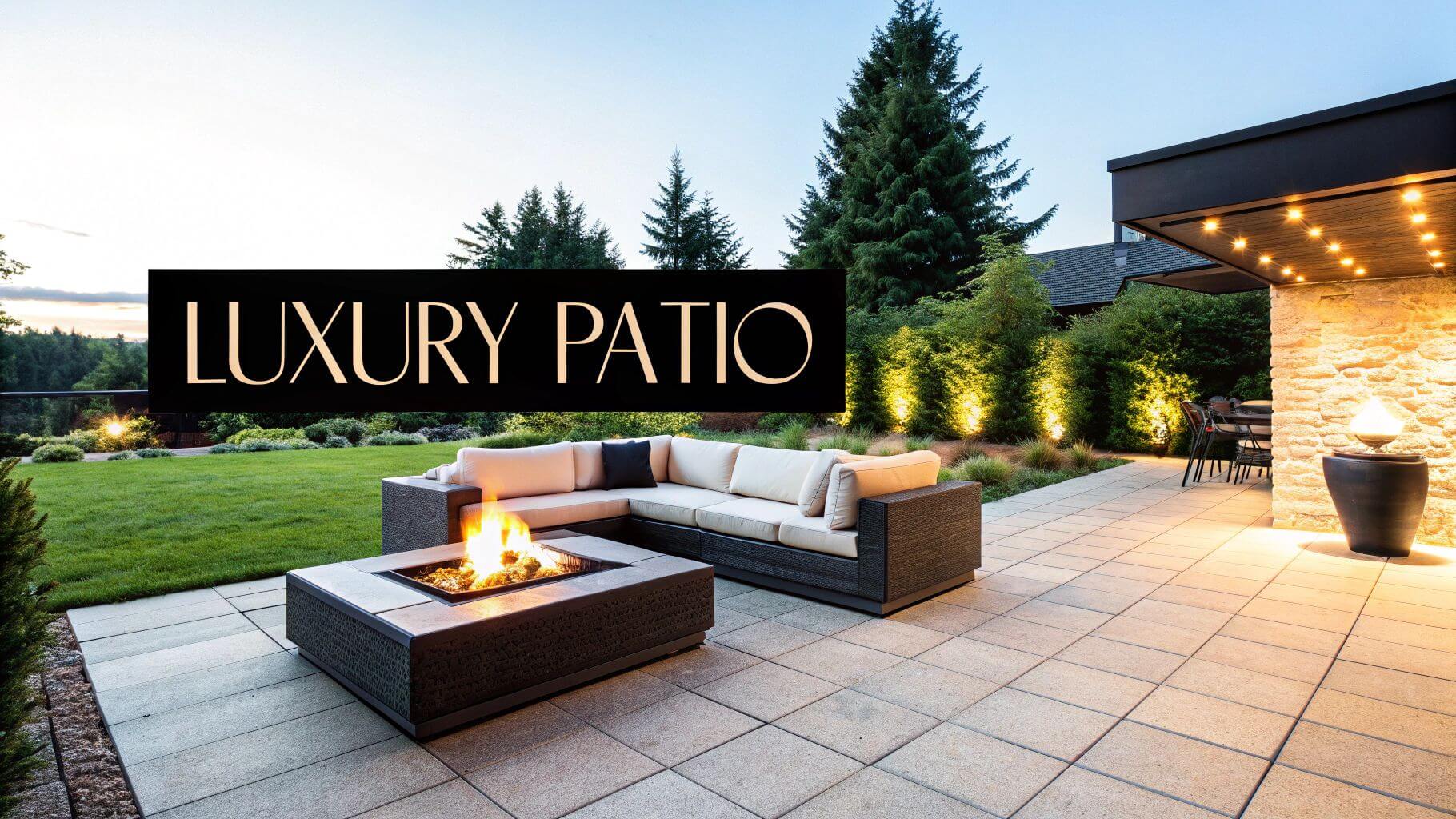
The back patio is no longer a mere extension of the home; it has evolved into a sophisticated, multi-functional sanctuary for relaxation, entertainment, and connection with nature. For discerning homeowners, creating an exceptional outdoor space is a crucial aspect of luxury living, demanding a thoughtful blend of aesthetic vision, premium materials, and functional design. This guide explores a curated collection of high-end back patio design ideas, moving beyond the ordinary to showcase concepts that transform outdoor areas into extraordinary experiences.
Whether your vision is a serene minimalist retreat or a vibrant Mediterranean oasis, these concepts offer actionable inspiration to craft a space that is both stunning and deeply personal. We will delve into the defining features, practical considerations, and expert tips for each style, providing a roadmap for bringing your ultimate al fresco dream to life. Each idea presented is designed to be a starting point for a truly bespoke outdoor environment, balancing form with function.
This roundup is tailored for those who view their patio not just as an add-on, but as a central component of their home’s character and lifestyle. It serves as a practical resource for homeowners and design professionals alike, offering specific insights to elevate any outdoor project from standard to spectacular.
A Mediterranean Oasis is one of the most timeless and evocative back patio design ideas, transforming any outdoor space into a tranquil, sun-drenched retreat. This style draws inspiration from the coastal regions of Spain, Italy, and Greece, emphasizing a seamless blend of natural materials, rustic elegance, and a deep connection to the outdoors.
The core principle is to create an atmosphere of relaxed, resort-like luxury that feels both sophisticated and welcoming. It’s an ideal choice for properties that receive ample sunlight and for homeowners who desire a space perfect for both quiet relaxation and elegant entertaining.
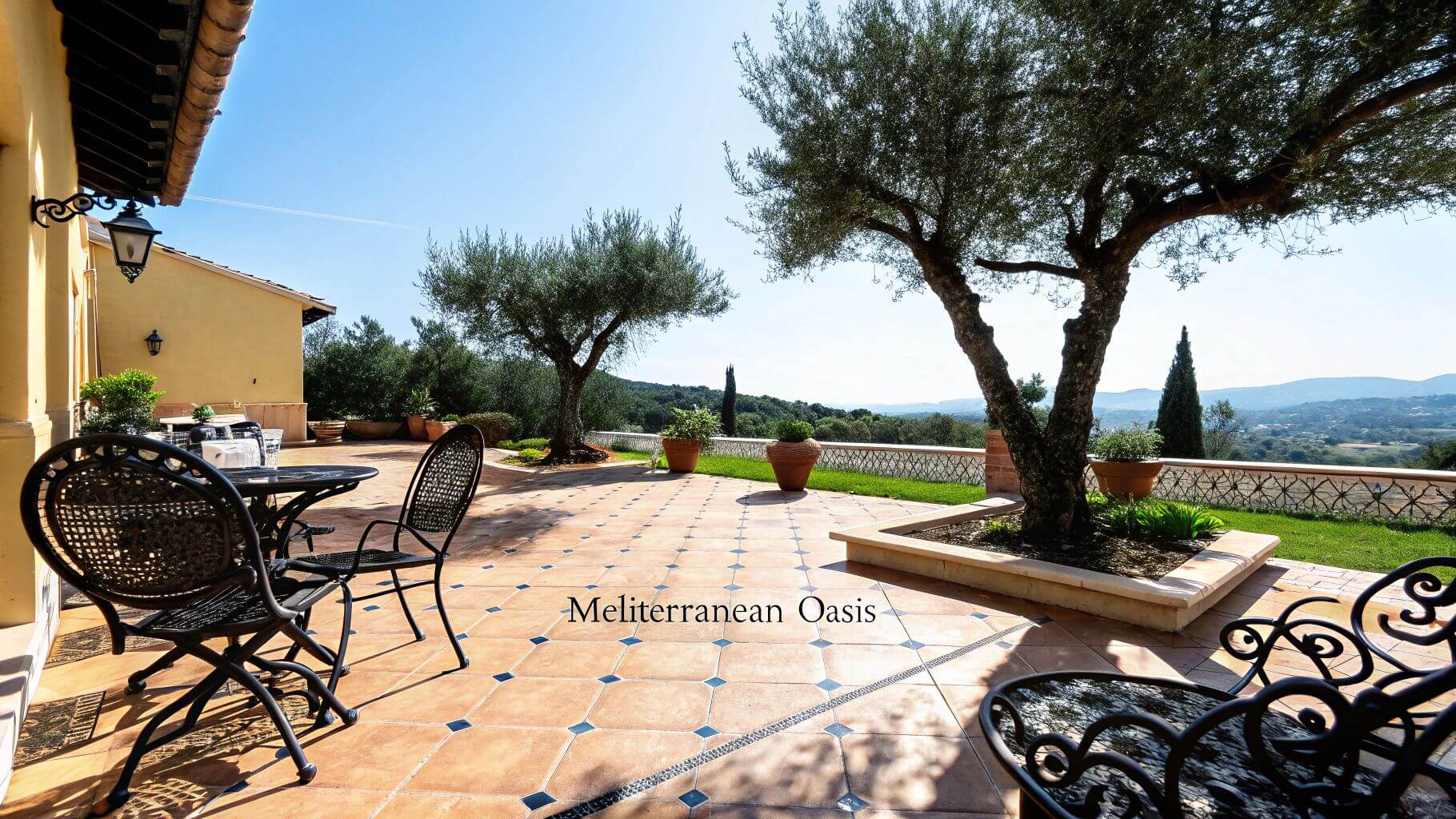
The aesthetic is defined by its warm, earthy color palette featuring terracotta, ochre, and creamy whites, accented by the deep blue of the sea. Key architectural elements often include a shaded pergola draped in bougainvillea or jasmine, which provides essential relief from the sun while adding vertical interest. Wrought iron is a staple, appearing in everything from ornate furniture and railings to light fixtures, lending a sense of handcrafted authenticity.
To implement this design, focus on a foundation of natural, textured materials.
A Modern Minimalist Retreat is a sophisticated approach to back patio design ideas, centered on the principle that “less is more.” This style champions clean lines, uncluttered spaces, and a focus on high-quality materials and craftsmanship. It transforms an outdoor area into a serene, highly functional extension of the home, stripping away non-essential elements to create an atmosphere of calm and order. It is the perfect choice for homeowners who appreciate contemporary architecture, functionality, and a seamless flow between indoor and outdoor living, offering a peaceful escape from a busy world.
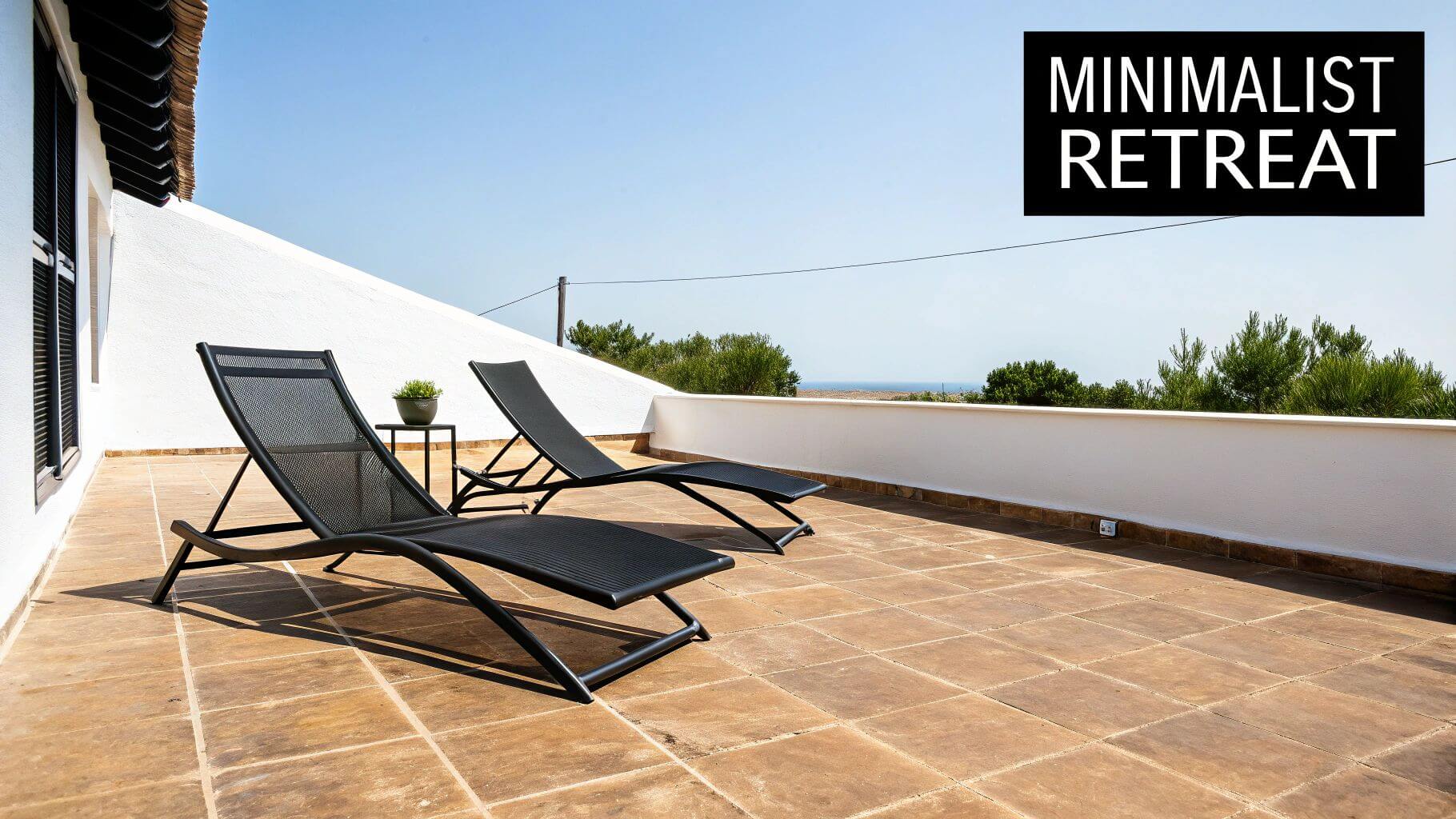
The aesthetic is defined by a restrained, neutral color palette, typically featuring shades of gray, black, white, and beige. The emphasis is on form and function, with key architectural elements like sharp, geometric shapes in decking, pergolas, and built-in planters. Visual interest is created not through ornamentation, but through the interplay of light, shadow, and texture. Materials like polished concrete, powder-coated steel, and sleek composites are hallmarks of this design, contributing to a clean, cohesive, and undeniably modern look.
To achieve a minimalist design, precision and intentionality are paramount. Every element must have a clear purpose.
A Rustic Farmhouse Gathering Space channels the welcoming spirit of the countryside, creating an unpretentious and deeply comfortable back patio design. This style celebrates simplicity, authenticity, and the beauty of natural materials, drawing inspiration from traditional farm life and pastoral landscapes. The core concept is to build a warm, inviting atmosphere that encourages friends and family to gather and linger. It is an excellent choice for homeowners seeking a cozy, family-centric outdoor area that feels both timeless and genuinely lived-in.
The aesthetic is grounded in a neutral, earthy color palette of whites, creams, grays, and natural wood tones. Key elements include exposed wood beams, reclaimed materials, and vintage-inspired decor that tell a story. Functionality is paramount, with every piece serving a purpose while contributing to the overall charm. Galvanized metal, seen in planters or light fixtures, and classic patterns like gingham or simple stripes add layers of authentic character.
To achieve this look, prioritize durable, hardworking materials that showcase their natural texture and history.
A Tropical Paradise Escape is one of the most immersive back patio design ideas, transforming your outdoor area into a lush, vibrant sanctuary reminiscent of a luxury island resort. This style prioritizes creating a dense, layered environment that engages the senses with exotic foliage, natural textures, and the soothing sounds of nature. The core principle is to blur the lines between the built and natural worlds, cultivating a feeling of seclusion and indulgent relaxation. It is a perfect choice for homeowners seeking a private, vacation-like atmosphere for unwinding and entertaining.
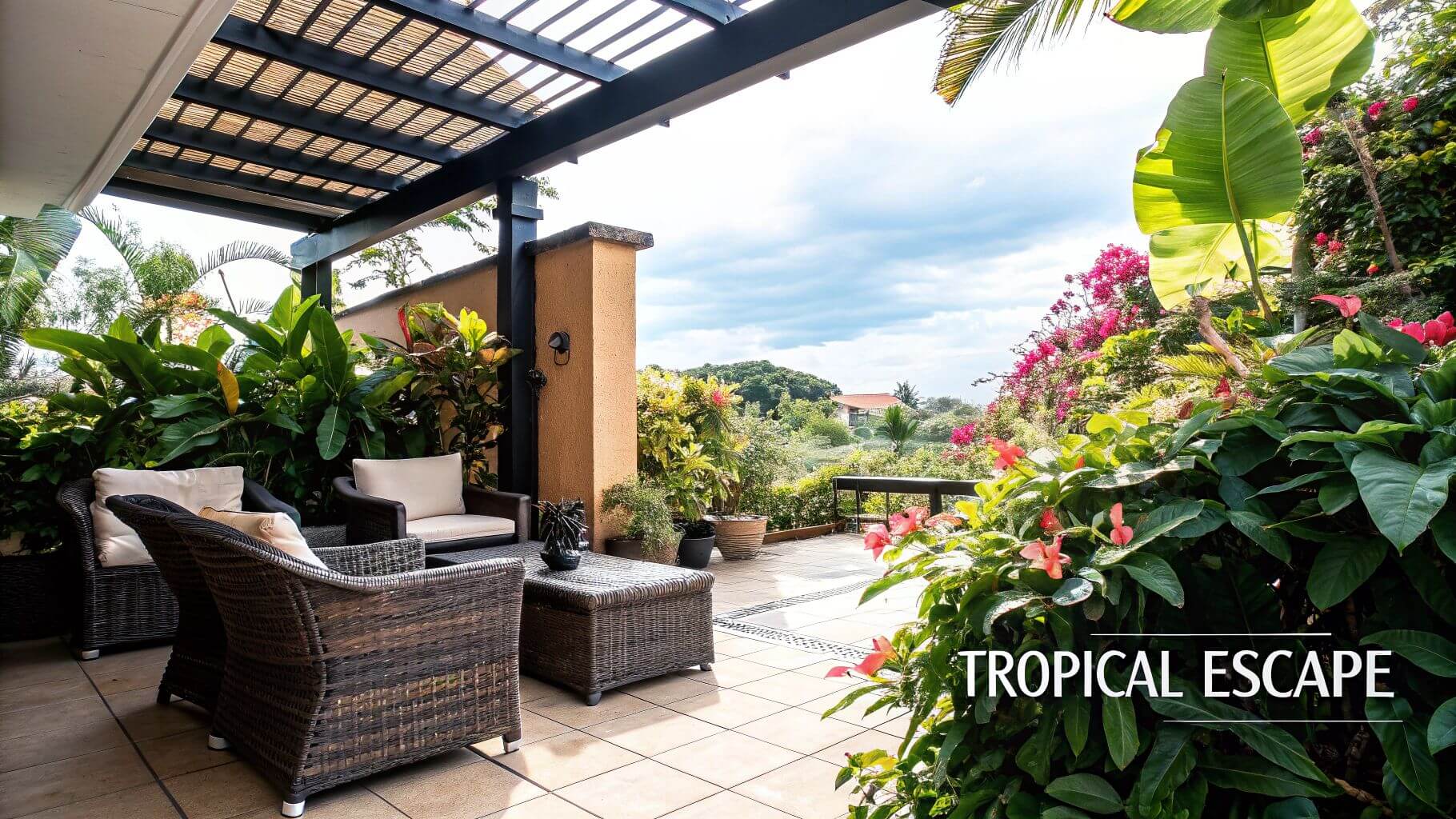
The aesthetic is defined by its deep green color palette, punctuated by vibrant bursts of floral color like hibiscus red, bird-of-paradise orange, and orchid purple. Key material elements include dark hardwoods like teak or ipe, complemented by the lighter tones of bamboo and rattan in furniture and privacy screens. A covered seating area, such as a cabana or a thatched-roof palapa, provides a sheltered spot to enjoy the surroundings, enhancing the resort-like feel.
To achieve this design, focus on creating a rich, multi-layered landscape with carefully selected furnishings.
Centering a design around a fire feature is one of the most impactful back patio design ideas, creating an irresistible gathering spot that offers warmth, light, and ambiance. This approach turns a fire pit, outdoor fireplace, or fire table into the patio’s heart, anchoring the layout and fostering social connection. The design leverages the primeval draw of a crackling fire to extend the usability of the outdoor space into cooler evenings and seasons. It’s an excellent choice for homeowners who love to entertain and want to create a cozy, inviting atmosphere that encourages conversation and relaxation.
The core of this style is the intentional arrangement of all other patio elements in relation to the fire. Seating is the most crucial component, typically organized in a circular or semi-circular pattern to facilitate face-to-face interaction. Key atmospheric elements include integrated ambient lighting that complements the fire’s glow rather than competing with it, and durable, comfortable materials that can withstand proximity to heat. The aesthetic can range from a rustic, stone-clad fireplace to a sleek, modern fire table, allowing for seamless integration into any architectural style.
To execute this design effectively, safety and scale are paramount.
A Multi-Level Deck System is one of the more architecturally dynamic back patio design ideas, transforming a flat or sloped yard into a sophisticated space with distinct functional zones. This design utilizes different elevation levels, connected by steps or short walkways, to create separate areas for dining, lounging, and activities. The core principle is to maximize spatial efficiency and add dramatic visual interest, making the patio feel larger and more purposeful. It’s an ideal solution for properties with uneven terrain, such as hillside homes, but is equally effective in adding depth to a standard backyard.https://www.outrank.so/dashboard/articles/https%20of//www.youtube.com/embed/s3vyiuKFfw8
The aesthetic is defined by its clean lines, structural ingenuity, and clear separation of spaces. Key architectural elements include raised platforms, sunken conversation pits, and terraced levels that follow the natural contour of the land. This approach establishes a clear visual hierarchy, guiding movement through the outdoor space while creating unique vantage points. The transitions between levels, marked by thoughtfully designed steps and integrated lighting, become a central feature of the overall design.
To implement a multi-level deck, careful planning and professional execution are paramount.
Effective space planning is essential for a successful multi-level design. For a deeper understanding of how to optimize layouts, explore this interior design space planning guide which shares applicable principles.
An Outdoor Kitchen and Dining Hub is one of the most functional and entertainment-focused back patio design ideas, effectively extending the home’s living space into the open air. This approach transforms a simple patio into a full-service culinary station and alfresco dining room, complete with high-end appliances, ample prep space, and comfortable seating. The core principle is to create a seamless transition between indoor and outdoor living, allowing for sophisticated entertaining and everyday family meals in a resort-like setting. It is the perfect choice for homeowners who love to host gatherings and want to maximize the utility and enjoyment of their outdoor property.
This design is defined by its blend of high-performance functionality and sophisticated aesthetics. Key architectural elements often include a permanent structure or island housing a built-in grill, side burners, and a sink, frequently clad in stone, brick, or stainless steel to match the home’s exterior. A dedicated dining area, often situated under a pergola or covered roof for weather protection, is essential. Proper task lighting and ambient fixtures are critical for creating an inviting atmosphere for evening use.
The following infographic highlights the compelling benefits of integrating an outdoor kitchen into your patio design.
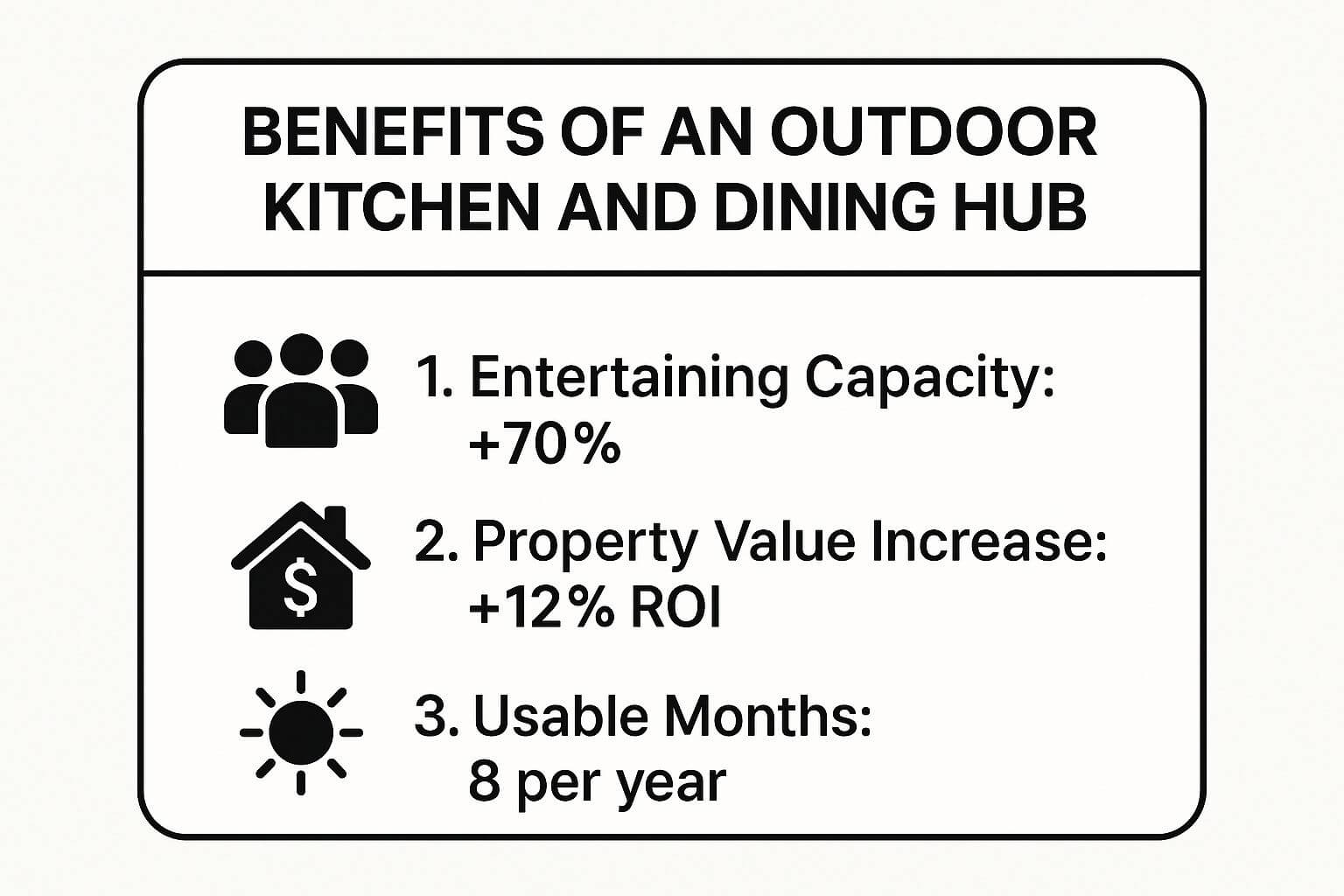
These statistics underscore how an outdoor kitchen not only dramatically enhances your ability to entertain but also offers a significant return on investment and extends your home’s usable living area for most of the year.
To successfully execute this design, focus on durability, workflow, and premium materials.
A Garden Integration Design is a lush and immersive approach that erases the hard lines between your patio and the surrounding landscape. This concept prioritizes a seamless blend of hardscaping and vibrant plantings, transforming the patio into an organic extension of the garden itself. Instead of a distinct, separate zone, the patio becomes a functional space nestled within a living, breathing ecosystem. This is one of the most effective back patio design ideas for homeowners who cherish nature and want to create a restorative, botanical sanctuary right outside their door.
The aesthetic is characterized by an abundance of greenery that softens architectural lines, creating a harmonious and tranquil atmosphere. Key design elements include using plants to define spaces, guide movement, and provide privacy. This is achieved through layered plantings, from low-growing groundcovers that creep between pavers to tall grasses and shrubs that form natural “walls.” The goal is a space that feels deeply connected to the natural world, blurring the distinction between indoors and outdoors.
To successfully integrate your patio with a garden, focus on creating a cohesive flow between built and natural elements.
A Bohemian Eclectic patio design embodies a free-spirited, artistic, and highly personalized approach to outdoor living. This style rejects rigid rules in favor of a curated yet seemingly effortless mix of colors, patterns, and textures from around the globe. It transforms a back patio into a vibrant, comfortable, and unconventional sanctuary that reflects the owner’s travels, passions, and creative spirit. This is one of the most expressive back patio design ideas, perfect for those who want a space that feels deeply personal, relaxed, and ready for intimate gatherings or solo creative pursuits.
The core of the Bohemian aesthetic is its rich layering and eclectic mix. The color palette can range from earthy neutrals to jewel tones, often combined in unexpected ways. Key defining elements include an abundance of textiles like patterned outdoor rugs, floor cushions, and throw pillows. You’ll also find a mix of natural and vintage materials, such as rattan, macramé, and weathered wood, which add warmth and character to the space.
To achieve a sophisticated Bohemian look, focus on curated layering rather than random clutter.
| Patio Design | Implementation Complexity 🔄 | Resource Requirements ⚡ | Expected Outcomes 📊 | Ideal Use Cases 💡 | Key Advantages ⭐ |
|---|---|---|---|---|---|
| Mediterranean Oasis Design | Medium-High: involves materials & plant care | Moderate to High: natural stone, plants, water features | Luxurious, resort-like atmosphere with timeless appeal | Resort-style homes, warm climates, elegant outdoor spaces | Timeless look; natural materials age well; resort vibe |
| Modern Minimalist Retreat | Medium: needs precision and quality pieces | Moderate to High: quality materials and designer furniture | Calm, uncluttered, sophisticated exterior | Modern architecture, urban rooftops, contemporary settings | Easy maintenance; timeless and sleek design |
| Rustic Farmhouse Gathering | Medium: craftsmanship and vintage sourcing | Low to Moderate: reclaimed wood and vintage finds | Warm, cozy, welcoming environment | Casual homes, DIY lovers, sustainable design fans | Budget-friendly; sustainable; customizable |
| Tropical Paradise Escape | Medium-High: climate-dependent plants, water features | High: tropical plants, water systems, exotic materials | Exotic, vacation-like oasis with relaxation focus | Tropical or subtropical climates, resorts, vacation homes | Exotic ambiance; promotes outdoor relaxation |
| Fire Feature Focal Point | Medium: must follow safety and ventilation codes | Moderate: fire element and heat-resistant materials | Extended use of outdoor space with social ambiance | Cooler climates, social gatherings, cozy nights | Extends outdoor season; natural gathering focal point |
| Multi-Level Deck System | High: complex construction and design permits | High: structural materials, expert labor | Visually interesting, functional zoning of spaces | Sloped terrain, large properties, modern architectural projects | Maximizes space; distinct functional zones; privacy |
| Outdoor Kitchen & Dining Hub | High: requires appliances, utilities, weather protection | High: cooking equipment, storage, dining furniture | Entertaining-focused, functional outdoor kitchen | Large gatherings, entertainers, luxury homes | High property value; keeps cooking outside; great for events |
| Garden Integration Design | Medium: gardening knowledge and maintenance | Moderate: plants, soil, hardscape | Harmonious blend of natural and built environment | Sustainable homes, garden lovers, ecological patios | Seasonal beauty; sustainable; attracts wildlife |
| Bohemian Eclectic Style | Medium: requires styling skill and layering | Low to Moderate: vintage, textiles, accessories | Unique, artistic, cozy atmosphere | Creative personalities, festivals, casual eclectic spaces | Highly personalized; budget-friendly; flexible style |
The journey through these diverse back patio design ideas, from a serene Mediterranean oasis to a functional outdoor kitchen hub, reveals a fundamental truth: your outdoor space is a powerful extension of your home and a direct reflection of your lifestyle. We have explored distinct stylistic narratives, architectural approaches, and functional centerpieces, each offering a unique pathway to creating an exceptional outdoor sanctuary.
The most compelling designs are rarely a direct copy of a single style. Instead, they are a thoughtful synthesis of elements that resonate on a personal level. Your ideal patio might combine the clean lines of a modern minimalist retreat with the lush integration of a garden design, or pair the rustic charm of a farmhouse gathering space with the sophisticated warmth of a fire feature focal point. The key is to identify the core functions and aesthetic feelings you want your patio to evoke.
The transition from a collection of inspiring back patio design ideas to a tangible, masterfully executed project requires a clear strategy. To move forward with confidence, consider these actionable steps:
Ultimately, mastering these concepts is about more than just building a beautiful patio; it’s about crafting an environment that enhances your quality of life. A well-designed outdoor space becomes a stage for cherished memories, a sanctuary for quiet moments, and a valuable asset that increases your home’s appeal and worth. This is where professional expertise becomes not just a benefit, but a necessity.
A seasoned designer or architect can translate your vision into a technically sound and aesthetically breathtaking reality, navigating complex material selections, site challenges, and construction logistics with precision and artistry. Your investment in professional guidance ensures the final result is nothing short of spectacular.
Ready to transform your vision into an architectural masterpiece? The Haute Design network connects you with the industry’s most acclaimed architects, interior designers, and builders. Explore our curated list of professionals to find the perfect partner for your luxury back patio design project.