


When you’re dealing with a smaller footprint, the first thing to do is shift your perspective. Don’t see limited square footage as a constraint—see it as a design opportunity. The secret is to think smarter, not bigger. It all comes down to a few core strategies: choosing multifunctional furniture, creating a strategic layout that flows, and using layered lighting to open up the room. This approach is what turns a compact space into an environment that feels both luxurious and incredibly functional.
Rethinking Small Spaces as a Design Opportunity
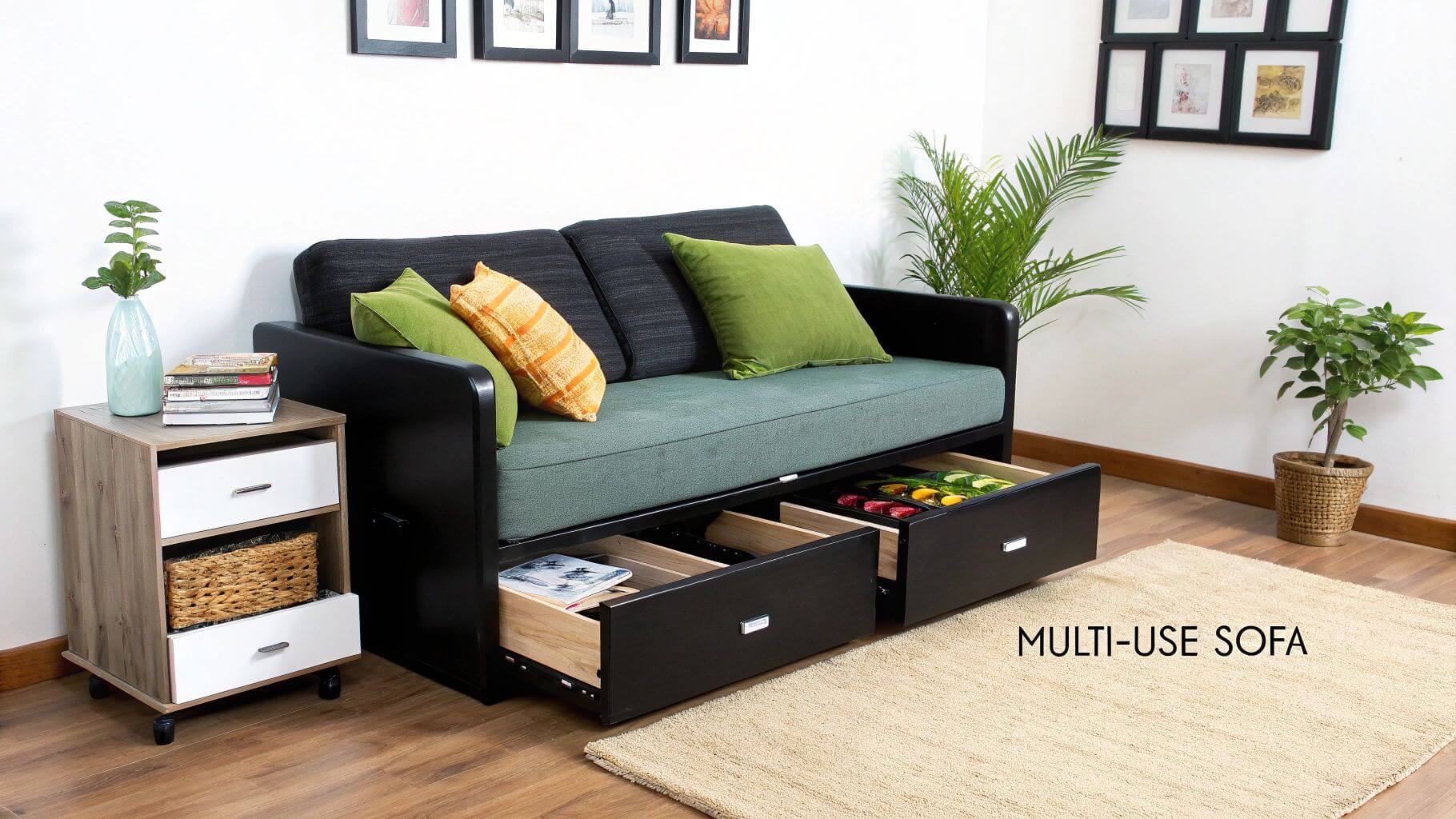
It’s easy to feel like a small room is a problem that needs fixing, but I encourage clients to view it as a canvas for creativity. This is where truly intentional design shines because every single choice has a significant impact. Let’s bust the myth that compact living can’t feel expansive or high-end.
In my experience, a smaller footprint demands a more deliberate and thoughtful design process. It forces you to get crystal clear on what’s essential and to seek out clever solutions that masterfully blend form with function. Whether you’re in a chic city apartment or a cozy cottage, the principles we’re about to cover will help you craft a space that’s not just practical, but genuinely impressive.
The Foundation of Smart Design
Getting a small space right boils down to a few key pillars. If you focus your energy here, you can achieve a dramatic transformation without tearing down walls.
- Strategic Layouts: The goal is to arrange furniture to establish clear pathways and define distinct zones for different activities, like relaxing, dining, or working.
- Multifunctional Furniture: Every piece should work hard. Think coffee tables that lift into desks or beds with built-in storage. This is where you reclaim your floor space.
- Layered Lighting: A single overhead light can make a room feel flat. A mix of ambient, task, and accent lighting adds depth, warmth, and a sense of spaciousness.
- Clever Storage: This is about more than just hiding things away. It’s about integrating storage so seamlessly that it becomes part of the design, eliminating visual noise.
The Growing Need for Space-Saving Solutions
This shift toward maximizing small spaces isn’t just an interior design trend; it’s a direct response to how we live today. With more people moving into urban centers, the demand for intelligent, space-efficient furniture has skyrocketed.
The global market for small space furniture was valued at an impressive USD 23.4 billion in 2023 and is on track to hit USD 41.2 billion by 2032. You can dig deeper into the growth of this market to see just how significant this movement is.
A well-designed small space is the ultimate testament to thoughtful living. It proves that luxury isn’t about size—it’s about the quality and intention of the environment you create.
This guide will give you the actionable strategies to bring that quality to your own home, turning it into a sanctuary that feels anything but small.
Designing Layouts That Create Flow and Function
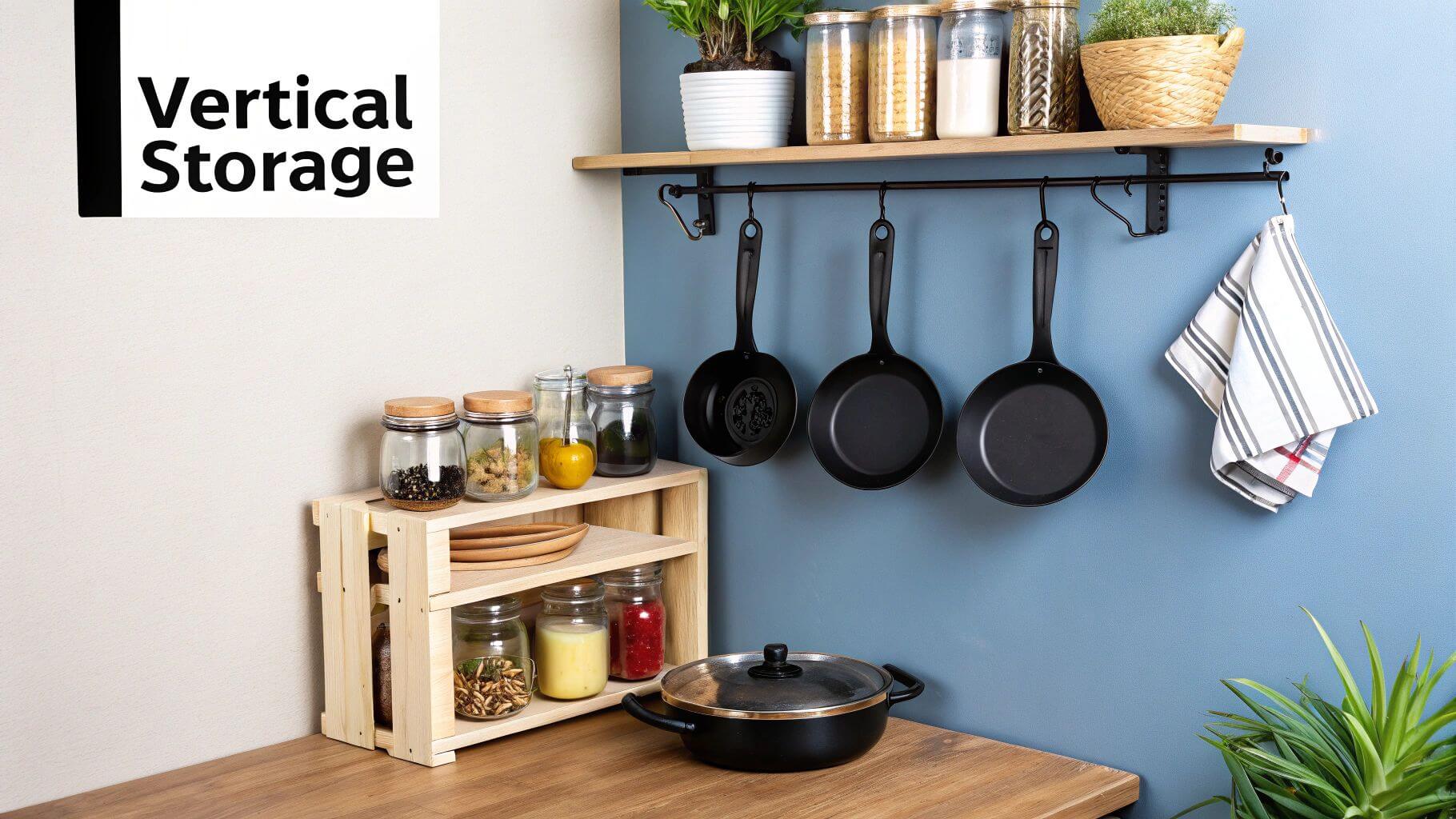
The single biggest change you can make in a small room—often without spending a dime—is rethinking the layout. It’s all about how you arrange your furniture. This one decision dictates not just the function of the space but also its perceived size and energy.
Forget the old advice to push everything against the walls. That’s probably the most common mistake I see, and it actually makes a room feel more cramped and static.
The real goal is to create pathways and a sense of effortless movement. Think of your layout as choreography for your daily life. A thoughtfully designed floor plan guides you through the space and creates a feeling of openness, even when square footage is tight.
Create Distinct Zones Without Walls
One of the most effective strategies for small spaces, especially in a studio or open-plan apartment, is zoning. You can visually separate your living, dining, and work areas without ever putting up a wall. It’s all done with clever furniture placement and accessories.
An area rug, for instance, is a designer’s secret weapon for anchoring a space. Placing a rug under your sofa and coffee table instantly carves out the “living room,” separating it from a nearby dining set. The rug acts as a visual container, making the entire arrangement feel intentional and organized.
You can also use a single piece of furniture to create a soft boundary. A slim console table tucked behind a sofa can delineate the living area from a home office space. This technique adds function—a surface for a lamp or books—while subtly dividing the room.
The Power of Negative Space
In a small room, the empty areas around and between your furniture—what designers call negative space—are just as important as the furniture itself. It’s so tempting to fill every last inch, but that’s what leads to a cluttered, claustrophobic feeling. You have to leave some breathing room.
Try pulling your furniture even a few inches away from the walls. It makes a world of difference. That small gap creates shadows and depth, preventing the room from feeling like a constricting box. When a sofa isn’t jammed against a wall, the whole space feels lighter and more dynamic.
Don’t be afraid of empty space. In a small home, what you don’t include is just as important as what you do. A clear floor is a luxury that makes any room feel larger.
This same principle applies to your traffic flow. You need clear, unobstructed pathways. A good rule of thumb is to leave at least 30-36 inches for main walkways. If you have to turn sideways to squeeze past the coffee table, the layout isn’t working.
Draw the Eye Upward
When floor space is limited, the only way to go is up. Using vertical space is a classic designer trick that makes a room feel taller and grander. It works by pulling the eye upward, creating an illusion of volume.
Tall, narrow furniture is perfect for this.
- Floor-to-ceiling bookcases: They provide incredible storage and create a strong vertical line that emphasizes the room’s height.
- Ladder shelves: Their open-sided design feels light and airy while offering display space for decor and books.
- Vertical art displays: A gallery wall that extends higher than eye level or a single, large, vertically oriented piece of art has the same powerful effect.
The goal is simple: get people to look up when they enter. This simple psychological trick can completely transform a room with low ceilings, making it feel far more open. For a deeper dive, a good interior design space planning guide can offer professional insights into mastering these visual effects.
Think Diagonally
Here’s a less common but highly effective trick: angle your furniture. It sounds counterintuitive, but placing a key piece like a sofa or a desk on a diagonal can make a square room feel larger and more dynamic.
This works because it breaks up the boxiness of the room and forces your eye along the longest possible line—the diagonal. It creates more interesting pathways and can unlock awkward corners. While this strategy won’t work in every room (especially very narrow ones), in a small, squarish space, it can be a game-changer.
Choosing Furniture That Works Harder
When you’re working with a small footprint, every piece of furniture has to earn its keep. It’s not just about looking good—it’s about performance. We’re moving past the clunky sofa beds of the past and into an era of intelligent, multifunctional design that truly works for you. The mission is to select pieces that aren’t just objects, but active partners in your quest to maximize the space you have.
This is a mental shift. Instead of just buying a couch, you’re investing in a modular system you can reconfigure for a movie marathon or a cocktail party. You’re not just getting a desk; you’re choosing a wall-mounted unit that folds away, instantly giving you back your living room and helping you mentally clock out for the day.
Go For Double-Duty Designs
The most effective strategy I’ve seen in furnishing compact luxury spaces is prioritizing pieces that serve more than one purpose. This simple philosophy gives you all the utility of a larger home without cluttering your floor plan with an army of single-function items.
Here are a few of my go-to examples:
- The Lift-Top Coffee Table: This is a game-changer. It acts as a standard coffee table for drinks and books, but then elevates to a perfect height for a comfortable dinner or a work-from-home session on your laptop.
- The Indispensable Storage Ottoman: I recommend these constantly. An ottoman can be a footrest, a spare seat for a guest, and a discreet storage container all at once. If you find one with a solid, flat top, just add a stylish tray, and it can even stand in as a small coffee table.
- Modular Sofas: These are the pinnacle of seating flexibility. You can break them apart for a more conversational layout, arrange them to fit an awkward corner, or push the sections together to create a comfortable spot for an overnight guest.
I always tell my clients to think of their furniture as a team. Each piece needs to have a diverse skill set and contribute to the home’s overall efficiency. If an item only does one thing, it might be time to find a more versatile replacement.
This is also a fantastic opportunity to start defining your personal aesthetic. To make sure your multi-talented pieces create a harmonious environment, this essential interior design style guide is a great resource for pulling together a cohesive and sophisticated look.
Elevate Your Space (Literally)
Beyond pure function, the physical silhouette of your furniture has a massive impact on how large and airy a room feels. Two of the most effective tricks in my playbook are choosing furniture with visible legs and sticking to a unified color scheme.
When furniture is raised off the floor on slender legs—a classic feature of mid-century modern design—it creates an instant illusion of more space. Your eye can see the floor continuing underneath, which makes the pieces feel lighter and less imposing. It’s a simple visual trick that prevents heavy furniture from weighing down the entire room.
A cohesive color palette for your major pieces works in much the same way. When your sofa, armchairs, and media console are all in a similar tone or color family, the eye moves smoothly around the room without interruption. This visual flow is critical in a small area, as it stops the space from feeling choppy or cluttered.
Choosing the right furniture is a strategic process. This table breaks down some of the most popular multifunctional options to help you decide which pieces will deliver the biggest return on your investment in terms of space, versatility, and style.
Smart Furniture Investment Comparison
| Furniture Type | Best For | Space-Saving Feature | Style Consideration |
|---|---|---|---|
| Modular Sofa | Living rooms that need flexible seating for entertaining and lounging. | Can be reconfigured, separated, or combined for various needs. | Choose timeless fabrics and a neutral base; add personality with pillows. |
| Lift-Top Coffee Table | Individuals who work or dine in their living space. | Eliminates the need for a separate desk or dining table. | Look for sleek mechanisms and high-quality wood or metal finishes. |
| Storage Ottoman/Bench | Entryways, living rooms, or at the foot of a bed for hidden storage. | Hides clutter like blankets, games, or shoes inside. | Can be a great way to introduce a pop of color or a luxurious texture like velvet. |
| Nesting Tables | Spaces needing occasional extra surface area without permanent clutter. | Tables tuck neatly under one another when not in use. | Opt for mixed materials like marble and brass to add visual interest. |
Ultimately, the goal is to build a collection of smart, hardworking pieces that not only fit your space but also adapt to your life.
Using Light to Create an Illusion of Space
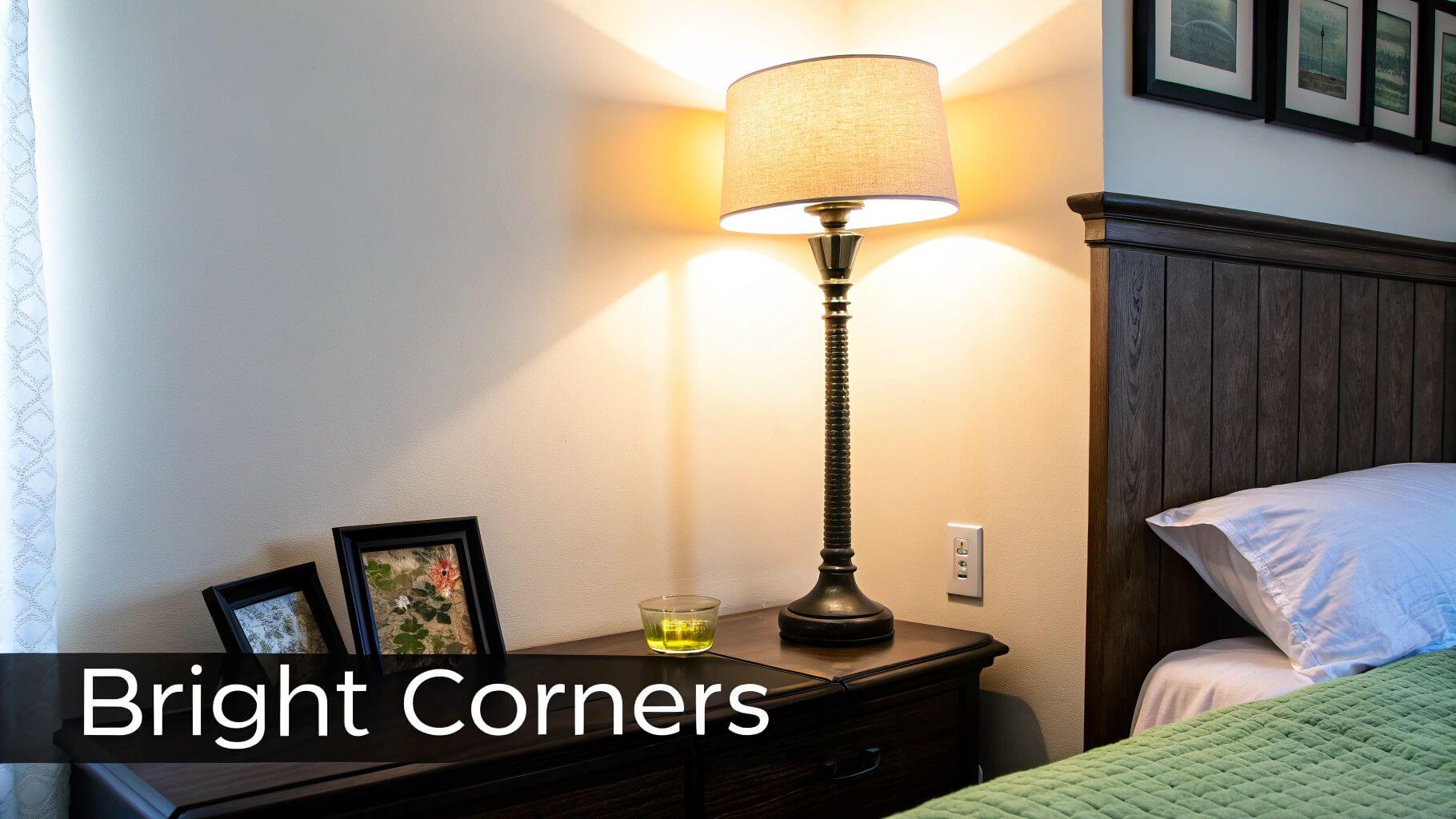
If there’s one element that can completely reshape a room, it’s lighting. It’s an incredibly potent tool, especially when you’re working with a smaller footprint, yet it’s so often an afterthought. Good lighting isn’t just about being able to see; it’s about sculpting your environment, creating depth, and tricking the eye into seeing a space that feels dramatically larger and more inviting.
A single, harsh overhead light is a small room’s worst enemy. It flattens everything, casts unflattering shadows into the corners, and makes the space feel confined. The secret that design professionals know well is layering. When you combine different types of light, you build a rich, dynamic atmosphere that gives the room dimension and character.
The Three Essential Layers of Light
To get that balanced, functional lighting scheme, you need to think in three distinct layers: ambient, task, and accent. Each one has a specific job, and when they work together, the result is a space that’s both beautiful and effortlessly practical.
- Ambient Light: Think of this as the room’s foundational glow. It’s the general, overall illumination that lets you navigate the space safely. This layer often comes from a central fixture, recessed lighting, or simply the natural light pouring in from the windows.
- Task Light: Just like it sounds, this is focused light for getting things done. It’s the adjustable lamp next to your favorite armchair for reading, the under-cabinet lights that illuminate your kitchen counters for prep work, or a sleek desk lamp in a work-from-home corner.
- Accent Light: This is where the magic happens. This is the decorative layer that adds drama and visual interest. Use accent lights to highlight a beautiful piece of art, showcase the texture on a feature wall, or draw attention to an architectural detail.
By weaving these three layers together, you take control of the room’s mood and perception. Suddenly, you can make ceilings feel higher, push walls back, and carve out cozy, intimate zones.
Smart Lighting Strategies for Small Spaces
In a compact room, every lighting choice has to work twice as hard. It needs to provide illumination while also contributing to that all-important illusion of space. This means looking beyond the standard table lamp and embracing more integrated, clever solutions.
Wall sconces are one of my go-to recommendations for small bedrooms and living areas. By mounting them directly on the wall, you free up precious real estate on nightstands and end tables. The room instantly feels less cluttered. Slim, modern designs can almost melt into the wall, providing a soft glow without taking up any physical footprint.
In a small kitchen, under-cabinet lighting is non-negotiable. Installing sleek LED strips under your upper cabinets does more than just light up your countertops (task lighting). It creates a beautiful sense of depth as the light bounces off the backsplash, making the walls feel further away and the whole kitchen more expansive.
Strategic lighting is like magic. It can stretch walls, lift ceilings, and turn a cramped corner into a feature. It’s the most cost-effective renovation you can undertake.
Amplify Everything with Mirrors
Mirrors are the perfect partner to a well-layered lighting plan. They are, quite simply, light amplifiers.
Placing a large mirror directly opposite a window is a classic designer trick for a reason—it works. It grabs all that natural daylight and throws it deep into the room, making the entire space feel brighter and more alive. But don’t stop there.
Think about leaning a full-length mirror against a wall in a narrow hallway or creating a gallery wall with a collection of smaller, decorative mirrors. The goal is to capture and bounce as much light as possible, whether it’s natural or artificial. The reflective surfaces break up solid walls and create a profound illusion of depth.
This interplay between light and reflection is directly tied to your color choices. Lighter wall colors are naturally more reflective and will boost the effect of your lighting scheme. If you need some direction, our guide on how to choose paint colors offers expert advice for creating a palette that makes any space feel open and airy. Combine smart lighting, strategic mirrors, and the right colors, and you can completely transform how your small room feels.
Mastering Smart and Stylish Storage
Clutter is the ultimate enemy of a small, luxurious space. It doesn’t matter how perfectly you’ve arranged your furniture or how beautifully layered the lighting is—a room overwhelmed by disorganized belongings will always feel cramped and chaotic. The art of storage isn’t just about hiding things away; it’s about weaving intelligent, stylish solutions right into the fabric of your home’s design.
When you figure out how to maximize a small footprint with smart storage, you’re really just giving yourself the gift of a calm, organized environment. The goal is to cut through the visual noise so your design choices can actually breathe and make an impact. This means thinking beyond basic bins and shelves and embracing strategies that are as functional as they are beautiful.
Go Vertical to Reclaim Your Floor
In almost any room, the most neglected real estate is the vertical space between eye level and the ceiling. By drawing the eye upward, you create an illusion of height, but more practically, you unlock a massive amount of storage potential without taking up another inch of precious floor space.
Floor-to-ceiling shelving is a brilliant example of this principle. A custom built-in can transform an entire wall into a stunning feature, mixing open shelves for art and books with closed cabinets to hide the less sightly essentials. This approach delivers a clean, architectural look that feels intentional and high-end—a far cry from a jumble of mismatched, shorter bookcases.
- Slim Profile Shelving: Look for sleek, minimalist shelving systems that don’t feel bulky. Floating shelves are another fantastic choice, offering storage without any visible supports, which contributes to a much lighter, more open atmosphere.
- Top-of-Closet Storage: Don’t let the space above your closet rods go to waste. Adding an extra shelf there is the perfect spot for stashing out-of-season clothing, spare linens, or travel gear in attractive, labeled boxes.
Uncover Hidden Storage Opportunities
Sometimes, the most powerful storage solutions are the ones you don’t even see. Multifunctional furniture with built-in storage is a non-negotiable for small-space living, letting you conceal everyday items in plain sight. This is where you can get really creative.
A stylish ottoman with a lift-up top is a classic for good reason—it’s a footrest, extra seating, and a secret compartment for blankets or magazines all in one. But you can push this idea so much further. Think about a bed with a hydraulic lift mechanism; the entire mattress platform raises to reveal a massive storage area underneath, ideal for stowing seasonal items or bulky bedding.
Keep an eye out for other clever pieces:
- A coffee table with discreet drawers or a deep lower shelf.
- An entryway bench with integrated cubbies for shoes.
- A dining banquette that features lift-up seats.
The most luxurious small spaces are those where everything has a designated place. By choosing furniture with hidden storage, you’re investing in a home that feels perpetually tidy and serene.
Adopt a System for Lasting Organization
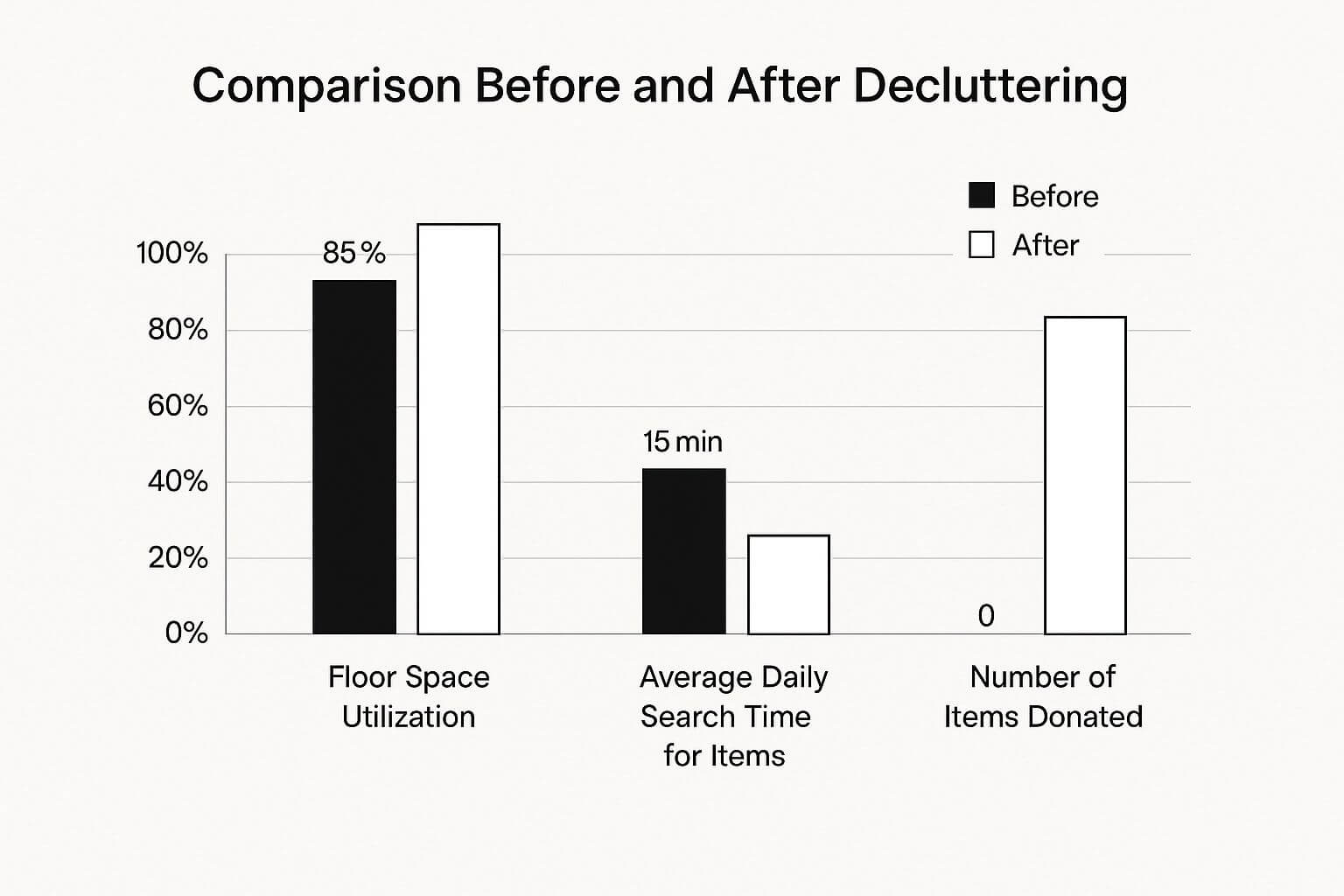
Even the most brilliant storage solutions will eventually fail without good habits to back them up. You need a simple framework for decluttering to keep your home organized for the long haul. Otherwise, the clutter inevitably creeps back in.
One of the most effective strategies is the ‘one in, one out’ rule. It’s a simple discipline that forces you to be more conscious about what you own. For every new item you bring home—whether it’s a new shirt, a book, or a kitchen gadget—an old one has to go. This simple practice stops the slow, creeping accumulation of stuff that eats away at your space.
This mindset of optimizing space isn’t just for homes. In Turkey’s commercial real estate sector, for example, businesses shifting to hybrid work have cut their office footprints by 20-30%. They’ve done it by using shared desk systems and other smart layouts, which in some cases boosted their usable space efficiency by up to 35%. As detailed in this analysis of the rising trend in office space efficiency, these strategies prove that thoughtful organization has real financial and functional payoffs.
You can apply that same logic at home. Regularly auditing what you own helps you live more intentionally and keeps your home feeling open and curated. Schedule a seasonal decluttering session to tackle closets, cabinets, and drawers. Be honest about what you actually use and love, and give yourself permission to let go of the rest. When you combine smart physical storage with mindful habits, you create a small space that stays effortlessly organized and stylish.
Answering Your Top Questions on Small Space Design
Even the most seasoned designers run into tricky situations when working with compact layouts. Over the years, I’ve heard the same questions pop up time and again. Let’s tackle some of the most common puzzles you’ll face, so you can sidestep the usual pitfalls and get the results you want.
What Are the Biggest Decorating Mistakes to Avoid?
I see the same missteps repeatedly. The number one offender is choosing furniture that’s completely out of scale. A huge, overstuffed sofa in a tight living room, for example, will just devour the space and make everything feel cramped from the get-go.
Another classic mistake is forgetting to look up. So many people neglect their vertical space, but it’s a goldmine. When you don’t draw the eye upward with things like tall bookshelves, floor-to-ceiling curtains, or thoughtfully placed art, you’re missing a huge opportunity to make the room feel grander than it is.
Poor lighting is also a big one. Relying on a single, harsh overhead fixture is a recipe for a flat, uninviting room full of awkward shadows. And finally, clutter. Even the most beautiful design falls apart without smart storage. If everything doesn’t have a designated home, the space will quickly feel chaotic.
Can I Really Use Dark Colors in a Small Room?
Yes, you absolutely can! It’s one of my favorite ways to add a touch of drama and sophistication. While it’s true that light colors are the safer choice for an airy vibe, a deep, moody hue can create an incredible sense of depth when used correctly. The whole game is about strategic placement and balance.
Instead of painting the entire room, try creating an accent wall with a rich navy or a deep charcoal. The trick is to pick the wall that’s furthest from the entrance—this simple illusion makes that wall appear to recede, stretching the room visually. Then, you just need to bring in contrast to keep it from feeling like a cave.
- Light-Colored Furnishings: Think about how a crisp, light gray sofa or a pair of cream armchairs will pop against that dark, dramatic backdrop.
- Reflective Accents: This is where metallics shine. Brass, chrome, or even gold finishes on lamps, mirrors, and decor will bounce light around the room beautifully.
- Layered Lighting: You can’t get away with a single light source here. A combination of ambient, task, and accent lighting is essential to highlight your dark wall and keep the space feeling warm and bright.
How Can I Make a Tiny Kitchen More Functional?
When you’re dealing with a compact kitchen, ruthless organization becomes your best friend. The goal is to keep those countertops as clear as possible, and that means every single spoon, spice, and pan needs a home.
Start by thinking vertically. Take your cabinets all the way up to the ceiling. That upper real estate is perfect for storing the appliances and serving dishes you only pull out a few times a year. Then, turn your attention to the inside of your cabinets. Things like pull-out shelves, tiered spice racks, and lazy Susans are non-negotiable for making sure no corner goes to waste.
To free up precious counter space, get things up on the walls. A magnetic knife strip or a hanging rail for utensils can make a world of difference. And when it comes to appliances, always opt for compact, apartment-sized models. They offer all the modern performance you need without the bulky footprint.
A small kitchen cart on wheels can be an absolute game-changer. It’s extra prep space when you’re cooking, a mobile bar cart when you’re entertaining, and it tucks away neatly when you don’t need it.
Should I Use a Few Large Furniture Pieces or Many Small Ones?
This is a classic design dilemma, and the answer often goes against what you’d expect. In most cases, a few well-selected, larger pieces will make a room feel far more spacious and put-together than a jumble of small, disjointed items. Too many little tables and chairs just create visual static.
Think about it this way: one properly scaled sofa looks much more intentional and calming than a tiny loveseat flanked by two dinky armchairs. The key is to choose anchor pieces that truly fit the room’s proportions and serve a distinct purpose. This strategy helps maintain clear walking paths and preserves that all-important negative space, which is critical for making a room breathe.
Ready to transform your home with professional guidance? Haute Design connects you with the nation’s most distinguished interior designers and architects who specialize in creating luxurious, functional spaces. Discover elite design talent on hauteliving.com/designnetwork and find the perfect partner to bring your vision to life.