


An interior design style guide is your home’s most essential blueprint. It’s the vision that informs every decision you make, from the sofa you choose to the finish on the cabinet hardware. Think of it as the foundational step that ensures every corner of your home tells one, cohesive story. This guide is what ultimately unlocks a space that feels both undeniably luxurious and completely, personally you.
Choosing a design style is a lot like choosing the genre for a book. It’s the central theme that weaves every room together, creating a seamless narrative that flows from the moment you step inside. Without this guiding principle, a home risks feeling disjointed—a collection of beautiful but unrelated objects instead of a deliberate and harmonious environment.
The process goes deeper than just picking things you find attractive. It’s about understanding the why behind what you love. Are you drawn to the crisp, clean lines of Modernism, or do you prefer the warm, layered look of a Bohemian-inspired space? Pinpointing these inclinations is the first step in creating a home that’s a true reflection of your personality. A well-defined style ensures every element has a reason for being there.
Consider your chosen style the constitution for your home’s design. It sets the rules for color, shape, and texture, which makes all the decisions that follow infinitely easier. This framework is absolutely critical for achieving that high-end, polished look where every detail feels intentional. It’s the secret sauce that separates a professionally curated room from one that feels thrown together.
A strong design narrative is your best defense against costly mistakes and buyer’s remorse. When you have a clear vision, you’re far less likely to make impulse buys that clash with your home’s overall character.
This focus on intentional design is also a major force in the market. The global interior design industry is on track to grow to an incredible USD 315.78 billion by 2035, which just goes to show how much people value well-designed homes.
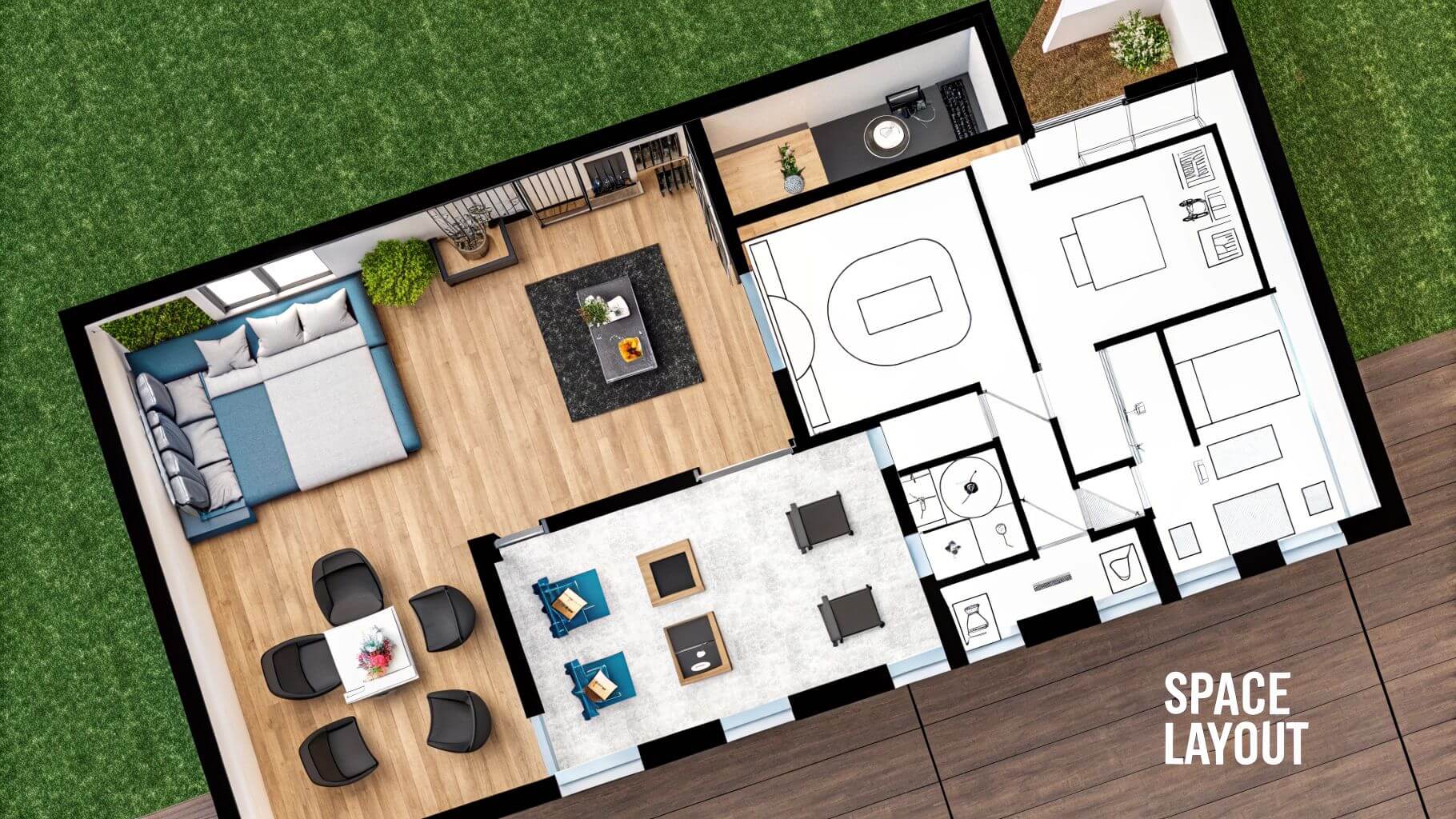
At the end of the day, a style guide is about creating a genuine connection with your space. It gives you the tools to build a sanctuary that not only looks incredible but also works for your real life. Before you get lost in specific aesthetics, it’s a good idea to nail down the basics of arrangement; our guide to interior design space planning will give you a solid foundation to build upon.
Traditional design is where classic comfort meets timeless sophistication. It’s a style deeply rooted in the refined sensibilities of 18th and 19th-century Europe, creating spaces that feel both grand and genuinely inviting. Don’t mistake “traditional” for outdated; this aesthetic is built on the unshakable foundations of order, symmetry, and an almost obsessive attention to detail. It’s a perfect match for a luxury home looking to project a sense of enduring grace.
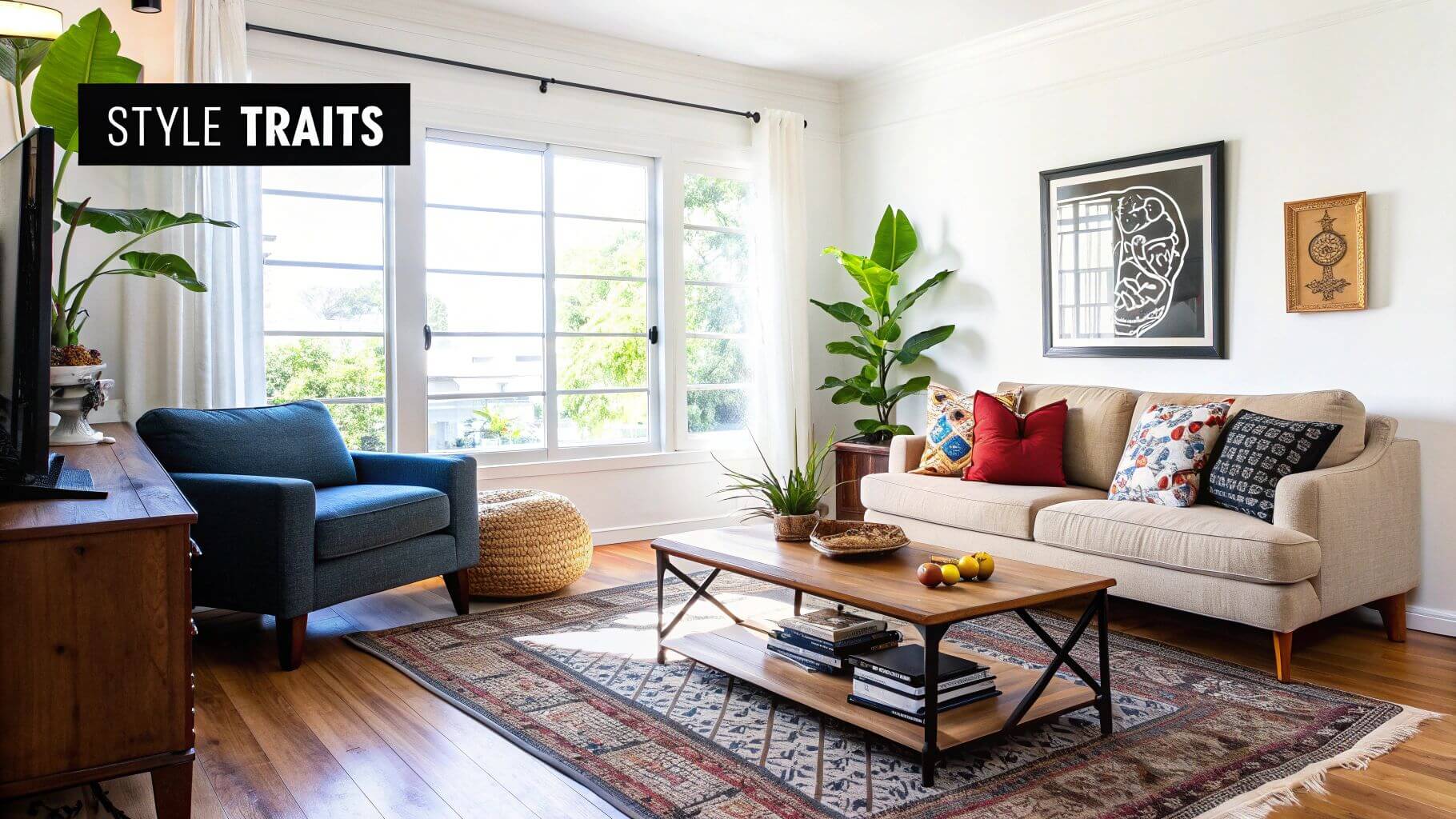
Think of a traditional room as a carefully composed masterpiece. Every single element, from the elegant curve of a chair leg to the intricate pattern on the drapery, is intentionally chosen to contribute to a harmonious whole. It’s a design language that speaks of history, refinement, and a profound respect for true craftsmanship. The goal isn’t to replicate a museum but to pull inspiration from the past to craft a comfortable, elegant present.
At its heart, the style is guided by consistency and logic, resulting in rooms that feel calm and put-together. You’ll often find furniture arranged around a clear focal point, like a stately fireplace or a captivating piece of art, which naturally encourages conversation and a feeling of welcome.
To truly capture this aesthetic, you need to master its signature components. These are the foundational building blocks that give the style its distinctive character and warmth.
When brought together, these elements create a space that feels rich, detailed, and completely cohesive. The ultimate aim is an environment that is as beautiful as it is comfortable.
Weaving traditional design into a contemporary luxury home is all about striking the right balance. It’s not an all-or-nothing game; it’s a thoughtful fusion of classic character and modern sensibility.
One of the best strategies is to select just one or two ornate pieces to serve as stunning focal points. An antique crystal chandelier in the dining room or a beautifully carved armoire in the bedroom can anchor the entire space, allowing more modern, understated elements to orbit around it. This keeps the room from feeling stuffy or overly formal.
By balancing detailed patterns with calm, neutral backdrops, you can capture the essence of traditional opulence without sacrificing modern airiness. An ornate rug, for example, shines when paired with simple, solid-colored furniture.
This approach creates a fascinating tension between old and new. Imagine placing a classic Chesterfield sofa within a room defined by clean, modern architectural lines. The contrast makes you appreciate the beauty of both styles even more, resulting in a space that feels personal and unique. The goal of this interior design style guide is to show you how these aesthetics can be adapted to your own taste, creating an atmosphere of refined elegance that never feels dated.
In the world of clean lines and uncluttered spaces, “Modern” and “Minimalist” are often tossed around as if they mean the same thing. While they certainly share a family resemblance in their move away from ornate, traditional decor, they are, in fact, two very different design philosophies. Knowing the difference is a crucial step in any good interior design style guide.
Think of Modern design as a beautifully structured, sophisticated statement. It has very clear historical roots, emerging in the early-to-mid 20th century as a direct pushback against the fussy, decorative styles that came before. It champions the idea that function should always come first, celebrating natural materials like wood and leather right alongside man-made innovations like plastic and metal. A Modern home feels intentional and thoughtfully put together, much like a perfectly tailored suit.
Minimalism, on the other hand, is less of a historical style and more of a guiding principle. It takes the clean-slate idea of Modernism and distills it down to its absolute essence. If Modernism’s mantra is “form follows function,” Minimalism quietly insists, “less is more.” It’s truly the art of subtraction—creating serene, peaceful environments by prioritizing open space, quiet color palettes, and only the most essential pieces.
First, let’s be clear: Modernism isn’t about what’s trending on Instagram today. It’s a specific historical movement with a well-defined look. It all started with the Bauhaus school in Germany, which championed the idea that mass production could and should coexist with genuine artistic vision. The result was an aesthetic defined by simplicity and clean geometry.
Here’s what to look for in a Modern space:
This look is also closely tied to iconic furniture that has become legendary. When you see an Eames Lounge Chair or a Noguchi coffee table, you’re looking at functional sculptures that can define an entire room. The color palette usually starts with neutral tones but is never afraid to bring in a pop of bold, primary color as a powerful accent.
Minimalism is a much more extreme take on simplicity. At its core, it’s about creating a visual quietness that translates into mental clarity. This style isn’t about having an empty, sterile house; it’s about making every single object in a room matter. It demands an incredible level of intention.
The core beliefs of Minimalism are refreshingly straightforward:
This is where the two styles can really start to diverge visually. While both appreciate simplicity, their approach to color and composition is quite different.
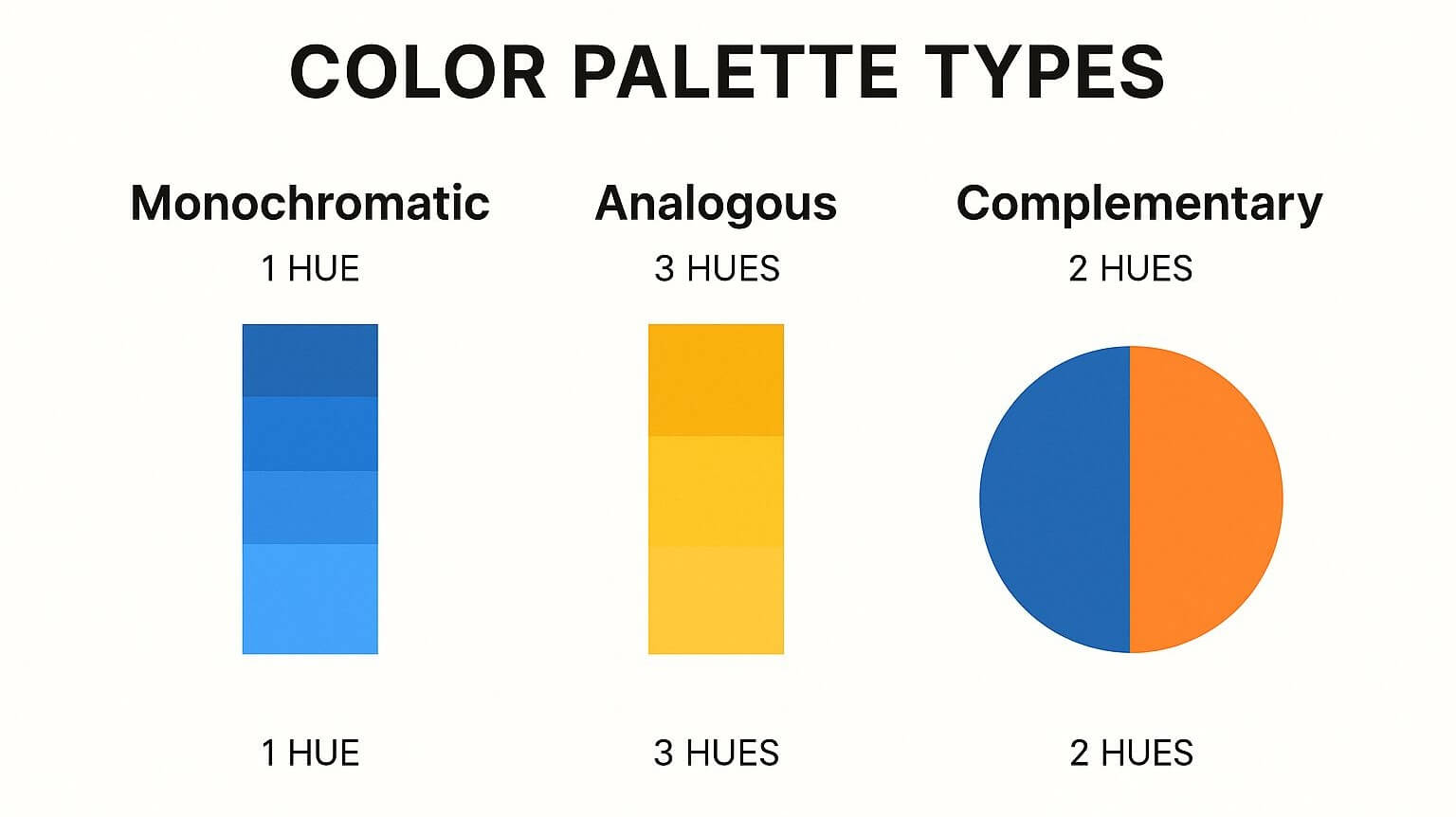
As the chart illustrates, Minimalist design almost always leans on monochromatic or analogous palettes to maintain that serene feeling. Modern design, however, isn’t shy about using a complementary color for a bold, confident accent.
To make the distinction even clearer, let’s break it down side-by-side.
| Characteristic | Modern Style | Minimalist Style |
|---|---|---|
| Philosophy | “Form follows function.” | “Less is more.” |
| Color Palette | Neutral base with bold, primary accents. | Strictly neutral, often monochromatic. |
| Materials | Mix of natural (wood, leather) and man-made. | Focused on natural textures and finishes. |
| Furniture | Iconic, sculptural pieces. | Simple, unadorned, functional forms. |
| Vibe | Sophisticated, intentional, and artistic. | Serene, tranquil, and calming. |
This table highlights that while they share common ground, their ultimate goals—and the feeling they create—are worlds apart.
So, which one is right for you? The choice really comes down to the kind of atmosphere you want to live in. Do you crave a space that feels structured, artistic, and makes a statement with iconic, sculptural forms? Modern design is probably calling your name.
But if you’re searching for a serene retreat—a true sanctuary from the noise of the outside world—then Minimalism will deliver that sense of tranquility you’re after.
A Minimalist home is a calm, serene retreat focused on tranquility and purpose. It’s about curating a life with only the essentials, allowing the space itself to be the primary feature.
This focus on creating personalized, meaningful spaces is more than just a trend; it’s a significant cultural shift. The global interior design market reflects this, with projections showing it will grow from USD 120.4 billion in 2021 to an impressive USD 208.16 billion by 2033. This growth really highlights the value people now place on creating homes that align with their personal philosophies. You can explore more data on these market trends and see how they connect to broader societal shifts.
Ultimately, both styles celebrate simplicity, but they speak in very different tones. Modern design speaks with confidence and artistic flair, showcasing craftsmanship and historical weight. Minimalism, in contrast, whispers with a quiet, meditative calm that encourages introspection and peace. By understanding this core difference, you can make a much more informed and personal choice for your home’s story.
If Traditional design is a finely tuned orchestra, and Modernism a minimalist sculpture, then Bohemian style is an improvisational jazz performance. It’s an aesthetic that happily tosses the rulebook aside, choosing instead to celebrate a life of freedom, creativity, and unconventional beauty. More than just a “look,” Bohemian—or Boho—is an attitude. It’s a tribute to the artist, the traveler, and the free spirit in all of us.
At its heart, this style is defined by its beautiful lack of structure and its intense focus on personal expression. Think of it as a curated collection of objects, textiles, and furniture you’ve gathered over a lifetime of experiences. The goal isn’t to create a picture-perfect room, but rather a space that tells your story—one that feels deeply lived-in, comfortable, and uniquely yours.
The real magic of Boho lies in its artful layering. It’s a masterful mix of patterns, textures, and colors that might seem chaotic in another context. Here, though, they weave together into a rich, cohesive tapestry that is both visually exciting and incredibly inviting. In this part of our interior design style guide, we’ll explore how to master that intentional, eclectic look.
To create an authentic Bohemian space, you need to think less like a decorator and more like a collector. It’s all about combining diverse elements in a way that feels organic and deeply personal. The key is to build your room around a few signature components that form the foundation of this globally-inspired aesthetic.
When brought together, these elements create a space that feels as much like a personal museum as it does a home. It’s a style that encourages you to put your passions and memories on proud display.
While Bohemian design seems to break all the rules, a thoughtful color palette is the secret ingredient that holds it all together. The style typically leans on a foundation of warm, earthy neutrals—imagine terracotta, sandy beiges, and rich, grounding browns.
The true artistry of Bohemian design is making a diverse collection of items feel intentional, not cluttered. A consistent, warm color palette acts as the common thread that ties disparate elements together into a harmonious whole.
Once you’ve established this neutral base, you can start layering in more vibrant, saturated colors as accents. Deep jewel tones like amethyst, sapphire, and emerald green work beautifully when introduced through textiles, art, and decor. This approach creates wonderful depth and visual interest without overwhelming the senses. The deliberate use of color can powerfully influence the mood of a room; for more on this, you can explore the fascinating field of color psychology in design.
Pulling off a successful Boho interior is a delicate balancing act. The line between a curated, eclectic space and a cluttered, chaotic one can be thin. The secret is to edit your collection carefully, ensuring every item has room to breathe.
Here’s a simple framework for getting it right:
Ultimately, Bohemian design is an open invitation to create a home that is a true extension of yourself. It’s a celebration of life, art, and the stories we collect along the way, making it one of the most personal and expressive styles you can possibly choose.
One of the toughest parts of any design project is translating a brilliant idea in your head into a physical, livable space. For years, this meant a lot of guesswork and hoping for the best. Thankfully, technology has stepped in to close that gap, letting you experience your vision long before the first can of paint is opened or a single piece of furniture is ordered.
Think about it: what if you could actually “walk through” your future living room? You could see exactly how the morning light hits that accent wall or test whether a different sofa placement completely kills the flow of the room. This is precisely what 3D visualization software allows. These tools are like a digital sandbox, giving both designers and homeowners the freedom to experiment with layouts, fabrics, and color palettes without any risk.
This isn’t just a fleeting trend; it’s a massive shift in how the industry works. The interior design software market was valued at a staggering USD 5.37 billion in 2024 and is expected to climb to USD 9.66 billion by 2030. That growth is fueled by a demand for more precision and efficiency in every home project. You can see the data on the interior design software market to get a sense of just how integrated technology has become.
While the pros use some seriously complex software, a whole suite of powerful, intuitive tools are now available to everyone. These applications are perfect for taking the concepts from this interior design style guide and turning them into a concrete plan.
These tools aren’t just for a sneak peek—they give you confidence. They empower you to make bolder choices because you’ve already seen how it will all come together.
By virtually arranging furniture and testing color schemes, you can avoid costly mistakes and ensure the final result aligns perfectly with your initial vision. It’s the ultimate “try before you buy” for your entire home.
Beyond just visualization, technology is also getting smarter. Artificial intelligence is now helping to tailor the design process itself. Some platforms can analyze your saved inspiration images and personal tastes to suggest design concepts you’ll love. Others can generate entire room layouts based on a few key pieces of furniture you already own.
This kind of intelligent assistance is a game-changer, helping you refine your ideas and sometimes even introducing you to creative paths you hadn’t considered. It’s having a major impact on the high-end market, where absolute personalization is key. You can read more about how AI is reshaping luxury interior architecture and see just how deep its influence runs. By bringing these digital aids into your process, you ensure the final design isn’t just beautiful—it’s a perfectly executed reflection of you.
The most captivating and truly luxurious homes are almost never a perfect replica of a single design style. They’re a masterful fusion of different aesthetics, woven together to create a space that feels deeply personal and completely one-of-a-kind. This is the point where you stop following an interior design style guide and start writing your own.
Think of it like being a chef. You first learn the classic recipes—the fundamentals of Modern, Traditional, or Bohemian design. But the real magic happens when you start experimenting, combining unexpected ingredients to create a signature dish. The goal is to blend elements in a way that feels intentional and harmonious, a genuine reflection of who you are.
Before you start mixing and matching, you need a foundation. This is your anchor style, the dominant theme that will hold the whole design together. Ask yourself what you truly value in a home. Is it the clean, quiet calm of Minimalism? The warm, inviting comfort of Traditional? Or the eclectic, free-spirited energy of Bohemian?
This core style will typically make up 60-70% of your design. It sets the stage, defining the primary color palette, the main furniture silhouettes, and the overall feeling of the space. Everything else you bring in will be an accent that enhances this foundation, not competes with it.
Your home’s design should be an autobiography, not a style catalog. A successful hybrid style tells your unique story by weaving together elements you genuinely love, creating an environment that is a true extension of who you are.
Once you have your core style locked in, you can start to layer in elements from one or two other aesthetics. The secret to a successful blend lies in finding balance and creating connections between the different pieces.
A great way to start is by creating a mood board, either on a physical board or digitally. Gather images of rooms, furniture pieces, textiles, and colors that you’re drawn to. As you collect them, you’ll start to see a theme emerge—your own personal hybrid style. This visual blueprint will become your guide to crafting a home that is genuinely yours.
Diving into the world of interior design naturally brings up a lot of questions. As you start turning inspiration into reality, you might find yourself wondering how to pick the right style, blend different elements, or even know when to follow the rules—and when to break them. Let’s clear up some of the most common questions to help you move forward with confidence.
Think of this as your go-to guide for making those crucial decisions. We’ll untangle the tricky spots and offer practical advice so you can take what you’ve learned from this interior design style guide and apply it directly to your home. The idea is to make the whole process feel less daunting and a lot more fun.
The short answer? You don’t have to. While it’s essential to understand the classic styles, the most captivating and personal homes are rarely purist. They often borrow from several different aesthetics to create something truly unique.
The best approach is to first identify the one style that speaks to you the most. This will become your home’s foundation. From there, think about the feeling you want to create. If you love the clean look of Modern design but crave a bit more warmth, you could bring in soft, textured throws and pillows from Bohemian style. The trick is to have one dominant style and use others to layer in character and comfort.
A fantastic way to start is by creating a mood board. Pin images of rooms, furniture, and colors that catch your eye. Before you know it, you’ll see a pattern forming that points straight to your primary style.
This simple visual exercise is incredibly revealing. It helps you connect the dots between your preferences and define a core aesthetic before you start mixing in other influences.
Absolutely—in fact, you should! This is one of the secrets to creating a room that feels rich with history and personality. A space filled with only brand-new furniture can feel a bit soulless, while a room of nothing but antiques can feel stuffy and dated. The magic happens in the mix.
The key to getting it right is to find a common thread that connects the old with the new. This could be:
This isn’t about throwing things together randomly; it’s a deliberate, thoughtful process that makes a space feel curated and collected over time. It’s what gives high-end design its signature look.
A well-defined color palette is your single most important tool for cohesion. It’s the invisible thread that weaves through your entire home, tying everything from the walls to the furniture and accessories together. Without it, even the most eclectic styles, like Bohemian, can quickly descend into chaos.
A great place to start is with three to five colors. Choose a primary neutral for the big surfaces like walls, a secondary color for larger furniture pieces and textiles, and one or two accent shades for pillows, art, and decor. This simple framework gives you just enough structure to build on without stifling your creativity.
Ready to connect with a design professional who can bring your unique vision to life? The experts at Haute Design are leaders in creating luxurious, personalized spaces. Find the nation’s top interior designers, architects, and builders who can help you craft the home of your dreams. Discover distinguished professionals on Haute Design.